Follow Kerala’s water from source to sea for a glimpse into southern India’s soul

21 May 2026 read

Follow Kerala’s water from source to sea for a glimpse into southern India’s soul

Rivers and lakes form a sacred geography in the South Indian state of Kerala, where travelers can trace waterways that have been shaping myths, legends and religious practices for millennia.

By Mayer Rus Photography by Rich Stapleton
listen

Share

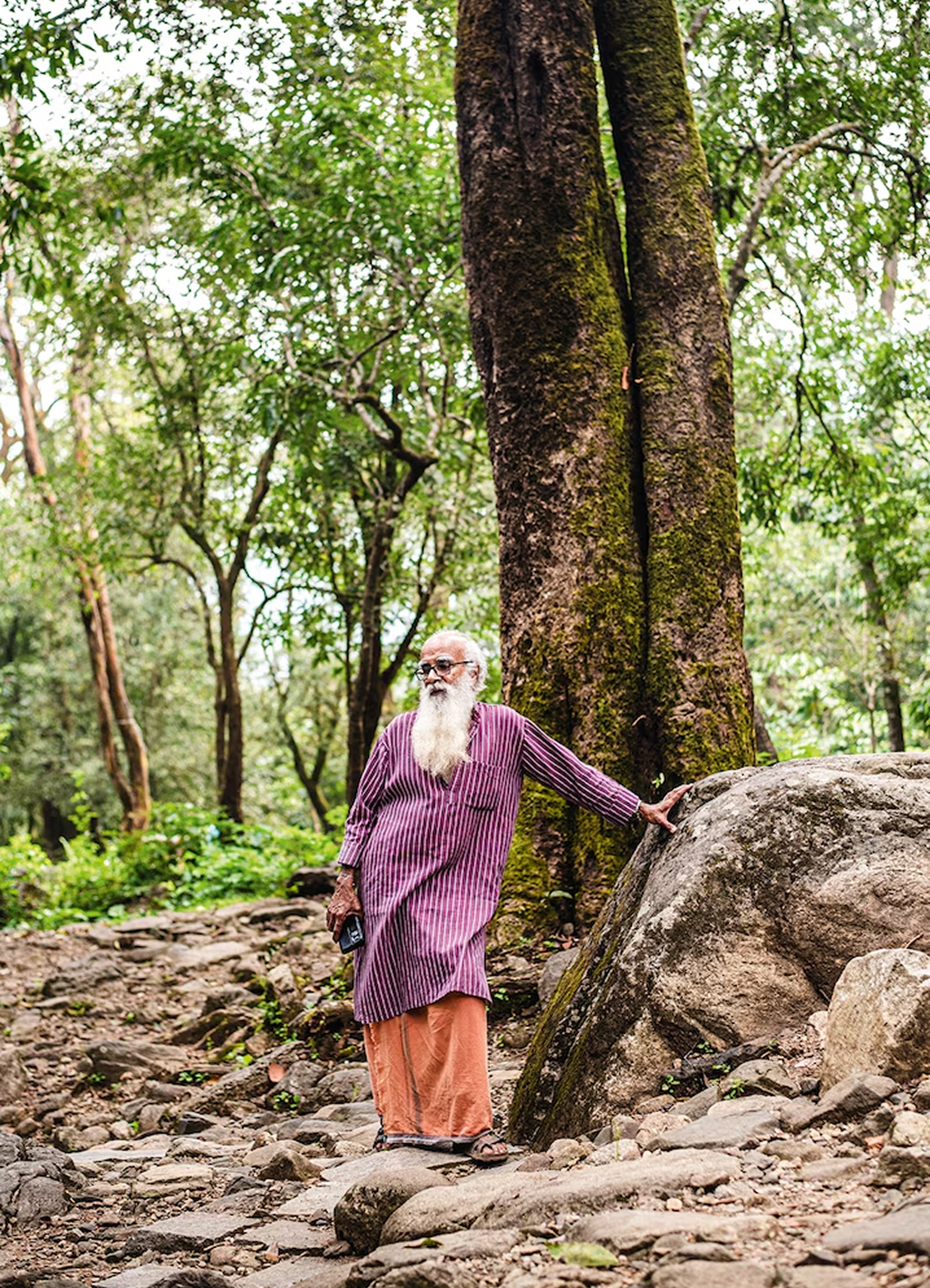
At the foot of Brahmagiri Hill in Kerala’s tea-wreathed highlands, the Papanasini stream rises from a fern-collared hollow. It’s almost clumsy at first, an amber cordial that fumbles over rock and rosewood. Then, dashing towards Thirunelli Temple, it suddenly splits in two, flowing around a bather getting dressed on a jumble of grey-blue rock, the gnarled banks around him peppered with clay urns and piles of fragrant ash.

“It’s said that if you make an offering to your ancestors here, it’s as if you journeyed to the holy city of Varanasi,” says my guide, Pradeep Murthy, removing his glasses to wipe away a layer of condensation as we stand at the edge of one of South India’s most sacred streams. “That’s why people come here — to make sure their relatives’ souls find peace. ‘Papanasini’ literally means ‘destroyer of sin’.”

Water trickles through the spiritual bedrock of India. It’s there in the Upanishads, the ancient Hindu scriptures that first outline the concept of karma. In those sacred texts, written nearly 3,000 years ago, it’s said that our spirits ascend to the heavens, land on the moon and are then either freed from the cycle of rebirth or rained back onto Earth to nourish plants. By my reckoning, that makes Kerala less a state and more a well of souls. It’s a place where abundant monsoon rains feed no fewer than 44 rivers. It’s a land so amphibious — so lush with lagoons, pools and paddies — that in India’s foundational Hindu epic, the Mahabharata, it’s raised from the ocean by an axe-wielding warrior sage called Parashurama, one of the 10 avatars of Vishnu.

banner
Various waterways connect Kerala and its most ancient sites of worship Getty Images

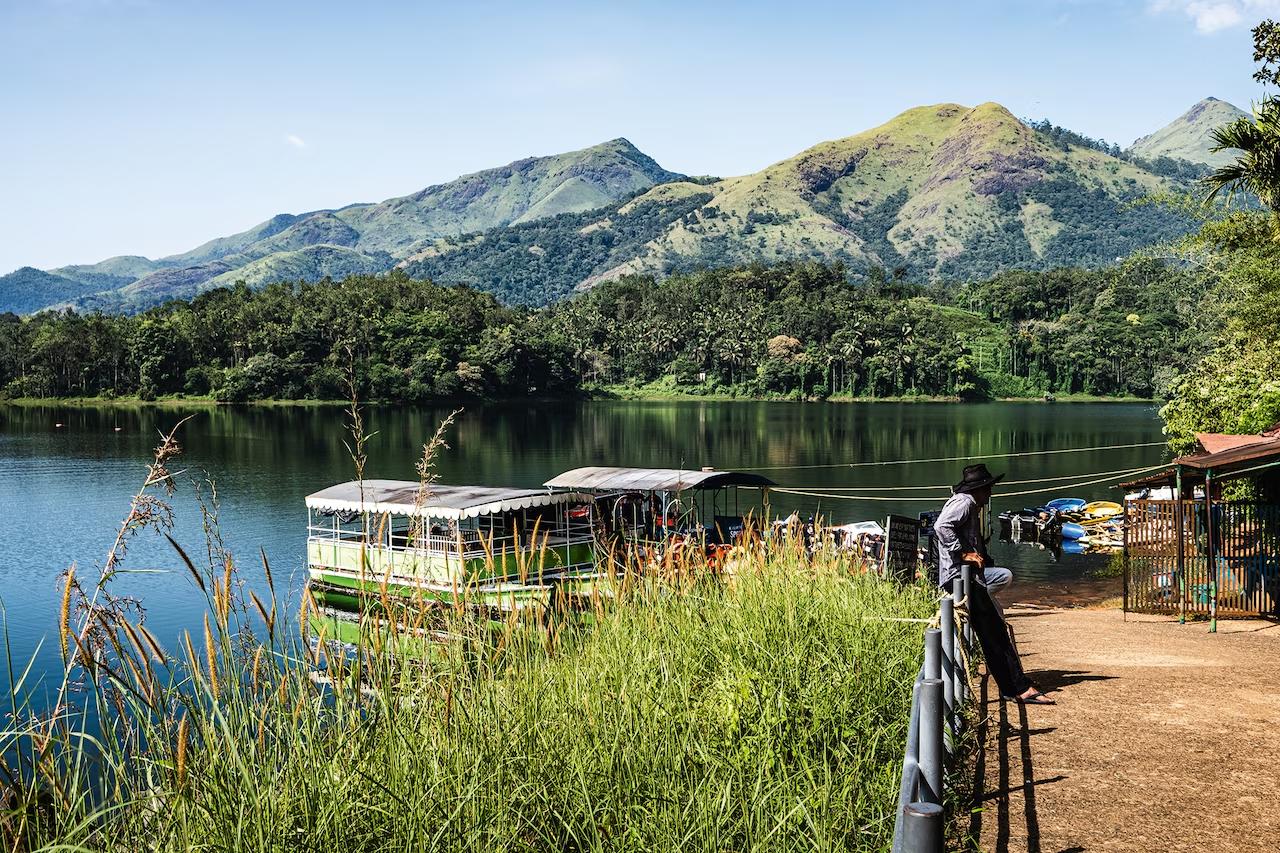
Of Kerala’s many rivers, all but three have their source here in the mountains of the Western Ghats. Thirunelli Temple, close to where the Papanasini originates, is my first stop on a new tour with InsideAsia that traces those waterways as they slide towards the Arabian Sea, passing through remote rural communities where water remains a central, sacred element. On their journey west, they breathe life onto everything they touch. Moss-green paddies rise from the clay. Temple pools swell.

Of Kerala’s many rivers, all but three have their source here in the mountains of the Western Ghats. Thirunelli Temple, close to where the Papanasini originates, is my first stop on a new tour with InsideAsia that traces those waterways as they slide towards the Arabian Sea, passing through remote rural communities where water remains a central, sacred element. On their journey west, they breathe life onto everything they touch. Moss-green paddies rise from the clay. Temple pools swell.

Pradeep’s own story is clear just by looking at his wrists. On the left, he wears a faded silver bangle that gives him the air of a holy man; on the right, a GPS-enabled watch. Half philosopher, half adventurer.

Image
John F Kennedy Jr and Carolyn Bessette in New York City Getty Images
Image
John F Kennedy Jr and Carolyn Bessette in New York City Getty Images
Image
John F Kennedy Jr and Carolyn Bessette in New York City Getty Images
Image
John F Kennedy Jr and Carolyn Bessette in New York City Getty Images
A meeting with the gods

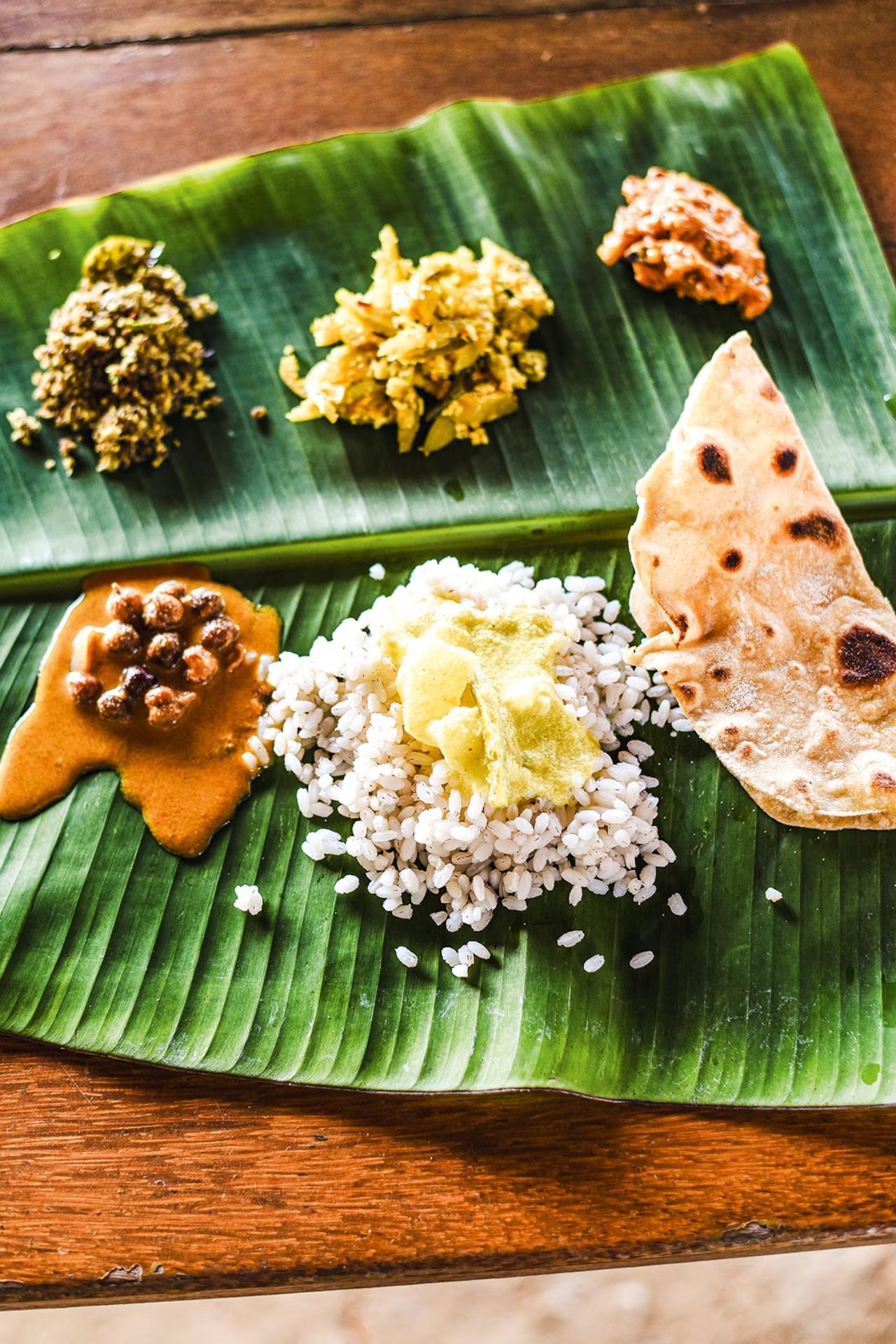
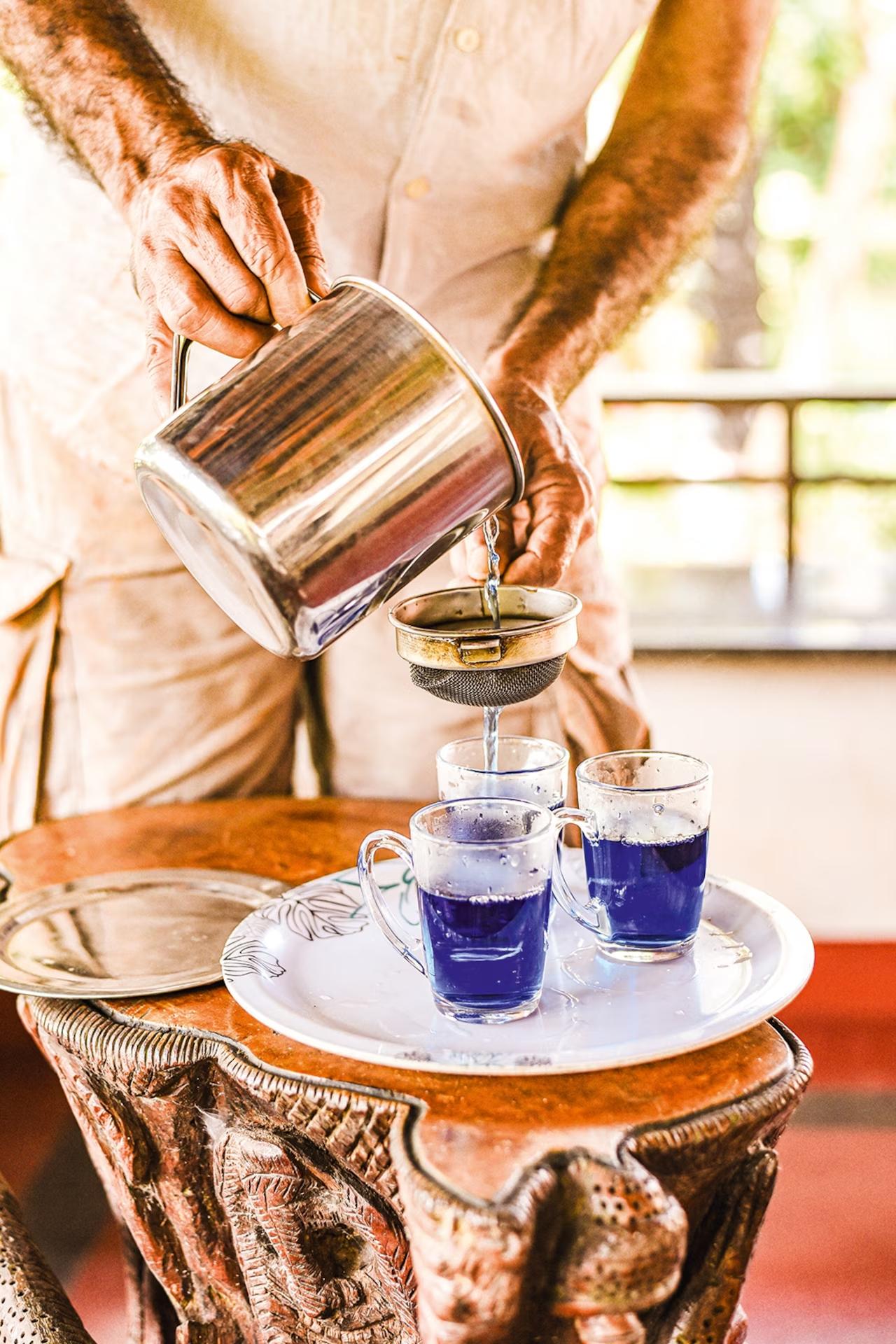
The following day, driving towards the coast, we stop by Thonikadavu village for lunch at Greenhills homestay: a jewel box of forest ghost flowers and swallowtail butterflies perched high above the Payaswini river. Owner Rathnakaran Nair, thin as a mango trunk, hands us cups of blue tea infused with lemongrass and butterfly pea flowers, then guides us onto a wooden deck, where his wife Soumya is flipping chapatis over a stone oven. Sitting above a valley of swooning palms, we eat the flatbreads hot off the griddle, dipping crispy fragments into the array of curries, curds and chutneys being laid out on banana leaves before us. “Sadya,” Rathnakaran explains. “A festival dish here in Kerala.”

Every flavour I come across — wild basil, turmeric, allspice — Rathnakaran later points out growing tall and fine in his garden. It’s remarkably lush. Across northern Kerala, a combination of pollution, deforestation and climate change has critically lowered water tables in recent decades, but Rathnakaran’s lands are as verdant as they were 50 years ago. By way of explanation, he guides me into a suranga: a sarcophagus-shaped tunnel used to collect the underground water percolating through the laterite hills around us. I feel my way through its labyrinth of narrow chambers to the source of Rathnakaran’s Eden: a porous eyelet of rock dripping beads of pure, silver water. It’s hard not to think of Sita here, her tears enough to fill an entire river, and begin to understand why gods and water so often intermingle in Keralan folklore. “Water is life here, so it’s only natural that people start ascribing it a mythical power,” Pradeep says. “If a river dries up, you know you’re not long for this world. Maybe gods are a way of communicating some of those fears.”

That afternoon, we find ourselves overlooking the final destination of the surunga’s mineral-infused waters: Erikkulam, a small village perched at the confluence of streams in the coastal Kasaragod district. Arriving on its outskirts, we wander towards a great bowl of clay-rich rice paddy. Nearby, a father and son are spinning cooking pots beside a great earthen kiln, brows furrowed in concentration. “The people here have been harvesting this clay for pottery since neolithic times,” Pradeep tells me. “Every year, on 16 April, they’ll light lamps and head out to pull it from the fields. They’ll then replant the paddy, leave it to fallow and wait for the rivers to inject their nutrients. It’s all one big cycle.”

Image
Image
Image
Image
Various waterways connect Kerala and its most ancient sites of worship Getty Images

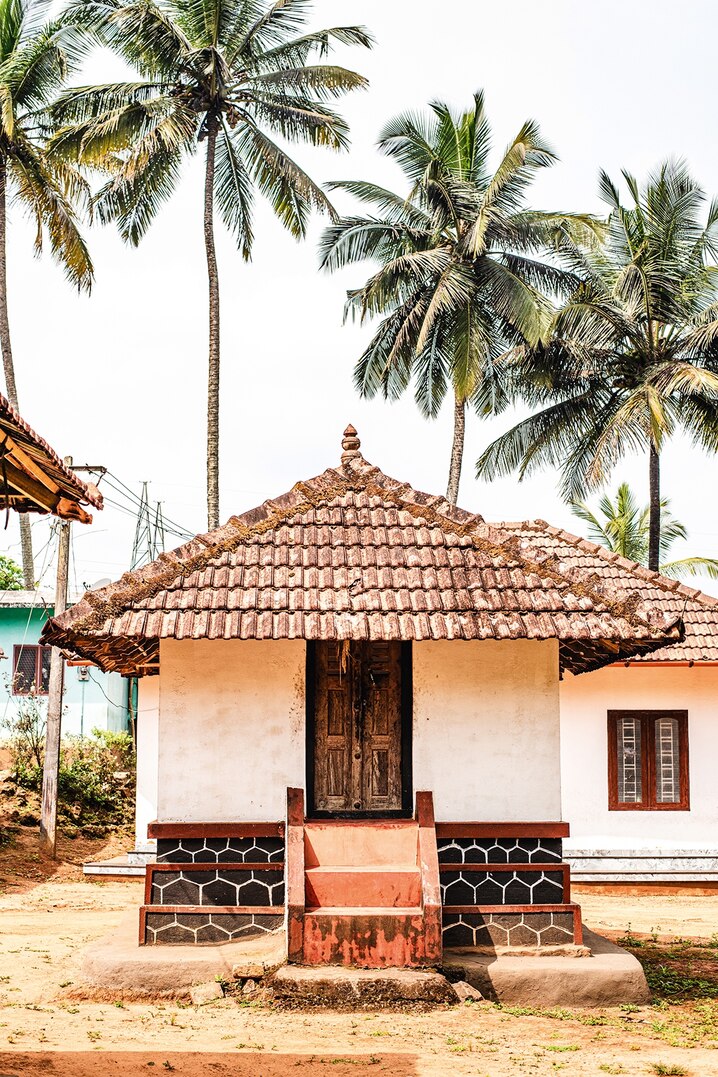
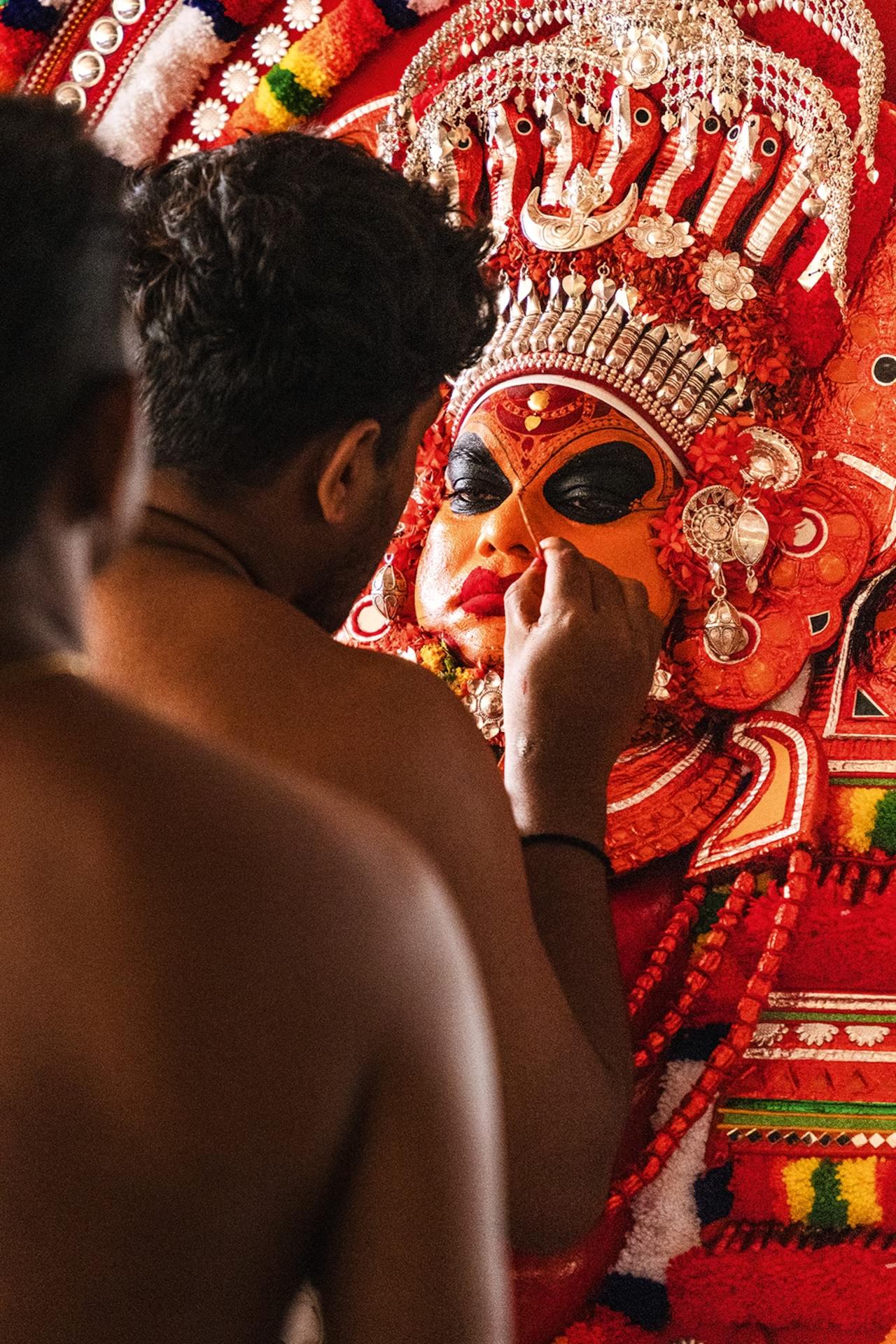
The man set to introduce us to this spirit is local teacher Ratheeshkumar Kizhake Veetil, who we find outside Erikkulam’s main temple dressed in a milk-white mundu robe. Walking through plumes of incense, he leads us to Vettakkorumakan’s shrine: a blood-red sanctum set below the branches of an elengi tree. “Look inside,” he says. I peer into the shrine, half expecting to see Vettakkorumakan, bejewelled and clutching his hunting bow, staring back at me. But he’s not home. “In most parts of India, the deity’s spirit is said to be concentrated in an idol,” Ratheeshkumar explains. “But here we say the gods are fluid, always moving through the universe. They can enter the soil, the animals — even humans.”

Pradeep’s own story is clear just by looking at his wrists. On the left, he wears a faded silver bangle that gives him the air of a holy man; on the right, a GPS-enabled watch. Half philosopher, half adventurer, the guide’s spent as much time exploring Kerala’s wild places as he has meditating on the divine. “There’s this great quote,” he says, as we amble towards the main temple.

Image
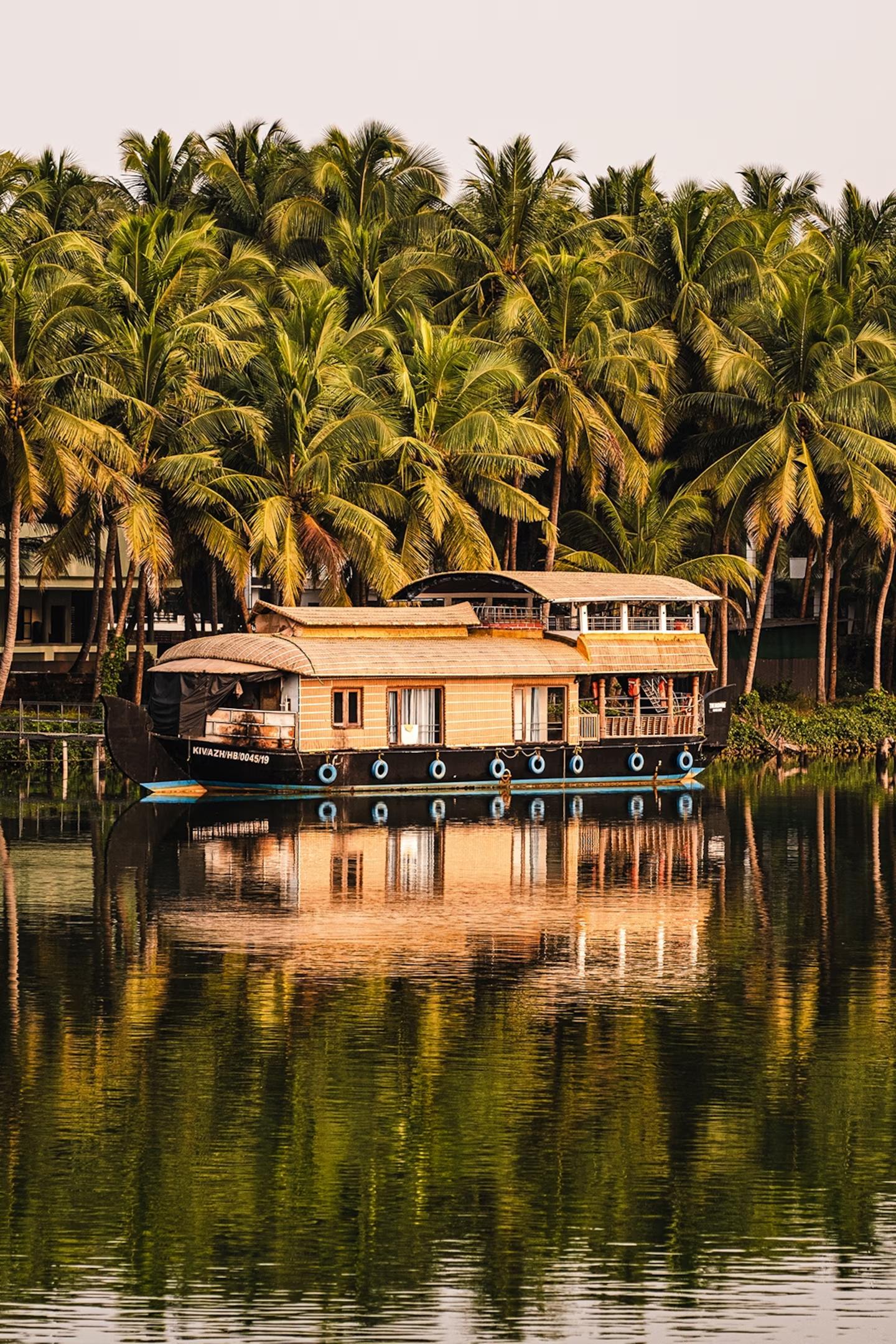
Boat House - Allepi, Kerala Getty Images
Image
Various waterways connect Kerala and its most ancient sites of worship Getty Images
Join Our Newsletter

We're making your inbox interesting. Enter your email to get our best reads and exclusive insights from our editors delivered directly to you.

More Articles