29 Jul 2026 read
Wedding designer, Devika Narain on designing personalised celebrations in a world determined by excess
Local craft, culture-forward narratives and lived experiences shape the wedding designs by Mumbai-based planner, Devika Narain
29 Jul 2026 read
Local craft, culture-forward narratives and lived experiences shape the wedding designs by Mumbai-based planner, Devika Narain
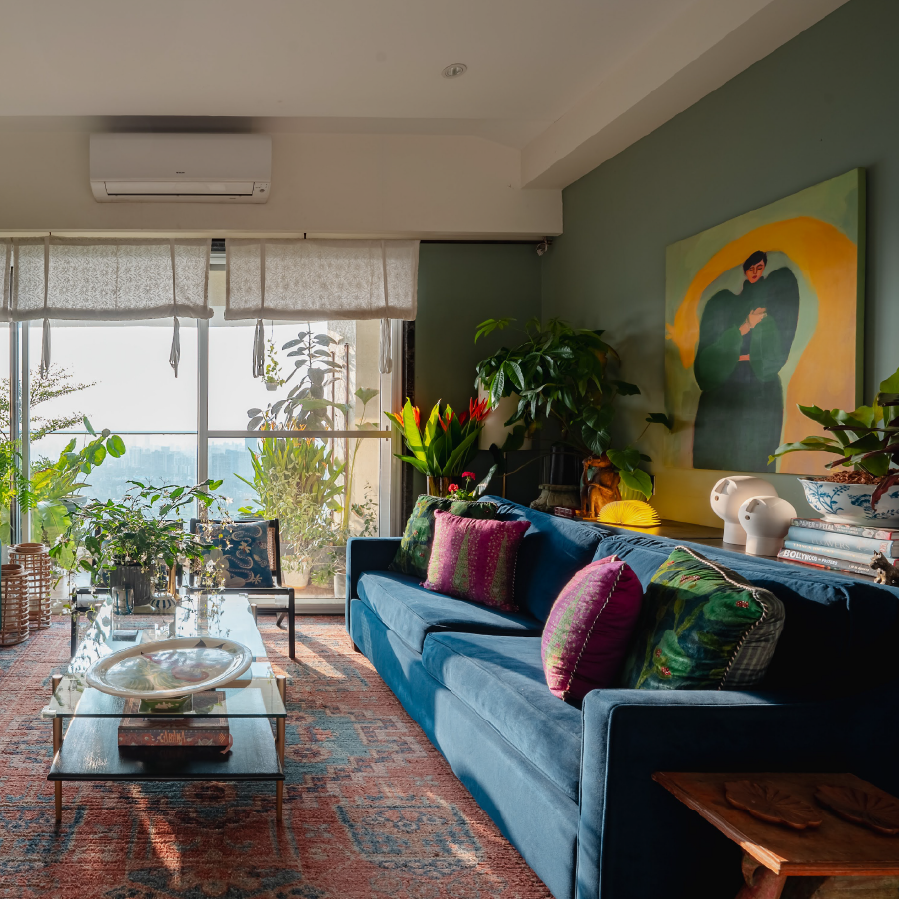
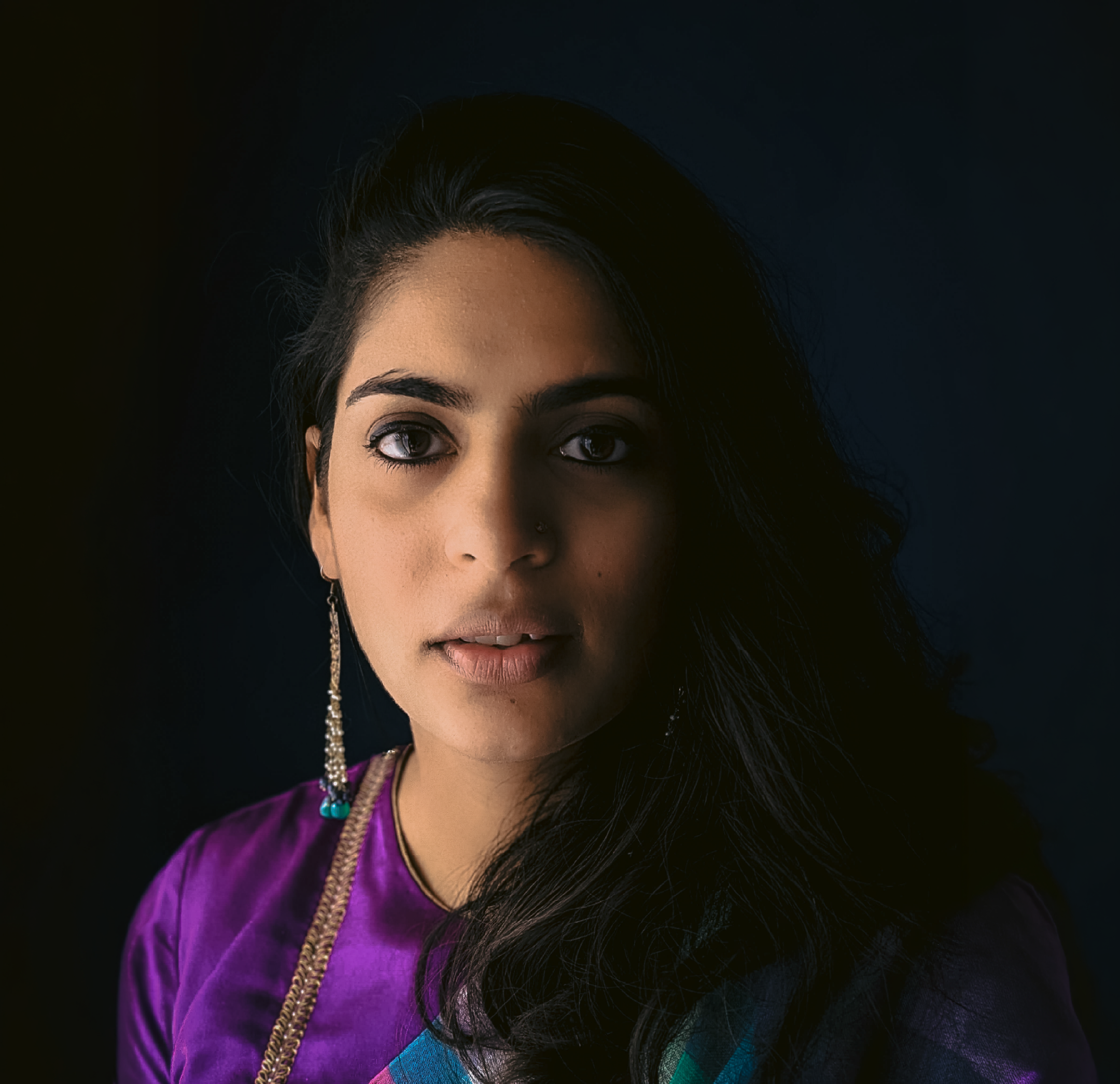
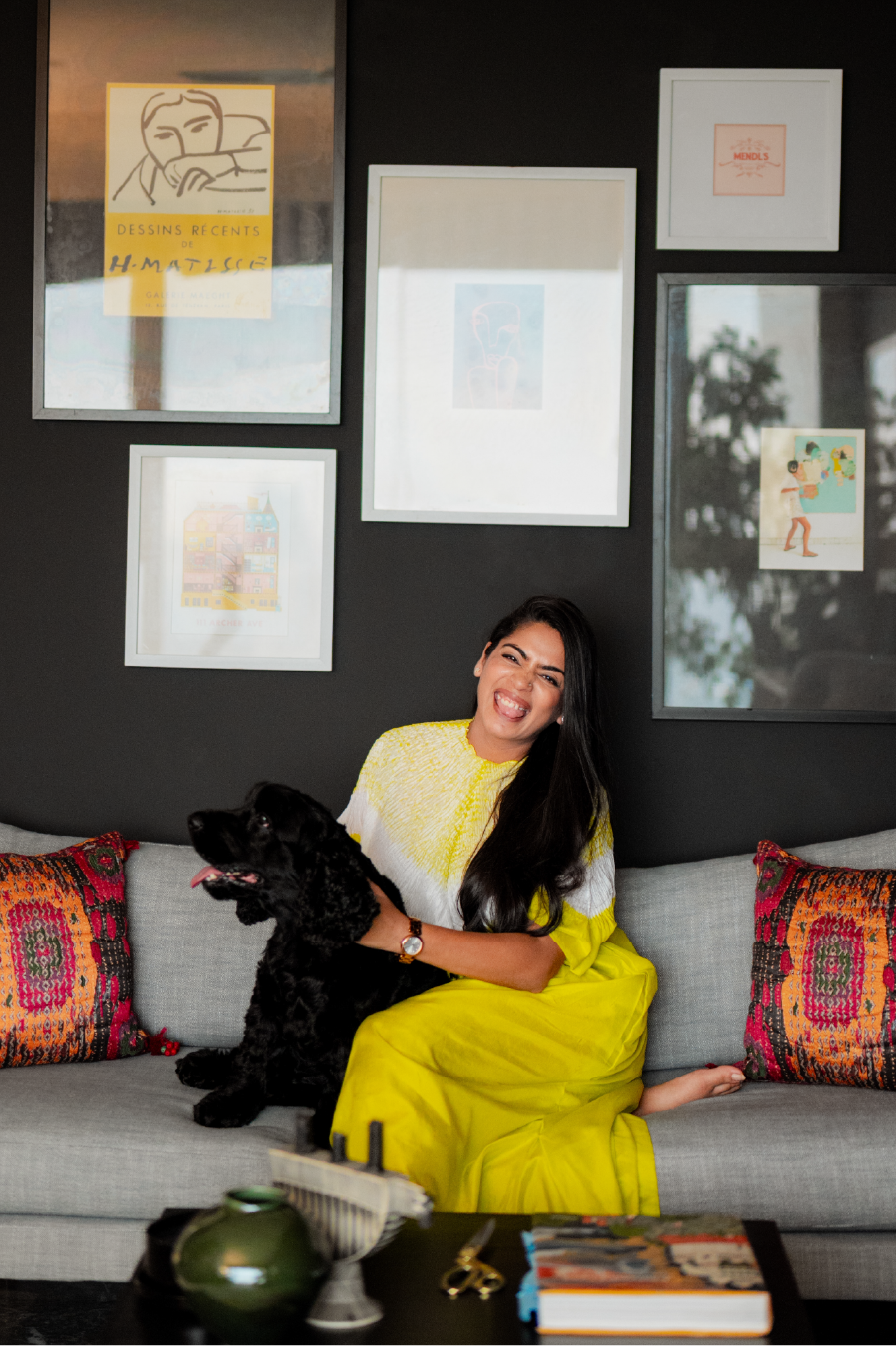
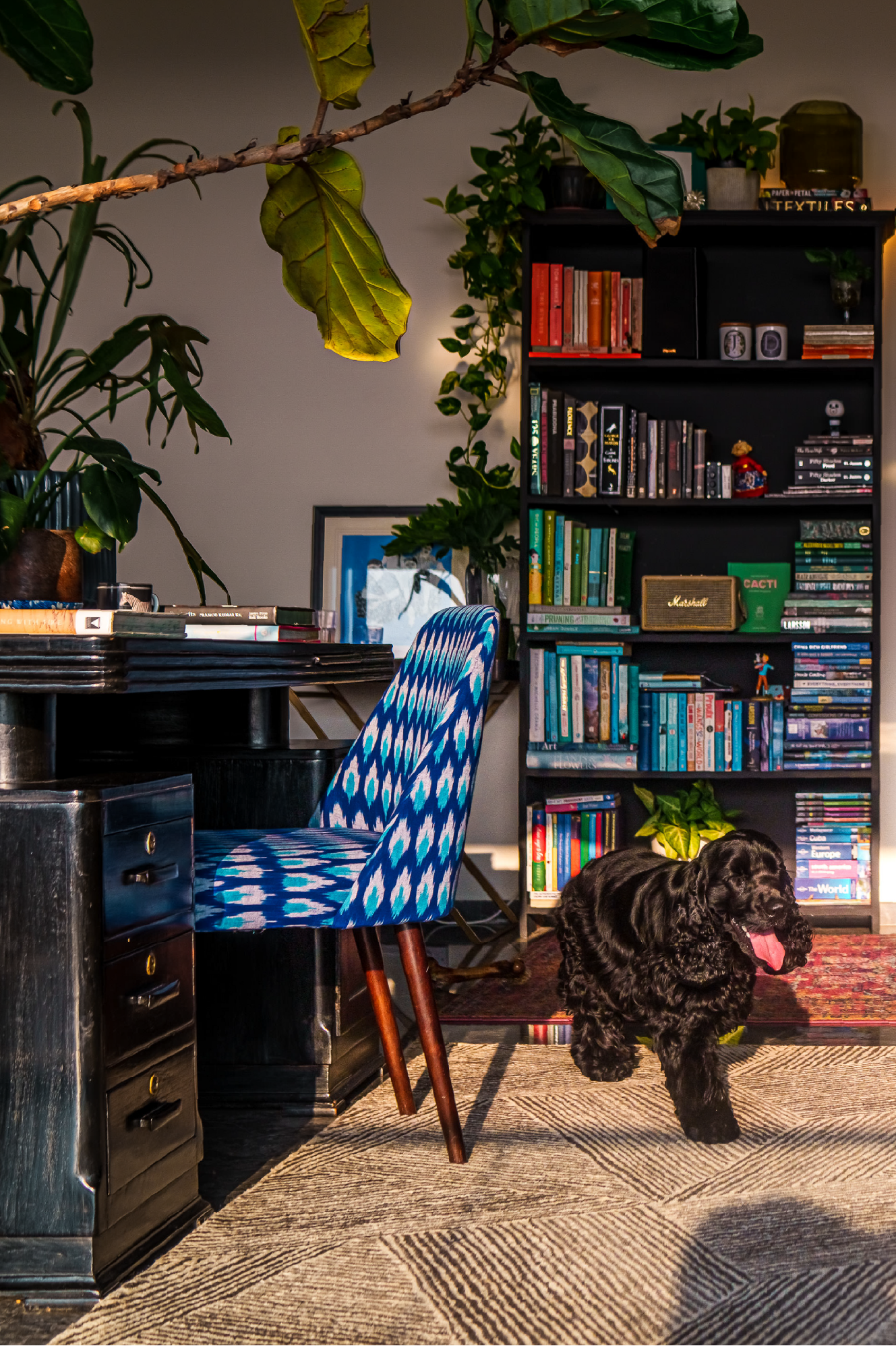
There’s a flurry of activity mostly centred around lunch as I walk into Devika Narain’s Mumbai studio. “We have all just come back from a week-long hiatus,” smiles Devika as she settles in on the couch in front of me while mentally skimming through her brimming calendar. Much like the weddings she designs, her studio is warm, bright, bold, and full of stories. A vibrant green box, her space is as luscious as the mangoes climbing on the wallpaper that covers one side.
A mirror into her world, it has a little bit of everything – a book on Capri by Assouline, a decorative mask she picked from her travels, a few Channapatna objects, and plants, lots of them. “I have the best job in the world,” says Devika as she spots me taking in the thoughtfully curated space that envelops us. A long-time patron of Ikai Asai, and a craft enthusiast, she describes the many pieces she’s collected over the years that now adorn her home. She believes everybody should have a little bit of beauty in their lives. “It inspires you to be better, and with it comes an incredible quantum of empathy and joy. And I'm the biggest propagator of the thought that everything that you use every day should be infinitely beautiful,” shares Devika.
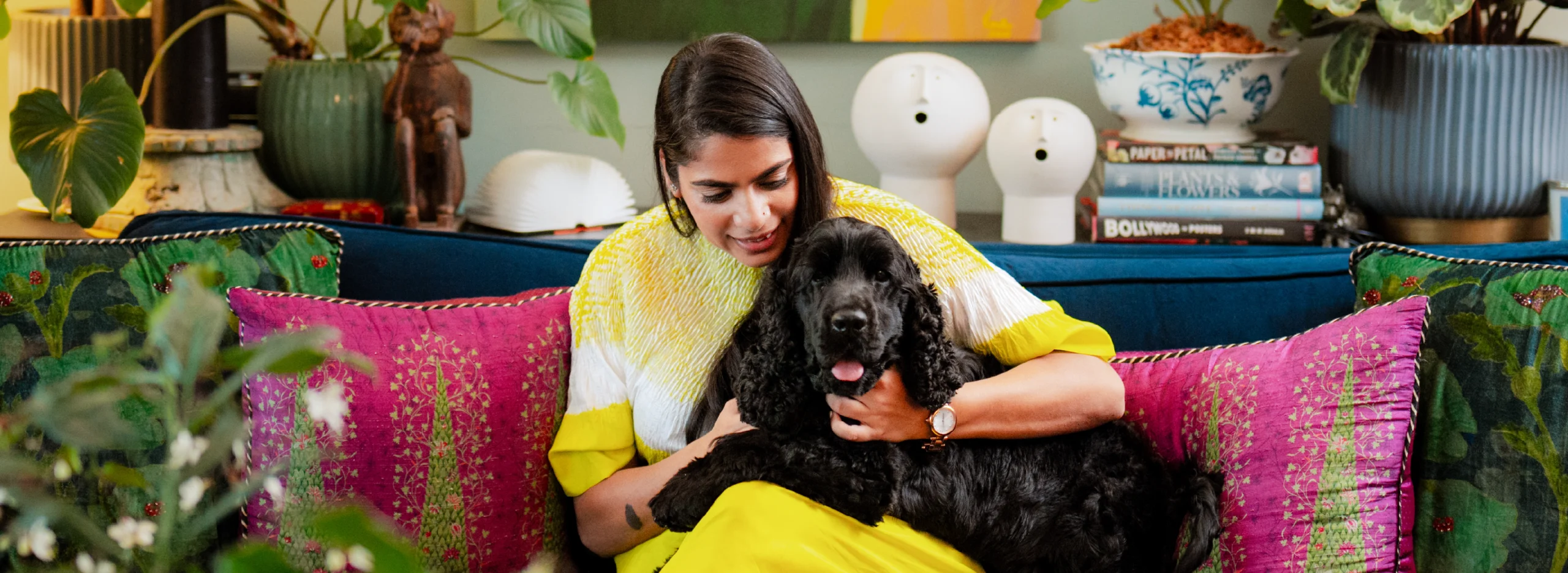
Devika grew up in a large colonial house in Lucknow, where the routines and rituals were marked by changing seasons, the constant arrival of friends and family, and unending celebrations, even if sometimes, they were only because the national cricket team had won a match. She speaks fondly of her early years, “My grandmother is possibly the most stylish person I've ever met. She belonged to an era where the evening chai was served with tea cosies at sharp five o’clock in the evening where she would turn up in a crisp saree, pearls, matching lipstick and jewellery. A simple, yet beautiful, classic style.” Devika remembers a rather amusing birthday celebration, a party her mother threw for her, where everyone was turned up like a bride. “I think at that point, my career should have been decided,” she laughs.
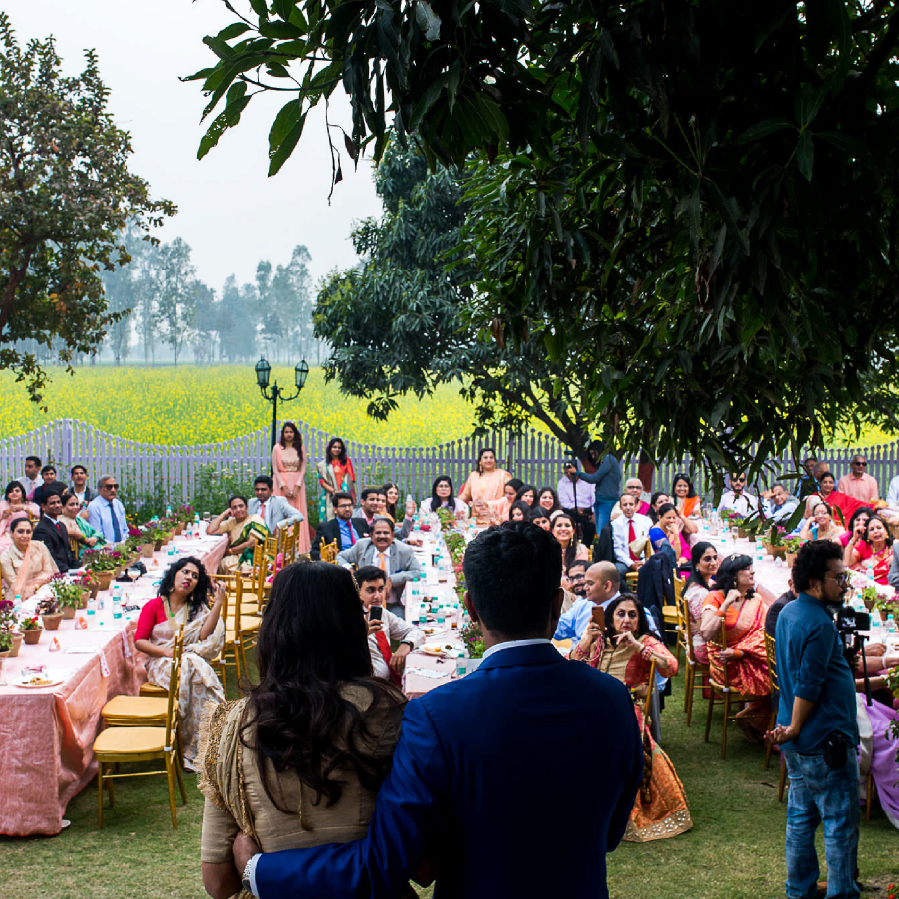
Today, she is undoubtedly one of the most sought-after wedding designers in the country. And a lot of it stems from the fact that in a country obsessed with mega weddings, she was one of the first to focus on intimate, hyper-personal, detail-led celebrations. You will often find her scouting art galleries, craft centres and historically significant architectural monuments for inspiration. Working closely with craftspeople from across the country has altered Devika’s perspective. She believes they are artists first and makers after, and don’t need championing, and that with the right kind of patronage and visibility, craft will be a great leveller in conversations around culture.
As a protagonist of bespoke weddings, and as a key part of an industry driven by excess, she is mindful of how she approaches her work. “I think the question we always ask ourselves is where are the things coming from and where are they going to go to at the end of it?” says Devika explaining the simple ethos the team swears by. There’s a circularity in which they operate. The flowers decompose into soil, pieces made for one-time use are sent to vendor warehouses to be recycled for other celebrations, while a solid waste management process allows for careful disposition of other materials.
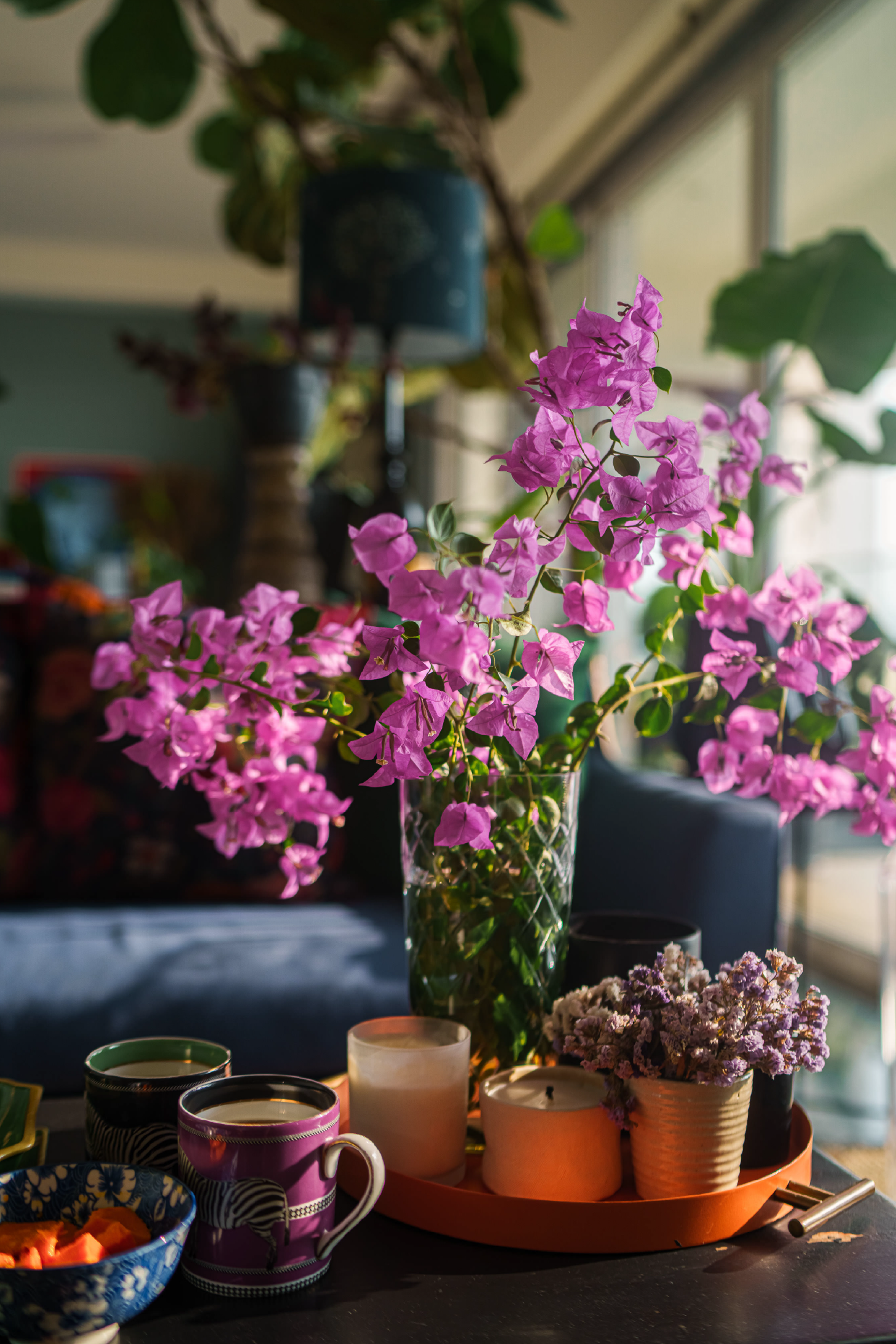
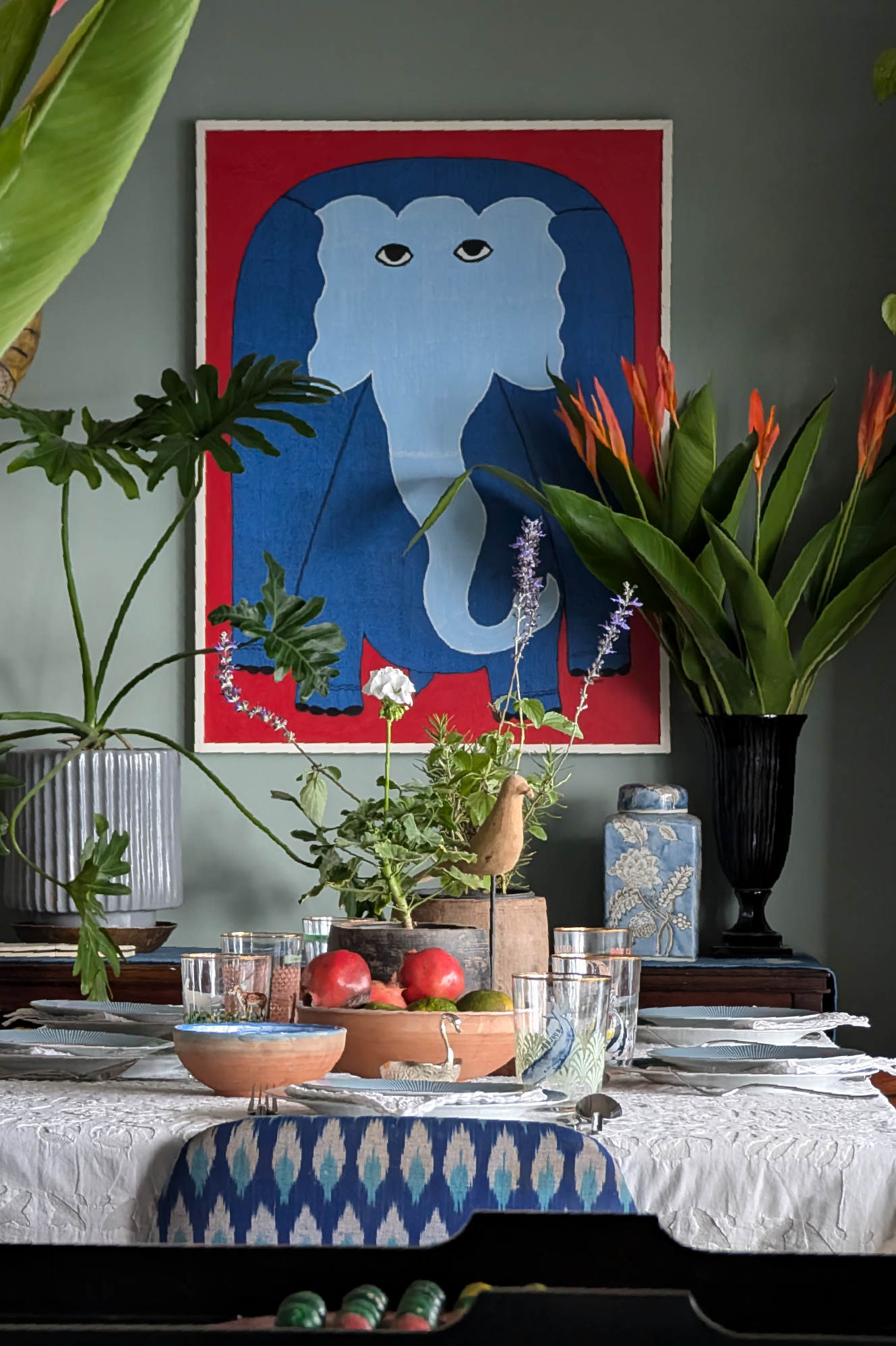
A firm believer that good design is empathetic design, she views her job as that of a provider first and an artist after. Stepping into the role anywhere between 6 months to year before the big day, she focuses on a multi-layered sensory, sustainable experience through an exploration of materiality, colour, craft, and an intuitive understanding of traditional and contemporary elements. “I get to design what is perhaps the most important memory in someone's life and because it's spread across just a few months, you end up sharing their lives for that short amount of time – where feeling is magnified. And I think that'll never stop being exciting for me,” says Devika.
She's grateful to be able to do a multitude of things, from designing weddings, cafes, celebrations - each interconnected in their own way. “It's not essentially a skill thing but a matter of perspective – I want to create a beautiful world in what I do. So, whether it is a park, someone's home, a room, an evening or a table, to me, it’s all the same, and they need to bring people together,” she says.
Comparing design to a giant soup bowl, she feels if you can design a space, then you can design a chair too – you just need to get your base right. “To me, it's all art. Big or small, it is all about problem solving,” she says. On one hand she finds joy in the ephemeral, in the very transient nature of her work, “I don't ever see my work age. I never see decay. It's in its prime for that one evening,” while on the other end, she is inspired by the Renaissance man who could do everything looking to create something more permanent, “If you ask me, some day in the future, I want to design cities – I don't think there's a defined plan for it. Yet everything seems to be moving in that direction for me,” she signs off.