To say Shama Pawar had an unconventional upbringing would be putting it mildly. Born in Pune to Madhav and Meenakshi Pawar, Shama and her brother knew early on that privilege came with responsibility. Enrolled in Vimlabai Garware, a local Marathi school in Pune’s Deccan Gymkhana area, they would walk the distance to and fro on regular school days while spending their vacation in New York city spending much of her time acting operas, taking up voluntary work and studying locally. The nomadic summer days in New York were a contrast to the ones back home in Pune watching the changing skies over the Parvati temple hills. “We were often sent to our farm to pick up guavas and sell them because baba, (as she fondly called her father) wanted us to know what it is to be a child without privilege because he didn't want us to be disconnected from the real world,” shares Shama. The paradoxes didn’t end here. Growing up in a home surrounded by beautiful bronze artefacts, a Gandhian mother, who spoke French, did beautiful embroidery, and a father, though a metallurgist and an oenophile teetotaller who took the grape growers from Maharashtra to France, Shama understood quite early on that simplicity and richness could go hand in hand.
She attributes a lot of her understanding of the world today to her baba, who gave her artistic disposition a voice by encouraging her to travel to France when she was just 14 years old. Her exposure to French art and culture nudged her into the world of history and design. Which is how her tryst with Anegundi in Hampi, a UNESCO world heritage site began. Previously known as Kishkinda, which the trust she founded is named after, this village in South India was home to the Vijaynagara empire. Though she came to Hampi as an artist, she increasingly found herself involved with local communities before totally committing herself to the socio-economic well-being of the people in Hampi. “It started with a hope to keep the dynamics of this inherited history alive because heritage is not really about a building but how do you keep it alive, meaning giving it life and purpose in the contemporary world,” explains Shama.
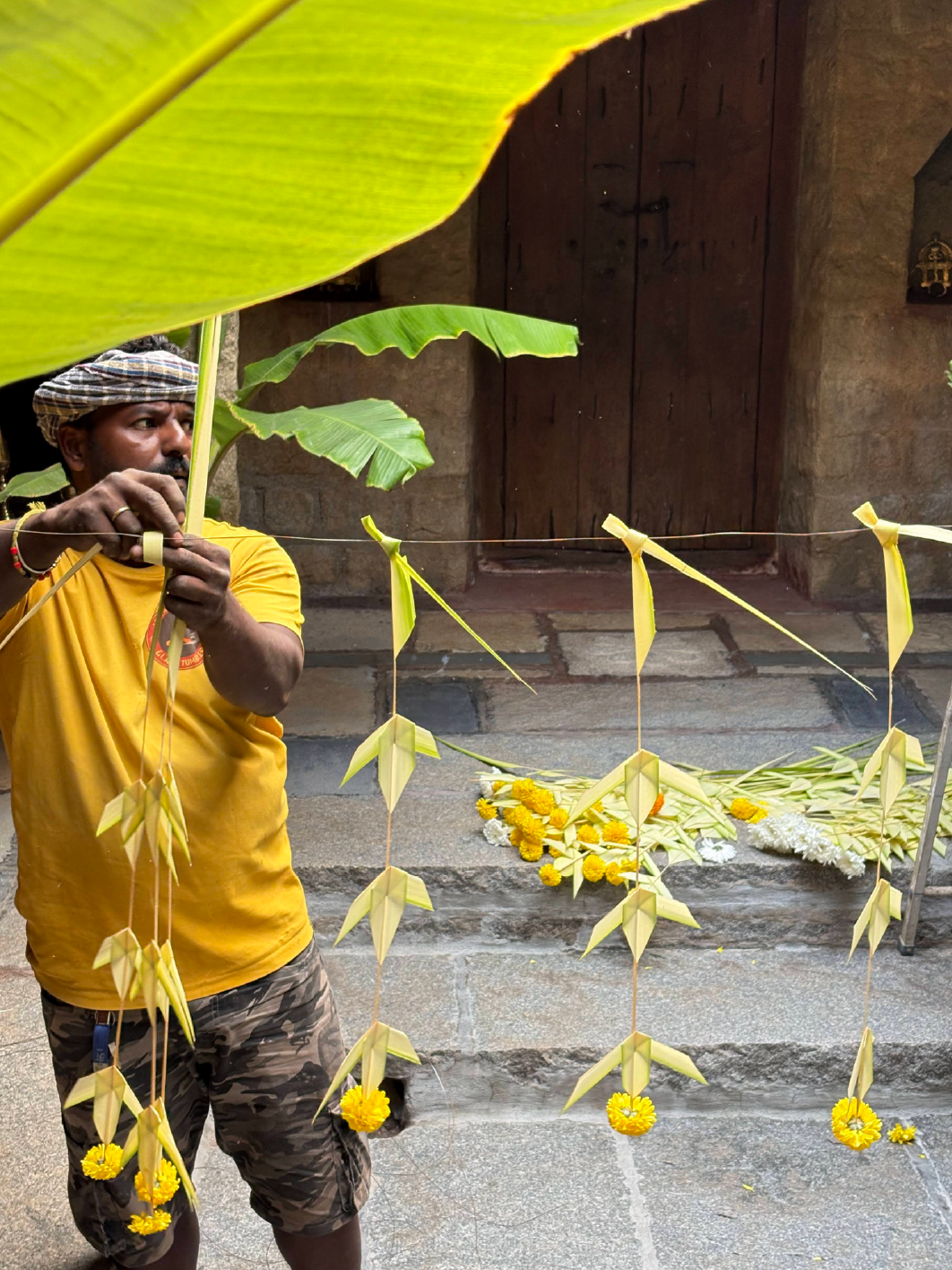
Tender coconut leaves along with marigold flowers crafted to create the traditional toran for a ceremony being put up by Hussain
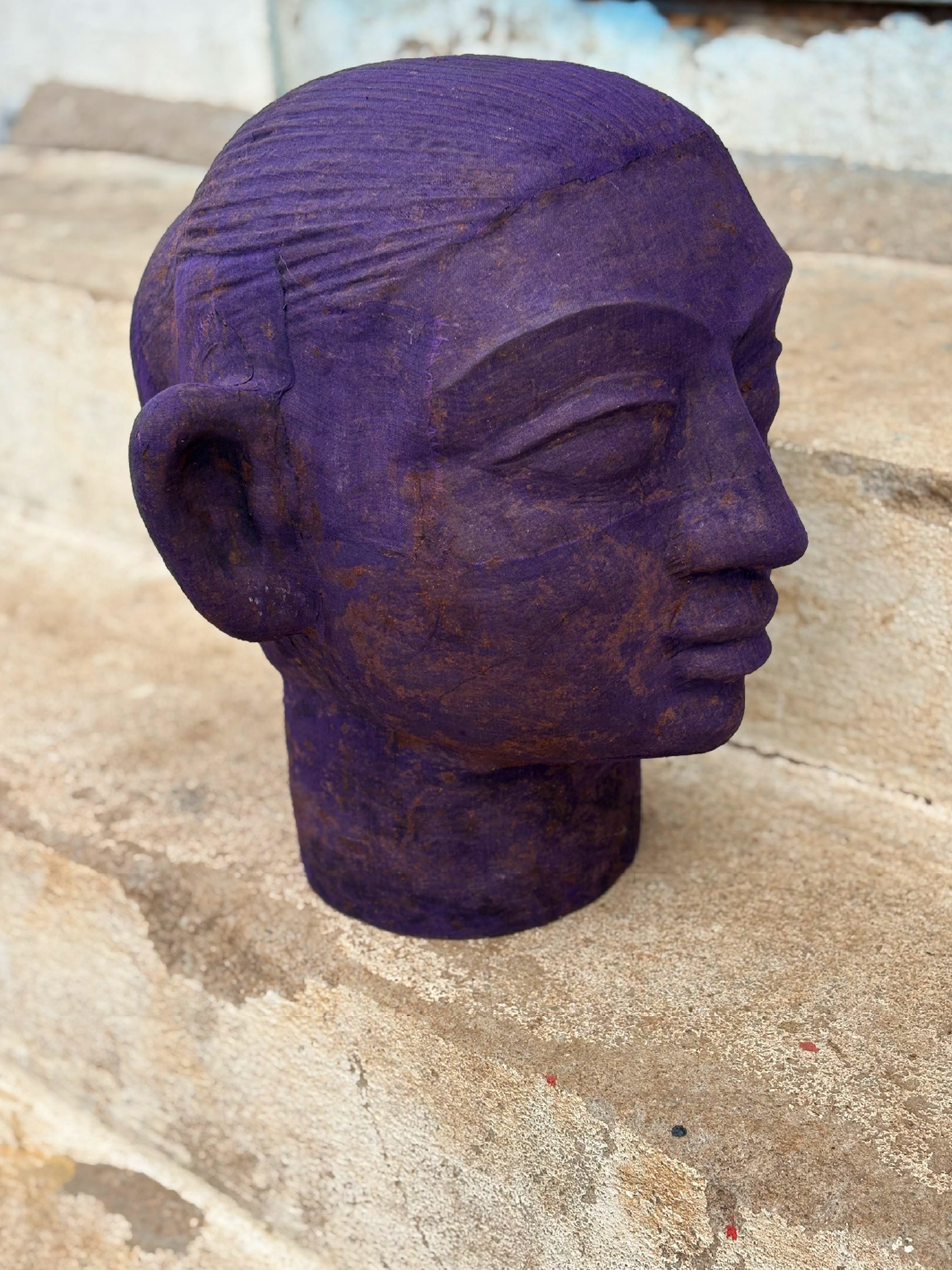
Wooden figurine made in Kinhal
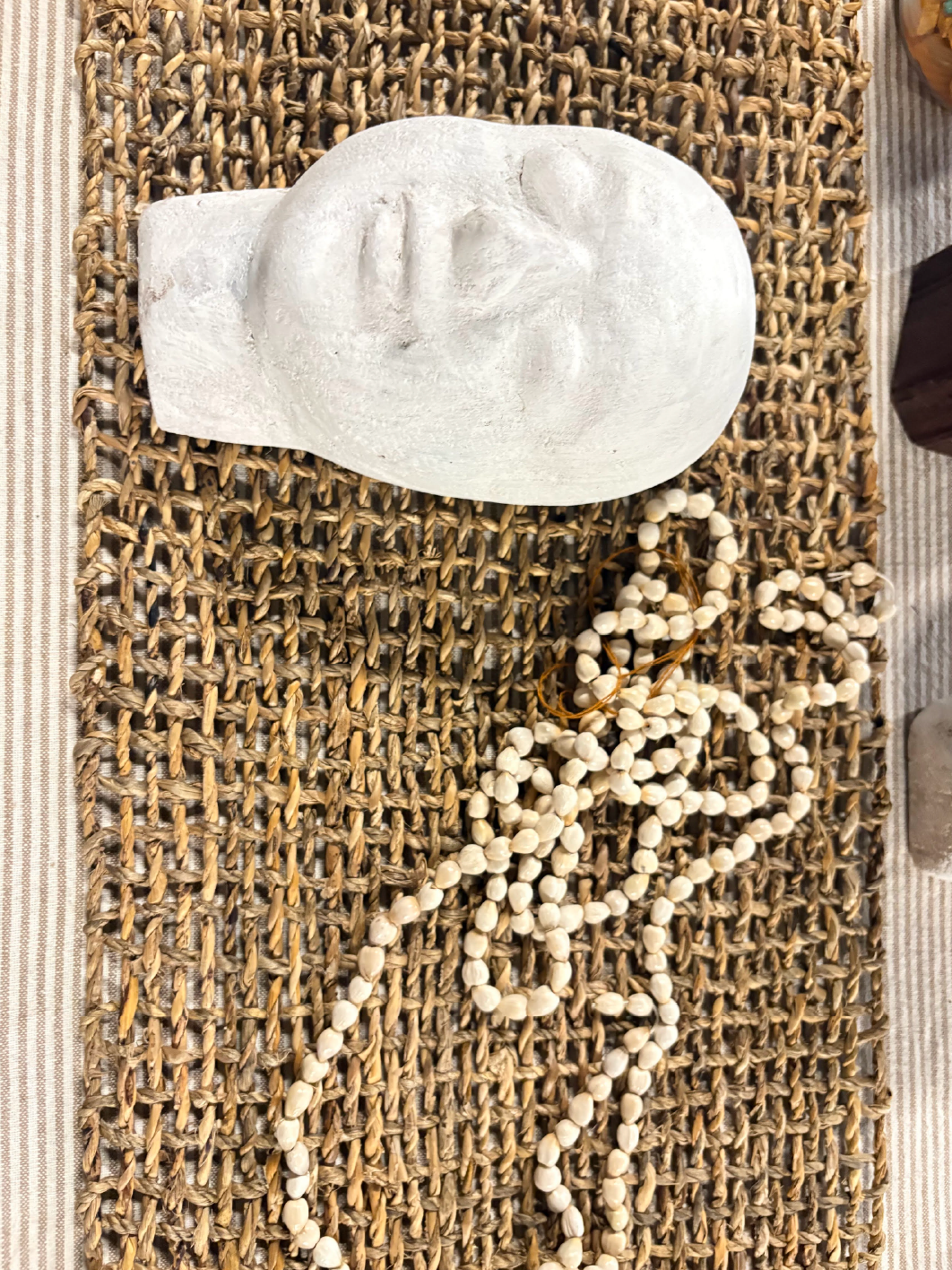
Made of natural banana fibre, the table runner from Handmade in Hampi is woven by artisans from the community in Hampi
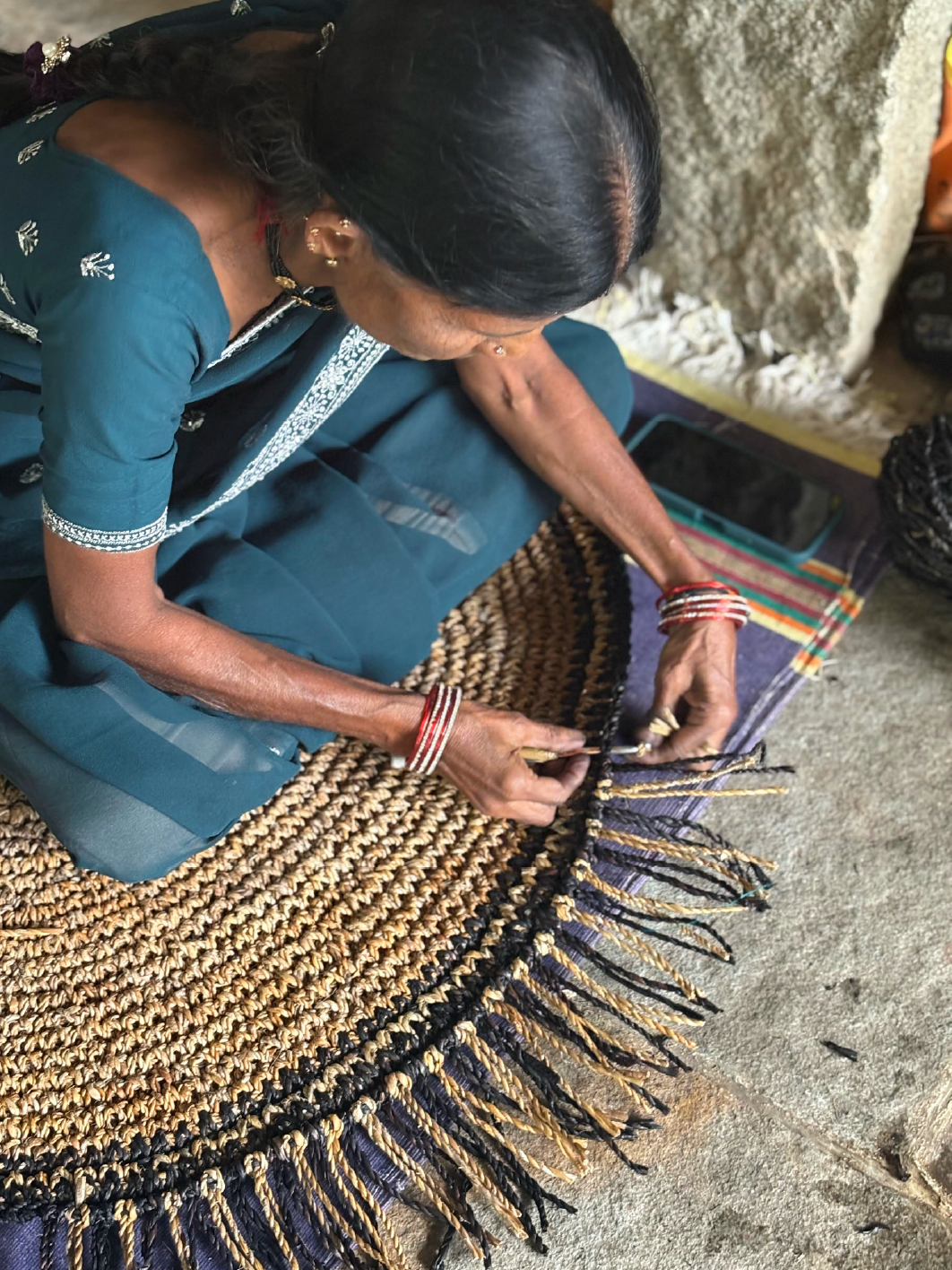
The weaver at Kishkinda working on banana fibre crochet
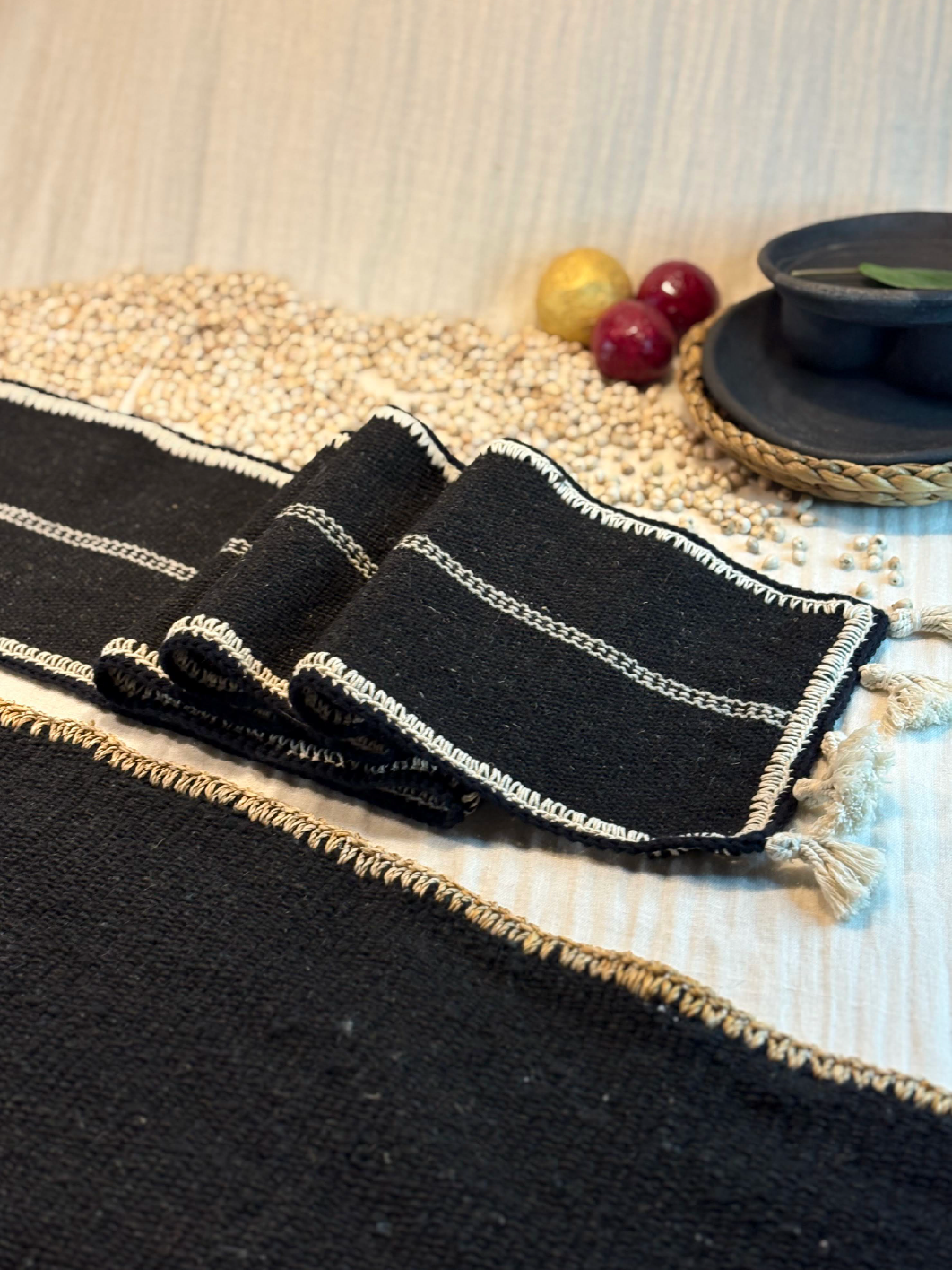
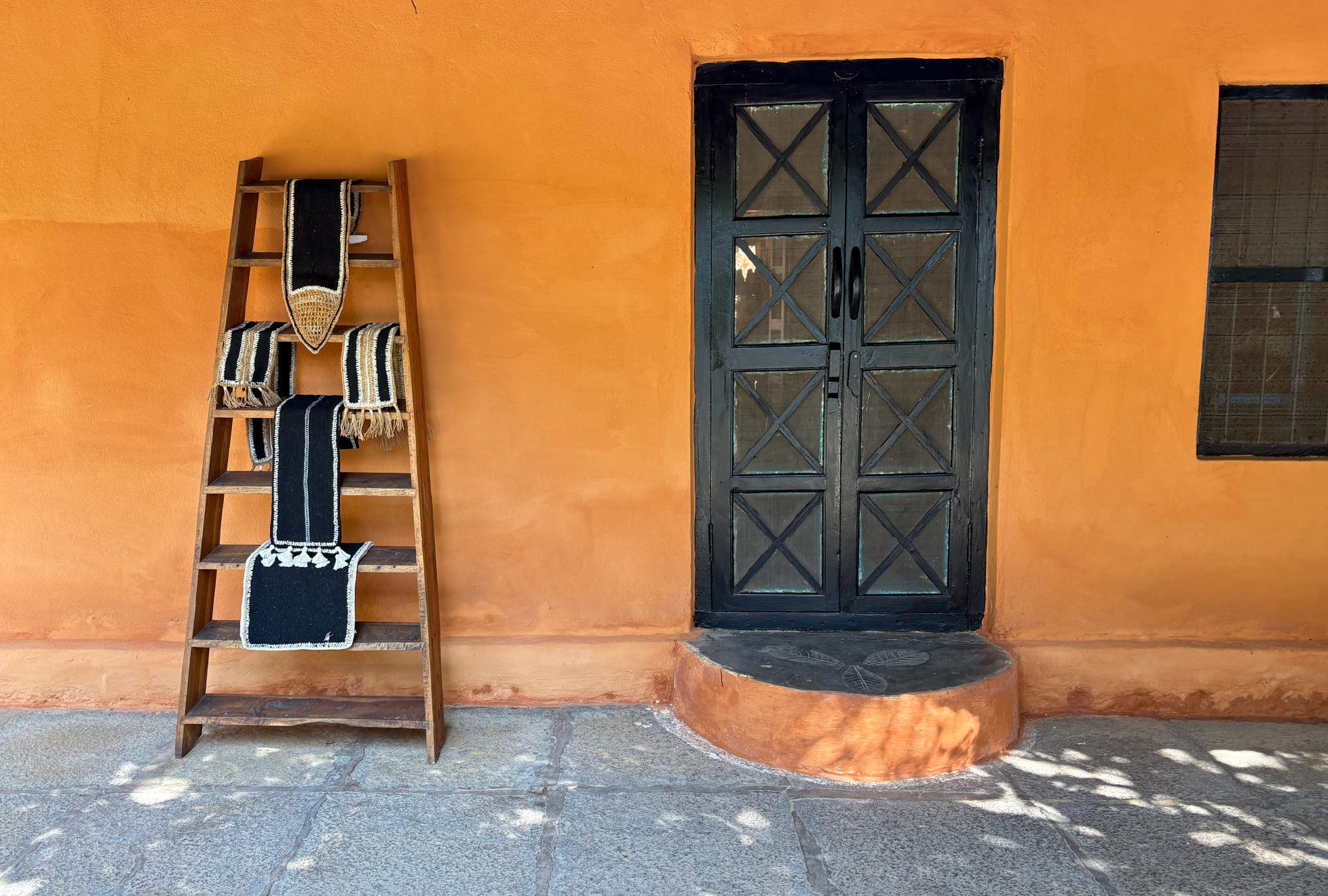
Kambli is a traditional, handwoven black wool blanket crafted by indigenous communities across Karnataka
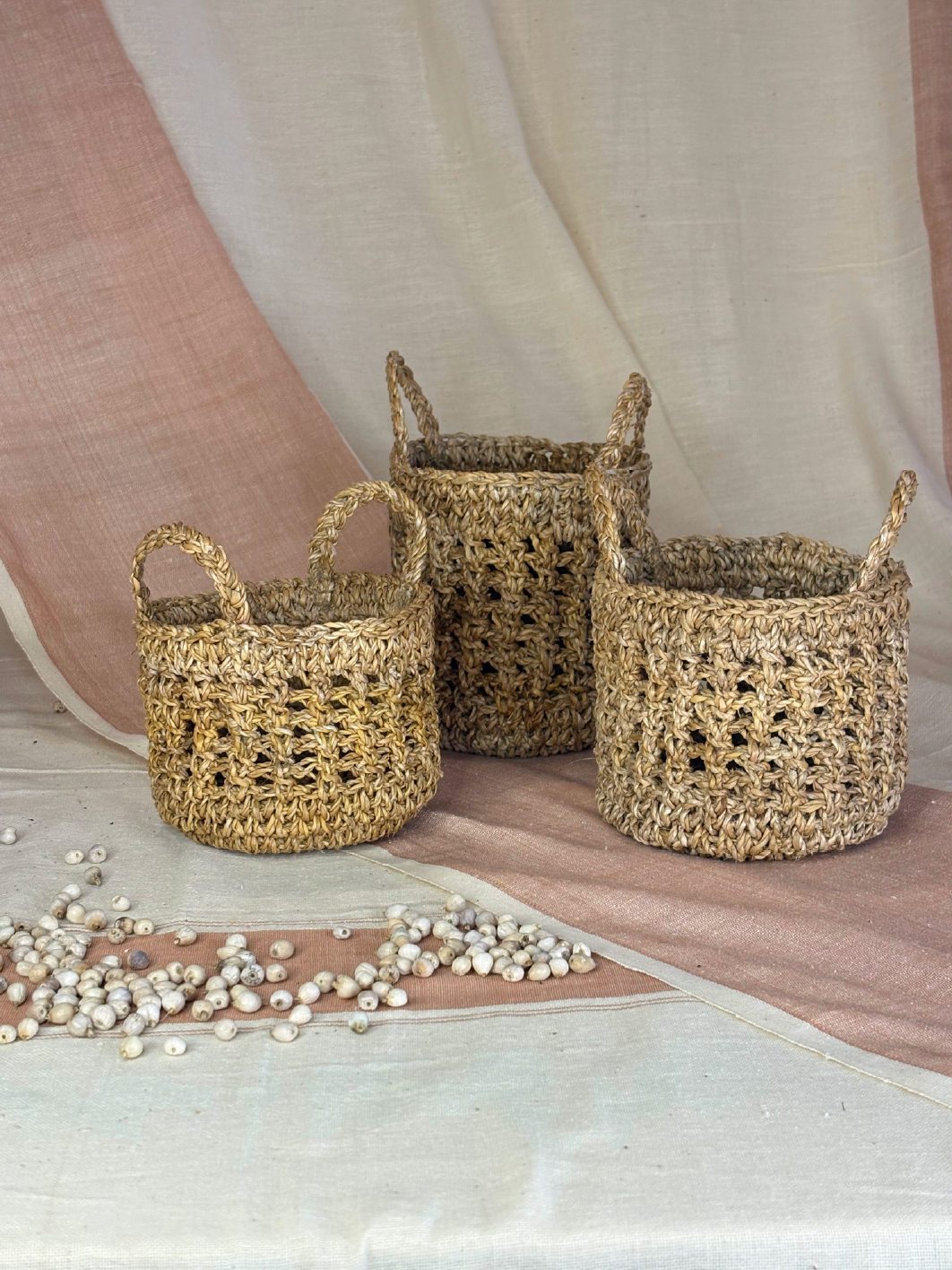
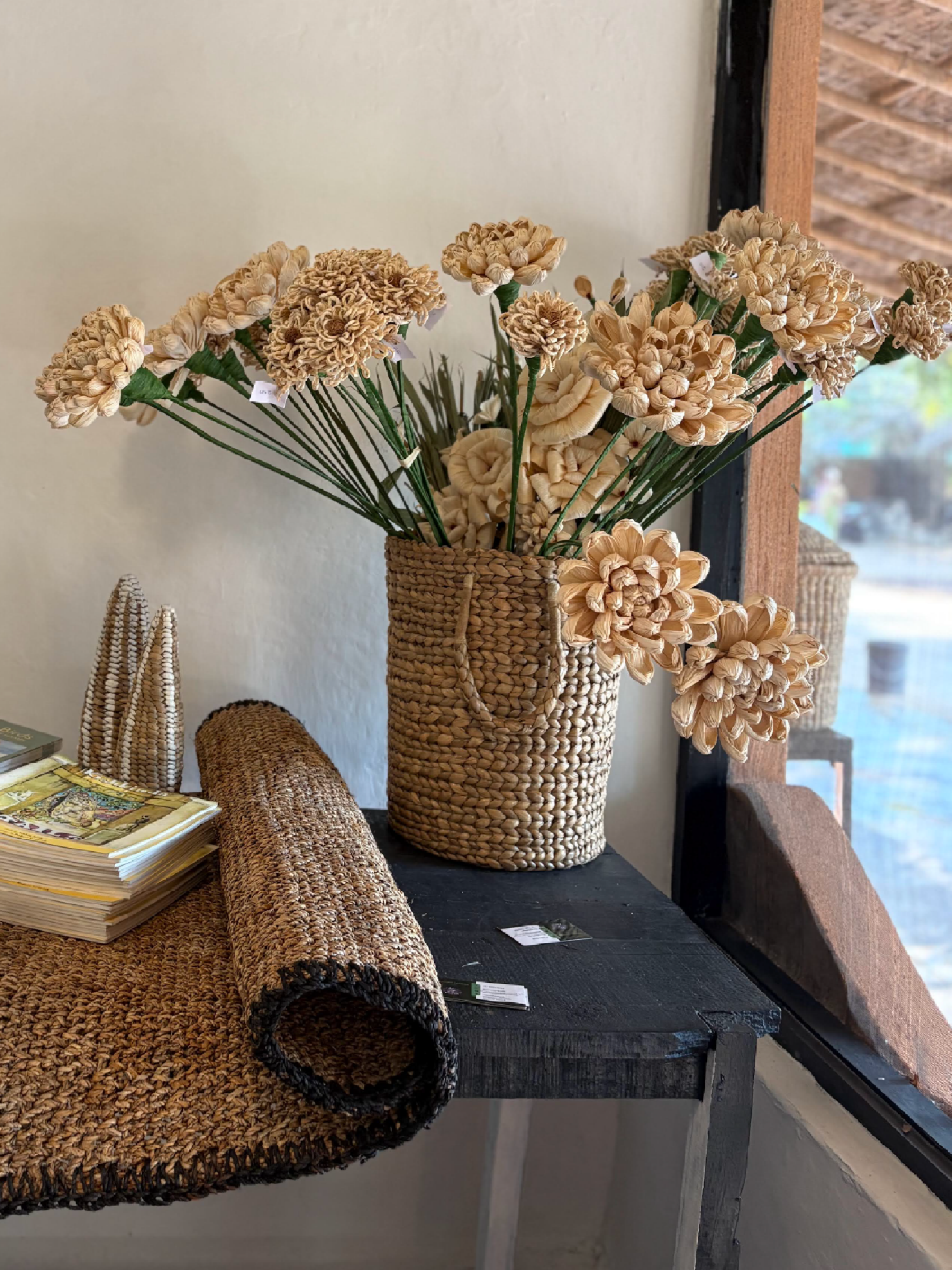
A selection of handcrafted pieces made from banana fibre from Hari Dharti
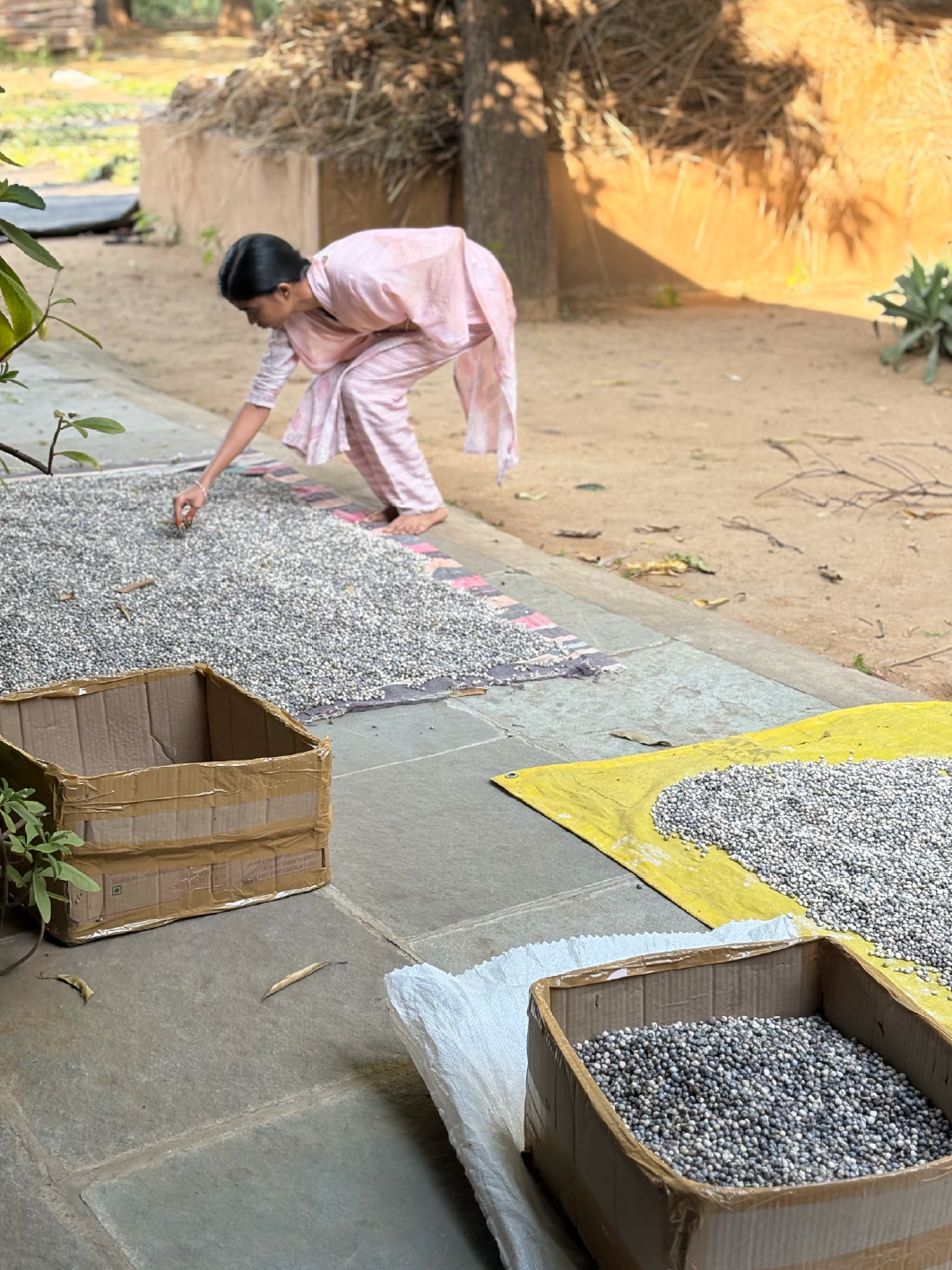
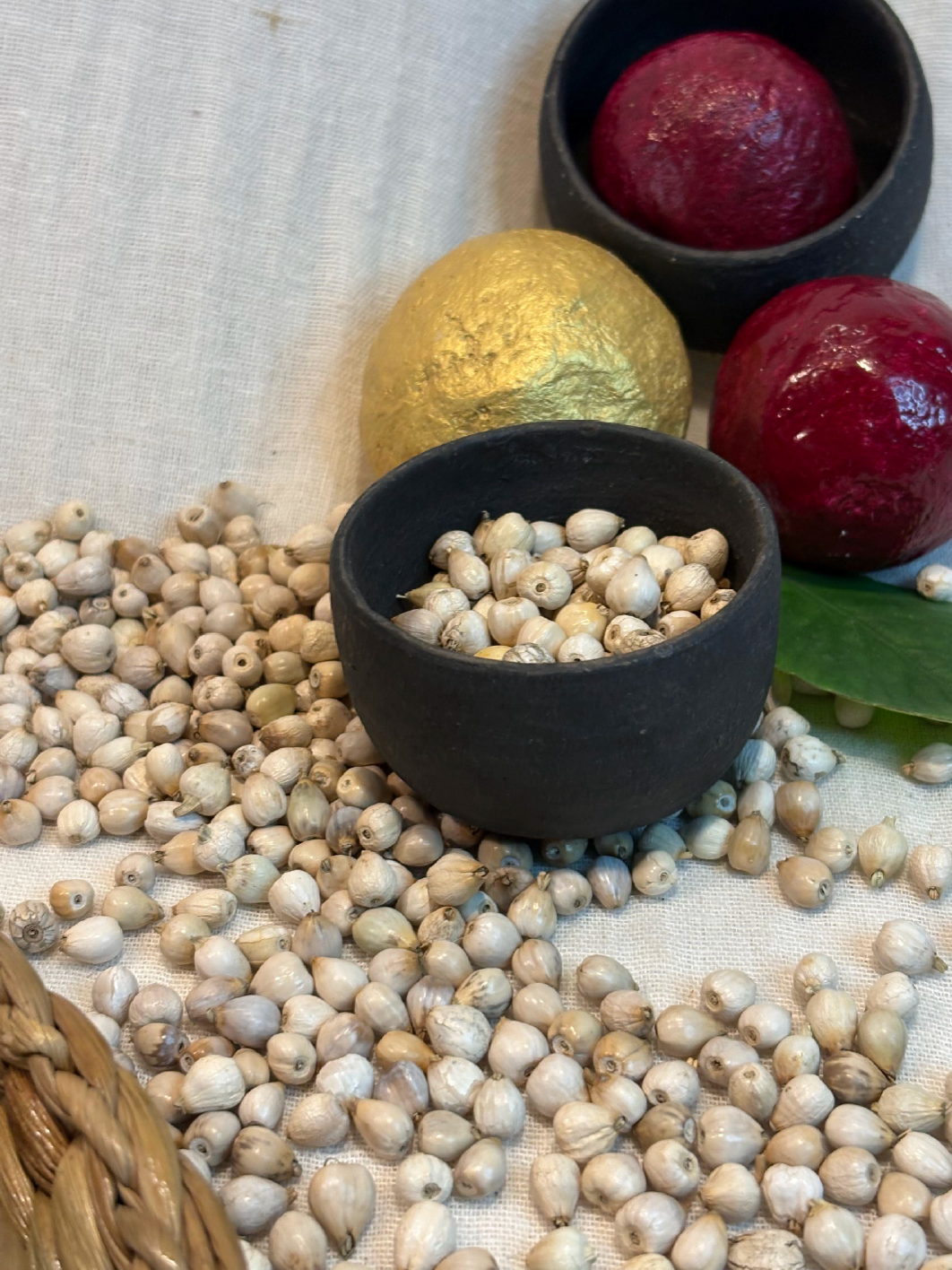
The naturally sourced Vaijayanti seeds are dried first, and later strung together to create sustainable, handcrafted accessories
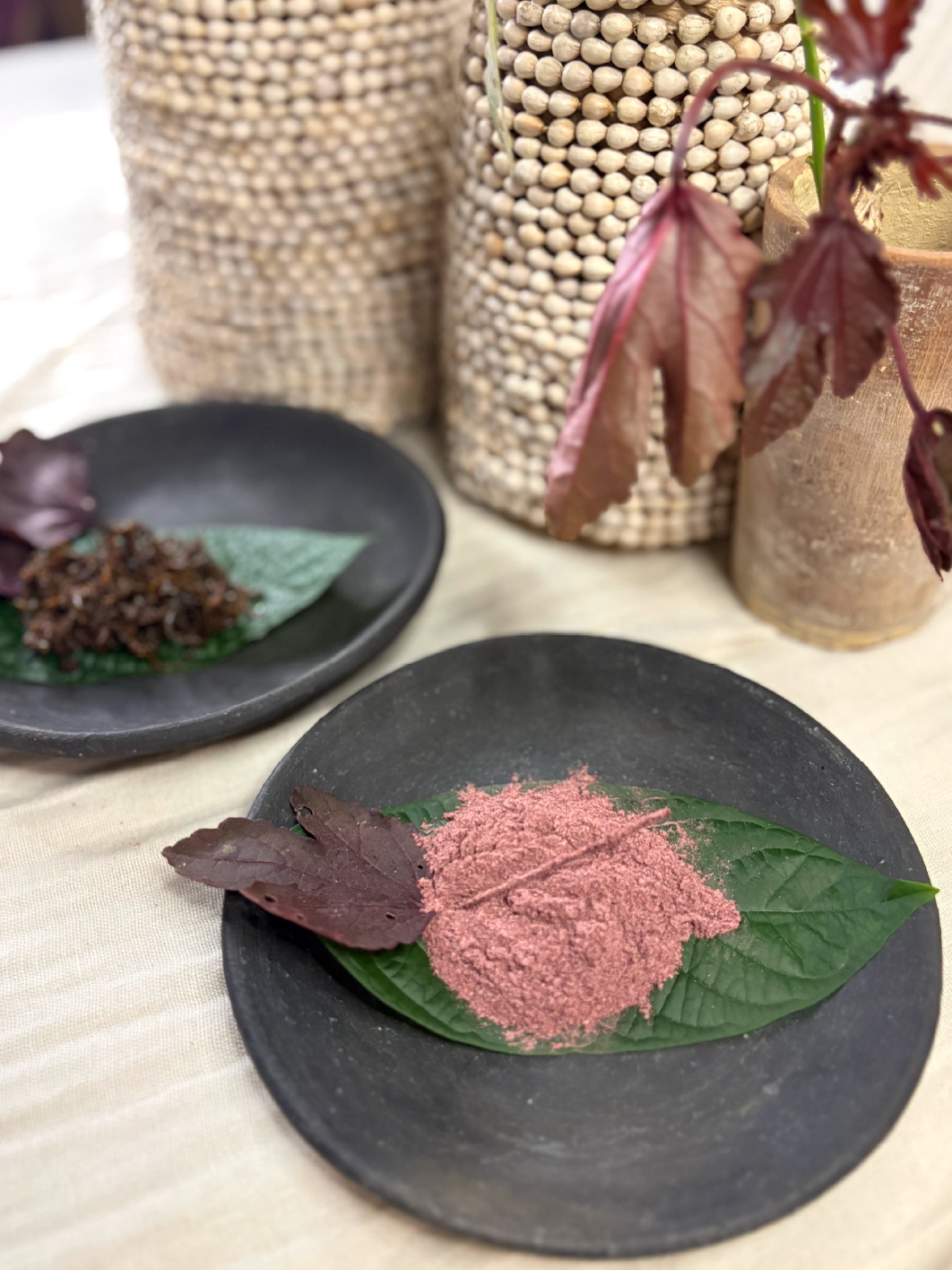
Gongura (sorrel) powder is often sun-dried methods helping preserve the tangy, sour taste
Local black pottery from Anegundi
Heritage, to Shama, is not stagnant, it is as much about regeneration as it is about the environment. Today, as the founder of the Kishkinda Trust and Convenor of the INTACH Anegundi- Hampi chapter, she is working at the intersection of the makers and the market with a focus on sustainable practices. “I'm working with the local community in the Koppal district in Karnataka, where the craftspeople make wooden statues used in chariots. This lightweight Pallakki wood is sourced from Shivani trees native to West Karnataka. However, today the craft is impacted with the limited availability of this now endangered wood. We need to consider whether we can afford to look at just the object in a silo or is it that the entire ecosystem around the craft, from the raw material to the artisan needs careful consideration,” she says.
A lot of her work initially involved gaining the trust of the community and finding meaningful ways of engaging with them. But she knew that for any long-term impact, she would need them to act like the stakeholders they were and take ownership. That is how the “Clean Streets” project came into being with a Rangoli competition outside homes to combat the practice of open defecation. Socio-specific projects are high on her radar for the impact they have on everyday lives of the people living there.
A lot of the conversation today around craft revolves around preserving a tradition. But unless there’s value in it for the community, it amounts to very little in her books. As a result, a lot of her work revolves around creating a mechanism – for the conversation and commodity. She doesn’t separate heritage, ecology and craft, for Shama, it is one interconnected practice and Handmade in Hampi is a very fine example of that. It brings together local artisans, farmers and women to create handcrafted pieces that borrow from traditional techniques. Hari Dharti, a collective supporting craftspeople working with sustainable materials like banana fibre and water hyacinth also operates under this umbrella. “One of the best compliments I have received is when a craftswoman said, ‘when we come here to work, we forget all our problems,’” smiles Shama.
Where heritage evolves The Cultural Industries Centre (CIC) in Anegundi
She believes the first step towards saving a craft is to future-proof it. Whether it is by contemporising it or making it economically lucrative, “the only way forward is to tell your story like you know it, and own it,” says Shama. At her studio, training for each craft-led vertical is limited to 50. Once it crosses that number, the group is encouraged to form their own business. Empowering them, where they can actually run their cluster, manage it well, and make the money and be the patron of their own family cluster is perhaps an organic step forward. But given the increased spotlight on craft-led practices in modern businesses, who then becomes the author, owner of the craft? Is it the material, designer or the artisan? “It’s always the community,” says Shama referring to the Cultural Industry Centre (CIC) set up by her. She calls it a classroom for skilling, whether it is craft, performing arts, food, or tourism - a place that moulds you to be the custodian where pride and ownership take equal space.
She believes the material origin story is very important in this space because continuity and purpose are critical to sustaining any craft-based practice. She believes the space that exists between the not rural and not urban is the most interesting for it offers an experience that is rooted in authenticity.
She has witnessed first-hand how the presence of collective making can alter the social fabric of a village where craft becomes an inherited livelihood rather than a temporary intervention. It is why she has relentlessly pursued this conversation for over three decades where the object is not the outcome but sits at the heart of a much larger social transformation.