When French designer and entrepreneur Cédric Courtin landed in India in 2004, little did he know he would be settling here soon. While his first stop was Chandigarh where he fell in love with its opportunities, trials, and tribulations, it was his visit to Chennai that sealed the deal. Cédric first headed to the southern region as a volunteer coordinator of the Red Cross training centre for tailoring, embroidery and leather works, after the devastating tsunami. During this time he met and trained a team that he continues to work with even today. Together, they applied techniques such as braiding, embossing, interlacing, weaving and wrapping, to a new material – leather. This laid the foundation to later establish his own eponymous studio Courtin, along with co-founder Alexis de Ducla. Over the years, their practice has carved a name for its meticulous leather craftsmanship, working with global fashion houses initially, and now laser-focused on offerings in the architecture and interior design space.
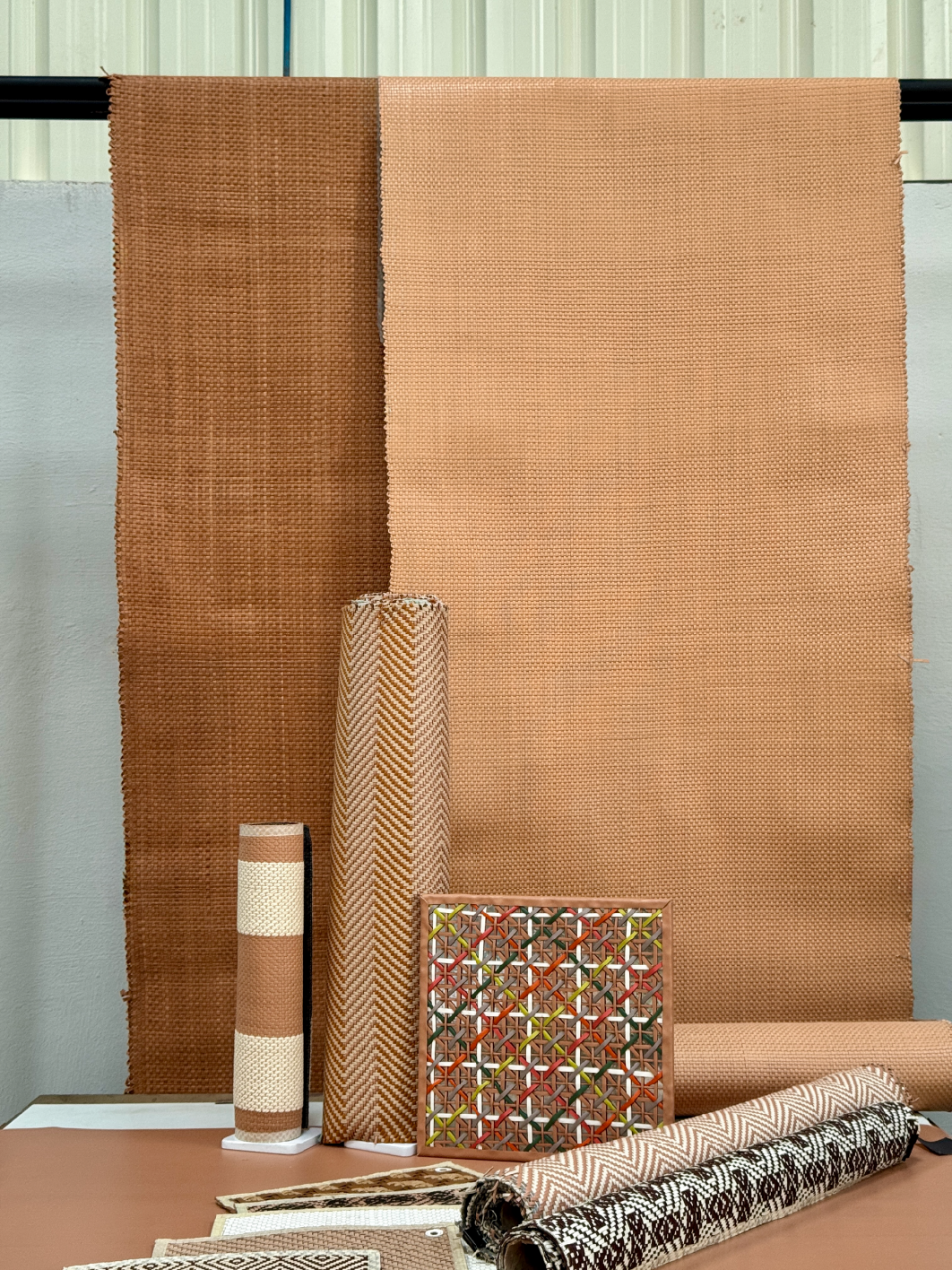
Courtin’s leather weaves can be used as wall coverings and upholstery, and come in various patterns
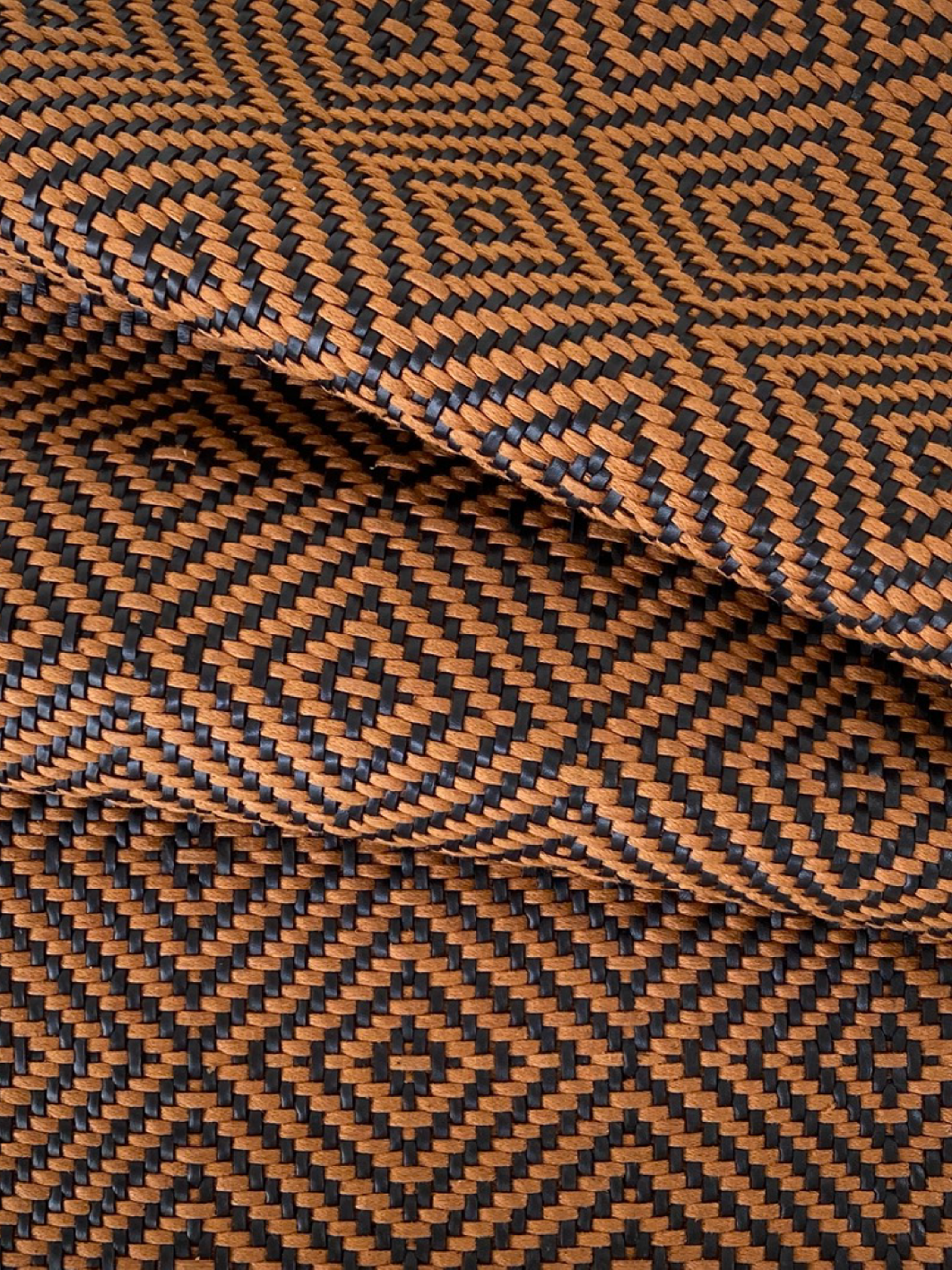
The Losange Collection uses leather and cotton where the blend of two materials creates a beautiful texture
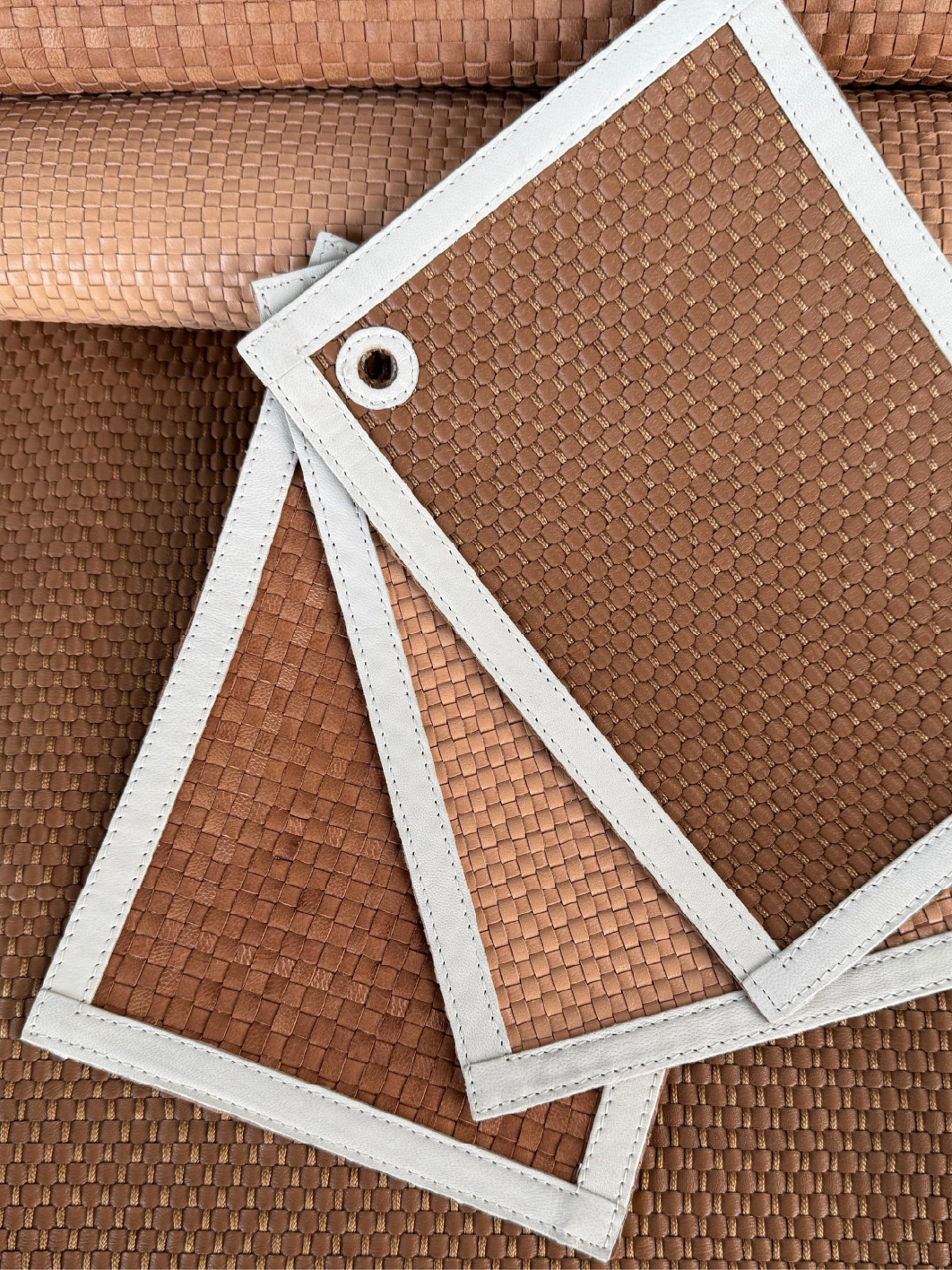
Woven leather rolls are designed to be flexible, and are suited for wall panelling, wardrobe shutters, upholstery, drapery, cushions, and bed headboards
The seed of creativity
Even as a child, Cédric preferred the company of women artisans in his family who worked as lacemakers, hatters and tailors rather than playing with other children. Growing up in the small French village of Brittany, he learned to observe workmanship, understand materials, and how hands shaped form. During his teenage years, he spent several holidays in Paris discovering inspiring collections at Centre Pompidou and the Museum of Modern Art. This later led to him moving to the French capital and training at the Institut Français de la Mode. In 1998, along with three friends, Cédric initiated a line of accessories called Li Lei. “The spirit was practical and playful for creating ultra-versatile items, but these experiments led to several craft innovations in leather. One of our collections featuring timeless leather jewellery was acquired and exhibited by Musee des Arts Decoratifs in Paris,” he says.
While today Courtin’s practice is firmly oriented towards architecture and interior design, developing woven leather as a material system that applies across walls, panels, doors, and furniture; it began in 2014 when he designed his first project in his Indian studio. “The development of a woven leather handloom for fashion designer Demna Gvasalia for his debut at Balenciaga marked the beginning of our enquiry into leather as a surface shaped through hand and technique. Over time, this knowledge moved beyond fashion into interior space, where it could take on greater permanence and scale,” shares Cédric.
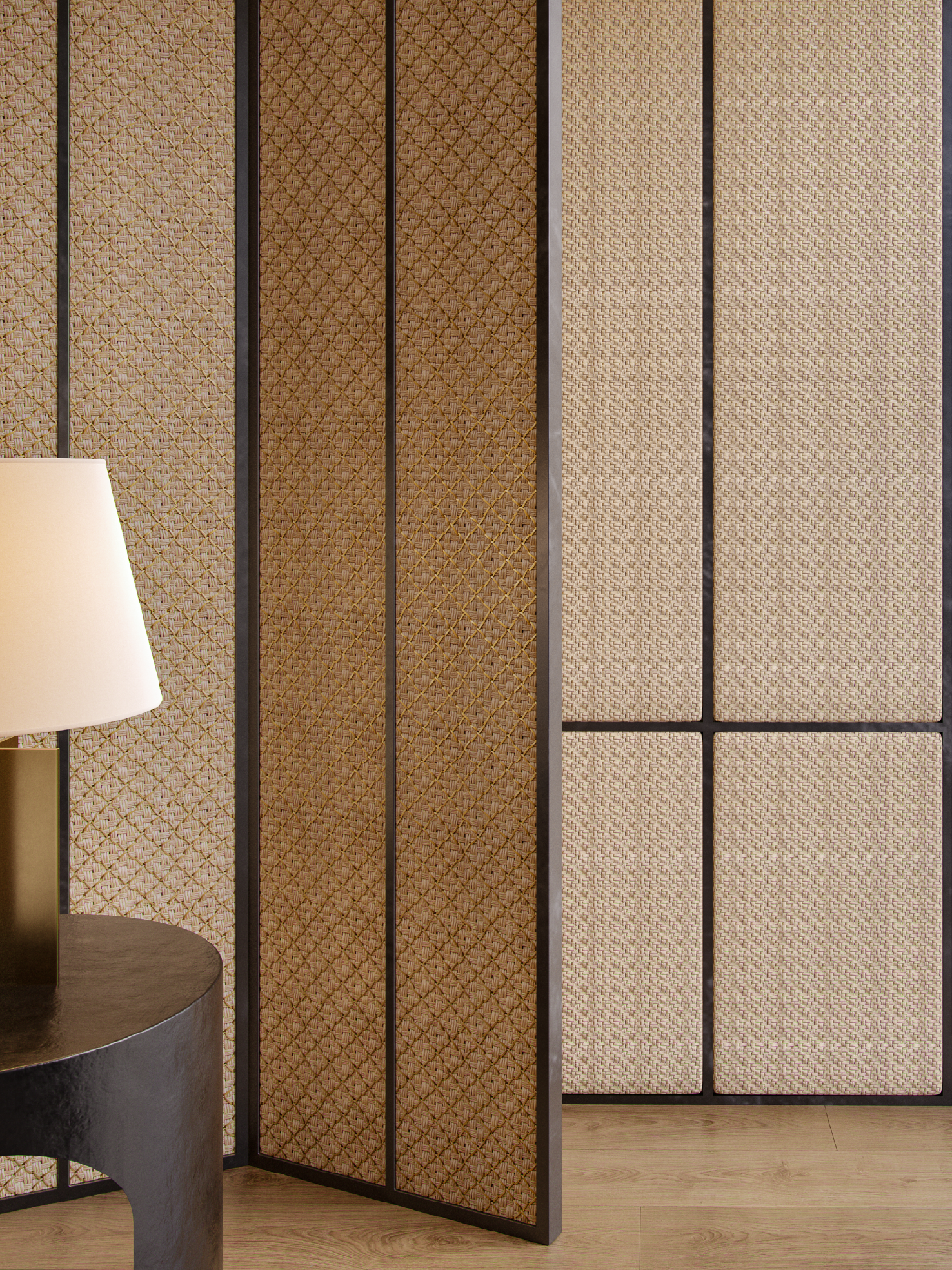
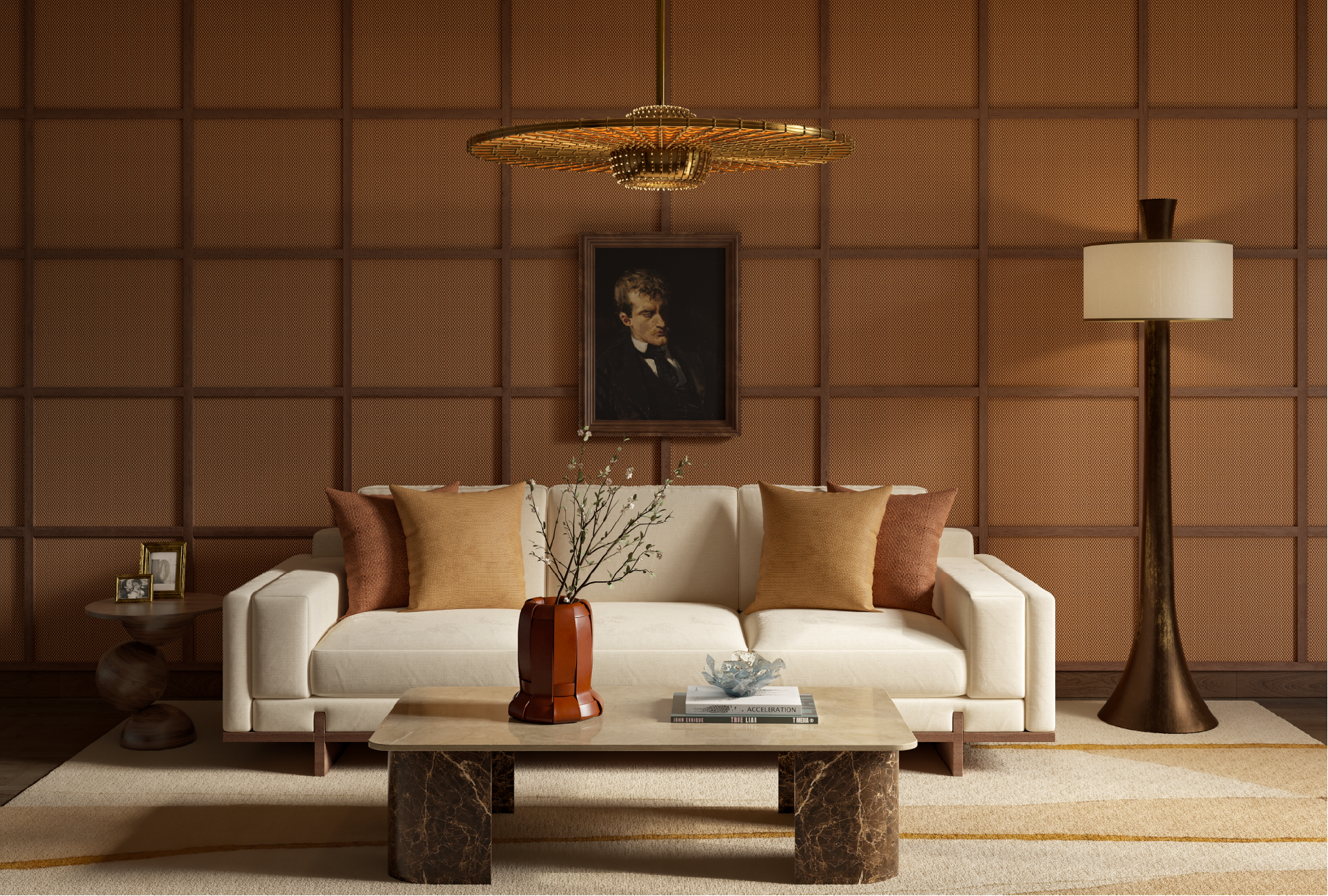
Weaves from the Icone collection adorn a wall panelling The wall panelling features leather with tone-on-tone waxed threads from the Icone Collection, paired with cushions made of plain weave from the Classic Collection
Behind the scenes
Spending time across multiple regions in India has given Alexis and Cédric a deeper understanding of context, craft, and production. While weaving continues to be developed in Tamil Nadu, their office gallery in Noida supports dialogue with architects, designers, and clients. “Typically, the development of a collection takes close to three years. It begins with the selection of material where specialists work closely with leather hides and natural fibres, ensuring quality from the outset, followed by the sampling stage. The leather is then translated into roll formats, allowing it to be tested across different uses and conditions. Transformed into fine laces, sometimes as precise as 3mm in width, it requires a high level of control before it reaches the loom,” they reveal.
The weaving is carried out by master craftsmen working on handlooms in the Chennai–Kanchipuram–Puducherry triangle. These weaves are used for wall panelling, walk-in wardrobe doors, headboards, room dividers, cushions, and upholstery for sofas, chairs, and armchairs. Drawing from their 25 years of research and local workmanship, Courtin’s offerings are a result of a collaborative system where different techniques and specialisations come together to shape its woven leather collections. “Throughout this process, we work in dialogue with a select group of interior designers whose feedback helps refine both the material and its application within space. A collection is only realised once it has moved through each of these stages, arriving at a point where material, function, and context are held in balance,” adds Alexis.
With handcrafting in his DNA, and the ability to experiment with woven leather in multiple ways, Cédric has taken the creative prospects of this material to newer heights. “At Courtin, each piece is a collaboration between French design sensibilities and Indian mastery, between the loom’s ancient rhythm and an intriguing contemporary insight. Every weave carries the work of many hands, yet the vision is one, and our belief that tradition, when pushed forward, holds limitless possibilities drives us ahead,” he concludes.