To begin in Times Square is to begin in the thick of New York. During NYCxDESIGN 2026, it was also one way into the city’s official design week, where the Design Pavilion by Lexus brought design, craft, art, technology, and innovation into one of its most visible public spaces. From there, the week moved outward. To The Seaport, where SHINE gathered original light objects by 70 designers. To the water, where the skyline became part of a conversation on light and form. To Brownsville, Harlem, and Wagner Park, where design was read through housing, public sculpture, flood resilience, climate adaptation, and landscape.
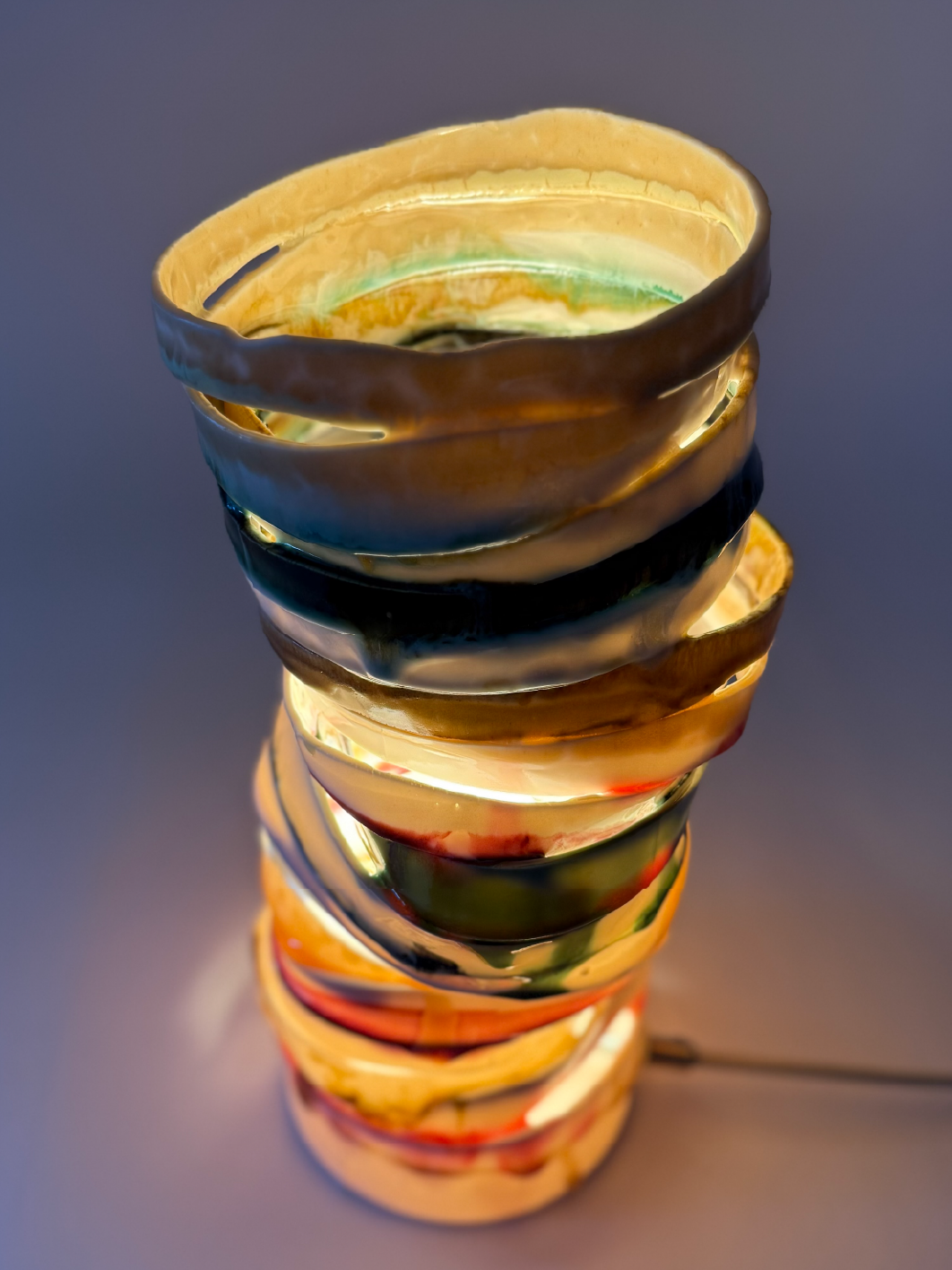
Industrial designer Harry Allen’s Fuse Lamp features a cylinder cast in porcelain and cut into rings that fuse with each other on firing, creating a translucent mix of colours and textures
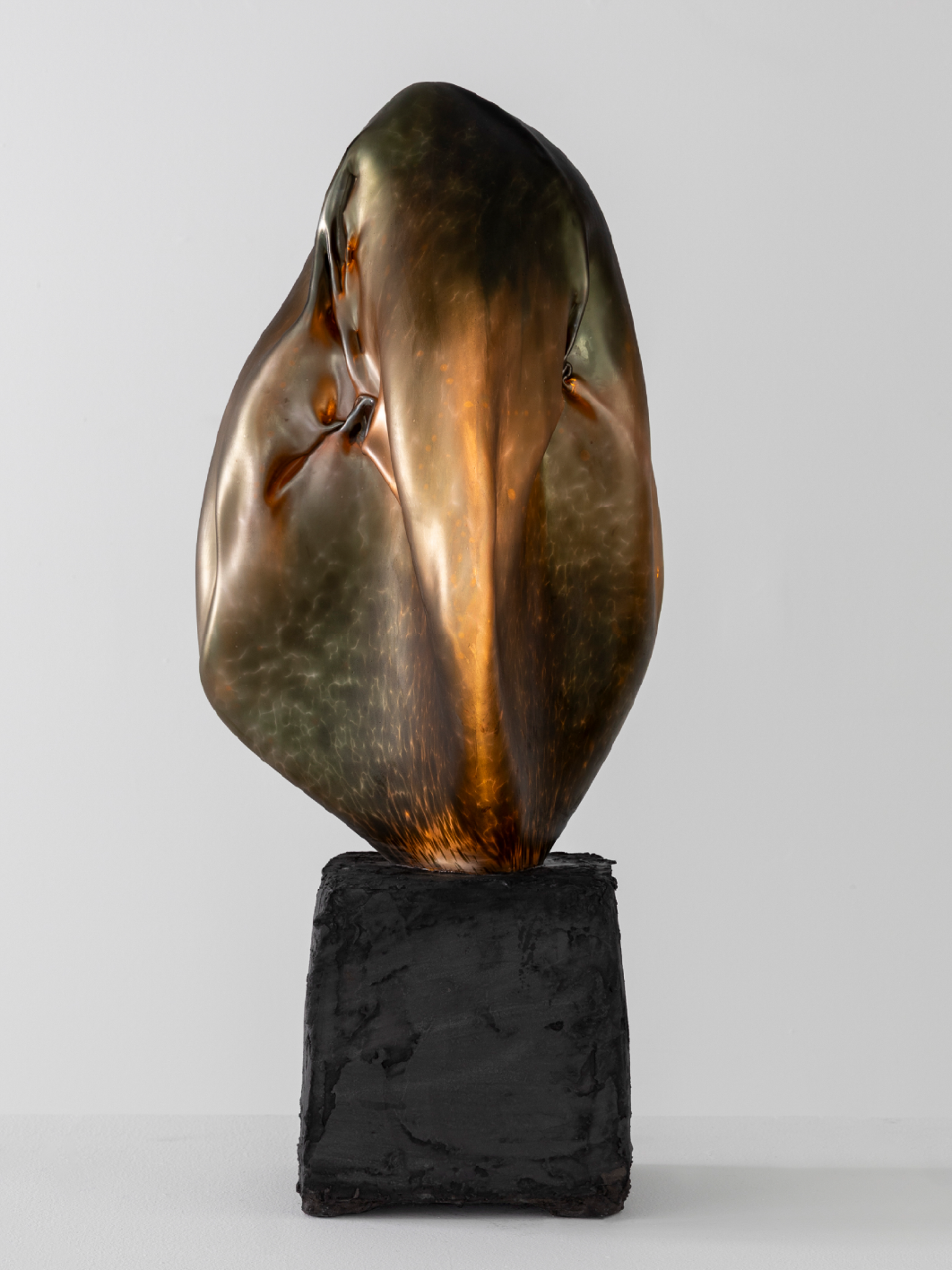
3. Artist Sébastien Léon’s Mirage is a light sculpture made from handblown glass and finished with polished silver, Carrara marble, white marble, graphite and algae
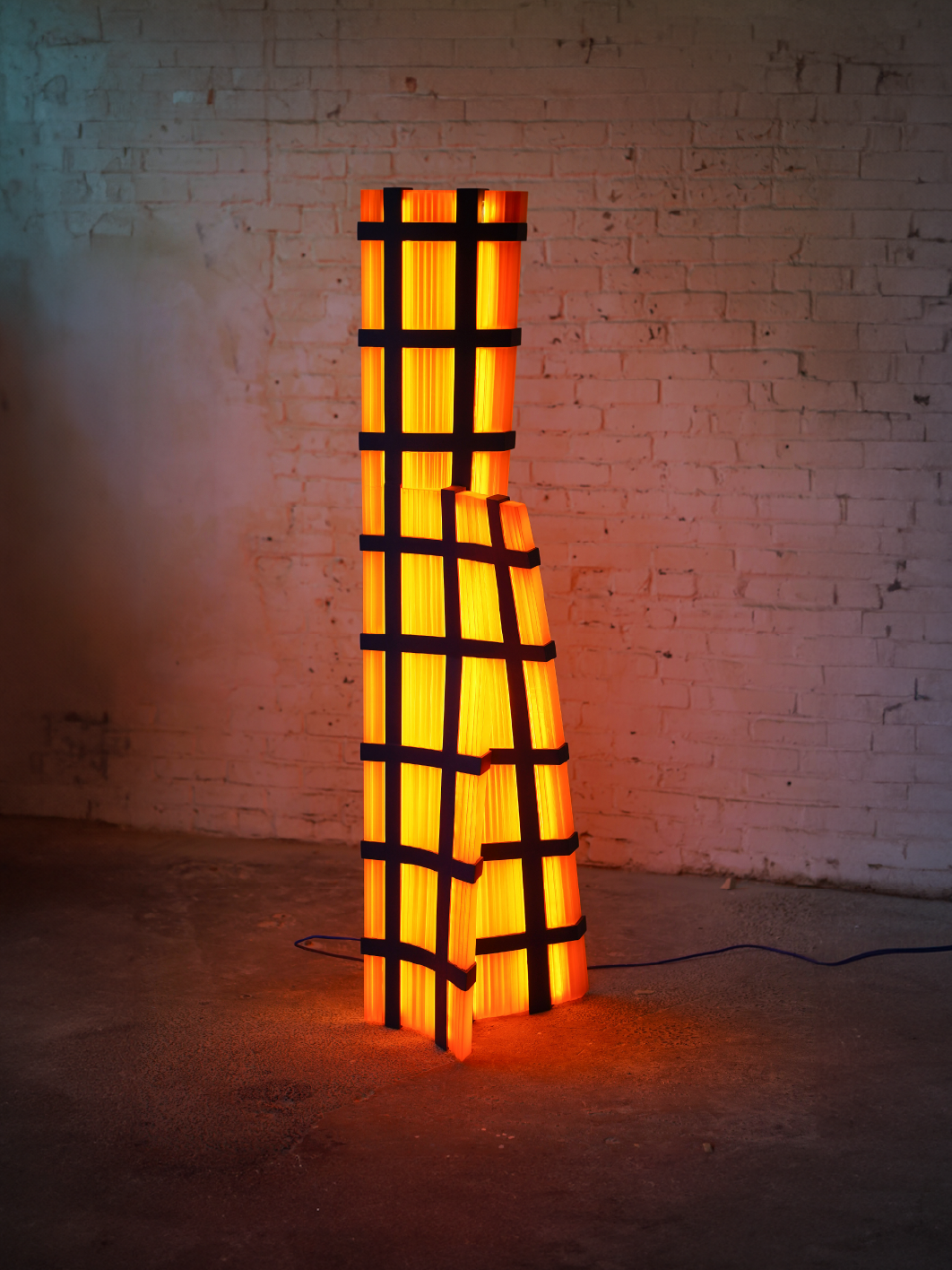
Material engineer Benjamin Gillespie’s Warp – Floor represents the gravitational warpage across space-time and produces a comfortable even glow
Held from 14th to 20th May 2026, NYCxDESIGN Festival unfolded across all five boroughs through more than 250 events. Established in 2012 as New York City’s official design week, it is organised by NYCxDESIGN, an independent nonprofit, and brings together designers, brands, institutions, schools, makers, students, and the wider creative community. This year the theme was Design Connects Us, a phrase that could have easily remained abstract. Across the week, it found shape in the way design moved between public squares and private rooms, neighbourhoods and showrooms, fairs and schools.
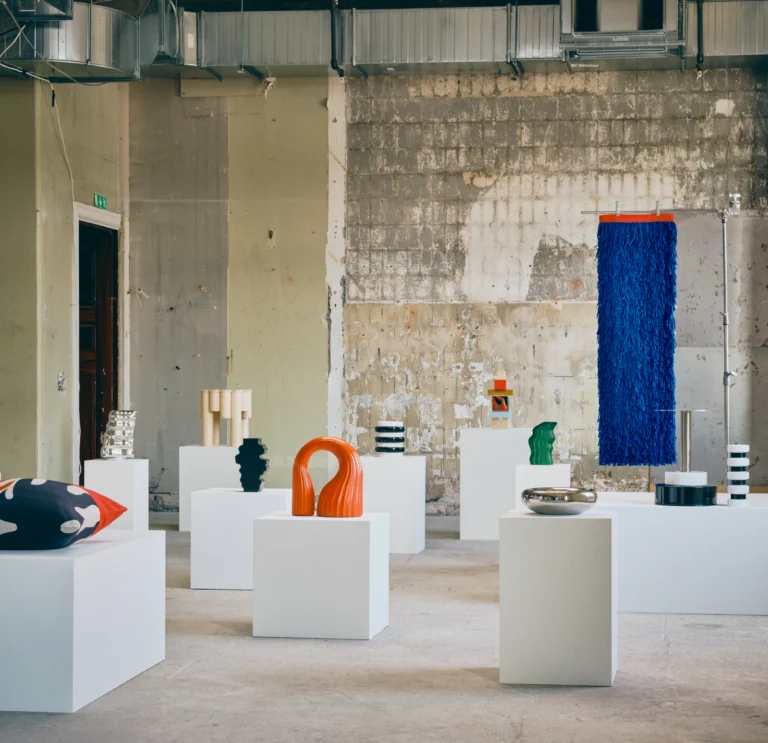
Some moments made that connection visible through spectacle and setting. At The Seaport, SHINE, presented in collaboration with COOL HUNTING, sponsored by Kikkerland Design, and curated by industrial designer Harry Allen, explored light through craft, technology, personal expression, and function. At Villa Albertine, Oui Design! placed French craft and design in conversation with American creative communities through exhibitions, open studios, talks, and events across the city.
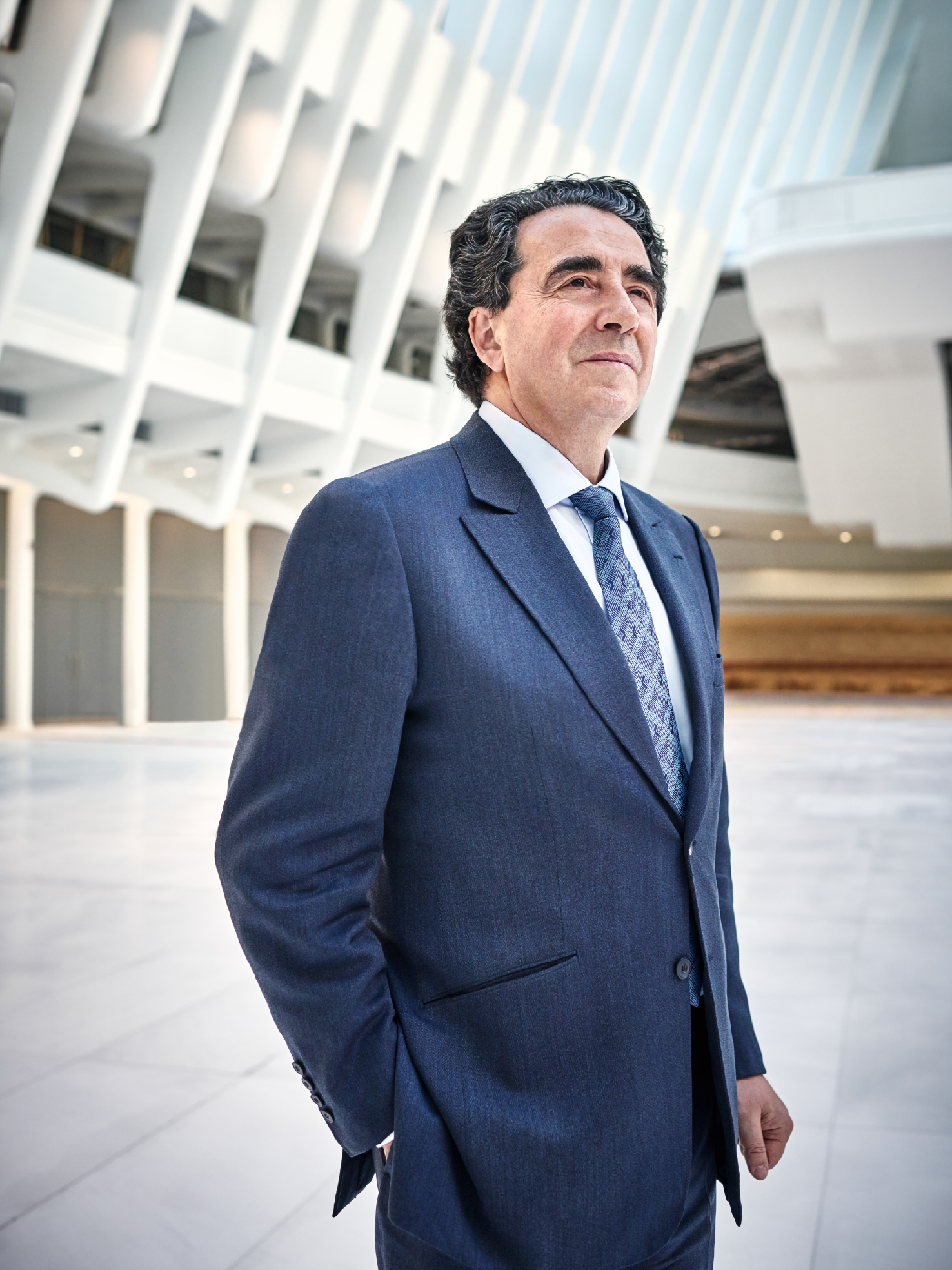
Other moments turned attention back to New York itself. Architect and structural engineer Santiago Calatrava spoke at the Saint Nicholas Greek Orthodox Church & National Shrine, with a tour of the Oculus guided by designer Gabriel Calatrava. Lighting designer Hervé Descottes led a rare keynote and night boat tour to experience his iconic lighting projects from the water. The city was not just the location of the festival, it became one of its recurring subjects.
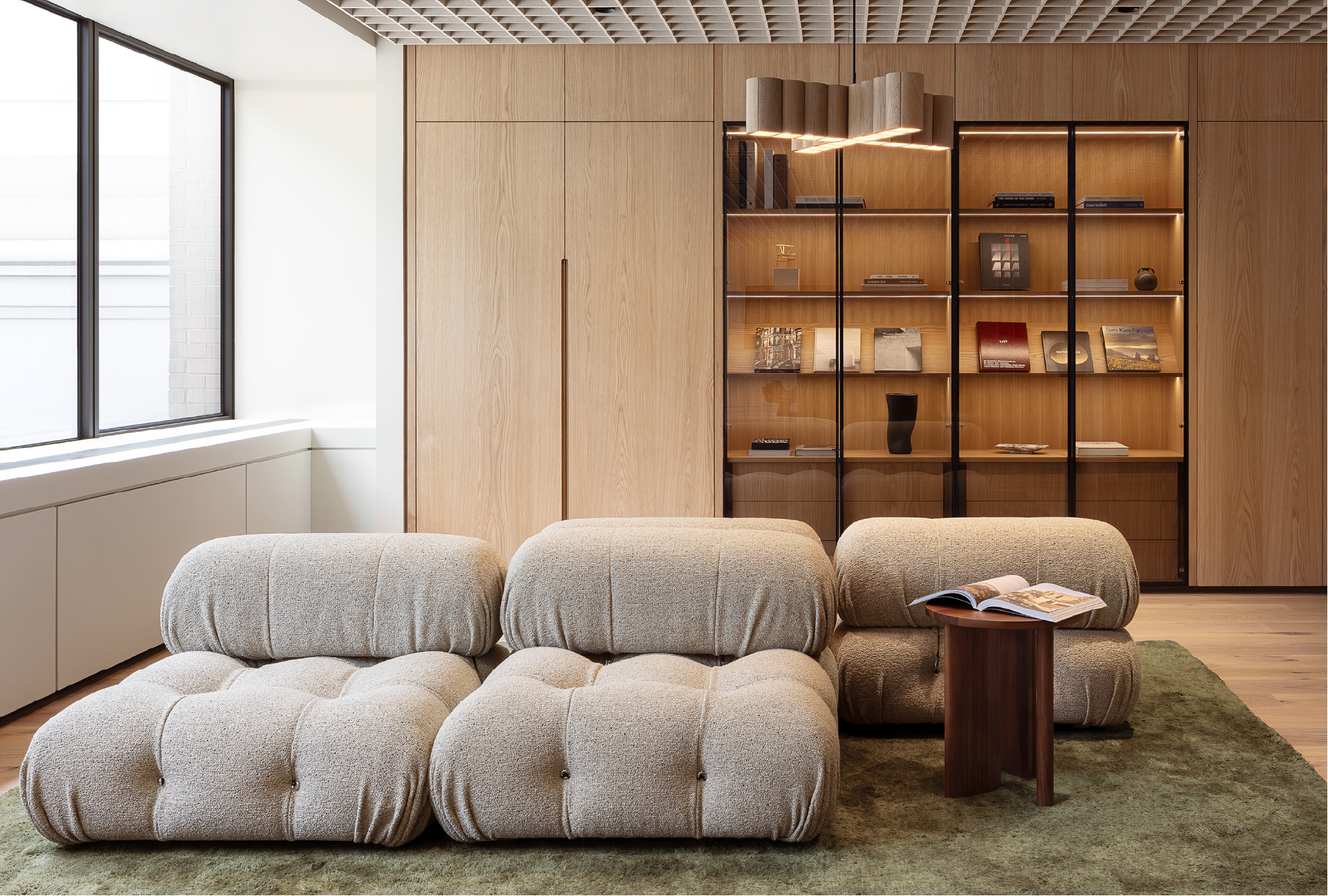
A panel was hosted within the Fisher & Paykel New York Experience Center Fisher & Paykel hosted an intimate panel on the topic of legacy that brought together a thoughtful conversation that left everyone with after thoughts to inspire, reflect and connect upon
Beyond the larger installations and citywide routes, the week found its rhythm in more intimate formats. The NYCxDESIGN Salon Series opened up studio-led conversations, while Rolls-Royce Motor Cars hosted salons at its Private Office New York. Afternoon Light Design Fair at WSA brought together 70+ exhibitors around contemporary furniture, objects, and materials. At the Javits Center, ICFF explored Common Ground showcasing innovative products, immersive exhibits, and forward-thinking ideas from both emerging and established designers.
The NYCxDESIGN Awards, presented by Interior Design, gave the week a formal moment of recognition, spotlighting projects and products from New York, New Jersey, and Connecticut. The future entered the week through Cornell Tech, where the Future Now AI Summit examined AI as an evolving creative medium. By the time the festival closed in DUMBO, after a day of open studios, tours, panels, video art projections, and a closing party, NYCxDESIGN 2026 had offered a citywide reading of what design touches.
What emerged was a design week shaped by movement. Design appeared in objects and buildings, in technologies and neighbourhoods, in the way people gathered around a fair, a skyline, a showroom, a conversation, or a public square. Across New York, connection became something spatial, civic, and lived.