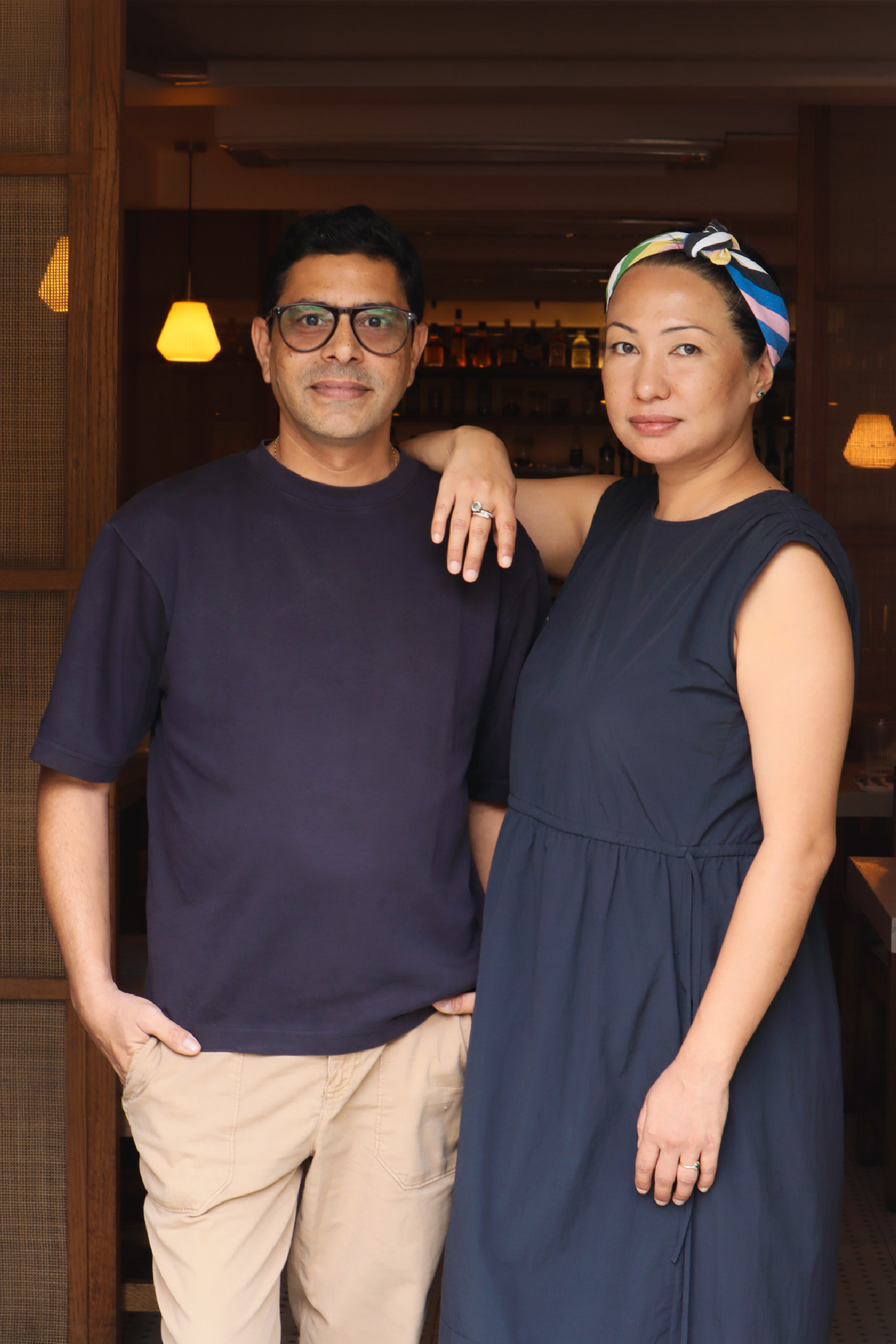
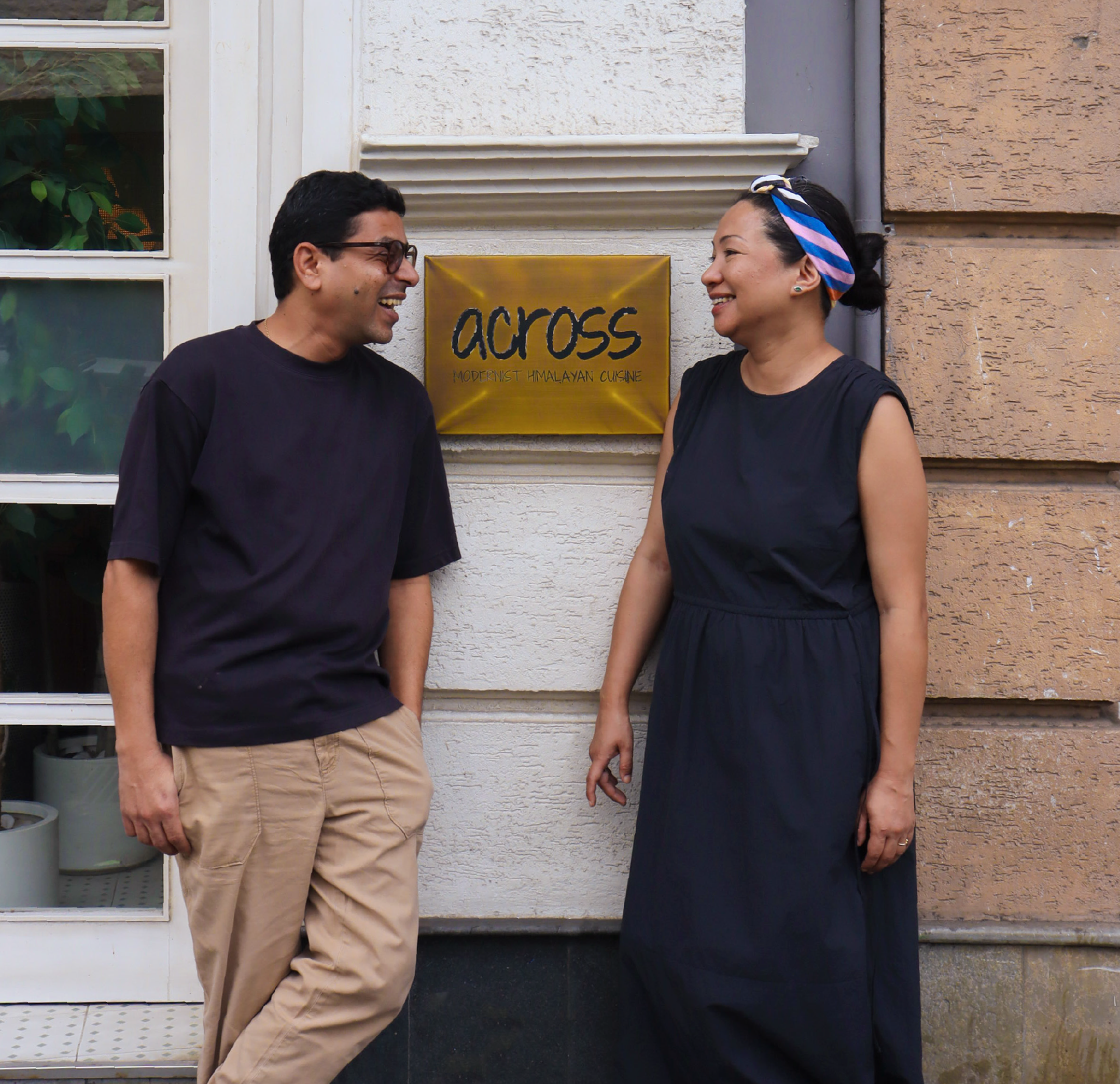
As I walk into the unassuming, Across – a 40 seater restaurant in Mumbai’s Kala Ghoda, serving Himalayan cuisine, I find chefs Prakriti Lama and Viraf Patel deep in a team huddle debating on the viability of the rather pricey pea shoots as a key ingredient for a salad on the menu. As I await the fate of the pea shoots, the husband-wife duo, and my coffee, I hear a rather instinctive yet exacting voice, “Make sure the espresso cup is hot,” Viraf's, who is still looking down at his screen as he instructs. “If we receive 200 grams of berries and only three people get to eat it, we still work towards having it on the menu than not,” says Prakriti as we settle in for a chat. Safe to say, the pea shoots will make it to the menu. Within two years of launch, the menu at Across has changed about 16 times, primarily to accommodate the seasonal and sometimes the availability of unpredictable but exciting produce. While the ingredients may go through the turnstile, one thing remains non-negotiable in the kitchen, respect, for each other, the ingredient, and discipline.
Viraf’s culinary methodology and Parsi heritage paired with Prakriti’s lived experiences with ingredients from the East and her Nepalese lineage, Across is redefining the essence of modern, Himalayan cuisine. “It's a trifecta of learned technique, imbibed tradition and flavour, and research background,” says Prakriti on what shapes the menu at Across, along with “the ingredient, which is always at the core of every dish.”
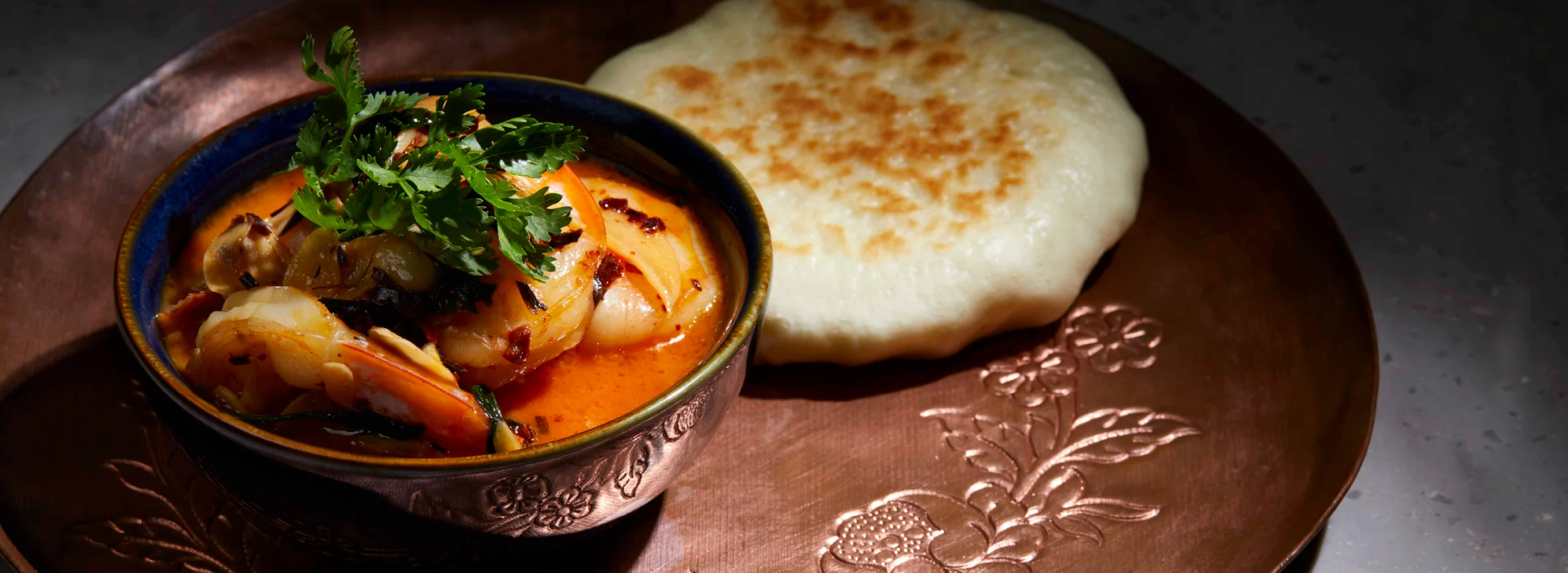
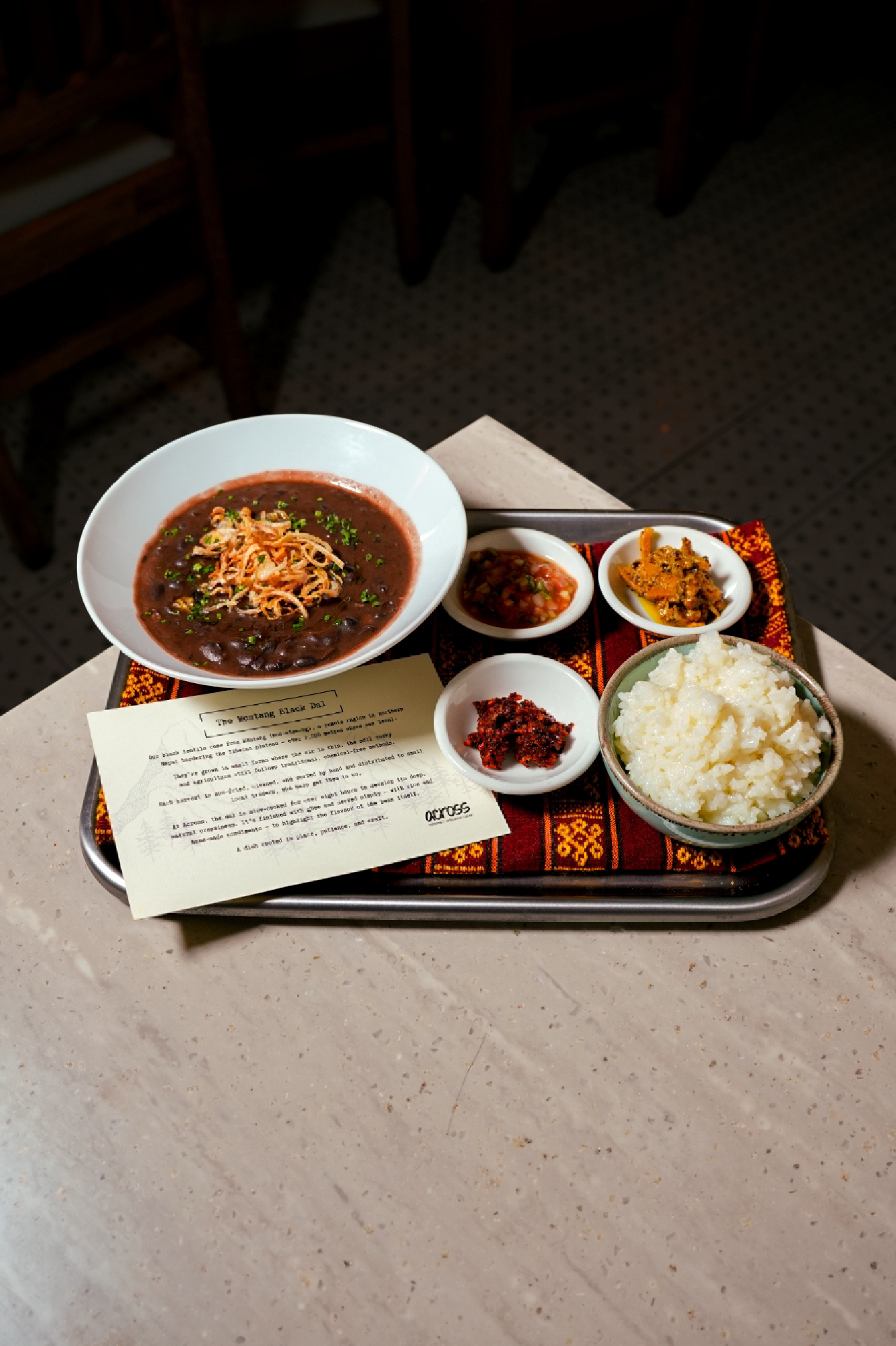
They were keen on working with a limited capacity and menu with an eye on quality, both of the experience and the food. “We are always trying to push that one ingredient to shine through. Let's say we do a potato dish with just the Timut peppercorns – we balance it off with ghee. For the dal on our menu, the legume comes from a certain area in Nepal. We cook in a no-frills fashion and serve it simply with chilli, pickle and ghee rice,” adds Viraf.
For Prakriti, a lot of the menu comes from a sense of belonging. Of sharing plates with her extended family based across the Himalayas. To her, a dish comes as much from the landscape, climate and the people as it does from the memories associated with it. For the longest time, the menu didn’t feature jhol momos, a staple on most menus dabbling in Eastern or Nepalese cuisine. “She won't do a vegetarian jhol momo, or even a chicken or prawn jhol momo, because it's just not how it’s made,” reveals Viraf. “The momos originated in China. The Newars went there as traders, and nicknamed it the momocha,” elaborates Prakriti. In the Newari (Nepal Bhasa) language, cha implies affection. So momocha actually is an affectionate term for the momo, translating to "little momo". So when it made its way first through Tibet, Yak meat was used as the filling, and as it moved to Katmandu, it was replaced with buffalo meat. So Prakriti was clear that unless she could match it, she wouldn’t serve it.
The duo is not fussed about authenticity as they are about the ingredient pairing, flavour being key. The corn and nettle soup on the menu is a fine example of this. Typically eaten together by the poor during drought, nettle is usually cooked outside by the animal shed. Considered unholy, the taboo is so strong that it is not allowed entry into the home. “That taboo I'm okay to break - I will stick to traditional when it comes to flavours, but also introduce a different way of eating them,” says Prakriti. Like the choila, a meat-based, Newari dish on the menu. Unlike what is available in tony restaurants in Nepal, this one tastes exactly like a choila you would get in a village feast. However it looks completely different and it's treated differently with the introduction of the flavours of hay smoke, roasted mustard oil. “At first glance, most Newari people are often confused,” says Prakriti, “but then when they taste it, they know, even with closed eyes, it tastes like home but texturally it's different and served with rice instead of the traditional flattened rice.
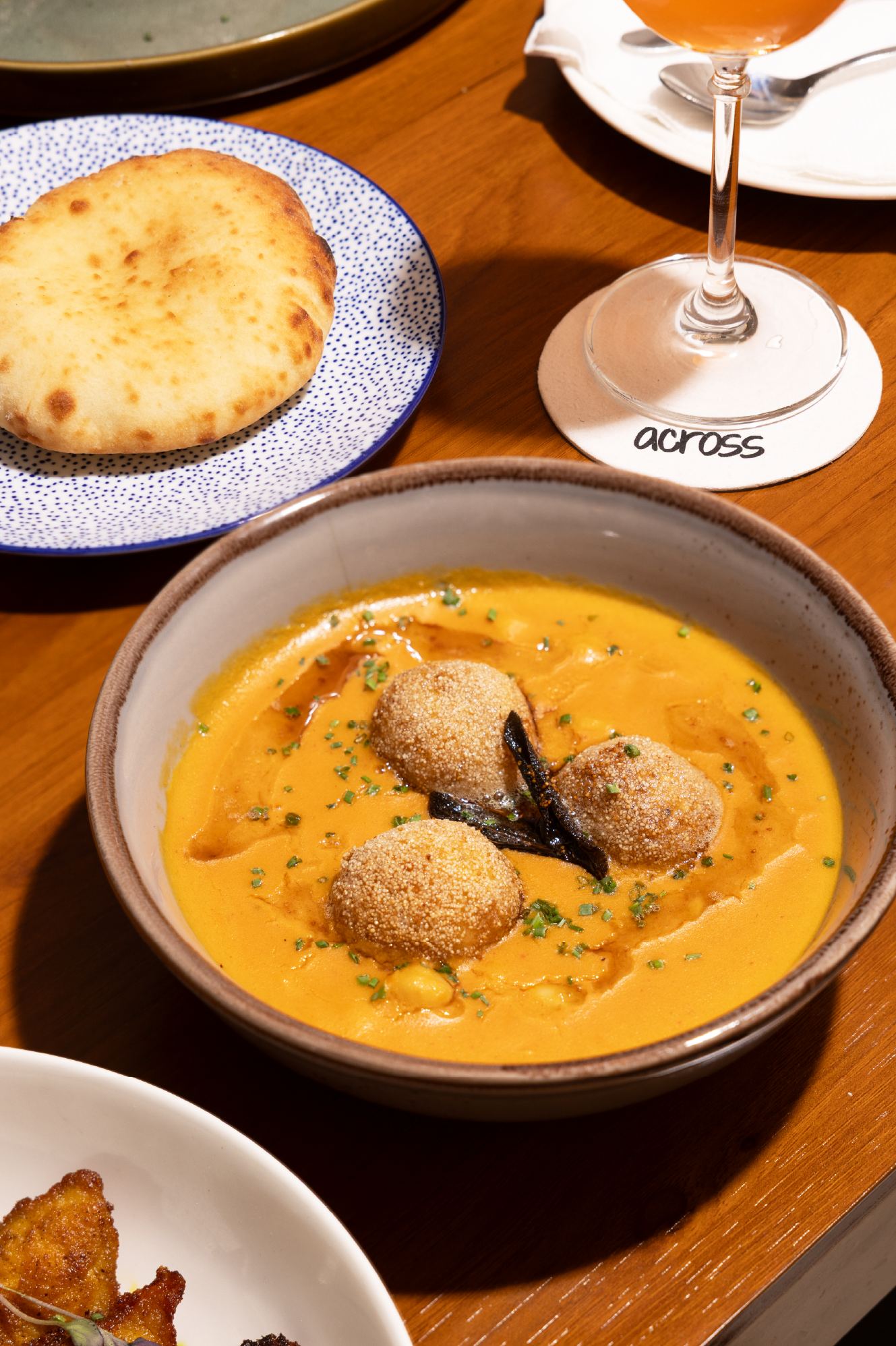
As Viraf and Prakriti take their food to a wider audience, you wonder how can they make it accessible without losing the context of what makes it meaningful in the first place. Afterall, what happens when a regional dish or ingredient travels? At what point does adapting something for a new audience begin to feel like losing something of its original identity? “As time changes, tradition has to evolve, and that's where we allow ourselves to take something that is perhaps sacrosanct and meant to be a certain way – evaluate it, look at it and question, does it?” says Viraf. Prakriti points out to the menu, which had Darjeeling aloo dum. “When our business partner, Anand Mittal first tasted it, he said it’s similar to the one he’s accustomed to eating – what was a traditional Marwadi recipe. But my memory of this dish is that of this Marwadi family who has lived in Darjeeling through generations selling this aloo,” says Prakriti explaining how traditionally stories of migration, trade, rituals, agriculture or communities have carried the story of a cuisine forward.
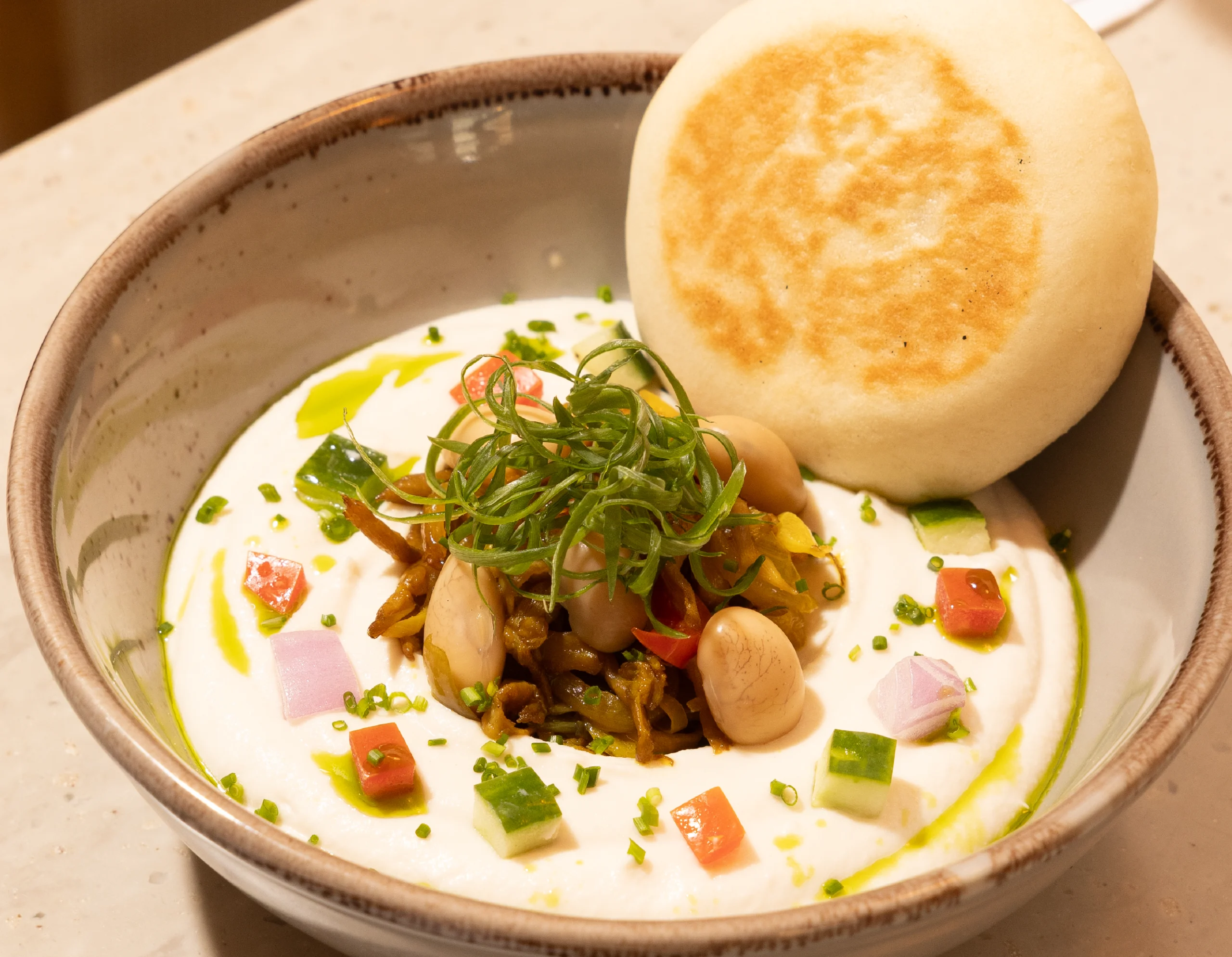
Viraf believes a large part of cooking and eating food is a balance between authenticity, accessibility and experimentation. Especially when you’re cooking for people who may not share the cultural references behind the food you are putting out. And the best way to address this, “is education,” he says almost smiling at the memory that flashed in his mind. “We were travelling in the Solokhumbu region, which is also where Everest starts from. We stopped for breakfast, in a small little room where there were not more than 8-10 other people, bowls. The lady there brought us bowls of Falgi – a very hearty stew made with corn and beans, greens and mushrooms. And I kept asking for more chicken, and said, ‘there's no chicken being served today,’” and that changed the way I perceived those beans. Today, it has found its way on the menu at Across, and both Viraf and Prakriti patiently explain the ingredient philosophy and culinary methodology to curious patrons.
Food knowledge, much like craft, is often passed down through people rather than books, and Viraf and Prakriti believe that cooking is an universal language of connection, of keeping the legacy alive. “Afterall everyone makes some kind of bread. Everyone has their version of lentils. And everyone in the world is pickling something, some way or the other, right?” says Viraf.