17 Oct 2026 read
Culinary raconteur Chef Johnson Ebenezer is winning hearts and stomachs at Farmlore in Bengaluru
At his award-winning restaurant in Bengaluru, Chef Johnson is plating stories of the land and memories
17 Oct 2026 read
At his award-winning restaurant in Bengaluru, Chef Johnson is plating stories of the land and memories
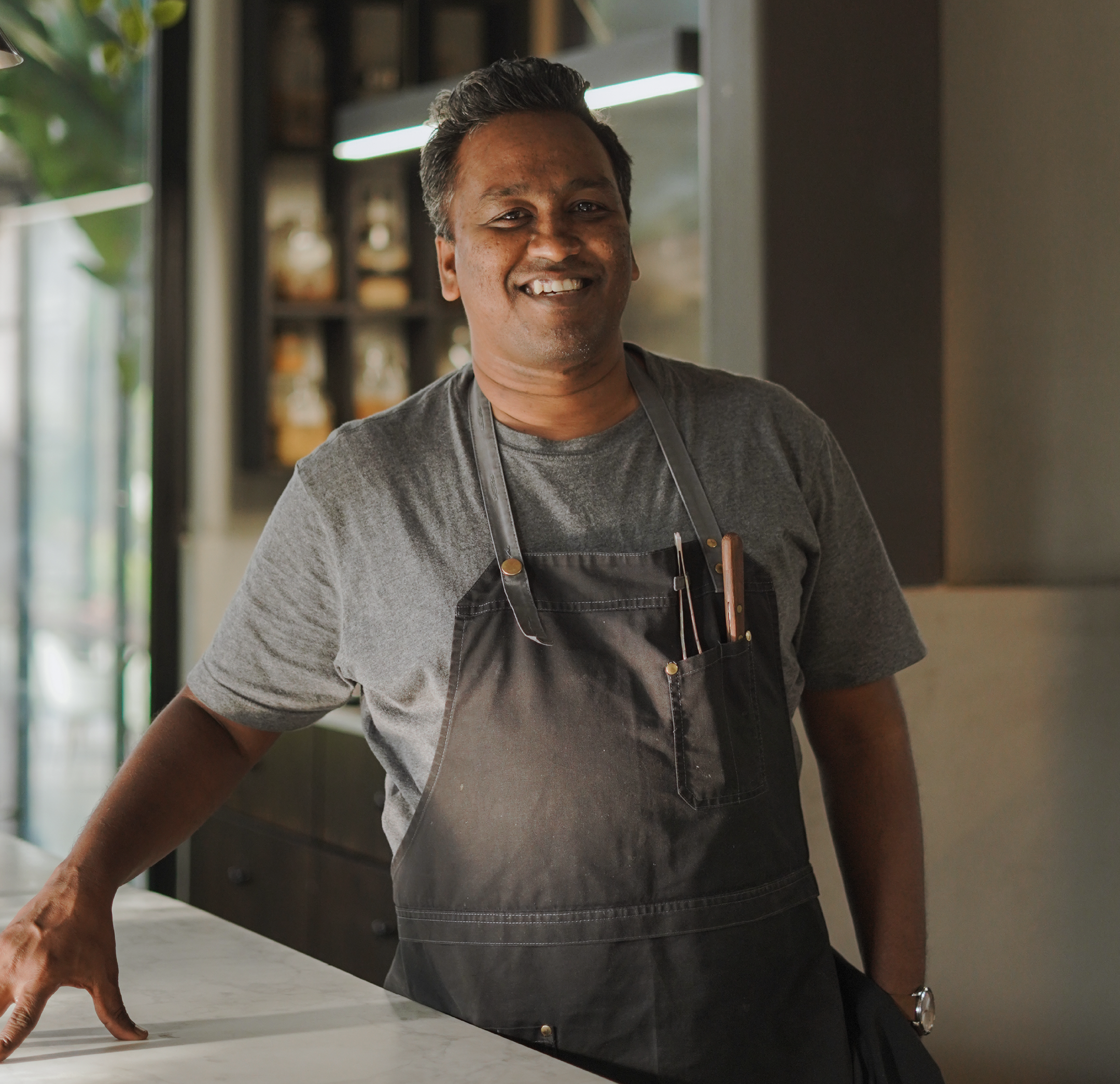
In a world smitten by culinary pedigree, Chef Johnson Ebenezer, better known as Chef JE, is an anomaly. He chose hospitality and professional kitchens as a means of seeing and travelling the world, inspired by an uncle who chose not to join the police. “I come from a family of cops, but my uncle went to work for the cruises instead,” he shares. The postcards from far-flung places became a portal of possibilities for young JE.
After completing his degree in hotel management, JE apprenticed at Taj Coromandel, Chennai and for two years working in different kitchens until 2000, when he was hired by a cruise line. “I was able to see the world around me and try out different cuisines wherever it stopped,” he remembers fondly. After working for a few years on the East Coast in the United States post his time on the cruise, he returned to Chennai in 2007 and once back in familiar territory, he taught himself molecular gastronomy, new techniques, and the balance of science and art in culinary. “I started learning a little bit more about the craft. I became more passionate about the food then,” he says.
The experimental and creative side of Chef JE that is critically acclaimed today came to the fore in 2016 when his Rajnikanth-themed buffet, when the superstar’s film, Kabali, released, caught the eyeballs and became a viral sensation. It was also the year JE met Kaushik Raju, the third-generation leader of the Atria Group and future business partner. It was also in that year that JE relocated to Malaysia to set up and launch Nadodi in Kuala Lumpur. This was the first true showcase of JE’s evolution as a chef, creator and storyteller. Nadodi means nomad; therefore, instead of a cuisine, he used the wandering nature of a nomad as a theme. He wanted to represent how a dish’s soul remains the same even though it travels across geographies and changes its persona. The three regions JE focused on were Kerala, Tamil Nadu and Sri Lanka. The restaurant was also recognised by the Michelin Guide in 2018, as was JE’s creative genius.
“I always wanted to come back home and create something similar,” he says. This was the start of the next chapter for JE and the beginning of Farmlore. With a fledgling idea, he reached out to Raju, who recognised his knack for storytelling. On his return from Malaysia, Raju showed JE the farm that would eventually become the location for Farmlore, but back then, there was never a plan to open a restaurant there but instead in the heart of the city.
The idea was to open Lore, a restaurant that would tell stories through food. Everything changed when Covid hit and the world shut down. “It was a time when many city folks were going back to their roots, connecting with nature and searching for meaningful experiences,” JE remembers. It was Raju who recognised the potential of the farm and how it would sync beautifully with JE’s culinary narration. “We both decided, let's take Lore into the farm and become Farmlore.”
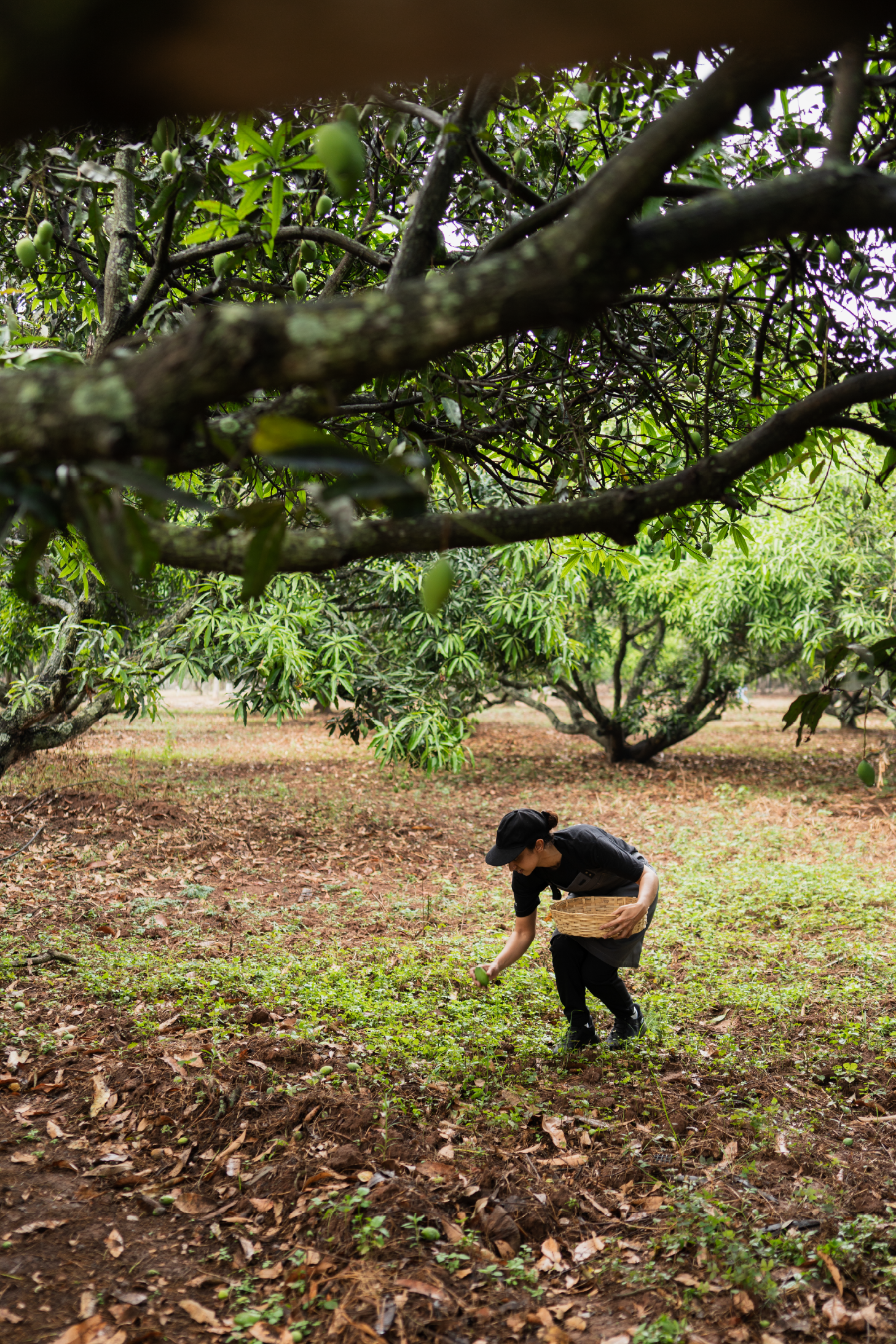
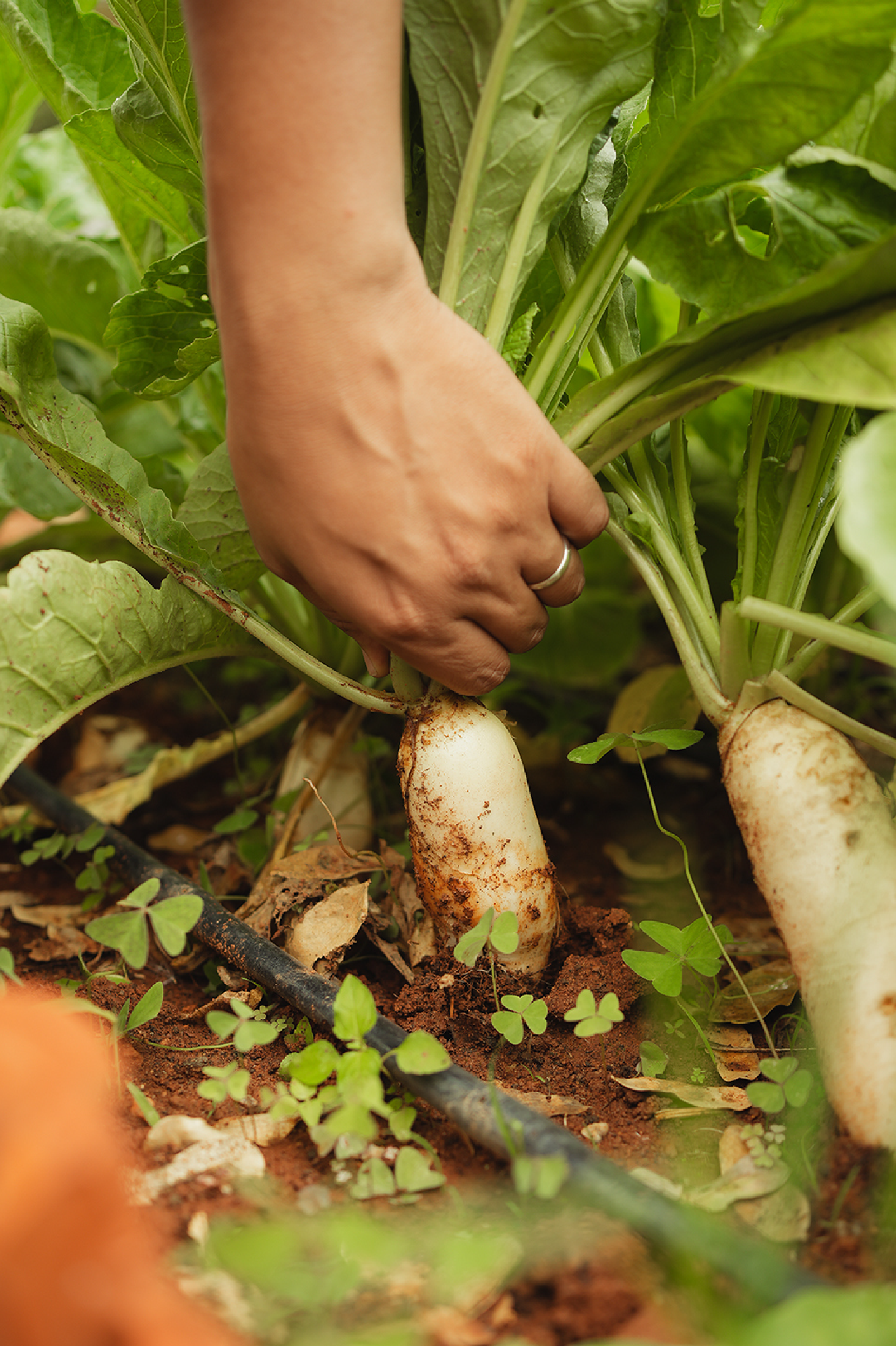
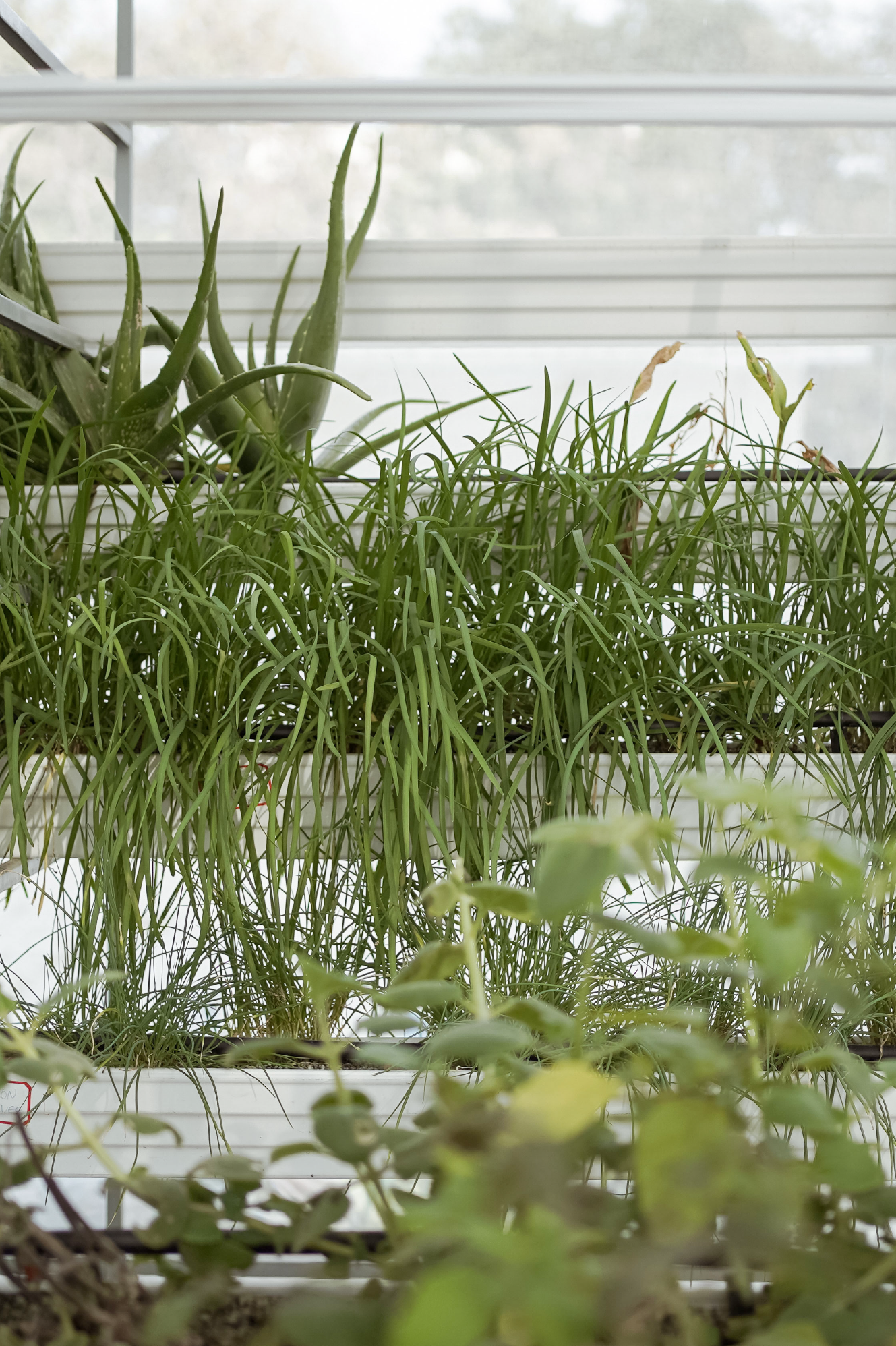
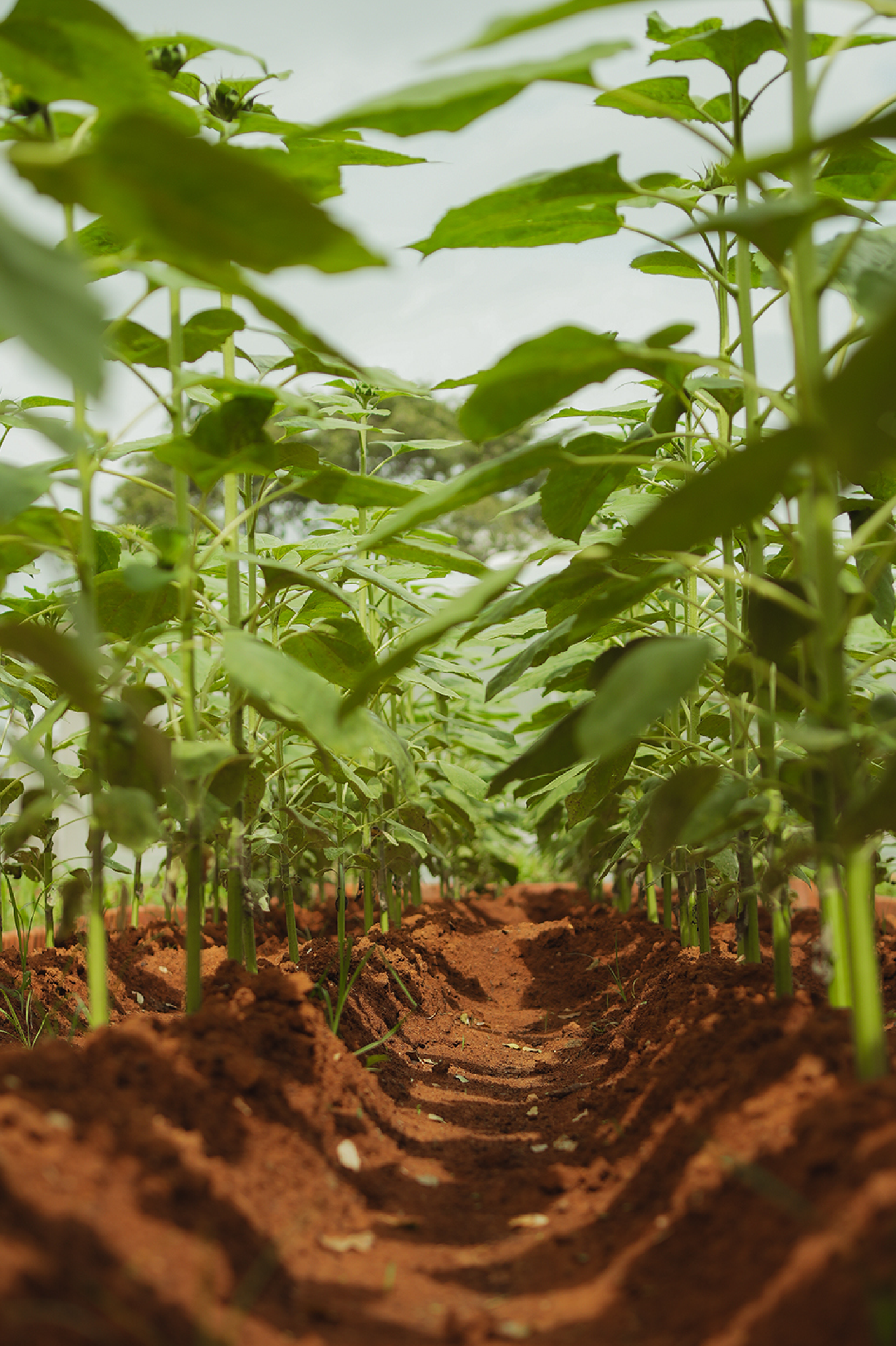
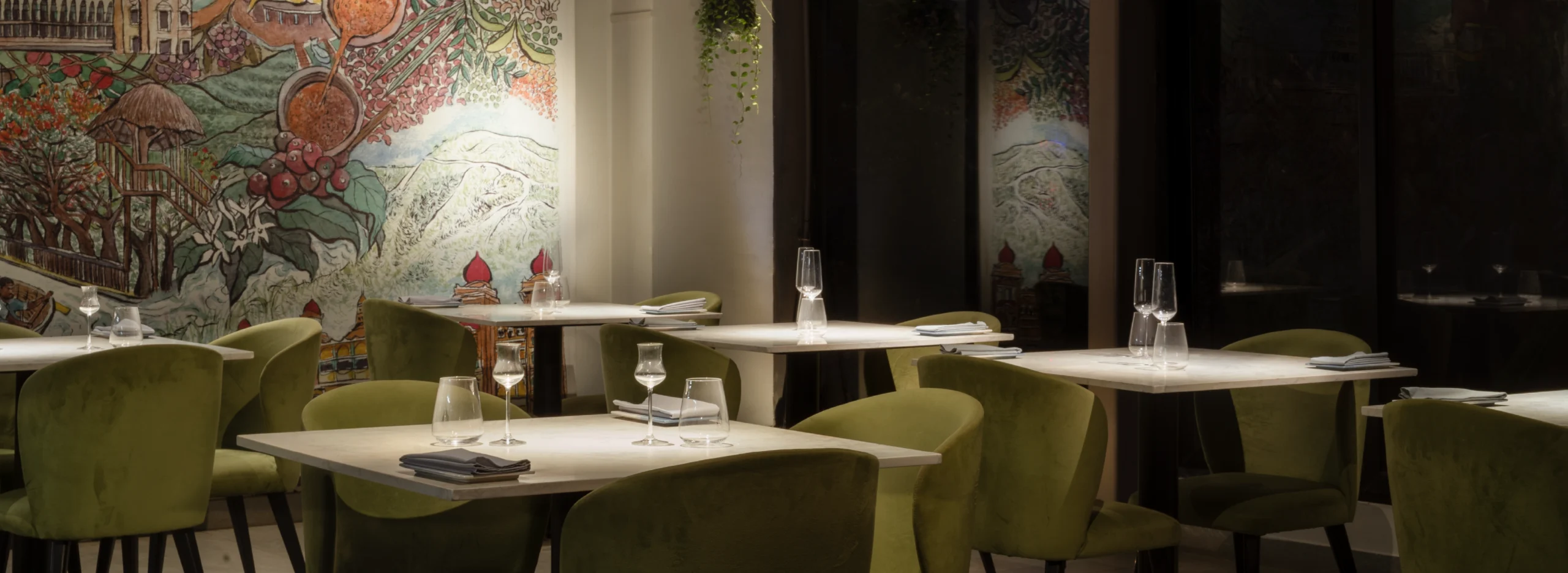
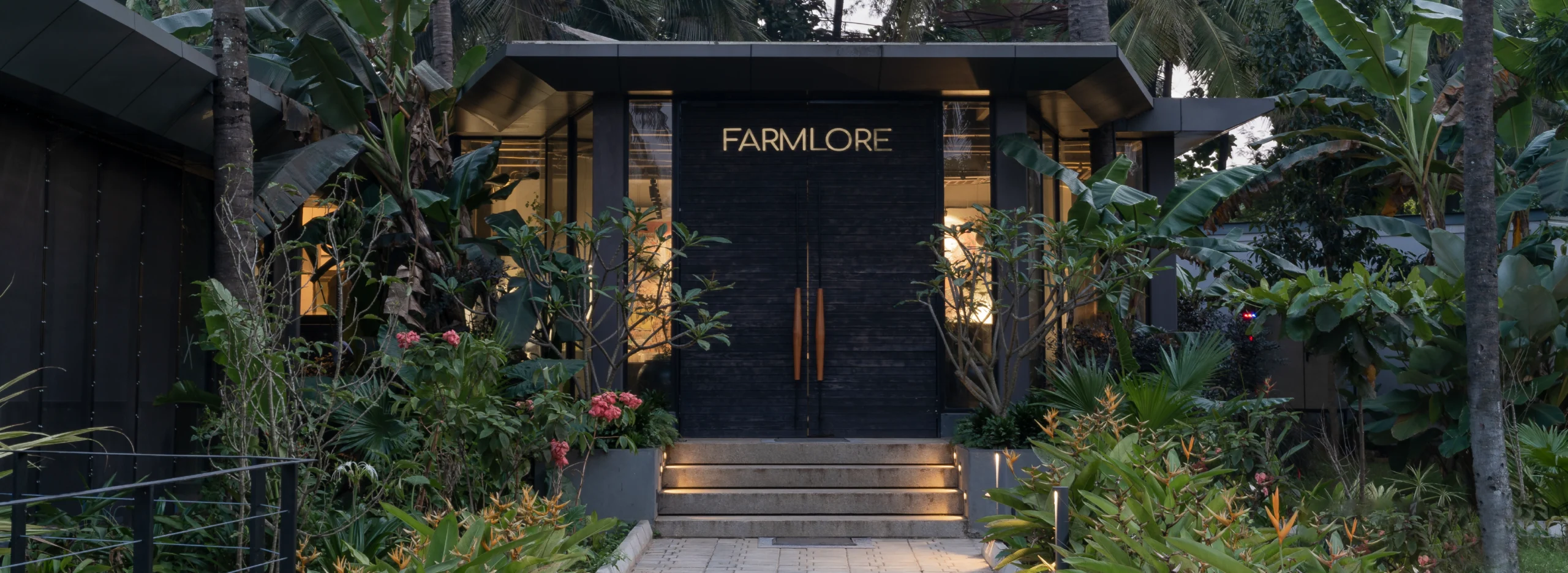
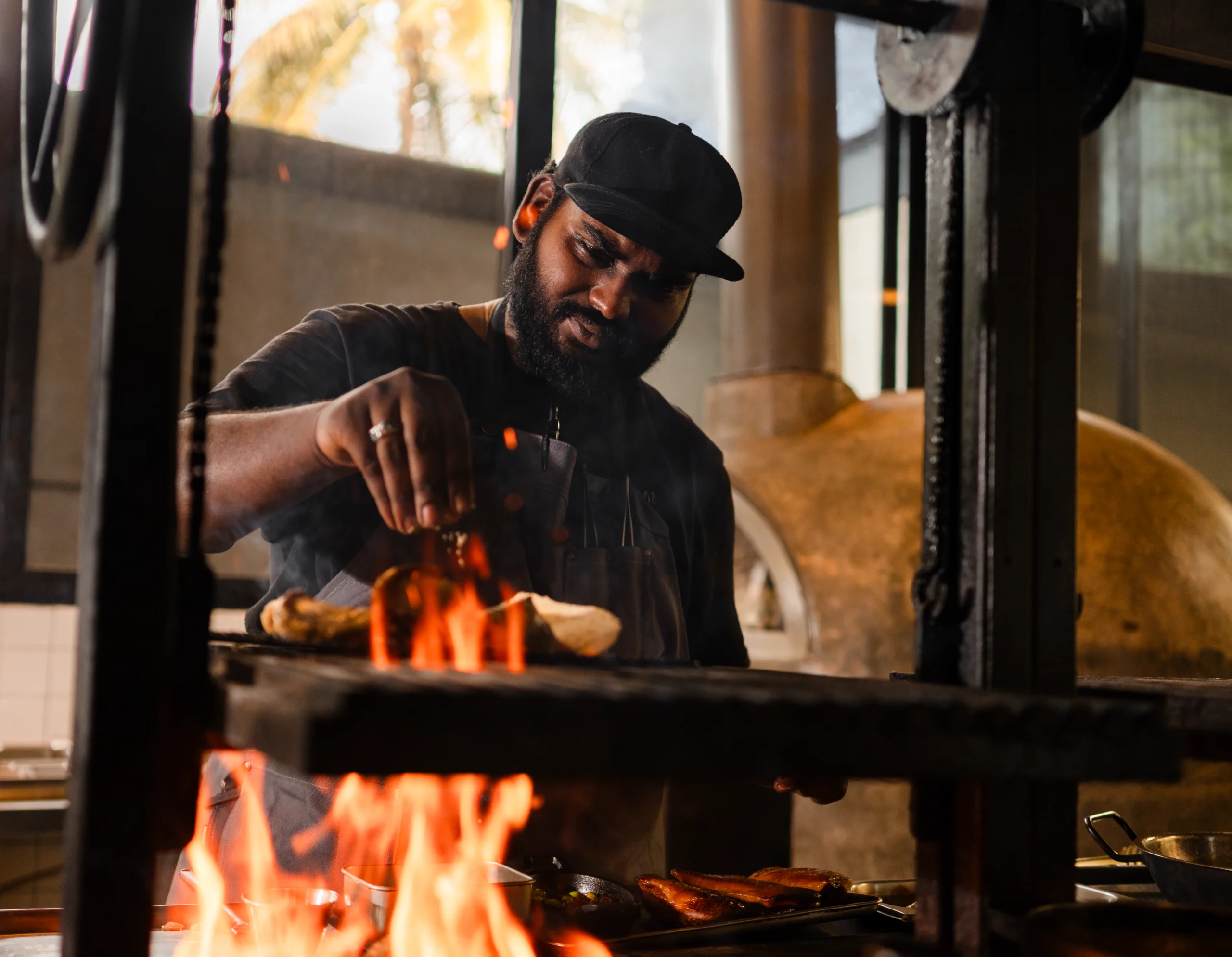
Located about 25 to 30 kms from Bengaluru city centre, the small 18-seater restaurant has become a beacon of an alternative but immersive dining experience in India. “Stories of the farm,” JE repeats his core philosophy for the restaurant where every minor detail takes shape from the land it is on. “The first time we came to the farm, the mango trees were not pruned. As we built the structure, we had four to five tons of mango wood! The decision was natural: let's cook only on wood fire,” he says. The concept for the restaurant kept evolving and developing with every new thing the founders experimented with — when Raju added livestock to the farm or when he initiated hydroponic farming, it all impacted Farmlore’s kitchen.
“We never call ourselves sustainable or farm-to-table,” JE states matter-of-factly. It just so happened to be inside a farm, and a chunk of the produce comes from the farm, but that would account for not more than 60 to 70%. For him, Raju and the Farmlore team, it's about appreciating the produce the land provides. Today, the convenience of opening packets as a source of our food has led us to forget how difficult it is to grow food. “So much could go wrong in growing a single carrot. There is environmental stress, water levels, nitrogen in the soil,” he adds. This year, when hailstorms hit Bengaluru, the farm’s yield went down to 20%. It gives you an incredible appreciation for the food grown, which we take for granted.
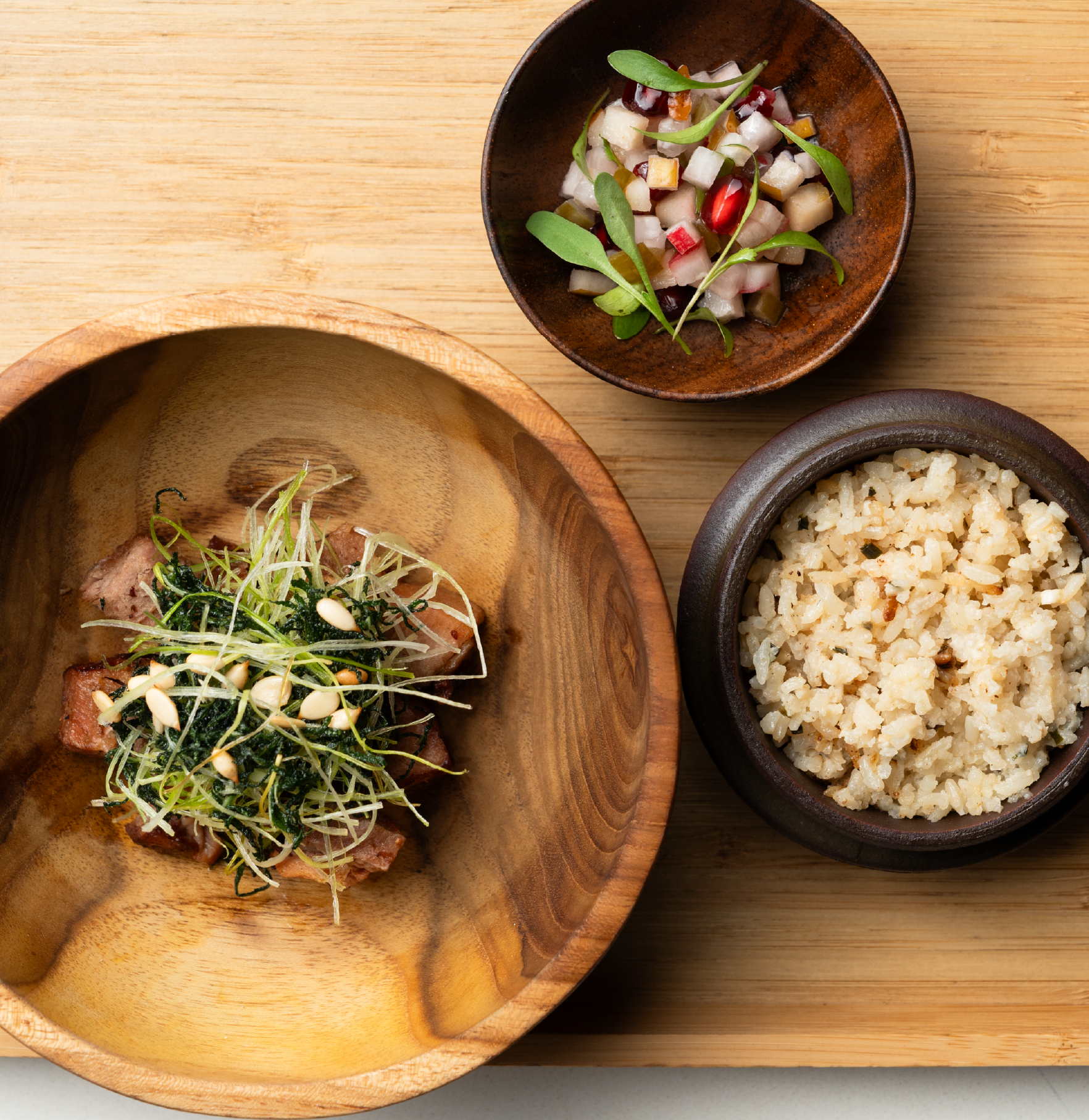
“I don't have a menu,” JE says with immense pride. The menu is based on the availability of seasonal produce from local farmers as well as the farm. While he does have base recipes, he builds and develops on them based on produce. “Let's say if I'm going to get one kilo of okra today and tomorrow I'm going to get two kilos of eggplant. I will find a way to incorporate and champion my produce based on the primary recipe. If I'm serving a coconut sorbet this time, next week will be a guava sorbet, from the harvest from the farm,” he explains. Currently, he has an ample supply of coconuts, chillies, onions and tomatoes, ingredients that also serve as fundamentals of cuisines from the southern states. But even though his dishes find their roots in regional culinary heritage, they are not South Indian dishes.
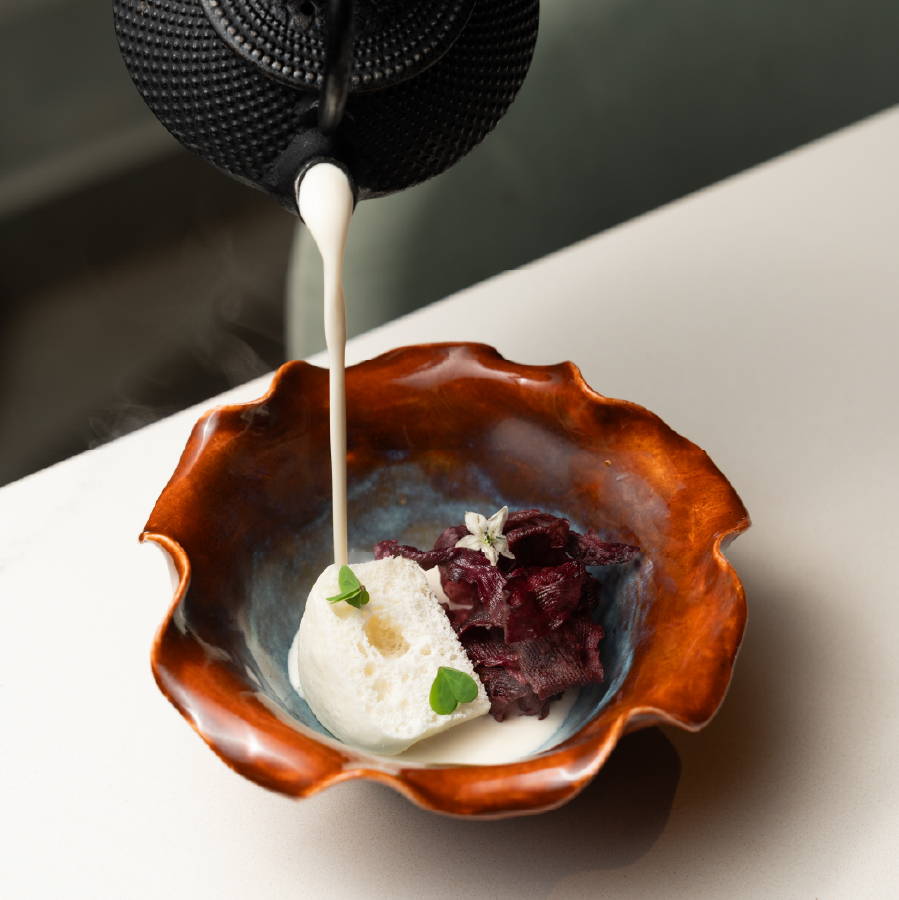
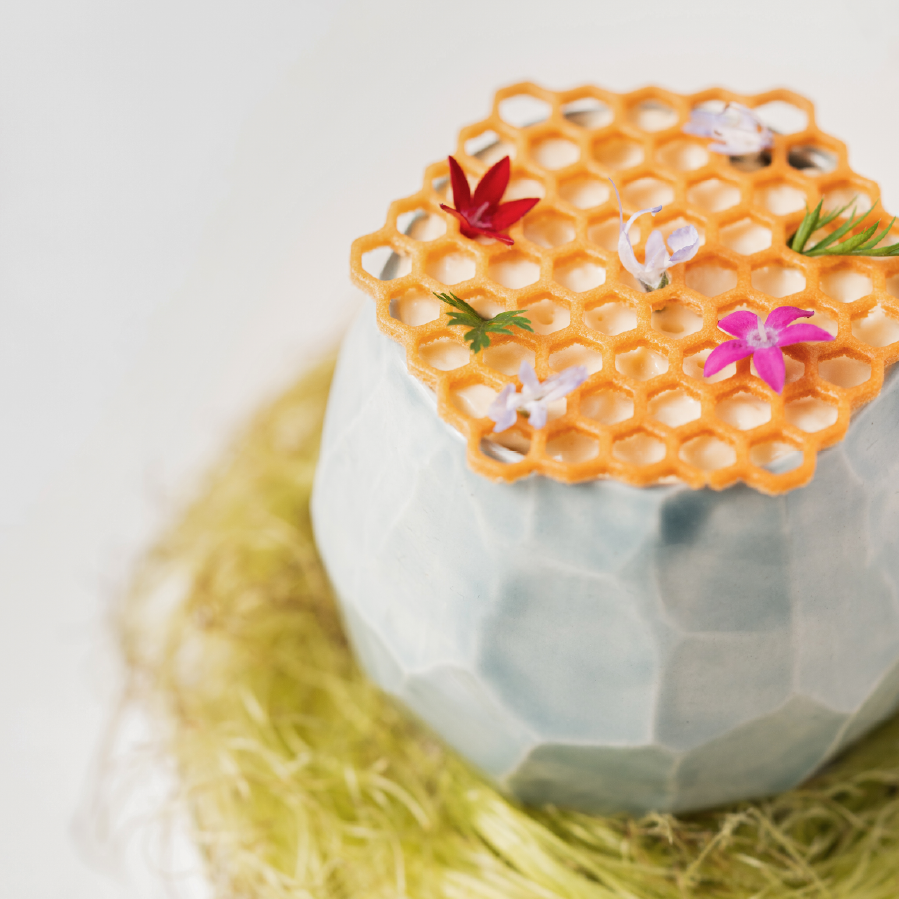
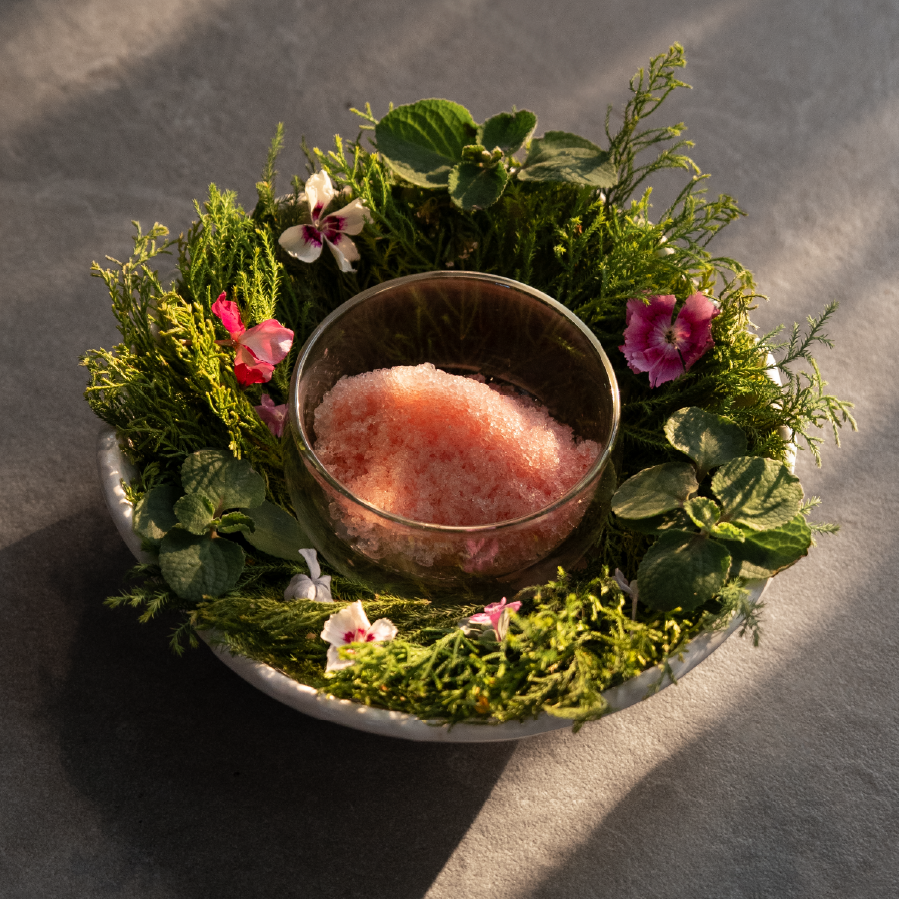
The recipe development at Farmlore follows a two-pronged approach—the story and the flavour. His corn dessert Anil (squirrel in Tamil), for instance, is named after the squirrels that nibble on the corn cobs they grow at Farmlore. For the flavour, JE dipped into his memory from his days in the United States when an abuelita (grandmother) in his neighbourhood would share her traditional Mexican cornbread with a jam or compote made from local berries on top with him. “The beautiful taste of corn and berries has become a flavour memory forever, and I wanted to recreate that for Farmlore,” he adds. The final dessert has corn ice cream with a strawberry compote in the centre. This is then topped with a foam made of corn husks. The dish is served with a little card with the stream of consciousness that led to the creation of the dish.
“We are trying to showcase a philosophy and the menu just revolves around how the farm works,” he says. With Farmlore, JE wants to build stories and narratives around people who grow food and make it culturally relevant to the land where it grows. He is not looking for luxury from far and beyond, but looking at what is available closer to us and turning that into something unique, rare or fine.