11 Sep 2026 read
Inside Books About Food, the archive Jamin Galea never meant to build
London based product designer, and founder of Books About Food, Jamin Galea on documenting cookbook covers, which today is nearly 4,000 names deep
11 Sep 2026 read
London based product designer, and founder of Books About Food, Jamin Galea on documenting cookbook covers, which today is nearly 4,000 names deep
Somewhere in London, there's a cookbook Jamin Galea has never opened. It's Anna Jones's Easy Wins, and he owns it, likes it, and has kept it on the shelf for a while now. But the miso chapter inside intimidates him just slightly more than his curiosity can overcome. So, there it sits, unread, a small monument to the gap between admiring a book and actually cooking from it.
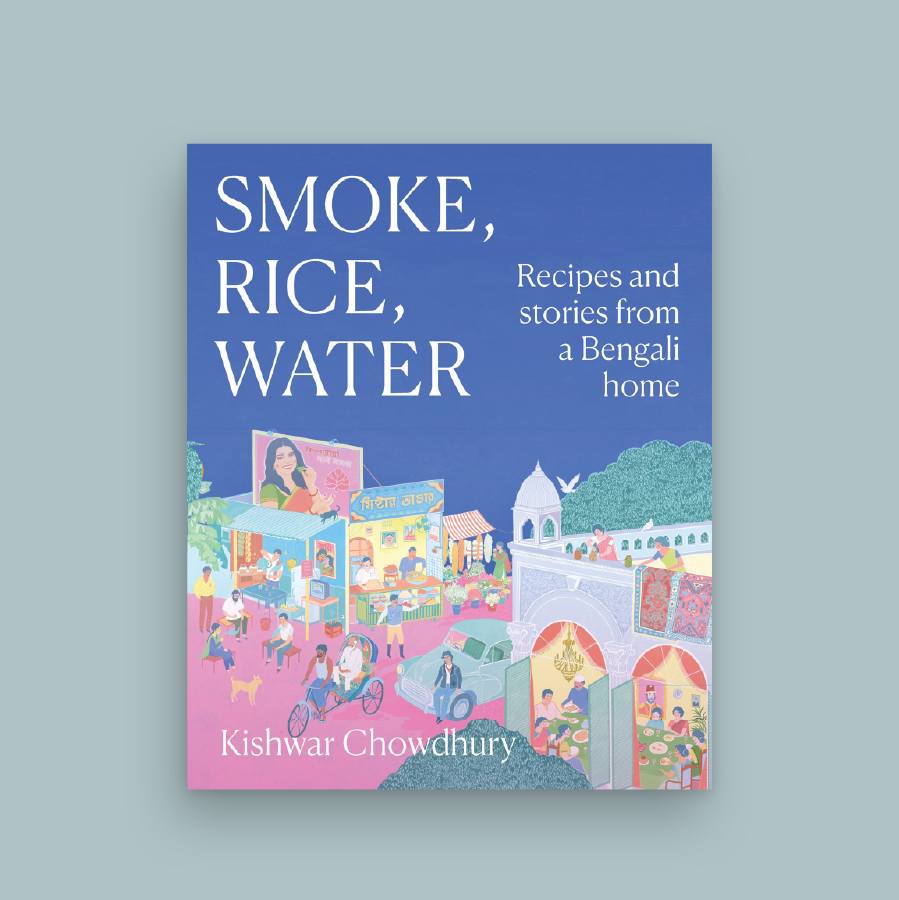
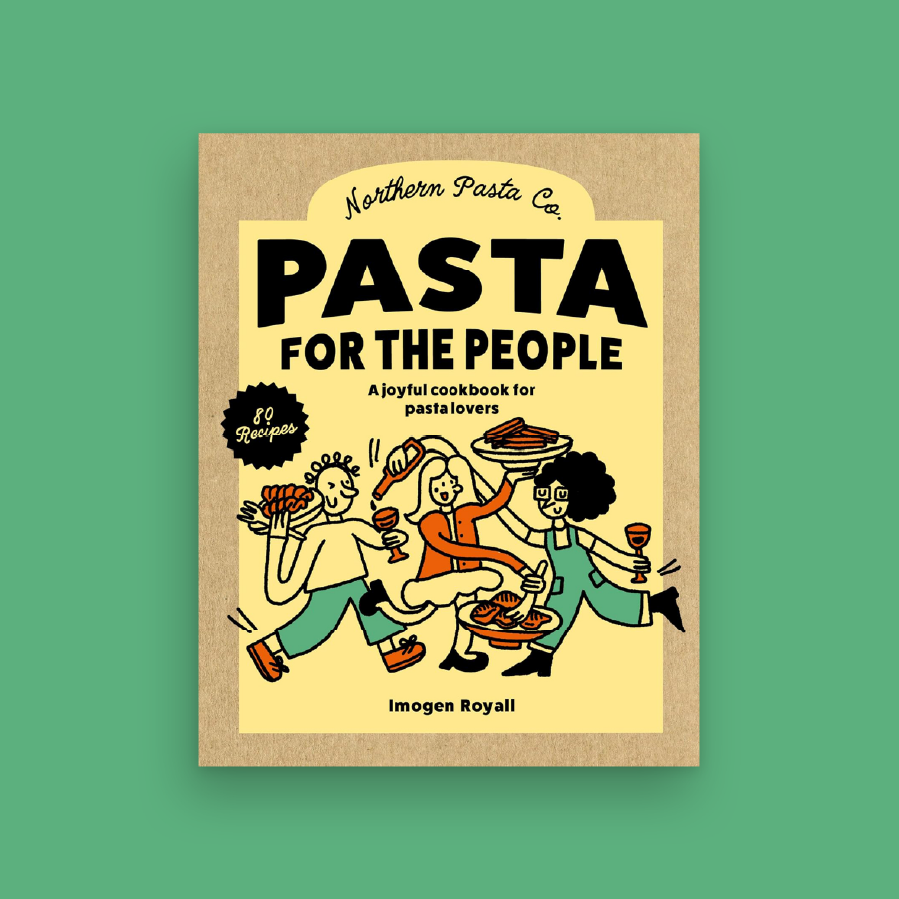
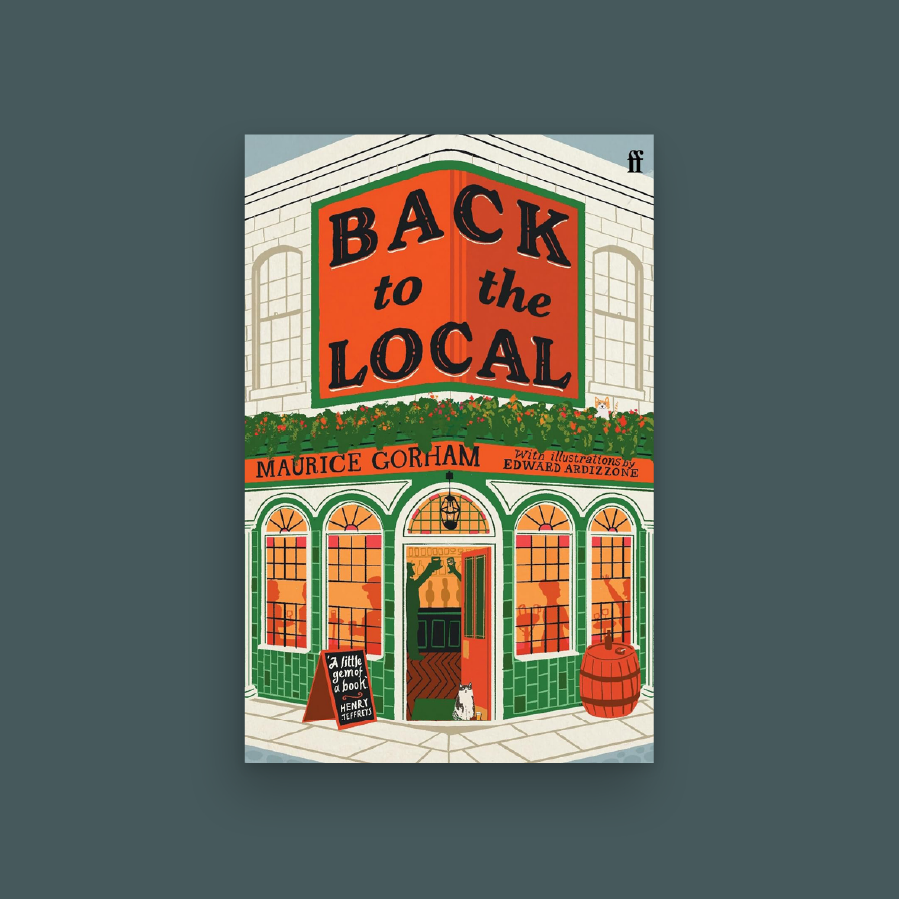
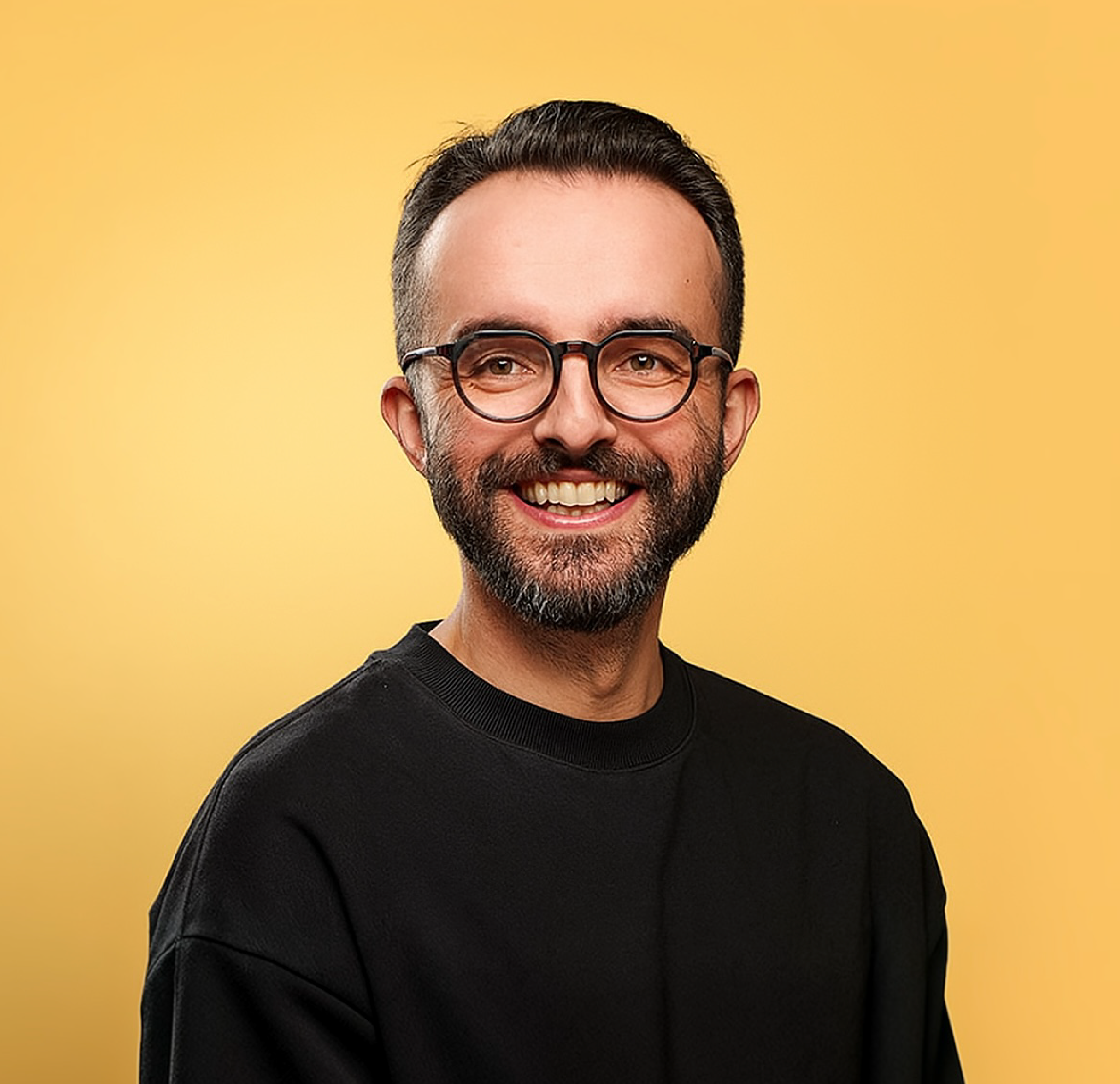
It's a fitting detail for a man who has built an entire project around admiring cookbooks from the outside. Jamin is the person behind Books About Food @booksabout.food, an Instagram account that posts cookbook covers and interior spreads alongside the names of the people who made them — the designer, the photographer, the stylist, the editor. The website takes that archive a step further: unlike Instagram, where the books are primarily presented as a visual feed, it allows readers to search for specific cookbooks and trace the people behind them. Today, it holds nearly 4,000 designers, photographers, stylists, and editors.
From bookmark to database
The whole thing began the same way the Easy Wins story ends — with a book he didn't buy. He was on a short holiday in Paris, in 2016, wandering into a bookshop, when a cookbook cover stopped him. It was Five Morsels by Archana Pidathala, striking enough that he pinned it in his memory and told himself he'd order it once he got home. He didn't. And when he tried, he couldn't find it anywhere: no product listing, no images online, nothing. Eventually he tracked the author down on Facebook, a platform he barely used, just to ask where on earth the book had gone.
"There are so many of these books you might only ever see if you actually visit a bookshop," he says. "Online, there's so much happening that you can miss things completely." So, he started saving covers to Instagram, which wasn’t a project, just a private marker of design he liked, cookbooks or otherwise. He had no way of knowing it was the first brick in something much larger.
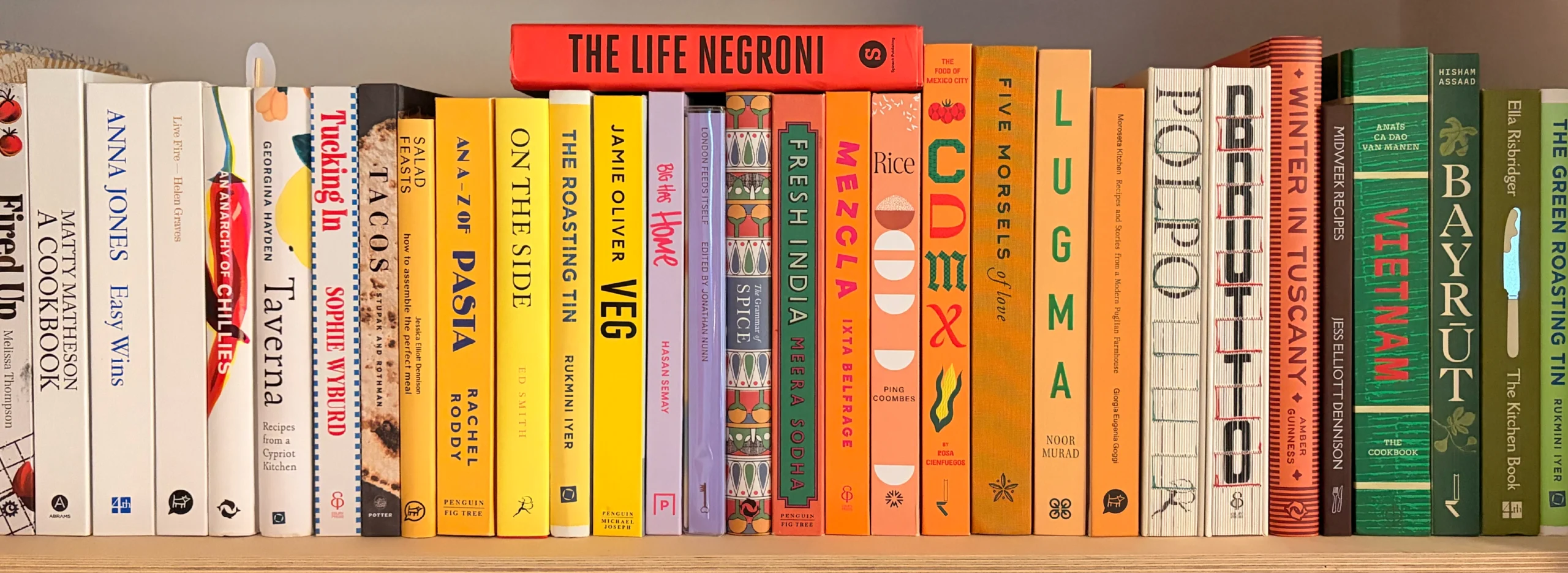
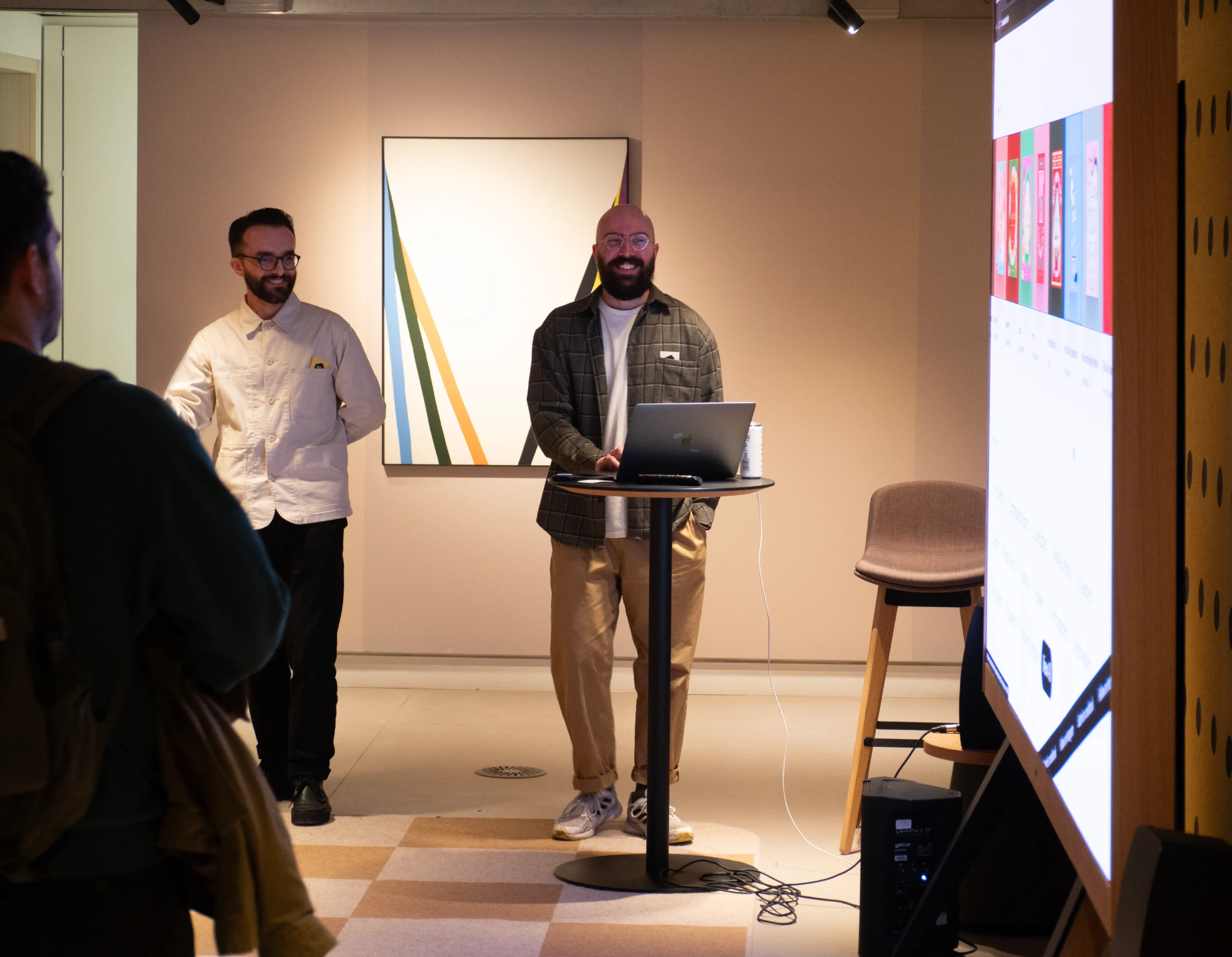
Jamin, originally from Malta and now based in London, still seems slightly bemused by how far the bookmark travelled. The turning point came when strangers started sliding into his DMs asking, “who designed this? Who’s the photographer?” He began logging the answers in a spreadsheet, sometimes buying a book just to check its imprint page for names nobody had put online. "That wasn't sustainable," he admits. The spreadsheet became a website two or three years ago, and the website became, almost by accident, a community.
The eye behind the curation
Ask him how he chooses what makes the cut, and he's upfront that it's subjective, mostly shaped by where he lives, his own culture, his own eyes. He gravitates toward the simple and graphic, and avoids portrait-heavy covers, gently pushing back on the industry theory that readers specifically want an author's face on the front. "People aren't stupid. If they want a cookbook by Yotam Ottolenghi, they don't need to see his face on it." What he chases instead is texture. Be it a clever idea, a striking pattern, or photography close enough that detail becomes the point. A Vietnamese cookbook with an extreme close-up of an embossed leaf is still his benchmark for "the sweet spot."
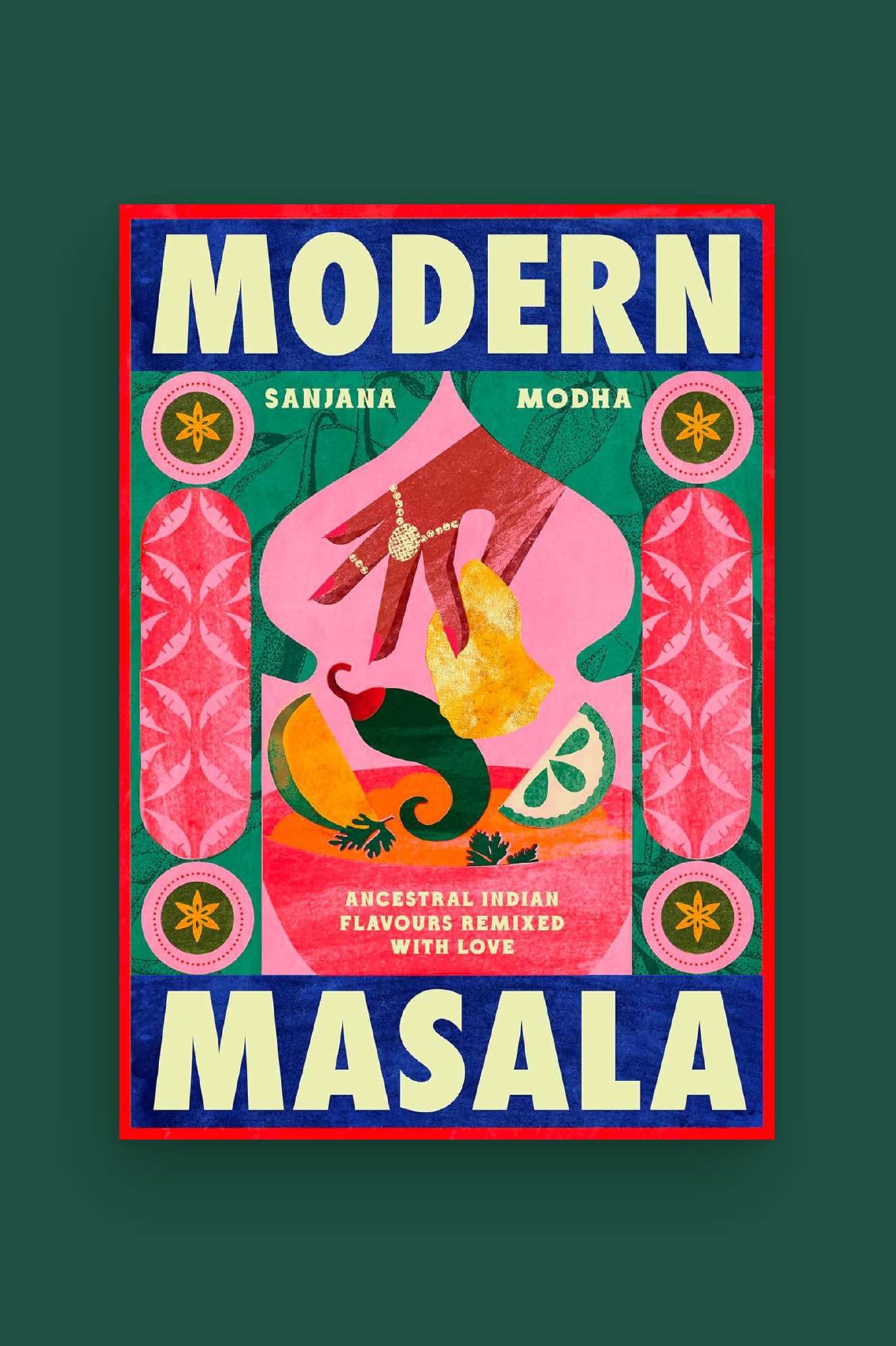
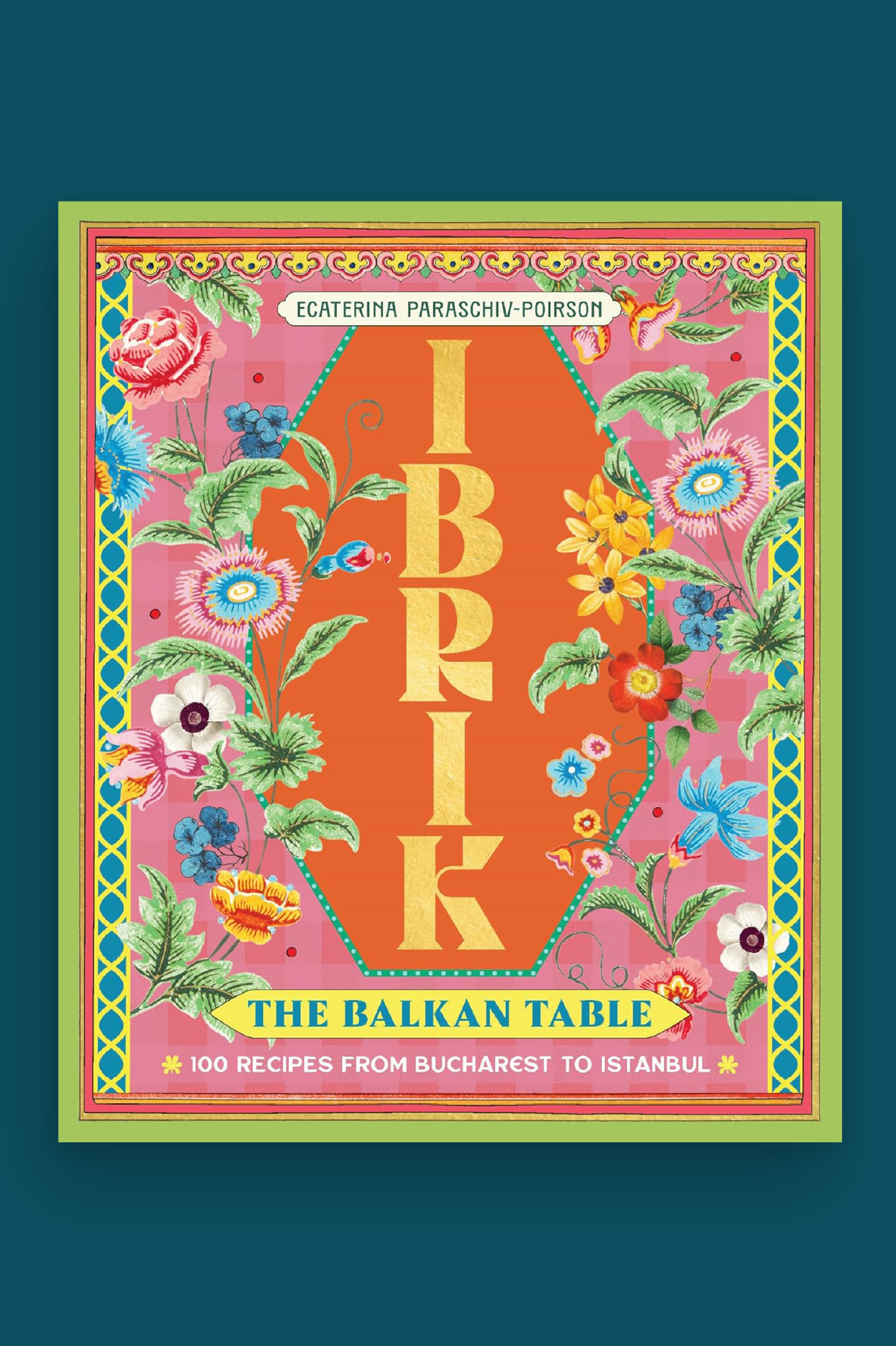
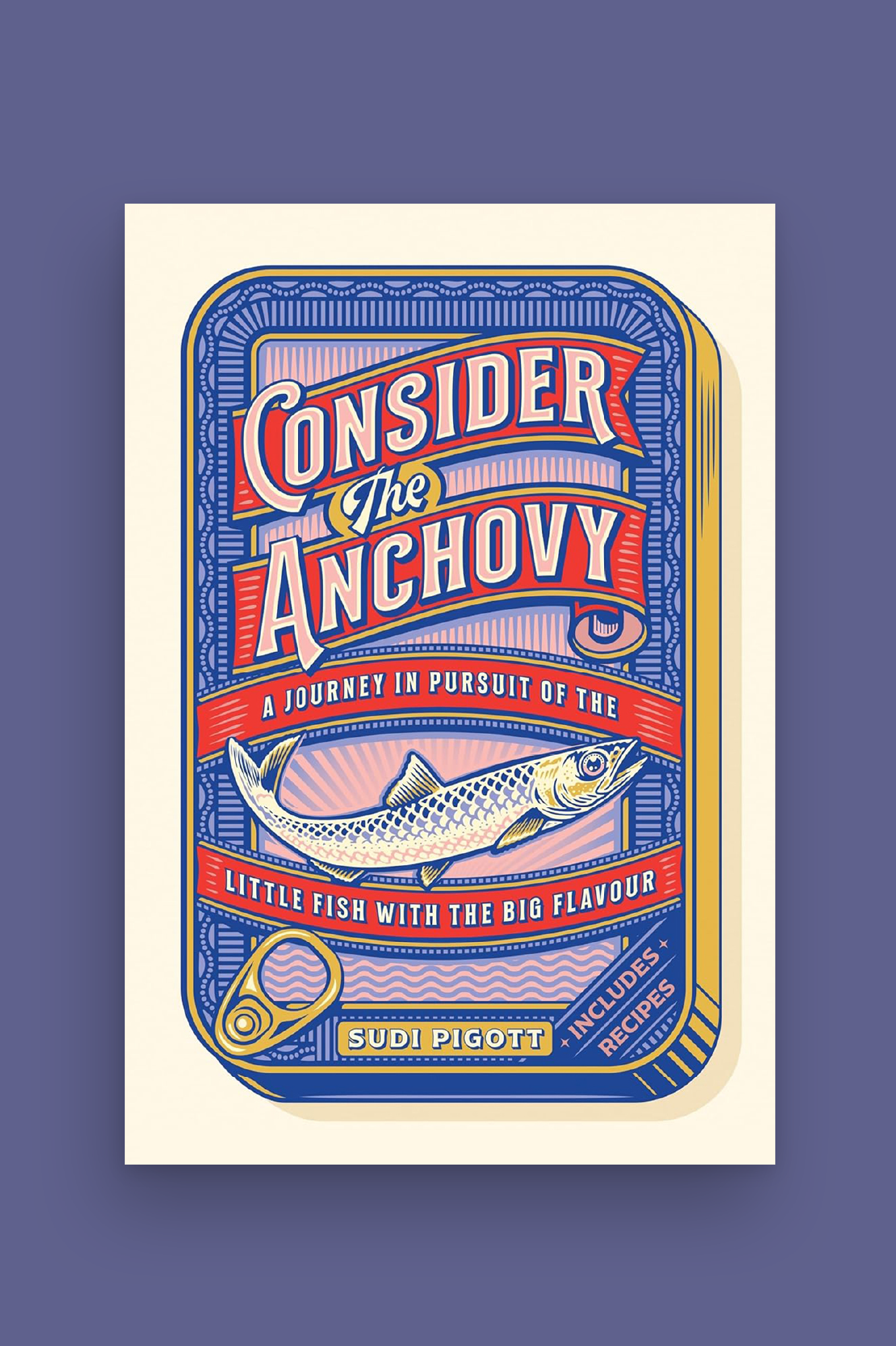
The favourites he keeps coming back to
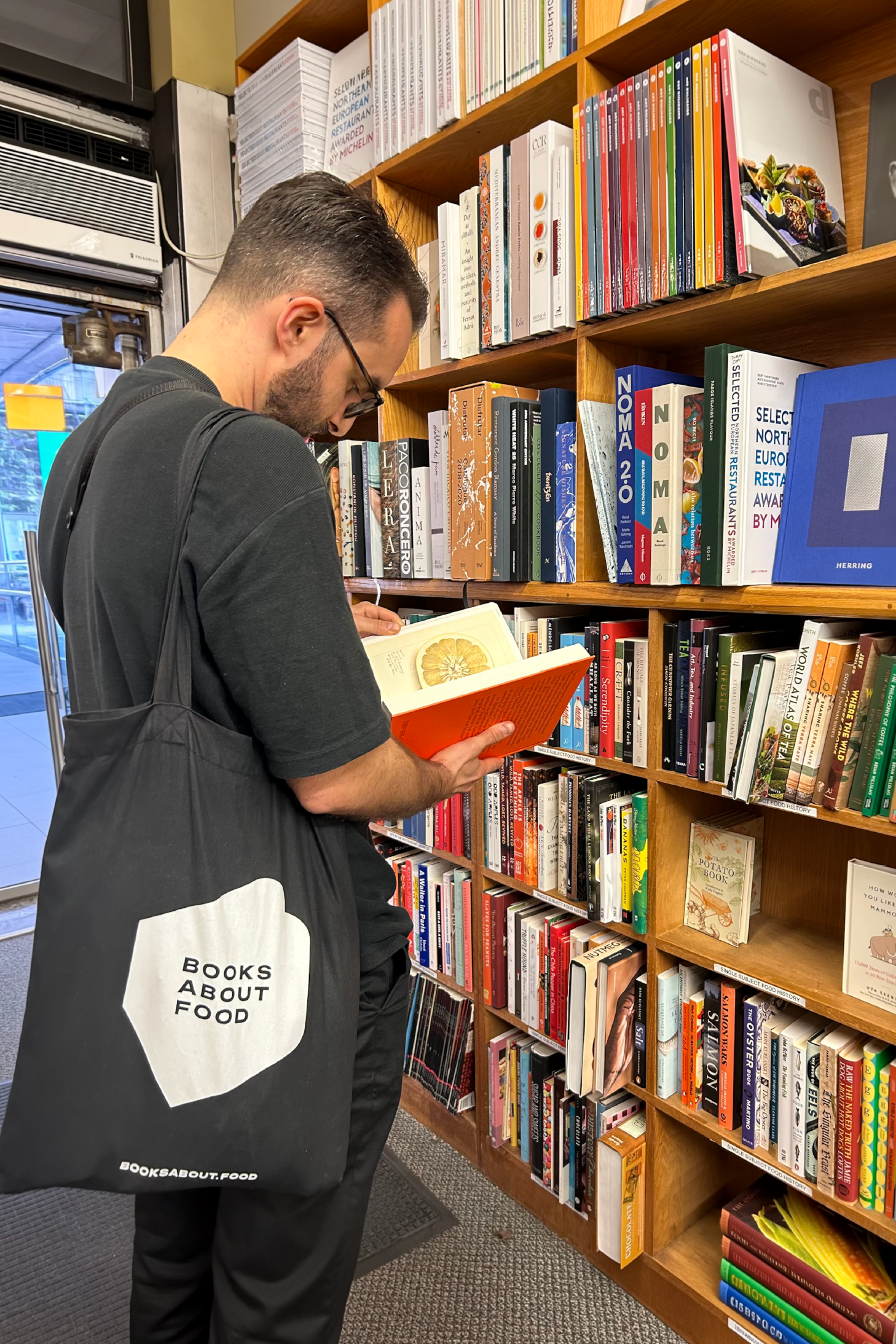
Pressed for a favourite, Jamin immediately points to Polpo, by the late Russell Norman, the restaurateur and author behind the Venetian restaurant of the same name, who went on to open Brutto before his death in 2023. "The way he wrote it is such a casual way of representing the food and the culture, and, in a strange way, how it should be served," To Jamin, Norman had the same easy charisma that made Anthony Bourdain so compelling, just with a distinctly British sensibility. He also excitedly mentions Melek Erdal, whose writing on food and identity he admires enough to keep nudging her—half-seriously—to write a cookbook.
The cost of being the internet's memory
Running the site isn't without friction. Sourcing credits that exist nowhere online means messaging strangers directly, book by book. Jamin has also said that the site has been scraped by bots repeatedly in the past six months. "Thousands of hits in a second," he says, oddly reassured by the attention, "somebody sees value in it. That's exactly why it's so hard to find elsewhere." A year ago, overworked, he seriously considered shutting the whole thing down. Then, on a bus one evening, a designer messaged him to say the site was essentially their homepage and that seeing their own work featured there had meant something. "That's what I keep in my head whenever it feels like too much. I don't want to let anyone down."
What he'd most want readers to know isn't really about the website at all. "If you meet me in a pub and we get talking about cookbooks and design, we'll talk about it forever," he says. "I like that I've got this niche I'm really into." It's the same instinct that had him messaging a stranger on Facebook over a book he almost let slip away, and that still has him, all these years and 4,000 profiles later, letting Easy Wins sit unread on the shelf, waiting for the right evening to finally crack the miso chapter.