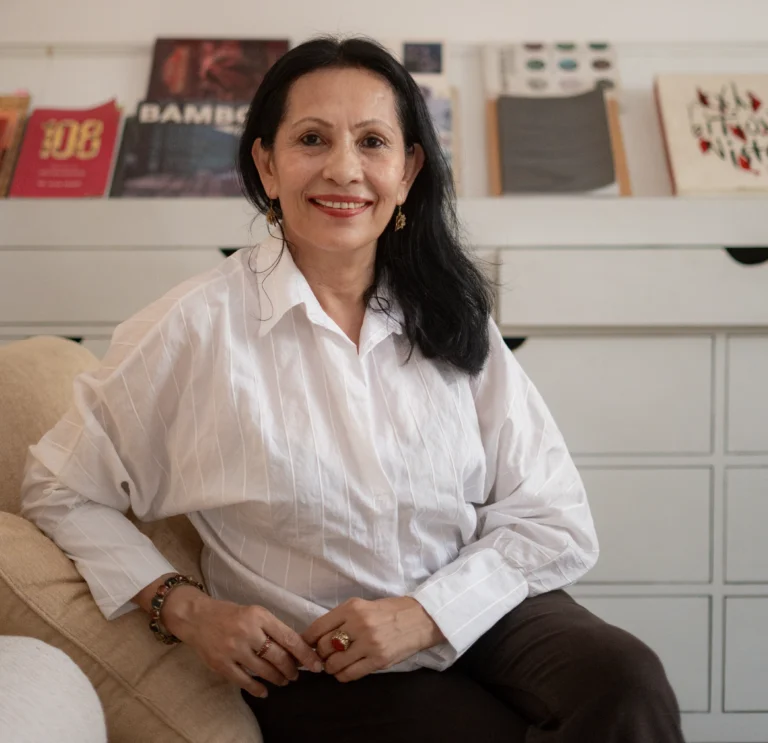
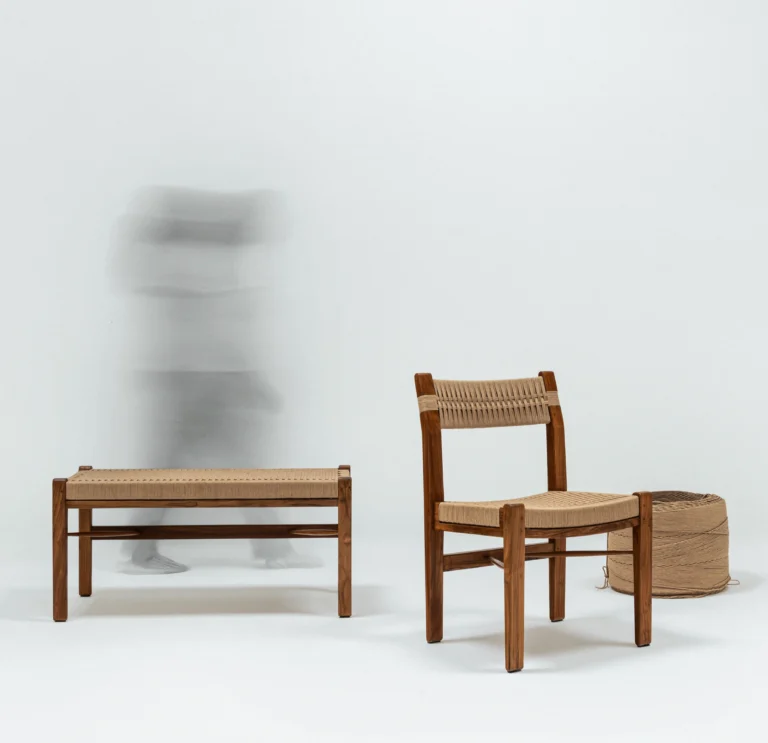
Form meets function, or not, with the KONSTRUNDA, a series of 22 eclectic objects from IKEA designed to be collectibles. Bright, bold and uniquely shaped, each piece is as individualistic as the seven designers who created them.
The name of the collection translates to "art tour," reflecting the spirit of the collaboration through diverse voices and cultural backgrounds. Spanning glass objects, ceramics, furniture, and textiles, where a mouth-blown glass vessel becomes a focal point, a stool a sculptural statement, and textiles works of art, designers Akanksha Deo, Andu Masebo, Emanuele Stamuli, Igor Holtermann, Ingrid Leander Berg, Lisa Reiser and Lisa Hilland have come together to create a collection that is equal parts adventurous and fun.
Democracy, by design
Creative lead Karin Gustavsson puts it rightly, "Art should be available for all to enjoy, not a luxury reserved for galleries." This isn’t surprising for a brand that is known for sneaking good design into ordinary lives and making it democratic. Gustavsson leans on that same instinct here, pointing to the company's know-how with materials, proportions, colours, durability, and framing the project as a platform for artists and a way for everyone to collect work that actually feels like them.
No two alike
What makes KONSTRUNDA compelling is how different the pieces are from each other, spotlighting the distinct styles of the makers.
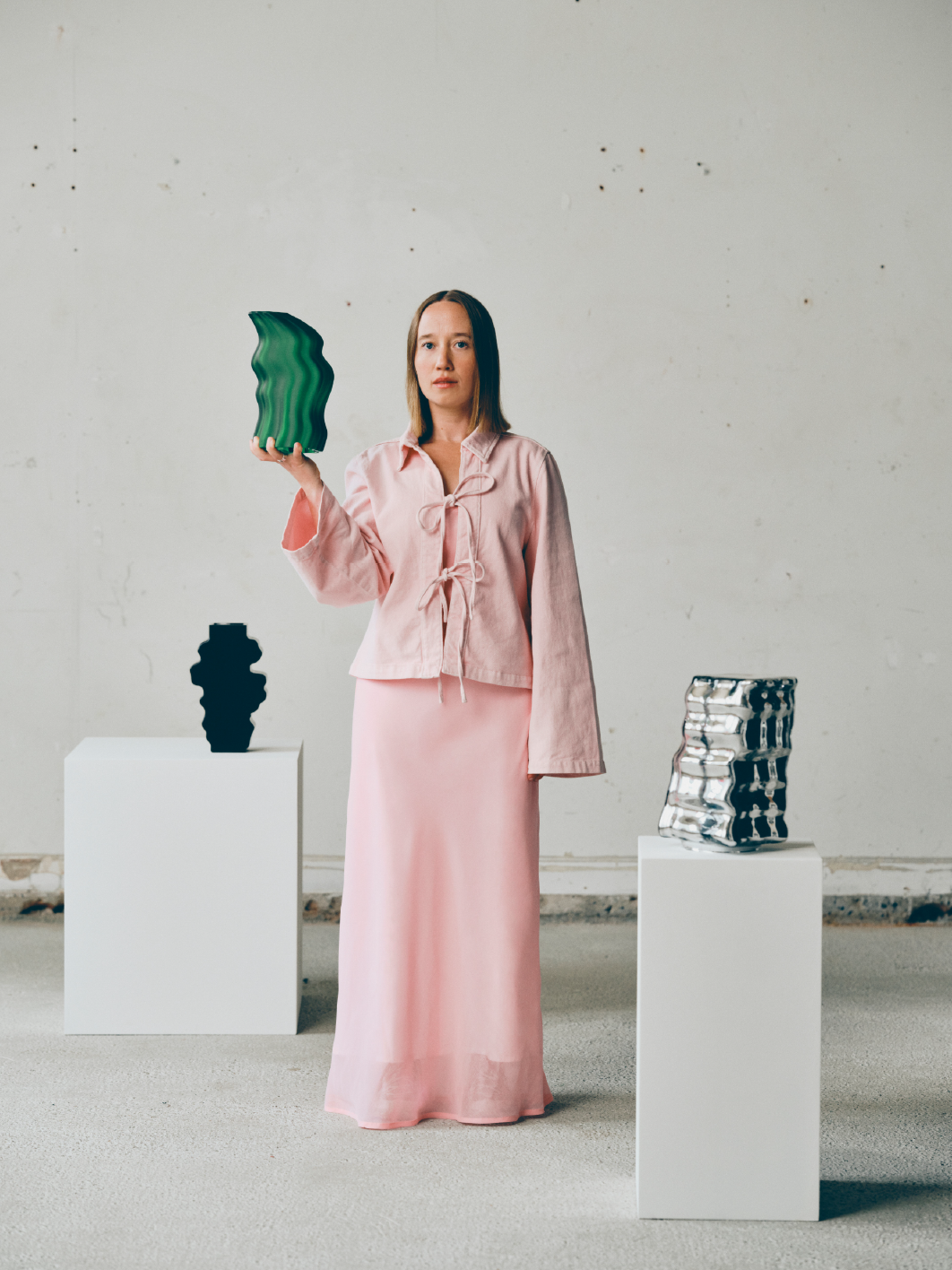
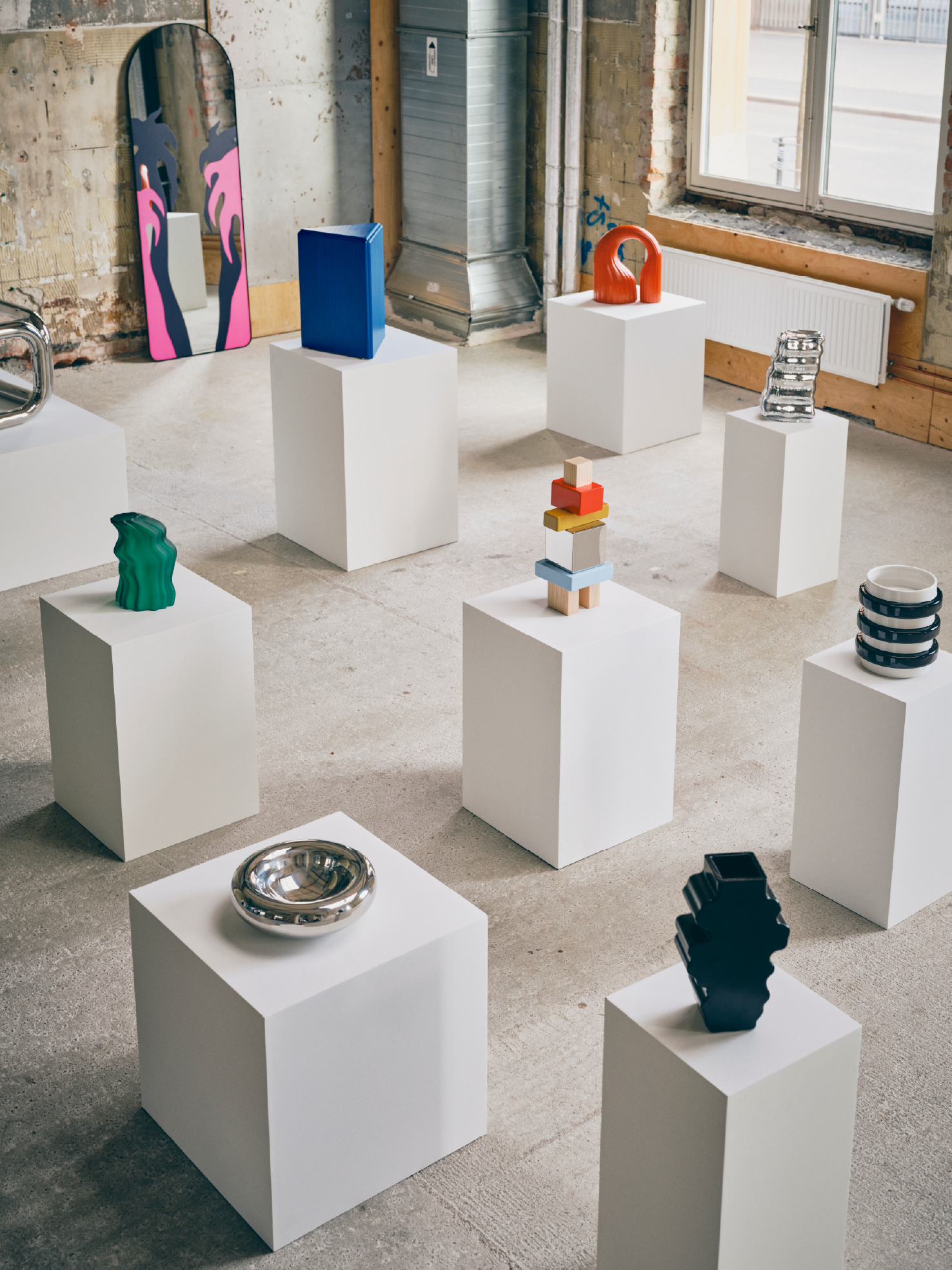
A selection of sculptural ceramics and glass pieces displayed within the collection's gallery-inspired setting
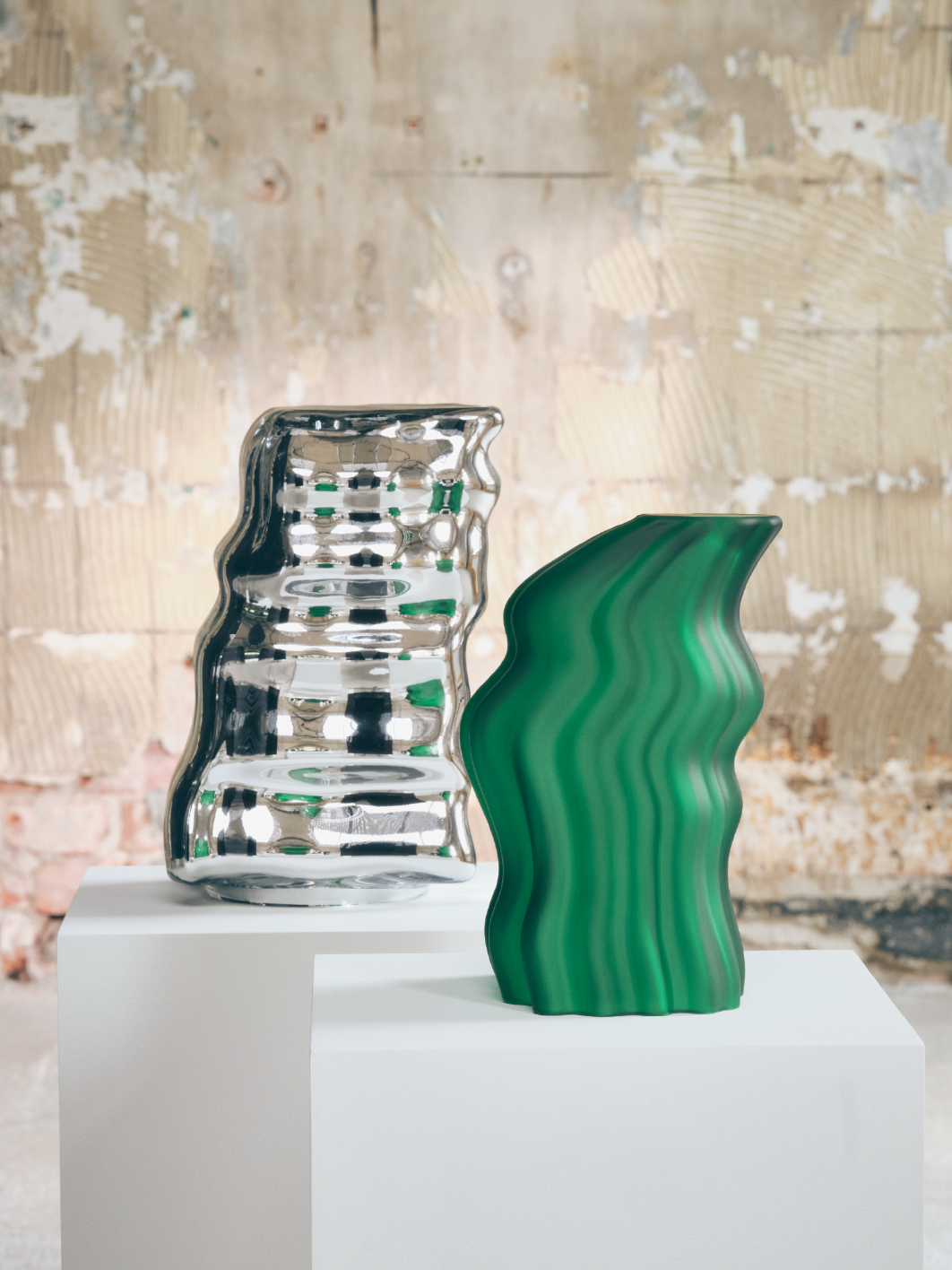
Lisa Reiser's mouth-blown glass objects play with transparency, reflection and organic shape

Bold objects become functional collectibles, bringing a playful artistic presence into the home
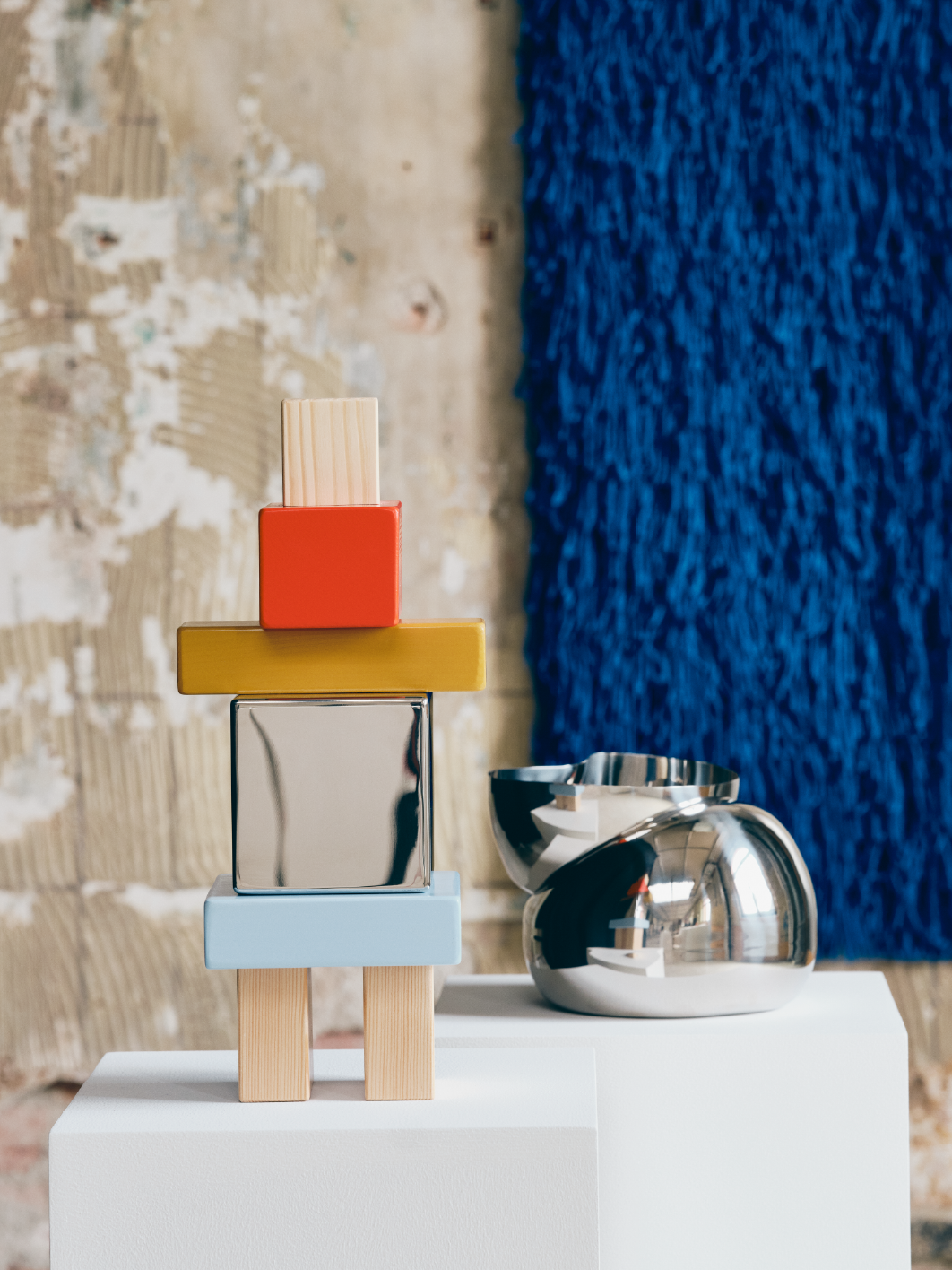
Akanksha Deo's whimsical forms draw inspiration from childhood toys and ideas of connection
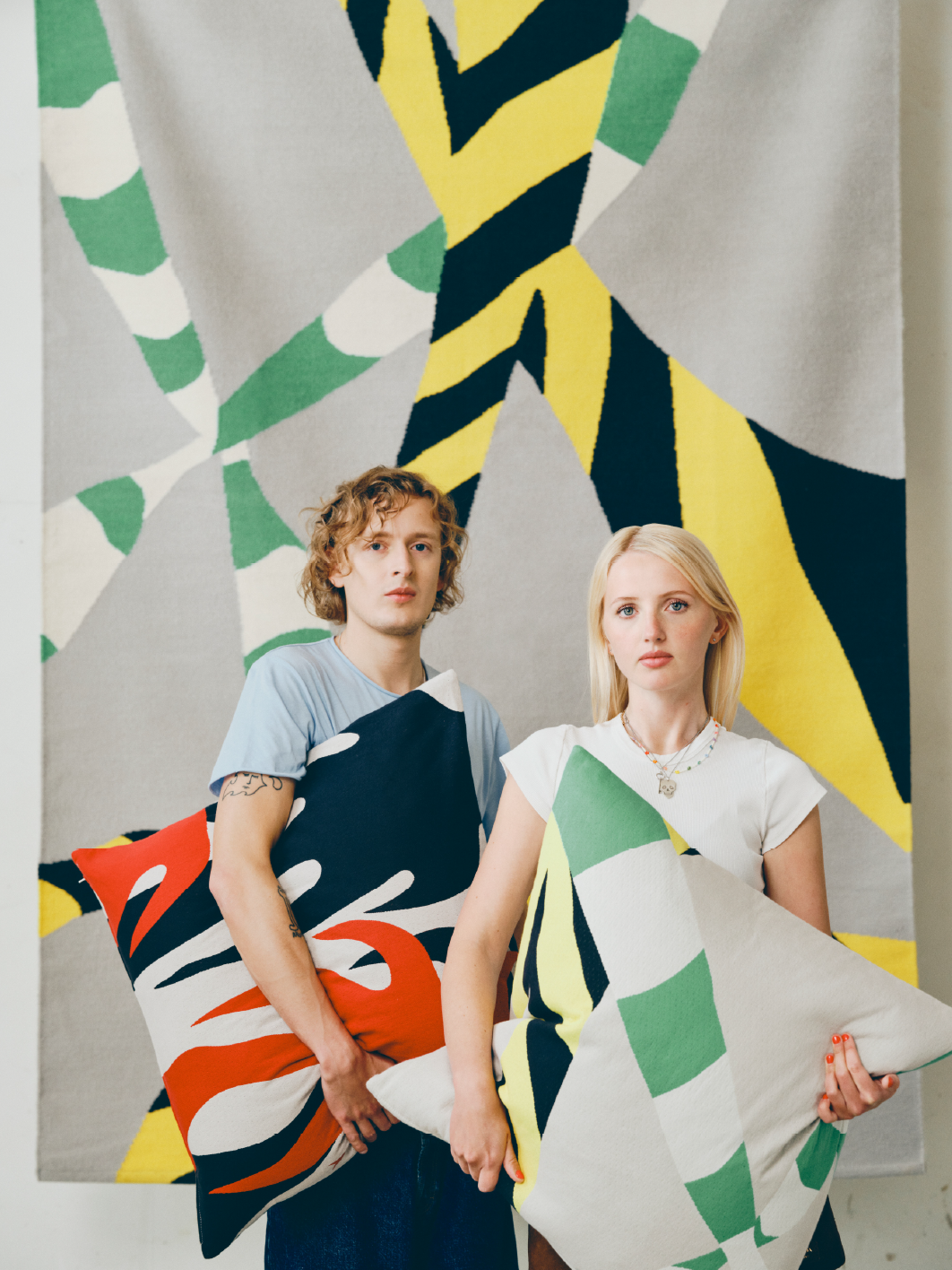
Ingrid Leander Berg and Igor Holtermann transform everyday city markings into bold textile designs
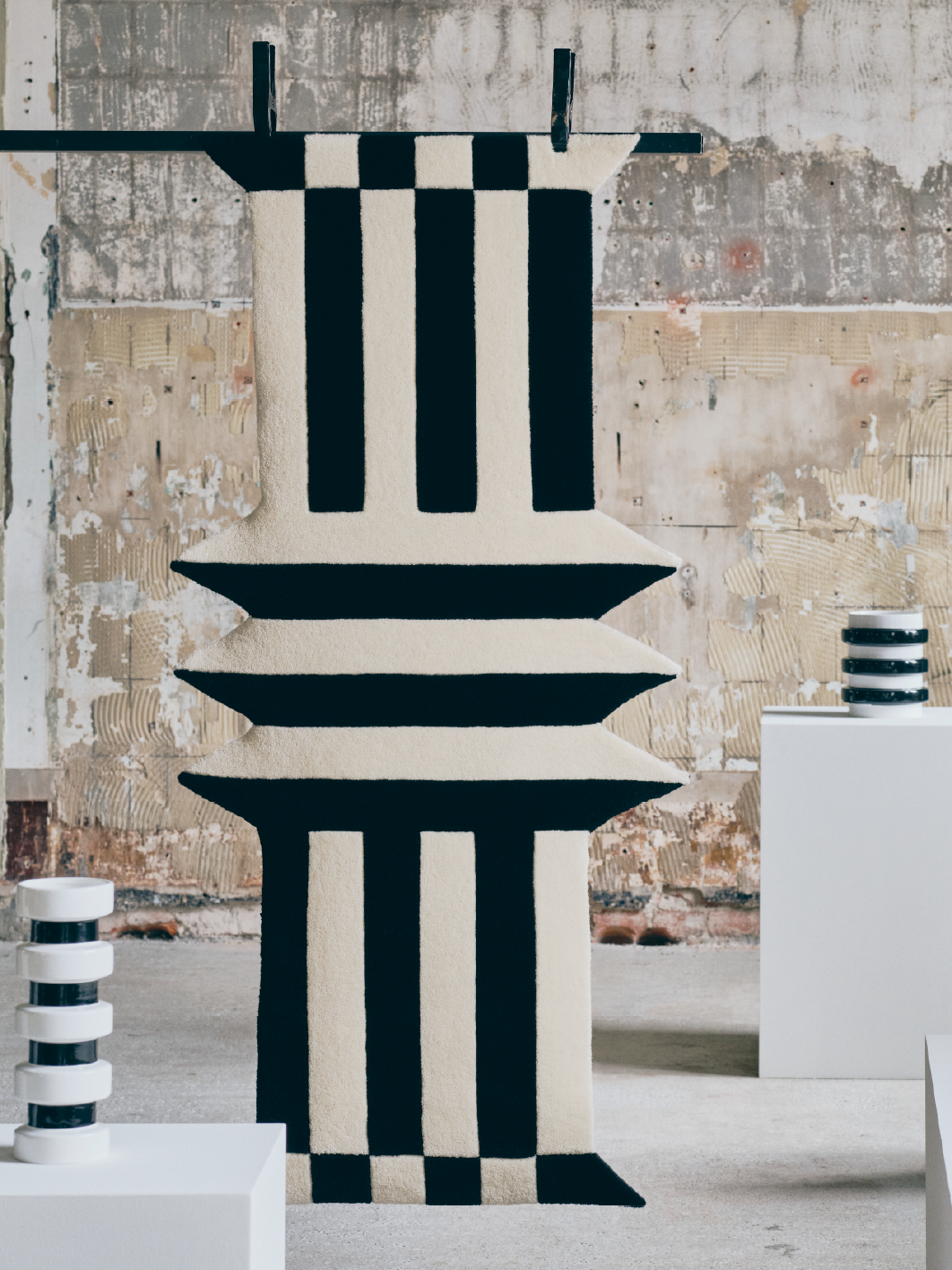
Emanuele Stamuli translates geometric motifs into striking textile and decorative pieces
Furniture designer Andu Masebo’s glass table
Wrapped in a chunky welded chrome frame, this glass table comes with two sculptural wooden blocks, one raw pine, one finished in electric blue. True to IKEA’s multi-purpose style, these two can be viewed as either side tables, art objects or stools.
Artist Lisa Reiser’s mouth-blown glass piece
Swedish artist Lisa Reiser’s took a softer, more expressive route. Her mouth-blown glass pieces feature a green sculpture that resembles an oversized gummy candy, and a lacquered black vessel built purely to catch and bend light.
Artist Lisa Hilland’s sculptural stool
Another Swedish artist Lisa Hilland gave the brand's most iconic material a glow-up — pine, practically synonymous with IKEA, gets an ornate makeover as a sculptural stool, paired with a bold orange ceramic piece that converts the negative space around it as part of the artwork.
Designer Emanuele Stamuli’s collection
Specialising in interior design for luxury fashion houses, Emanuele Stamuli chose to go monochromatic — black-and-white objects like a statement rug and complementary vases with minimalist geometrical patterns. His read on the project: the collection lets people buy something because of how it makes them feel or look, with no function required to justify it.
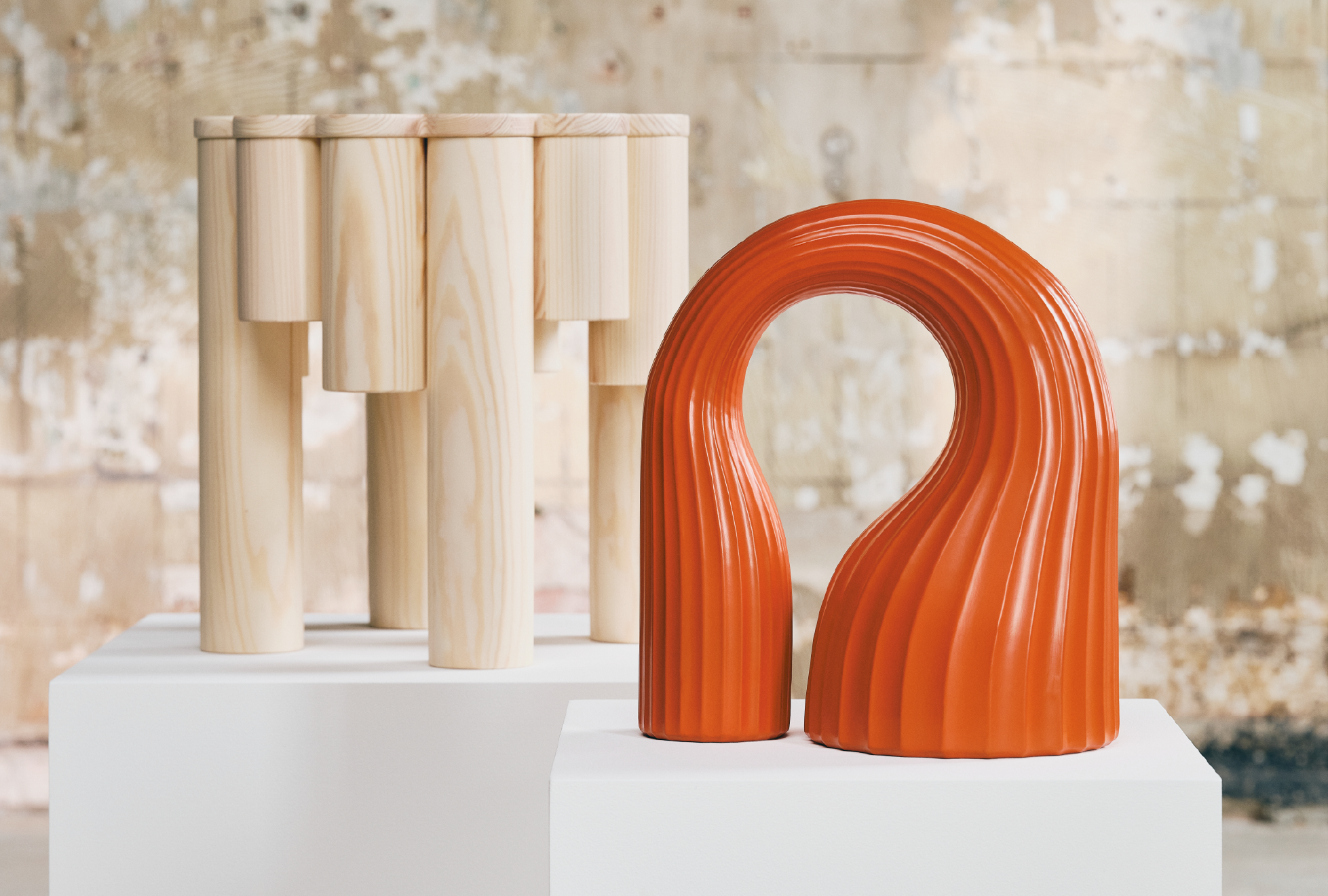
Sculptural pairing Wood and ceramic forms come together in a bold composition of shape and texture
Designer Akanksha Deo’s corner
IKEA’s in-house designer Akanksha Deo chose an emotional route peppered with humour. She built a small family of imperfect characters that when put together, somehow work. Think a mirror-polished steel bowl that looks as though it's been gently punched inward, and a totem of stacked wooden blocks — inspired by toys from her childhood in India — topped with a tiny mirrored cube that reflects whoever's standing in front of it. "We live in a time where many are experiencing loneliness, and I wanted to create characters that would give a sense of connection, companionship and familiarity to a space," she says.
Designers Ingrid Leander and Igor Holtermann
Rounding out the collection, its youngest contributors, Ingrid Leander and Igor Holtermann, skipped the studio mood-board entirely and looked out the window instead. Caution banners and zebra crossings, the kind of everyday city detail nobody clocks twice, became the graphic language behind their pillows, oversized floor cushions, and a palm-tree-printed floor mirror.
Nothing to prove
KONSTRUNDA makes art feel approachable and meaningful—something to be lived with and appreciated by everyone, regardless of spending power. The collection doesn’t rely on excess but embraces simplicity, allowing each piece to speak for itself. In many ways, it creates the ideal setting for a conversation to unfold, between people, places, and art. Every work tells its own story, and the ones that resonate most become a part of your homes.