For most of the year, San Giorgio Maggiore is one of those postcard islands you admire from a vaporetto (the local ferry) and never actually set foot on. Come September, that changes. From September 1 to 30, 2026, the Fondazione Giorgio Cini becomes the stage for Homo Faber 2026: An Island of Light, the fourth edition of the Michelangelo Foundation's biennial celebration of contemporary craftsmanship — and easily its most theatrical yet. The scenography is by Es Devlin, the British artist behind the Olympic ceremonies, Super Bowl halftime shows and that revolving Library of Light that pulled half a million people into Milan's Pinacoteca di Brera last year. When she designs a space, she designs it to be moved through, not just looked at, and that instinct sets the tone for the whole edition. That shift, from spectator to participant, is the real story here.
The artisans aren't behind glass
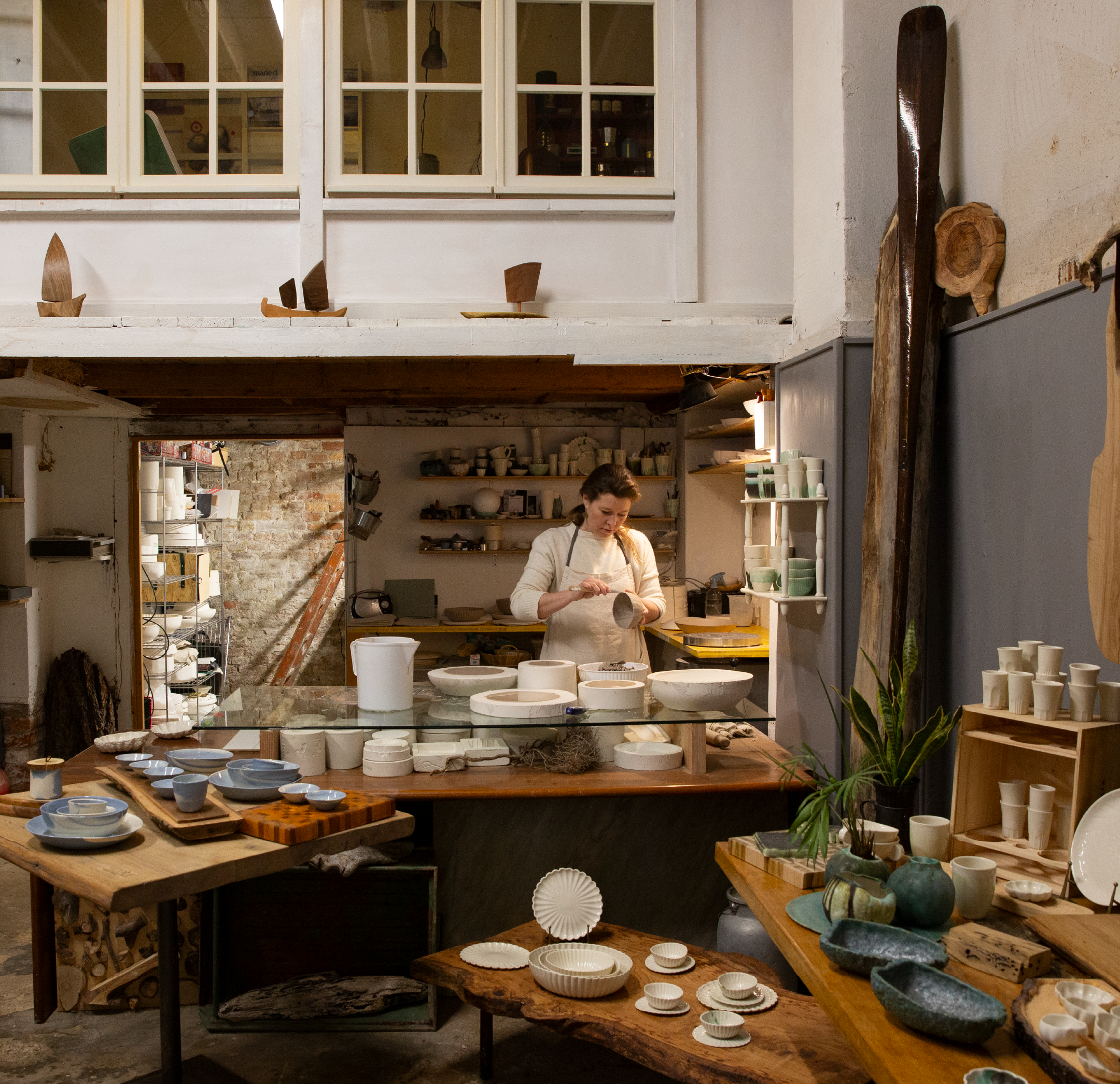
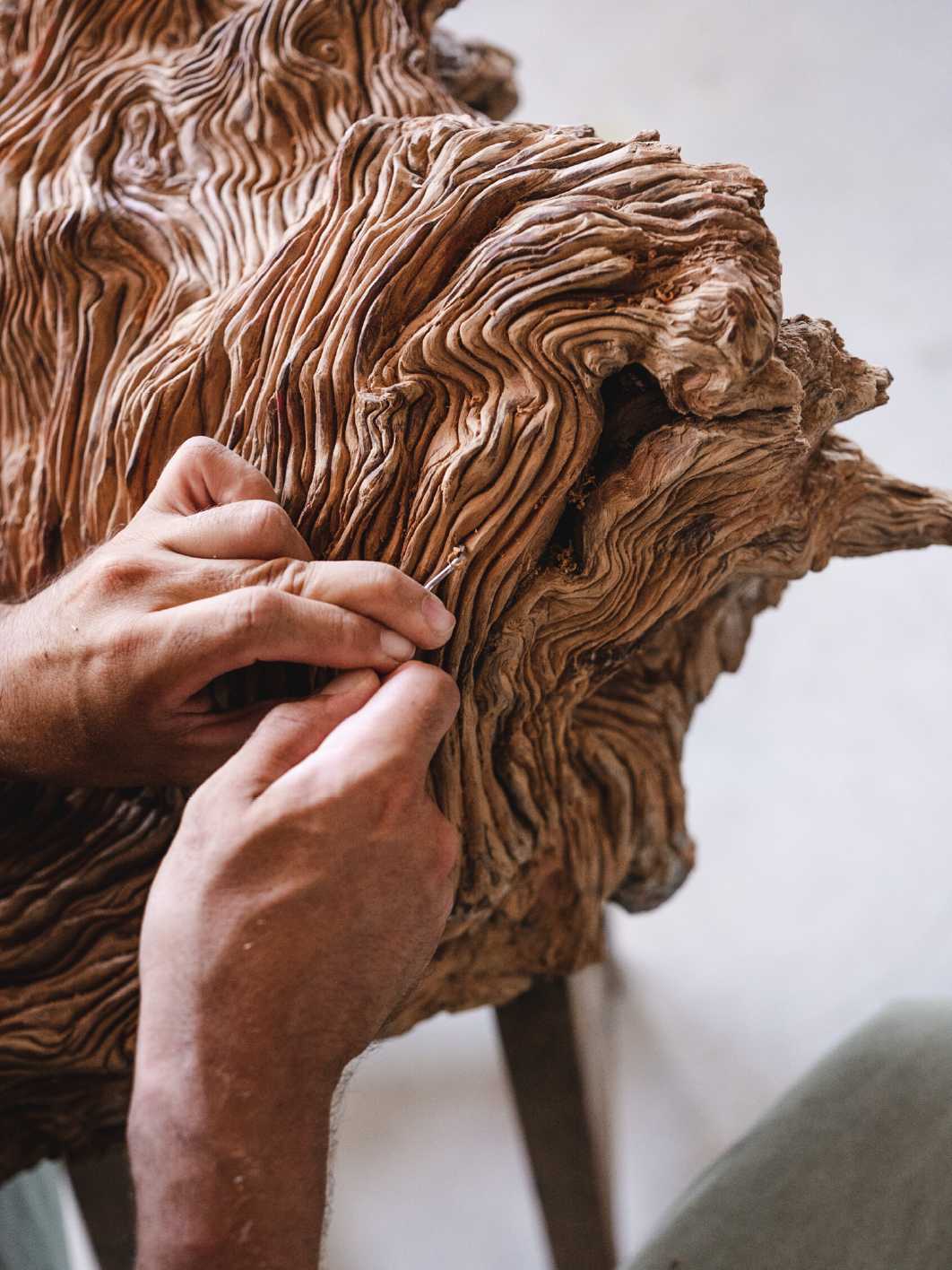
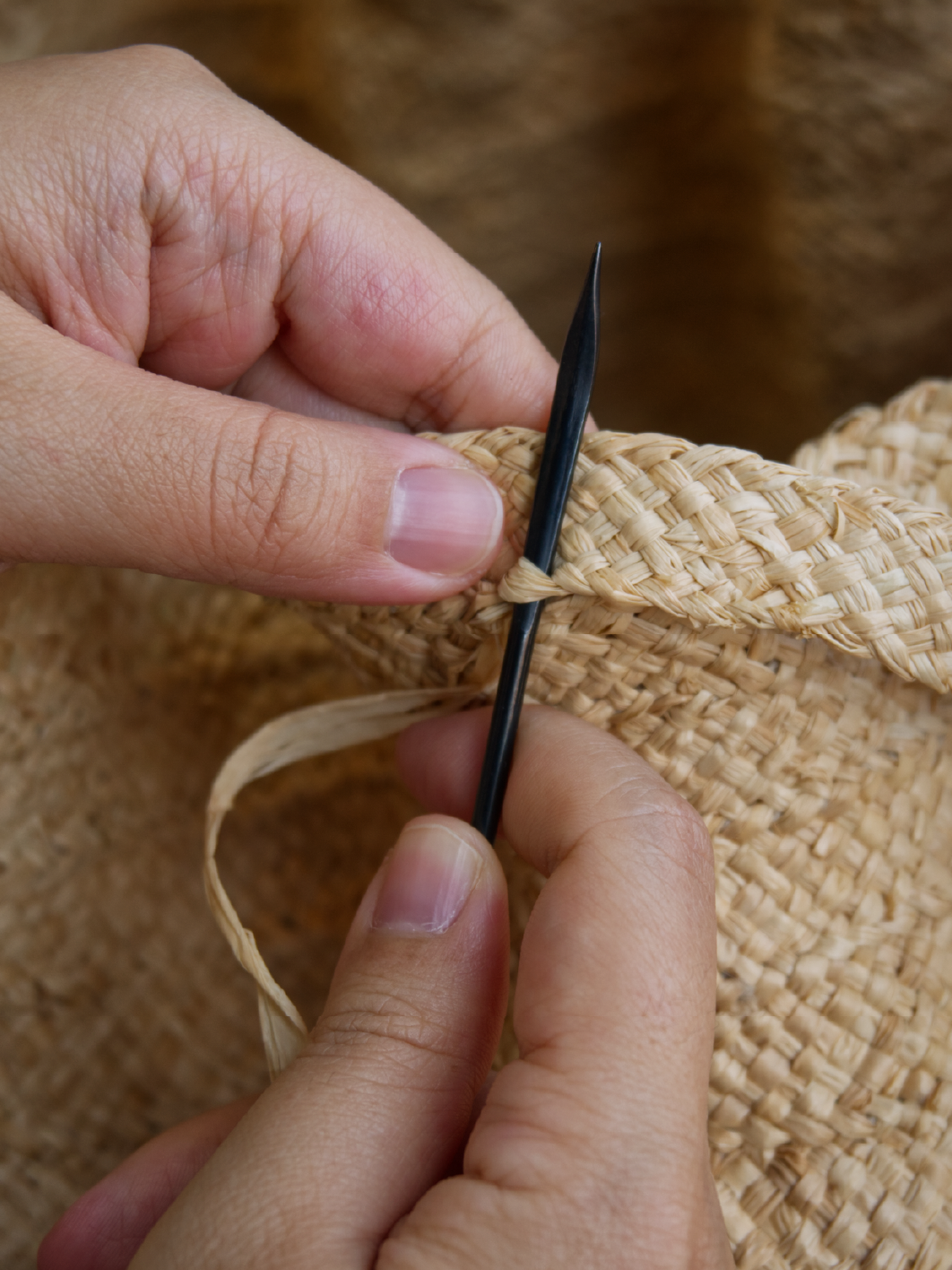
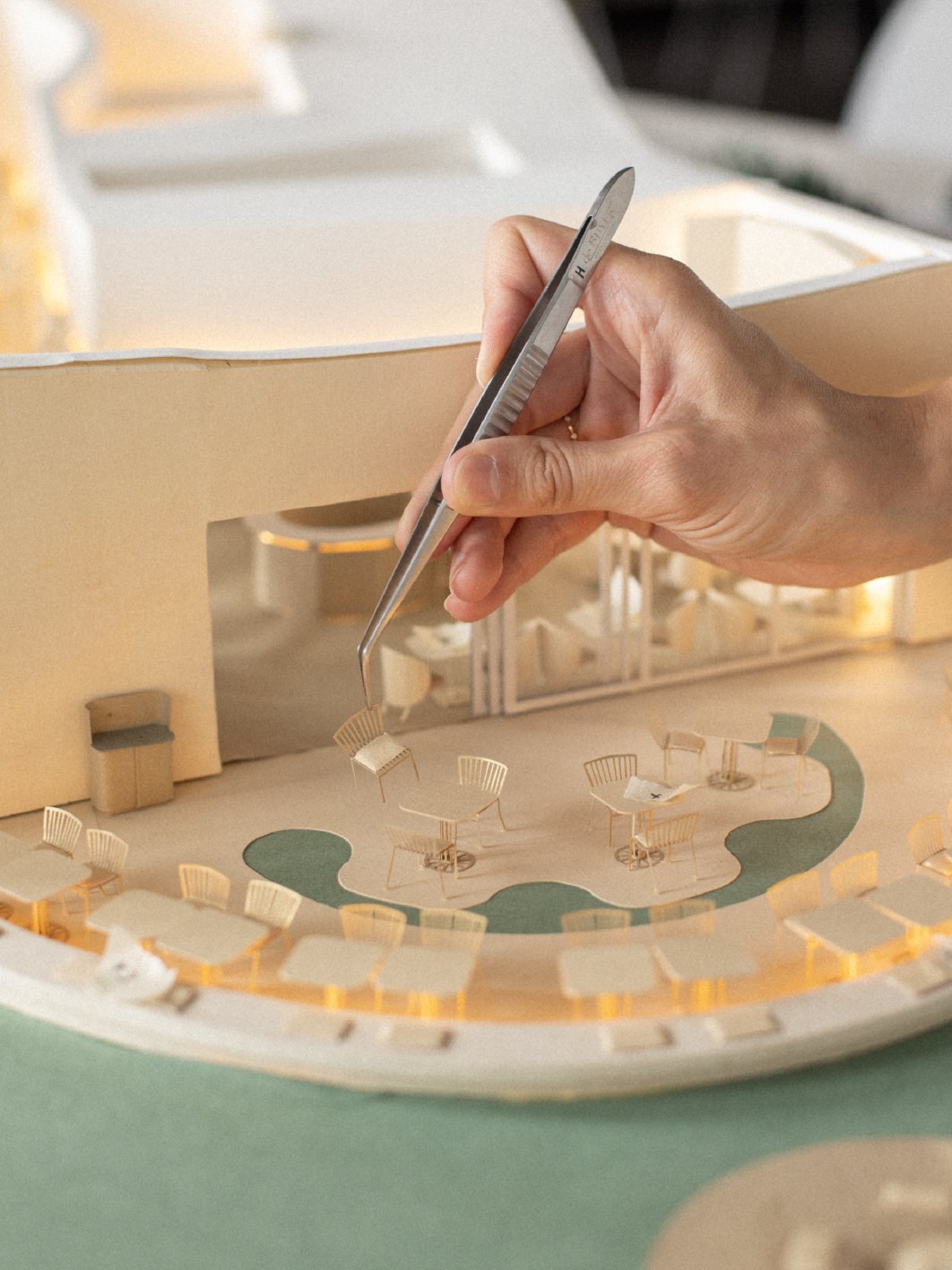
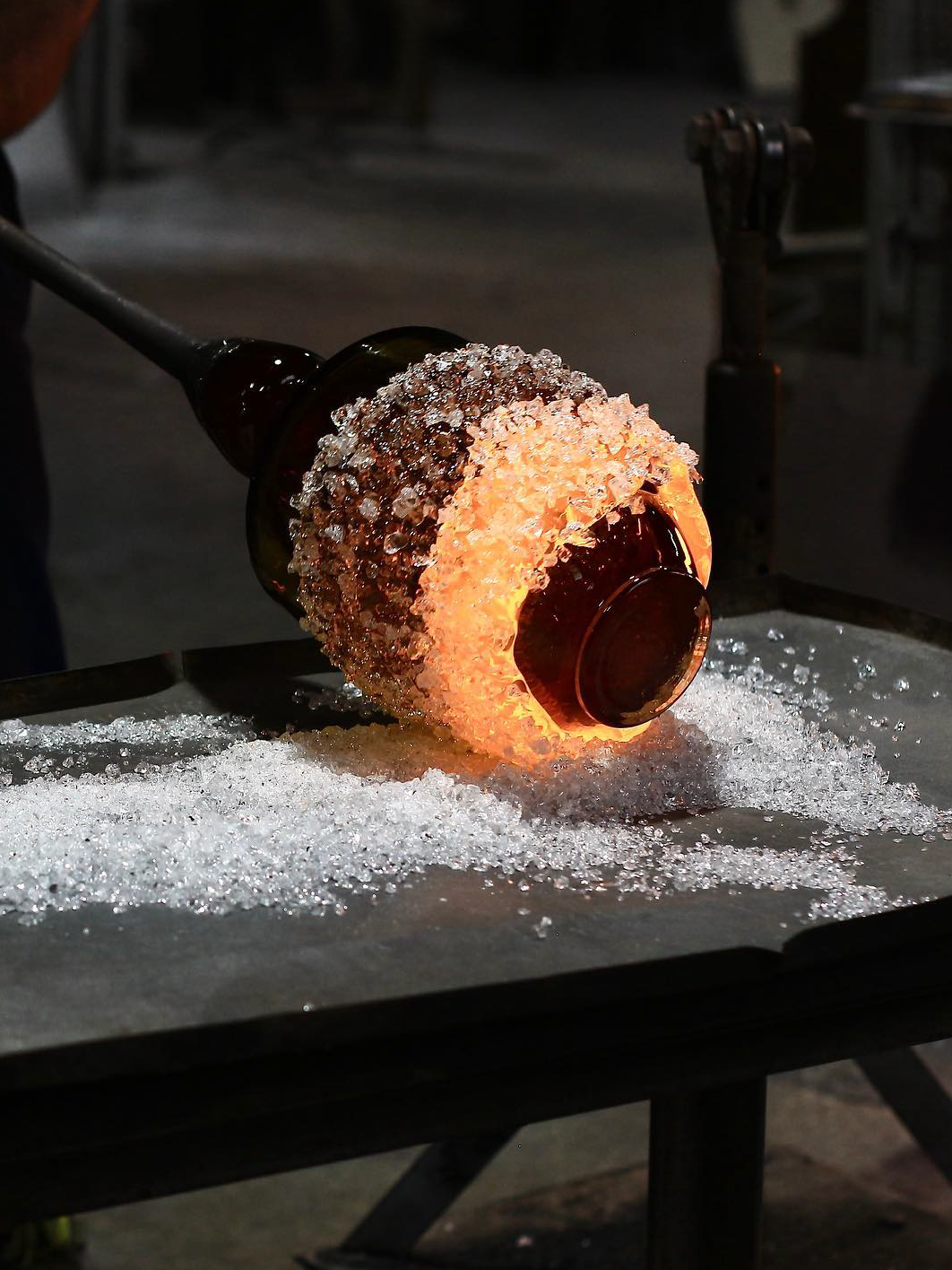
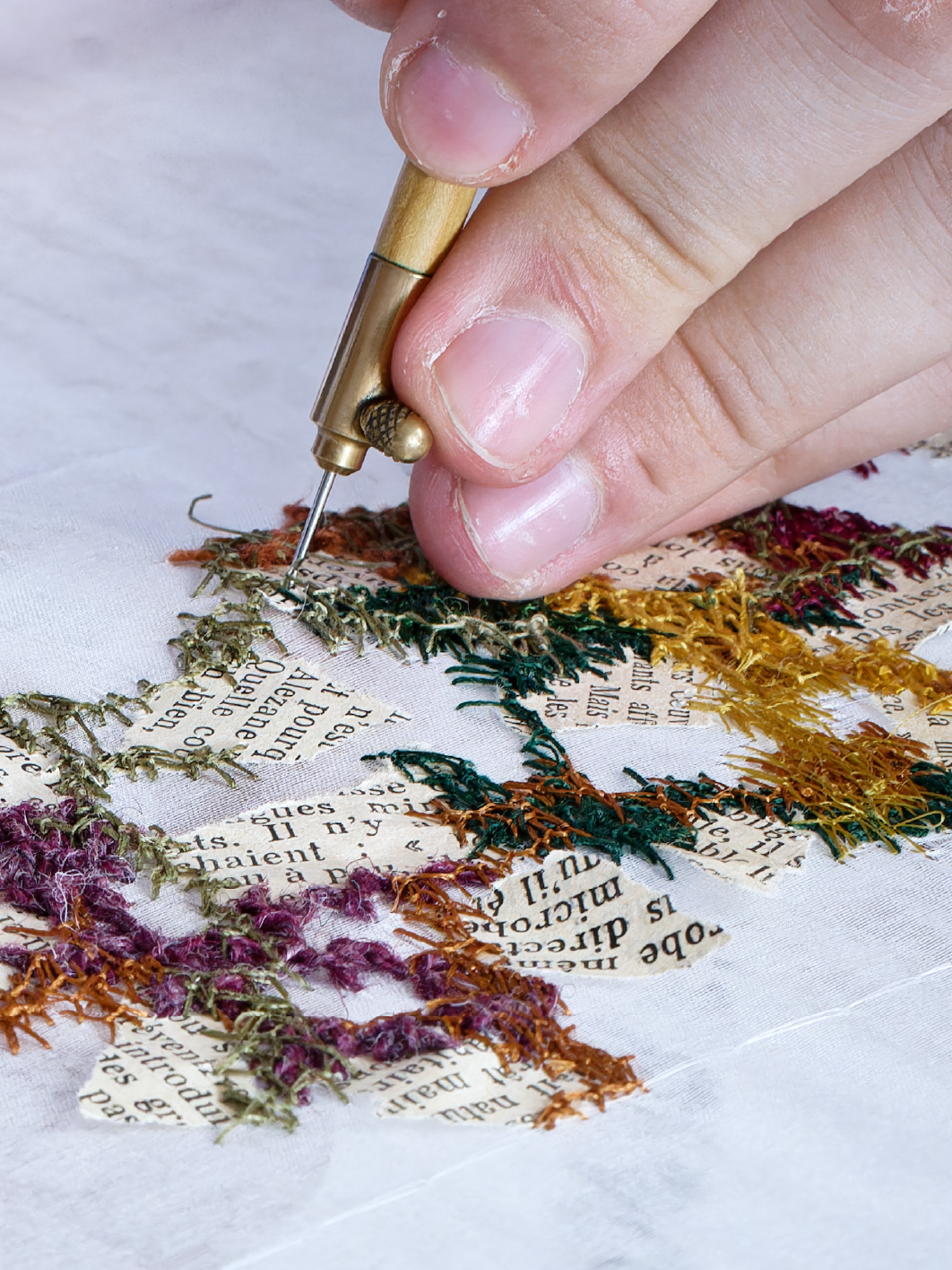
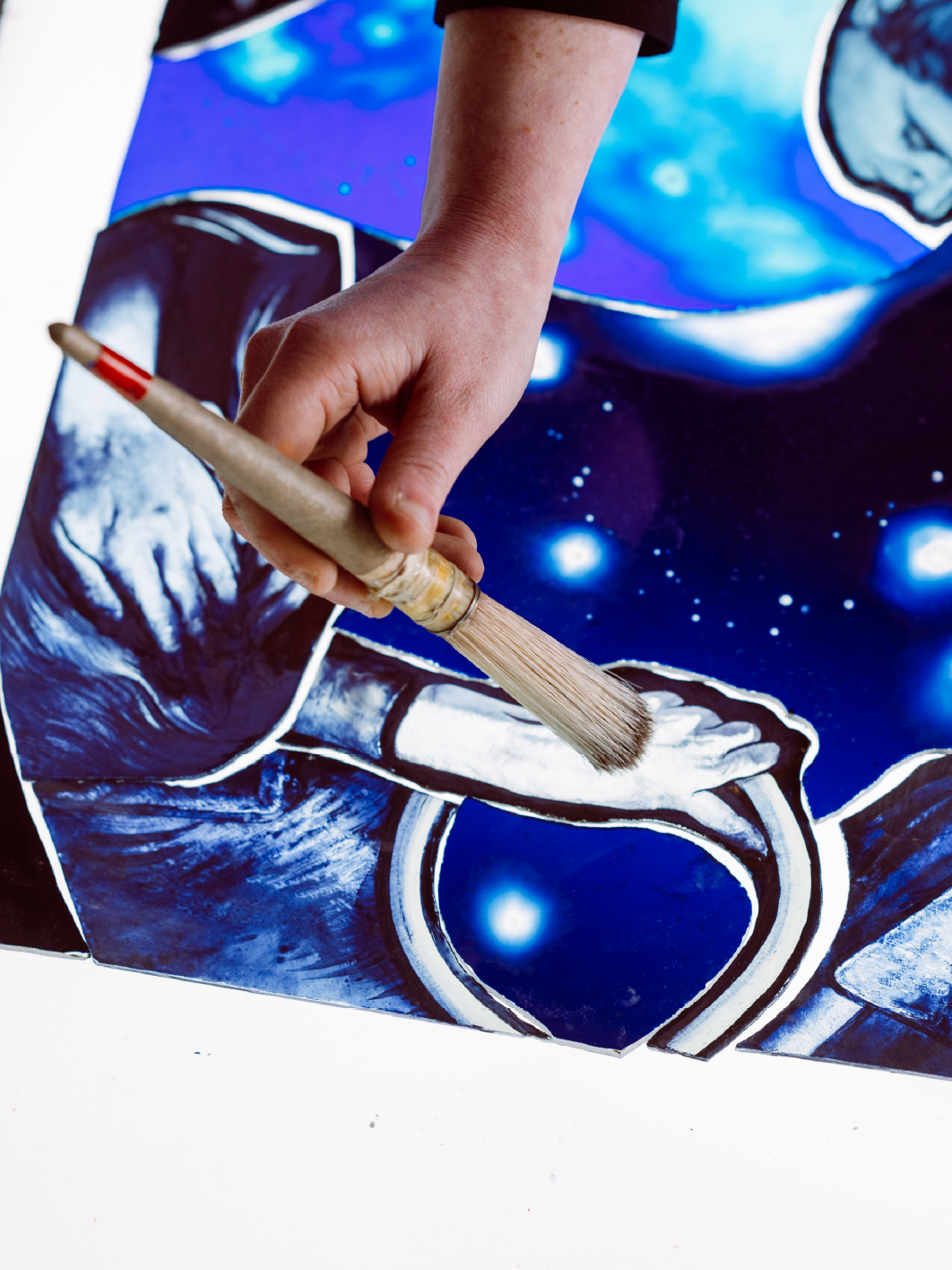
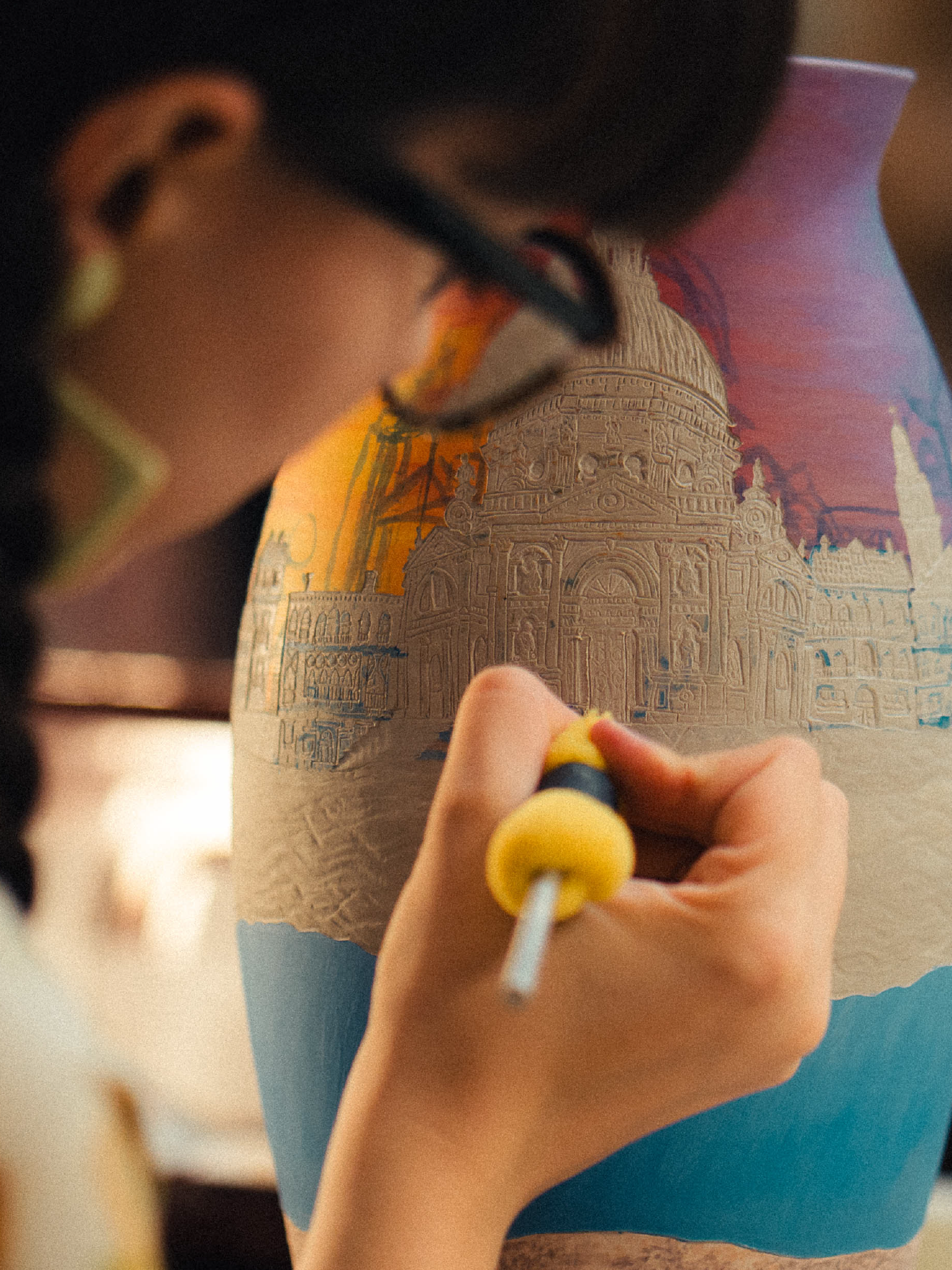
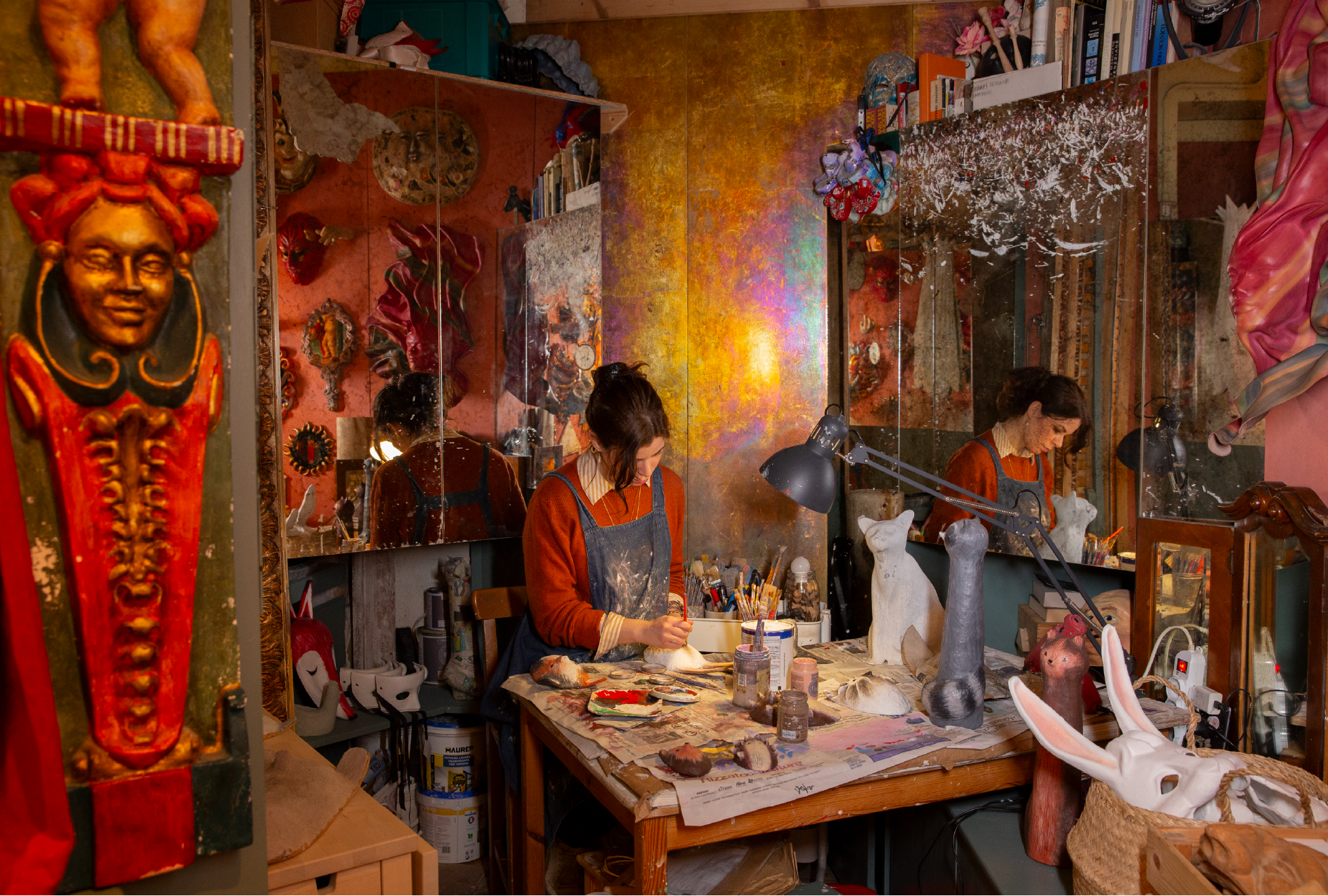
The heart of the experience is An Atelier Alive, a working studio built into the middle of the exhibition where independent master artisans work in porcelain, leather, paper and textile in real time, in front of whoever wanders in. A few rooms over, in A Rooted Ascent, visitors can talk directly to woodworkers and weavers about how raw, organic material becomes a finished object. None of it is roped in for effect — the craftspeople are there specifically to be interrupted with questions.
Then there's the part where you actually make something yourself. Mazda — an unlikely but committed backer this year — is funding two hands-on sessions under the banner A Place for Workshops: kintsugi, the Japanese technique of repairing broken ceramics with gold, and hanko, traditional stamp-carving, both taught by European artisans in a room curtained with white Swiss silk from Weisbrod-Zürrer and inscribed with calligraphy by artist Taró Nordberg. If that feels too structured, Mazda also sponsors a free origami workshop led by Italian artist Giuseppe Romeo, where every folded paper flower gets added to a single installation that keeps growing across the month — meaning the piece on display in week three literally didn't exist in week one.
Indian artists in focus
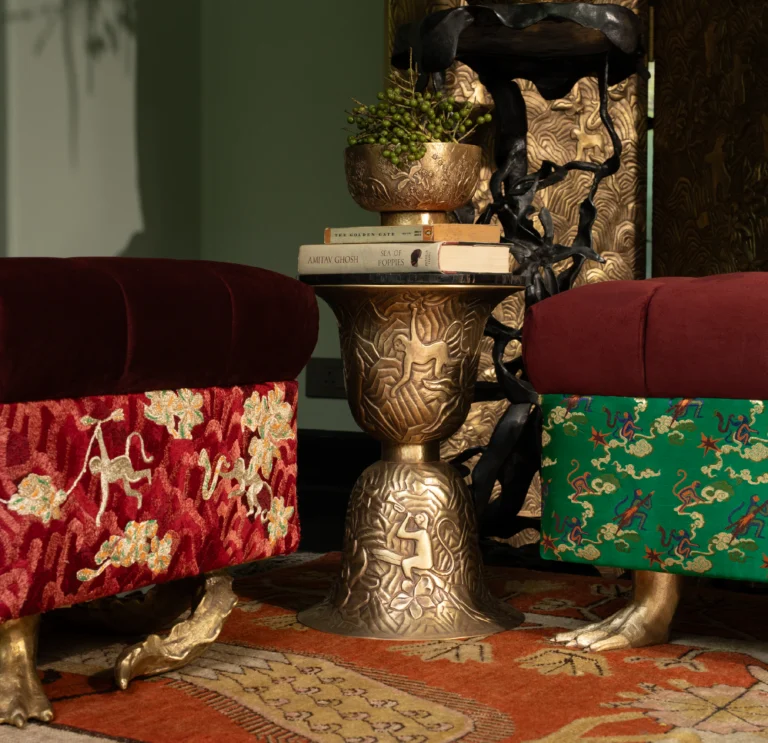
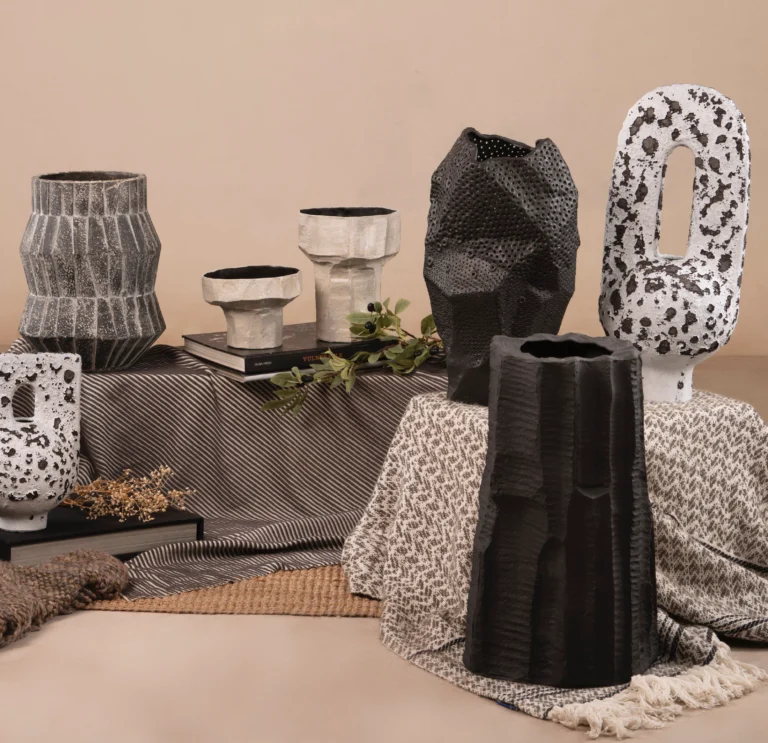
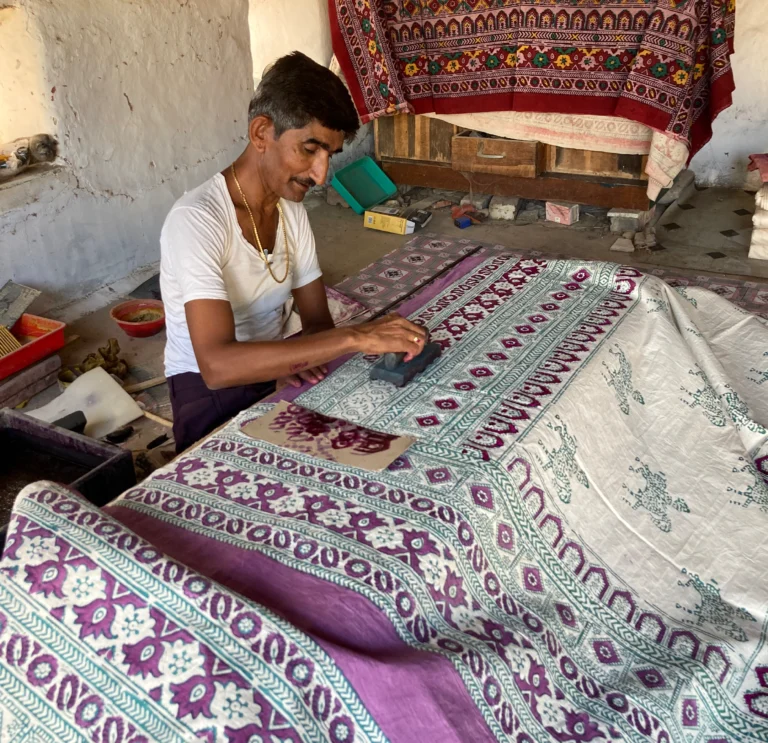
India also has a strong presence at this year’s Homo Faber, with about 30 craft artists and ateliers appearing throughout the exhibition alongside artisans from around the world. It’s a significant platform for Indian craft, which is increasingly finding its place in contemporary design. ChippiWara and Cane Concept bring furniture into the exhibition, while Chacko, The Vernacular Modern and Sampigé & Co bring their expertise in wood and marquetry. Vikram Goyal approaches metal as a sculptural medium, while Dhruv Agarwwal works with enamel. Chanakya School brings embroidery into the mix, and Rooshad Shroff turns to carved stone.
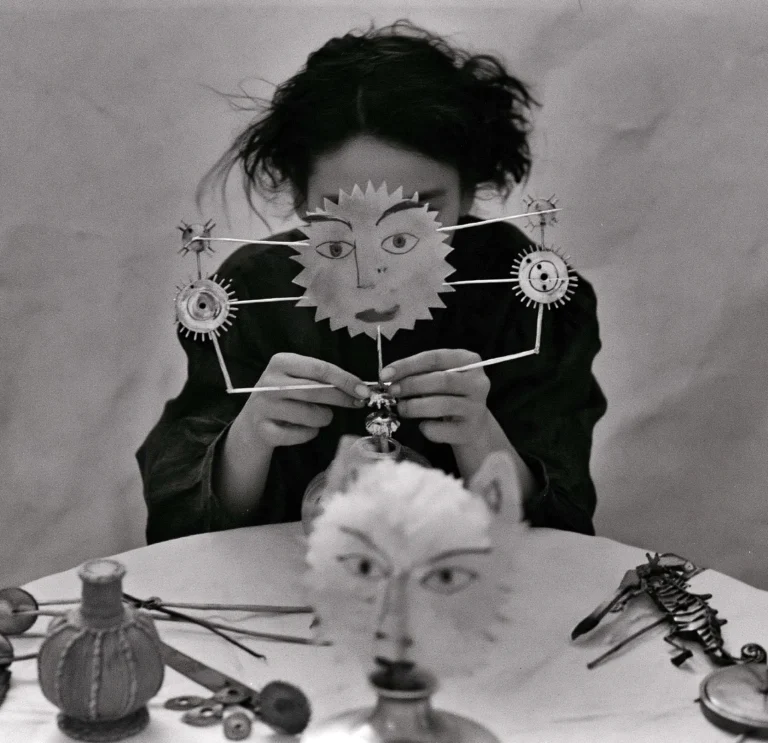
Elsewhere, Valay Gada, Frozen Music and Gunjan Gupta explore mixed-media sculpture, while Ankon Mitra brings the meticulous discipline of paper folding to the exhibition. SHED represents the more playful side of making through toy design. Taken together, these Indian makers and studios reflect the breadth of a contemporary craft landscape — one that moves between furniture, metal, embroidery, stone, paper and mixed media, and is increasingly being given a place within the international conversation around craftsmanship and design.
The festival doesn’t stay put on one island, either. Homo Faber in Città takes over Casa Sanlorenzo, near the Basilica di Santa Maria della Salute, with two shows worth the vaporetto ride: Ca' Riflesso, where 40-plus Italian artisans furnish an imagined collector's home, and Fiat Lux, spotlighting 60-plus handmade objects from Luxembourg. "Hosting Homo Faber in Città is an expression of the values we share with the organisation," said Sanlorenzo's Executive Chairman Massimo Perotti, "a deep appreciation for culture and art, a commitment to preserve and celebrate craftsmanship."
And that's before you count the roughly 130 workshops opening their doors for the month via the Homo Faber Guide, or the pile of standalone shows timed to the festival: a 12-chandelier installation in Piazza San Marco for Venice Glass Week's tenth edition, Richard Marquis reworking Murano's murrine technique, a book launch on Murano's glassmaking history, a mosaic show inside Orsoni Venezia 1888 — the historic centre's last working furnace — and a new Juliette Agnel photography installation from Van Cleef & Arpels.