Everything that needs storytelling is Joana’s cup of tea, and even more so if it is for a brand’s window design. For a decade, Portugal-born architect, artist and designer Joana Astolfi shaped the display windows of the French luxury house Hermès. While the brand remains distinctly French, Joana herself is a convergence of cultures — Brazilian, Portuguese and Italian by family and many more courtesy travel and work. It’s perhaps this mix that allows her work to evoke memory, familiarity, and a quiet sense of authenticity. What made this collaboration endure was a shared commitment to narrative: a rigorous understanding of the brand’s legacy paired with Joana’s instinct for scenographic storytelling. The result was a delicate equilibrium between product and mise-en-scène.
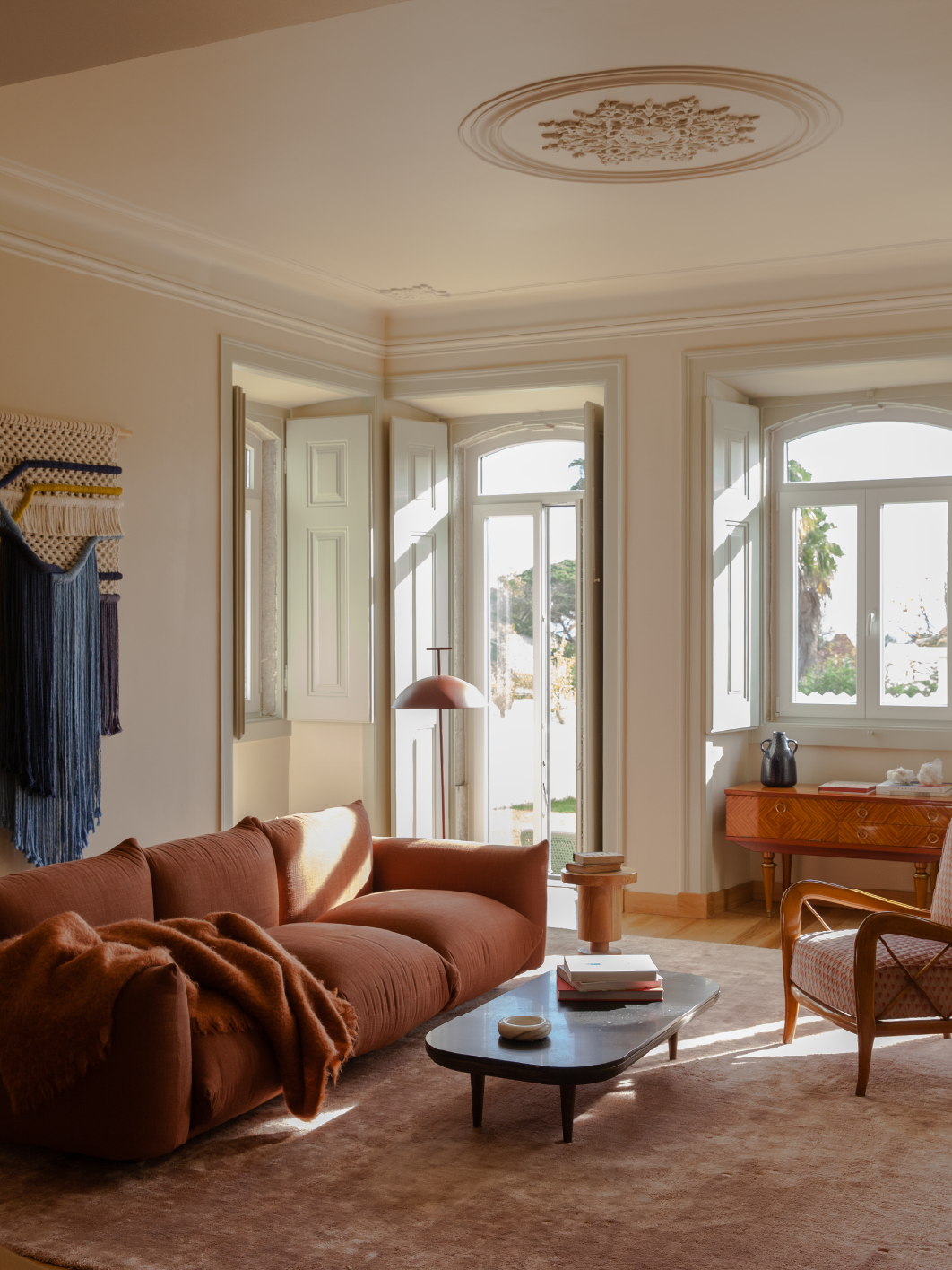
Joana and her team marry historic grandeur with contemporary aesthetics at a residence, Casa Estoril in Portugal. Photo credit: Sanda Vuckovic
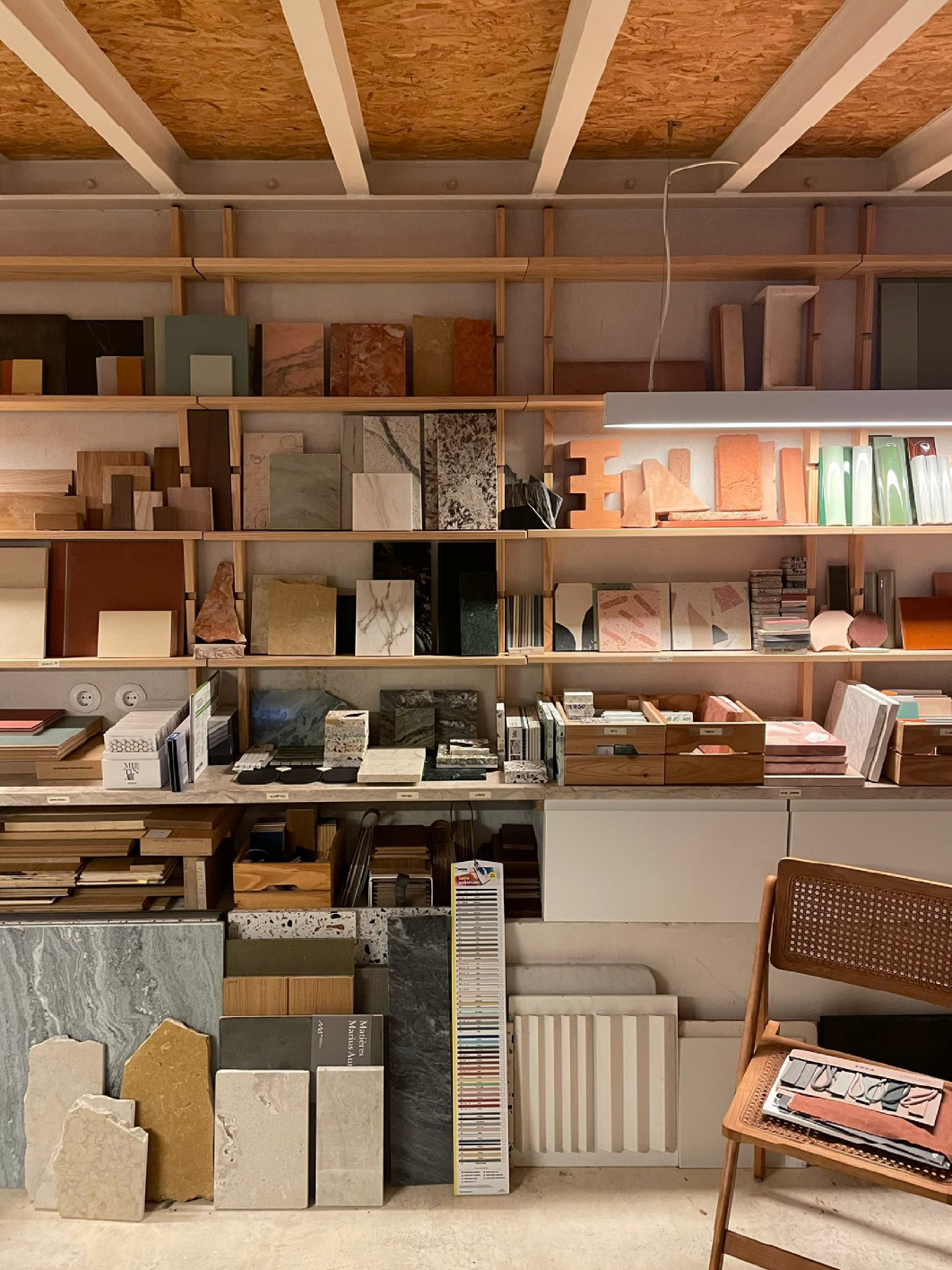
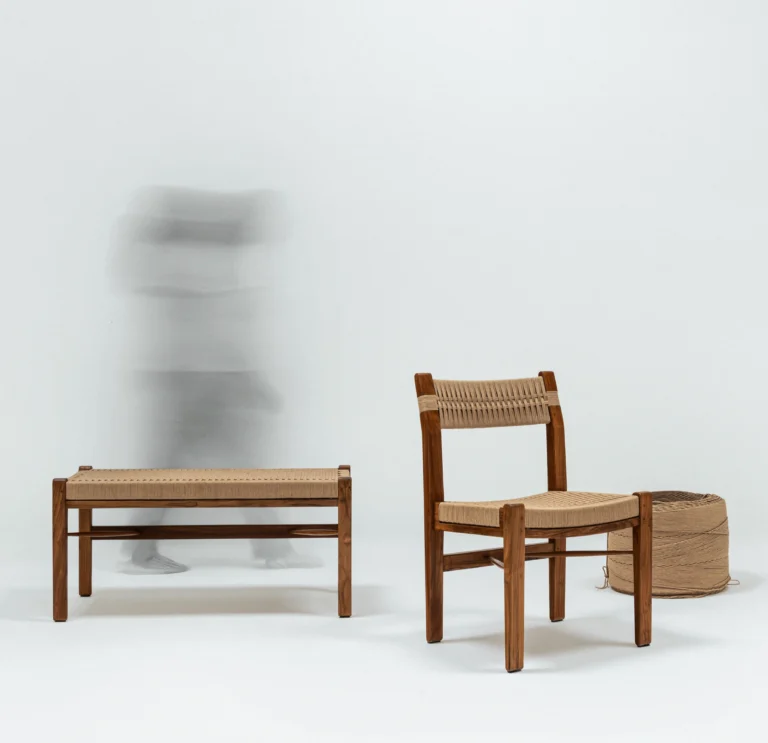
While Joana's genius is best expressed through colour, material intelligence remains at the core of her practice
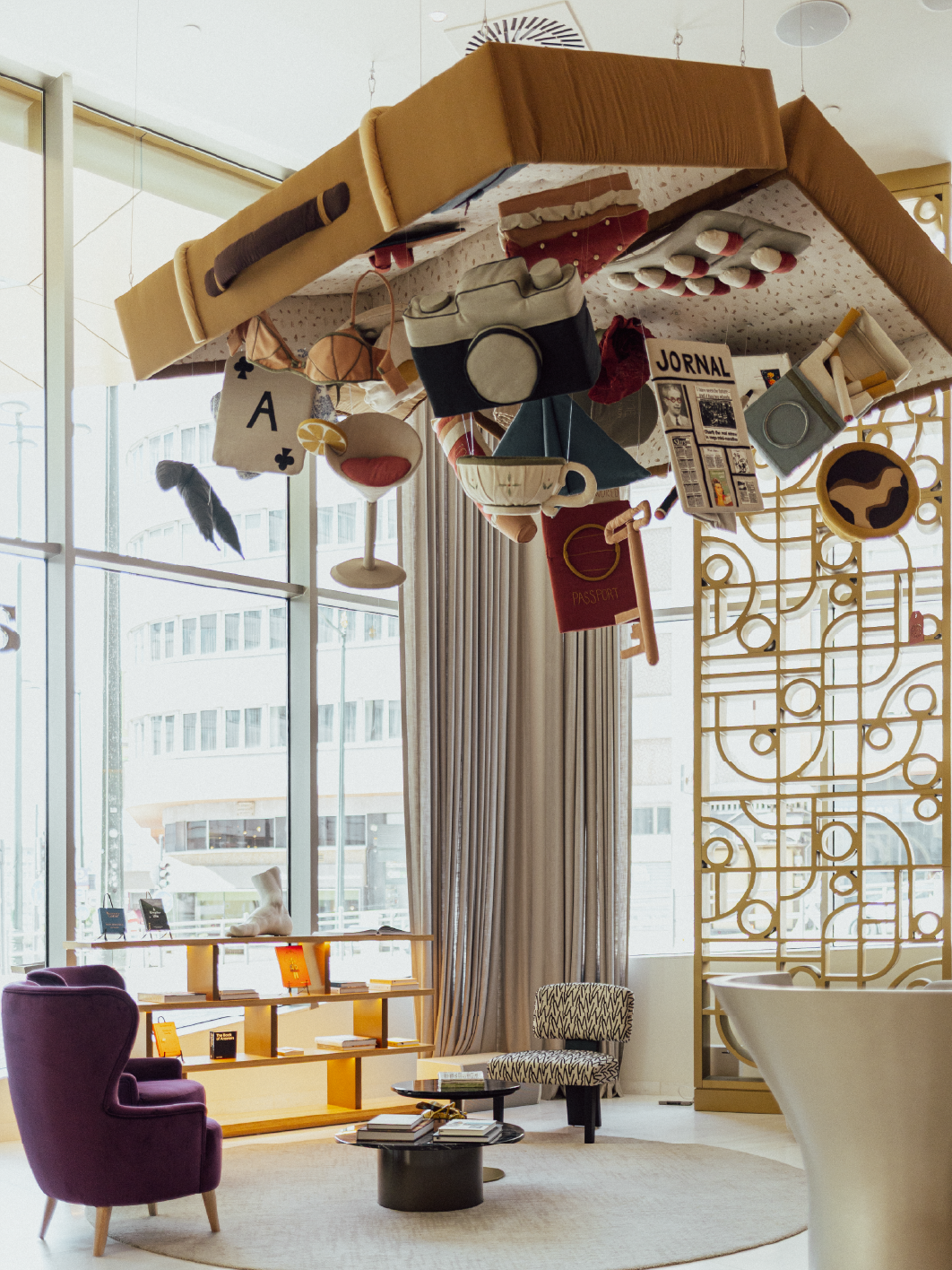
I Couldn't Leave Behind," a large-scale art installation at the ME by Meliá hotel in Lisbon depicting 33 items that we can't travel without. Photo credit: Bardo Creative
A melting pot of cultures
Like many designers, Joana’s instincts were formed early, within a home that functioned as a cultural microcosm. Designed by her architect father, it was a space where disciplines and nationalities intersected. “My father’s Brazilian, my mother’s Portuguese, and a lot of Italian comes through my grandmother… there were always people, always music,” she recalls. Much of her childhood unfolded between sketching, building models in her father’s studio, and spending time among artists and exhibitions through her mother’s art gallery. This early immersion fostered an ease with plurality, a fluency in navigating difference that continues to inform her practice today.
While her early years laid the foundation, it was movement that sharpened her range further. Joana credits her versatility to years spent living and working across cultures: “12 years abroad, across six countries. It's all inspiration for a curious person.” The result is work that is globally resonant yet rooted in her own cultural experience because the artist approaches memory as material; something to be translated into a contemporary language that is sensorial, playful, and never merely nostalgic. “The transformation comes from research,” she explains, “and helps me create a tension between the traditional and the contemporary.”
In her spatial practice, culture is not applied but revealed, translated into form through identity and lived experience. An awareness of context, of habits and emotional resonance, and a sensitivity to materials and objects that carry personal and collective narratives. “When people become aware of those layers, they create environments that feel authentic rather than imposed.” The result is space as experience, where identity is felt in how one moves, interacts, and inhabits it.
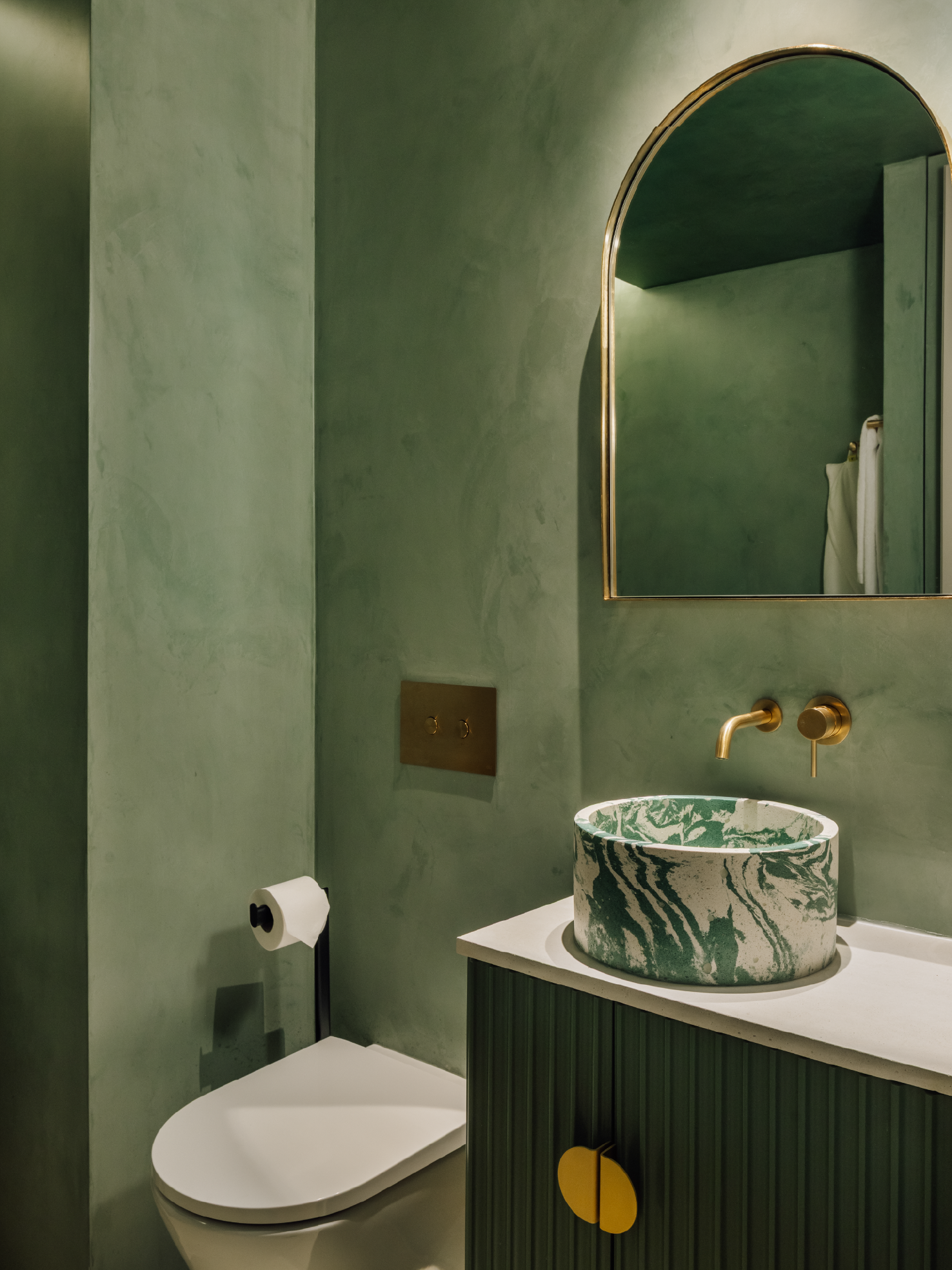
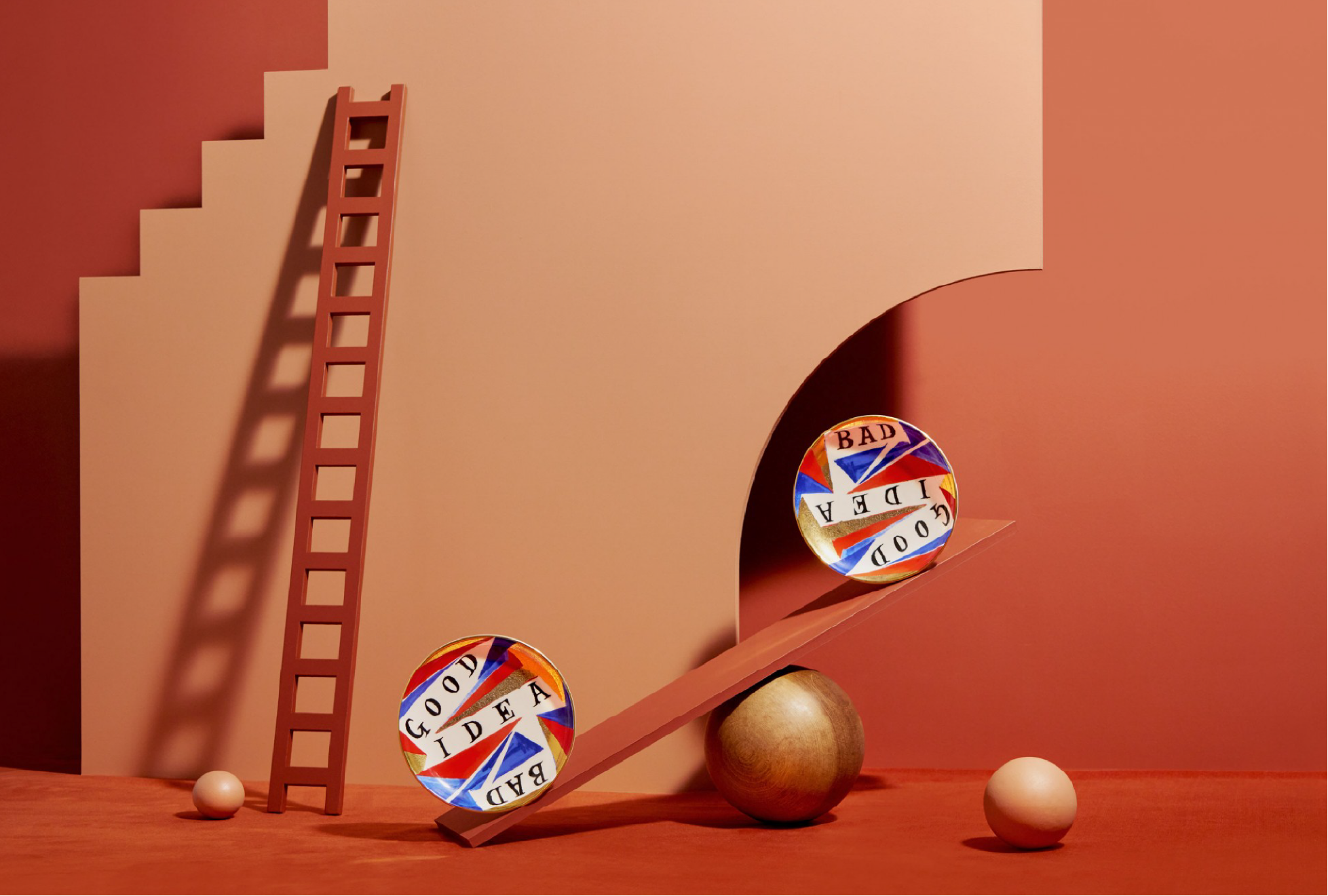
L'Objet's set design Joana unleashes a playground of colour, material, and movement. Photo credit: Studio Astolfi
A practice where culture informs design
For Joana, culture ultimately resides in people: their behaviours, rituals, and the stories they share. At this stage in her practice, her reading has become more nuanced, shaped by rhythm, climate, and geography, how a culture moves, what it values, how it risks. And all this she puts in her ‘bag of life,’ a collection of experiences and encounters, where collaboration sits the heaviest. “We learn from each other, we grow together, the process itself becomes incredibly rich,” she reflects. Quick to give an example, she talks about a residency she did in southern Portugal with a 65-year-old palm artisan, whose practice centred on traditional forms. Rather than replicate, Joana chose to reinterpret by introducing a contemporary layer to a deeply rooted craft. “I study the history of the craft… and then bring in my own language to create something new.”
Ultimately, Joana’s work resists the idea of creation as a singular act. From a childhood steeped in cultural exchange to years of movement across geographies, and from collaborations that challenge craft to spaces that translate memory into experience, her practice holds multiple worlds at once. In a contemporary landscape that often flattens difference into trend, her work shines light on intentional, culturally rooted global designs; a reminder that culture is an institution of accumulation, and when done right, it offers a little something for everyone to take home.