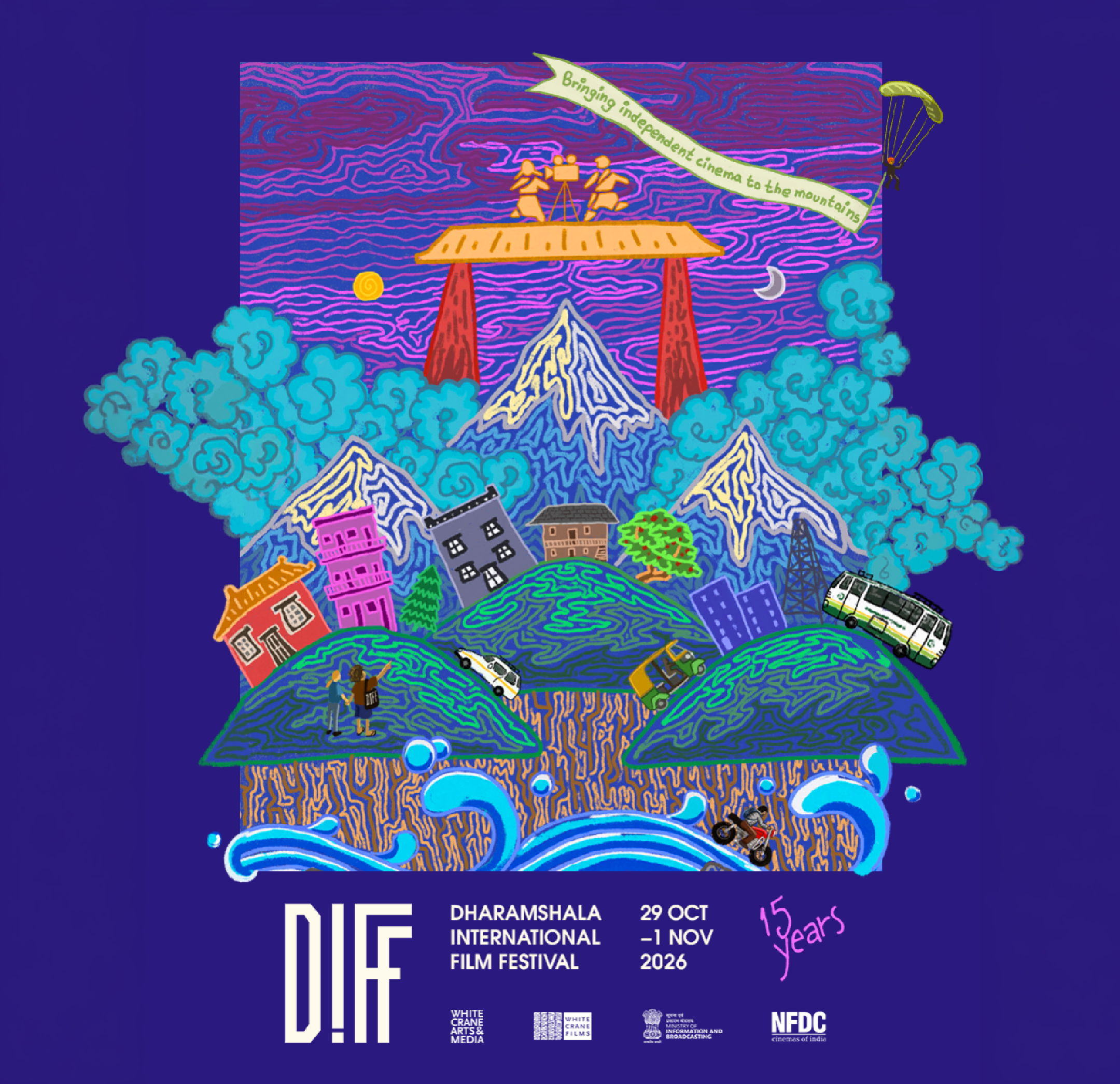
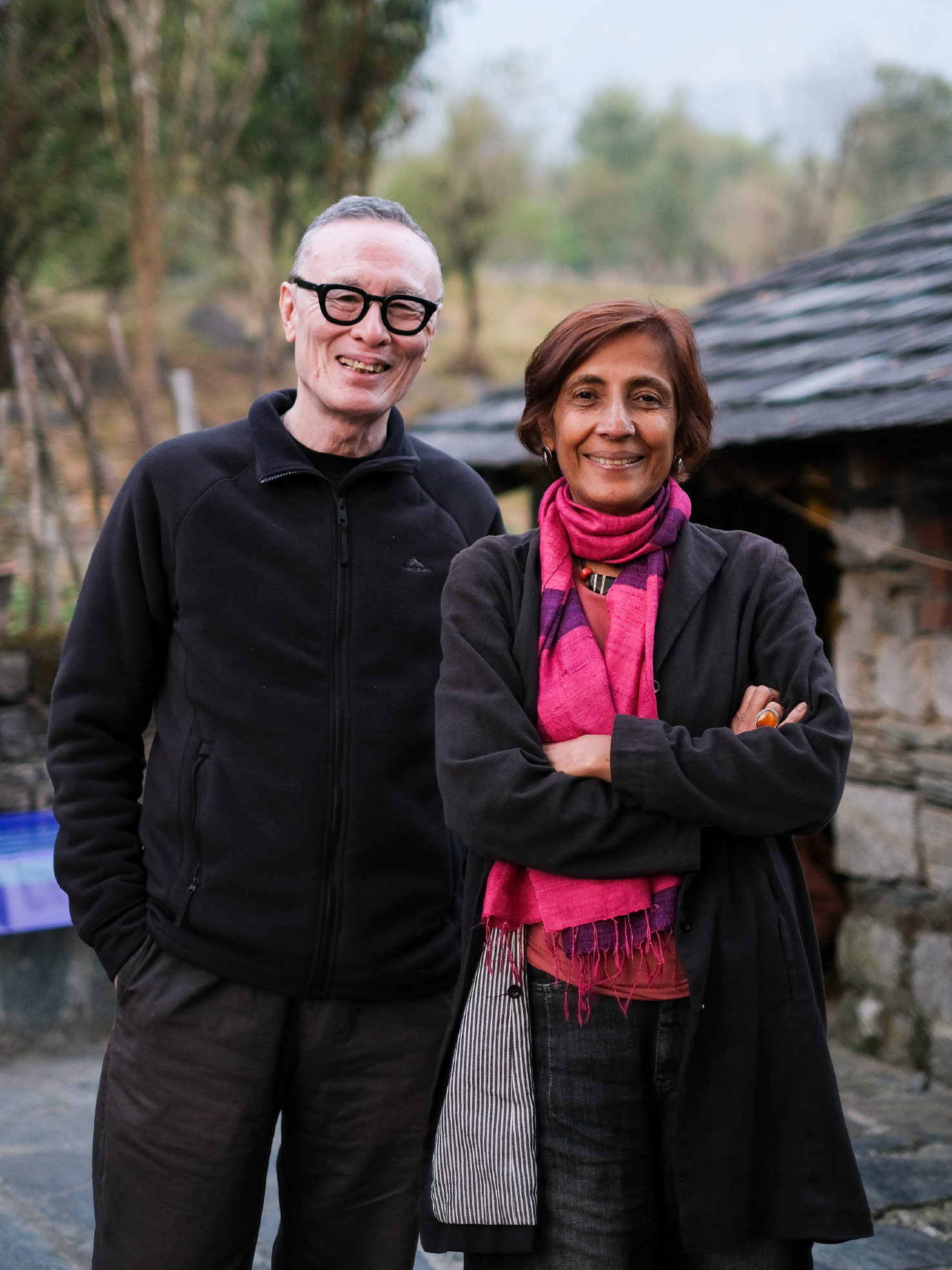
While usually one would make the trek to Dharamshala for the fresh air and a break from non-stop notifications, this October you may want to take a detour for some special screenings at the 15th edition of the Dharamshala International Film Festival, being held from 29th October to 1st November 2026. Founded in 2012 by filmmakers Ritu Sarin and Tenzing Sonam to bring independent cinema to their home in the mountains, DIFF has become a space to celebrate indie films and bring new talent into the spotlight.
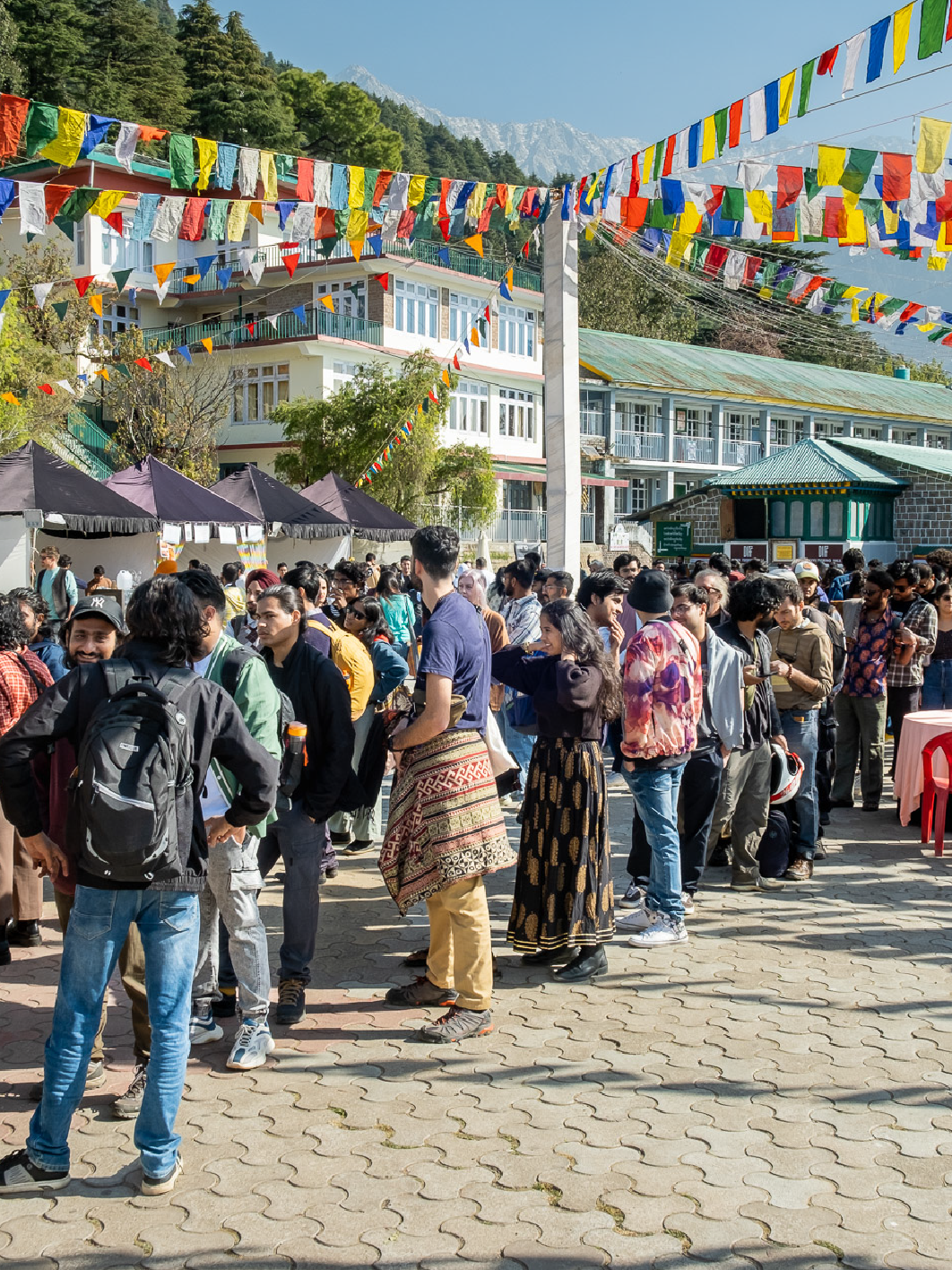
“We have lived and worked in Dharamshala since the late 1990s as independent filmmakers. While our town had an eclectic mix of people, from local Himachalis, Gaddi pastoralists, a long-standing Tibetan exile community and visitors from around the world, it had no functional cinema halls or regular platforms for contemporary visual arts. Over years of travelling to international festivals, we found that the most meaningful gatherings were often held in quiet, smaller towns where you could interact closely with audiences and fellow directors. We wanted to bring that same intimate experience home to Dharamshala,” explain Ritu and Tenzing.
Just like every year, this year’s DIFF programme, divided across feature narratives, feature documentaries, and short and mid-length films, brings together independent films from across the country and the world. The stories explore themes of grief, displacement, cultural identity, faith and climate change, often using intimate, personal experiences to reflect on the wider world.
Among the Indian films, Rima Das’s Not a Hero, receiving its South Asian premiere, follows a young boy who moves from the city to his ancestral village and begins discovering the peace of an offline life. Paromita Vohra’s documentary Working Girls examines the often-invisible labour of women across India, including care work, domestic work, surrogacy and sex work. Mast Mahila Mandali, a genre-bending documentary co-created by ten women from Mumbai’s eastern suburbs, captures how they find pockets of joy between their responsibilities. Priyanka Krishnan’s Flowers Bloom When Touched, receiving its Asian premiere, delves into the concept of purity and virginity through the story of a bride-to-be who attempts to restore her virginity to prove her purity before an arranged marriage.
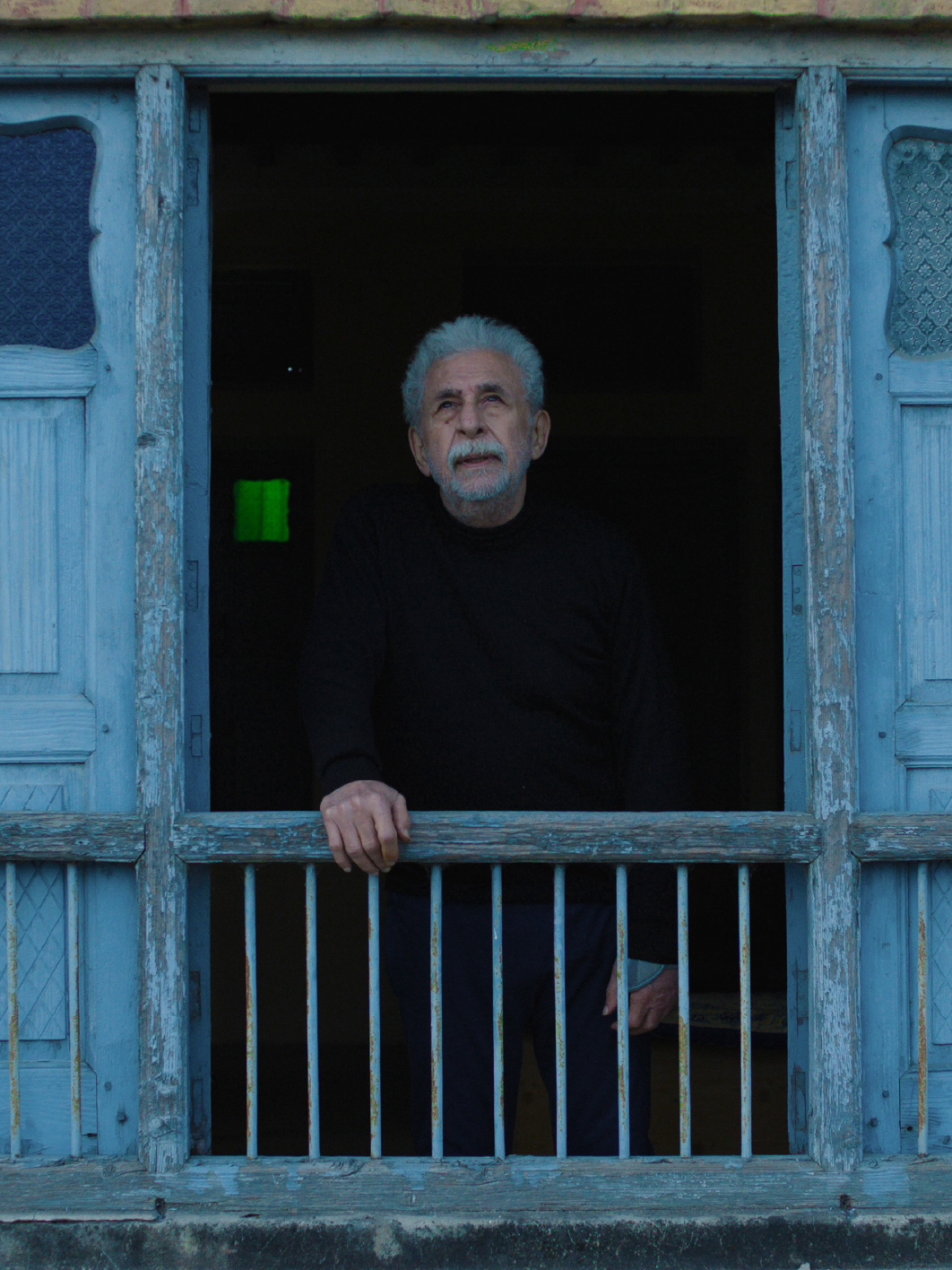
Other films turn towards grief, displacement and the ways people negotiate uncertainty. Gurvinder Singh’s Rehmat, starring veteran actor Naseeruddin Shah and receiving its Indian premiere, interweaves stories by Punjabi writer Ajeet Cour, exploring memory, conflict, displacement and compassion in contemporary Punjab. R Gowtham’s Members of the Problematic Family offers a raw, unconventional portrait of a family navigating grief after the death of a troubled young man. Shashank Walia’s Birds in the Dark, which has its India premiere, finds an unexpected bond between a call-centre executive mistaken for a suspect and a police informer. Shaunak Sen’s Termite, receiving its Asia premiere, is set in the lanes of Old Delhi, where the lives of two middle-aged termite exterminators are disrupted by an unexpected marriage proposal.
The international selection includes Time and Water, where Oscar-nominated filmmaker Sara Dosa follows Icelandic writer Andri Snær Magnason as he reflects on family archives, a changing homeland and the climate crisis. A Fox Under a Pink Moon, by Mehrdad Oskouei, made with Afghan artist Soraya Akhlaghi, follows her attempts to escape an abusive marriage while creating sculptures with clay and soaked egg cartons, filling her drawings with recurring figures of a fox, a pink moon and a laughing clown. Sirāt, directed by Óliver Laxe, follows a father and son searching for their missing daughter and sister across the Moroccan desert, alongside a group of ravers. Dennis Harvey and Lars Lovén’s Celtic Utopia explores contemporary Ireland through its folk music traditions and relationship with the past, while Thai filmmaker Sompot Chidgasornpongse’s 9 Temples to Heaven follows a family visiting nine temples in a single day, confronting questions of faith, mortality and family bonds.
“We are especially proud of the wonderful range of Indian indie feature films that we are showing this year, many of which will be having their India premieres. This year’s curated packages tackle urgent, distinct themes ranging from complex portraits of modern intimacy and love to reflections on masculinity, caste struggle, migration, absence and Himalayan ecology,” comment Ritu and Tenzing.
While there is no rigid formula for selection, the team headed by Bina Paul, Director of Programming at DIFF, looks for films that are unique in some way — whether through inventive framing, thoughtful sound design, expressive editing or a distinct point of view.
“We also look for emotional honesty and human truth. We respond to films that explore complex subjects such as displacement, social justice, grief or personal identity with complexity rather than easy sentimentality,” share the founders. All formats, whether short films, documentaries or features, are watched equally and selected if they seem to answer one question: does a film linger in your mind, challenge your assumptions and offer a meaningful window into human experience?
“This year we have been excited by the number of new Indian films — short, documentary and feature narratives. It has amazed us that so much interesting work is happening in the country and there are so few avenues to screen. The filmmakers seem to go through enormous financial and artistic risk to tell their stories. From other parts of the world, we try not to select the ‘best of festivals’ palette but films that we think appeal to the philosophy of the festival,” says Bina.
The themes of this year’s programme feel particularly relevant to the paradoxical times we are living in, which almost feel like a breakdown of a peaceful life as we know it. Bina echoes this sentiment. “In a strife-driven and rather repressive world today, I think a lot of filmmakers are looking inwards to tell global stories. We have a film from Iran that reflects on the contemporary crisis by looking at her father’s life, a film on a refugee longing to go back home. These films tell intimate, almost personal stories but are actually indicative of a wider human condition,” she says.
Looking at the range of films and the scale of the festival today, you wouldn’t believe that it started off in a small hall showing films on DVDs. The love and appreciation for those early screenings prompted Ritu and Tenzing to actively create and curate this space. There is something intimate about sitting with cinema lovers and viewing beautiful stories unfold on a screen.
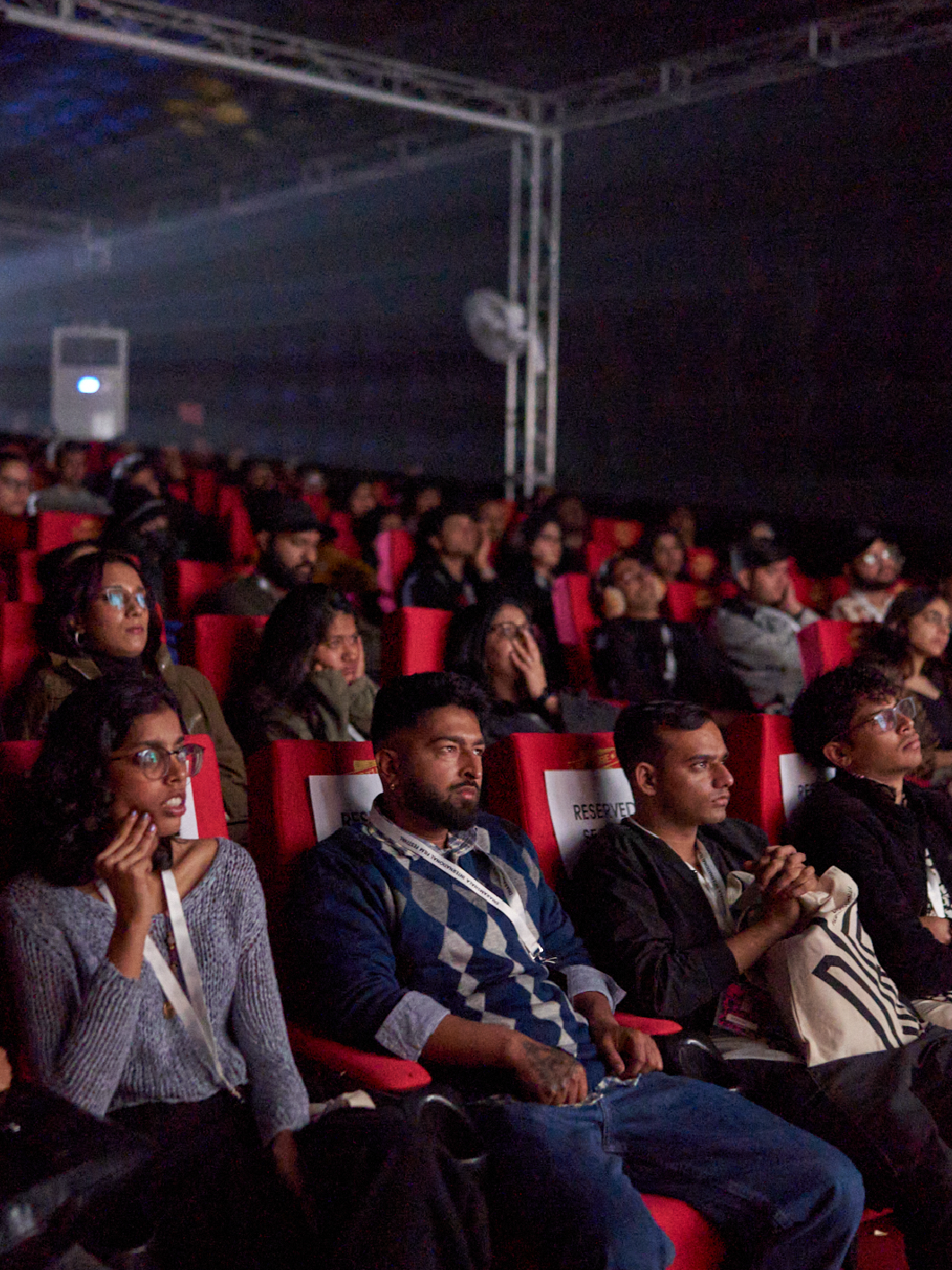
In a time when streaming and solo watching are the preferred routes for many of us, we often lose out on observing and understanding the nuances that truly make cinema. As the filmmaker couple put it, watching a film collectively in an auditorium returns the medium to its communal roots and creates a shared vulnerability. The audience experiences silences and shifts in perspective, generating an empathy that home viewing rarely matches.
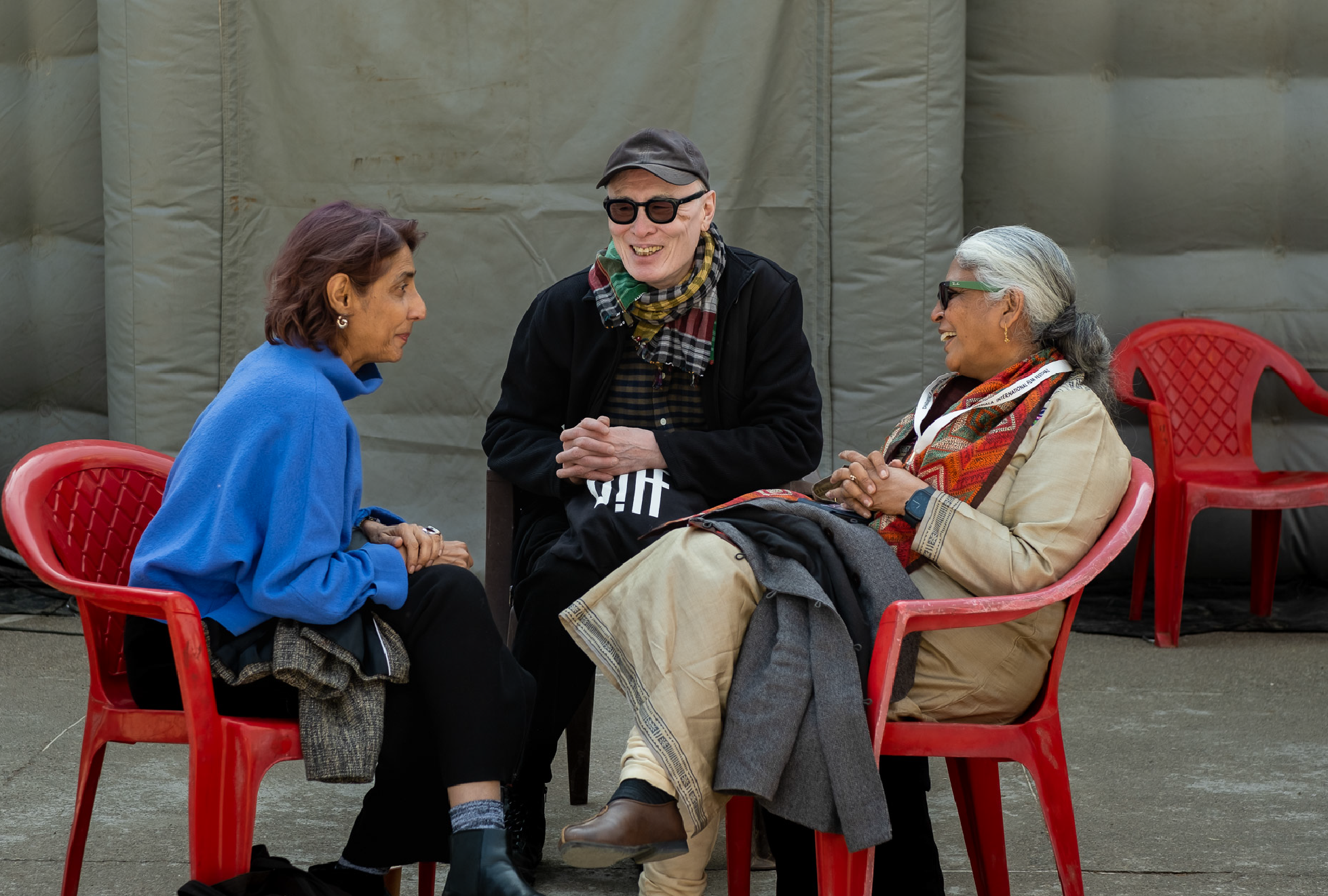
“In a festival setting, that connection extends beyond the final credits. When the lights go up, the director or crew are often in the room to talk with the audience. You can hear their creative decisions first-hand and continue the discussion outside. The film becomes an ongoing conversation rather than a finished product. In the mountain stillness of Dharamshala, that collective engagement becomes especially grounding,” they explain.