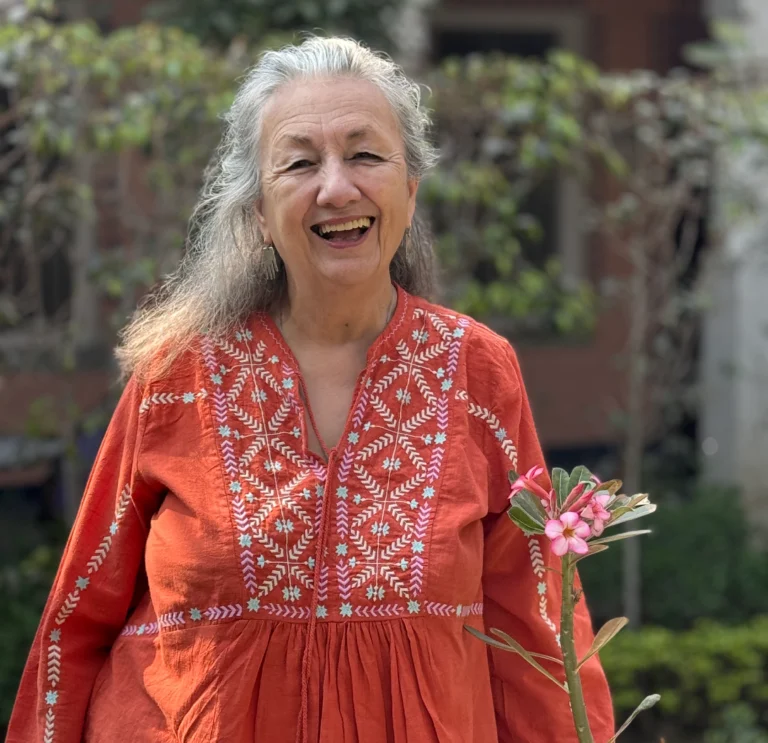
It was an early morning at the House of Mahendra Doshi. A soft hum of the sandpaper gliding through the curves of a chair deftly like a well-rehearsed waltz was accompanied by a gentle breeze from the sea. The cacophony of the rush hour traffic seemed to fade away as I walked into the basement of what is, everyone’s favourite restorer in town. Nestled in a tony neighbourhood in Mumbai, the House of Mahendra Doshi is a collector’s haven. At its helm, is his nephew, Chiki Doshi – warm, generous of heart, and full of stories, much like the place he calls his second home. As we settle in around the large teakwood dining table in the centre, hot cups of chai and nariyal paani arrive almost immediately, as has been the norm since the time Mahendra graced these very hallways.
“We were into the construction business and one of the projects (Summerville) that my uncle Mahendra Doshi was doing was in Breach Candy, it was also where he resided,” shares Chiki. A group of Gujarati carpenters were making all the doors and windows for that project and Mahendra had enlisted them for working on his home as well. He ended up sourcing pieces from around the country for it, which this motley crew restored with great care. Mahendra was known to be very passionate about period furniture, and it was pretty evident with how his home eventually shaped up. “But that’s not the main story,” interjects Chiki. Apparently, there was a surplus, “so he decided to put in a little ad in the newspaper saying, ‘old furniture restored for sale,’ and by evening, everything was sold,’ he laughs.
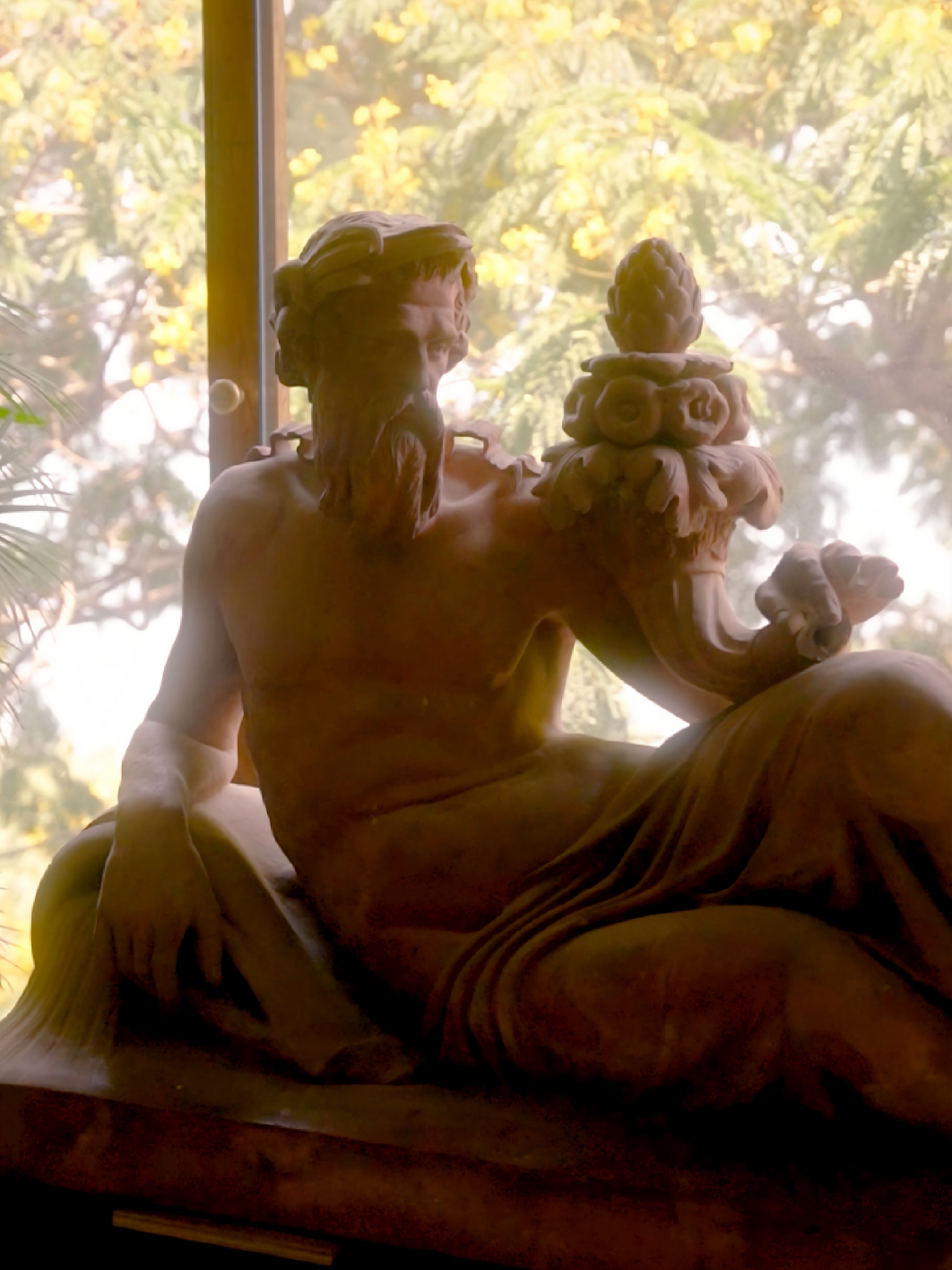
The terracotta Neptune is one of Chiki Doshi's favourite pieces, which was first acquired by his uncle Mahendra Doshi
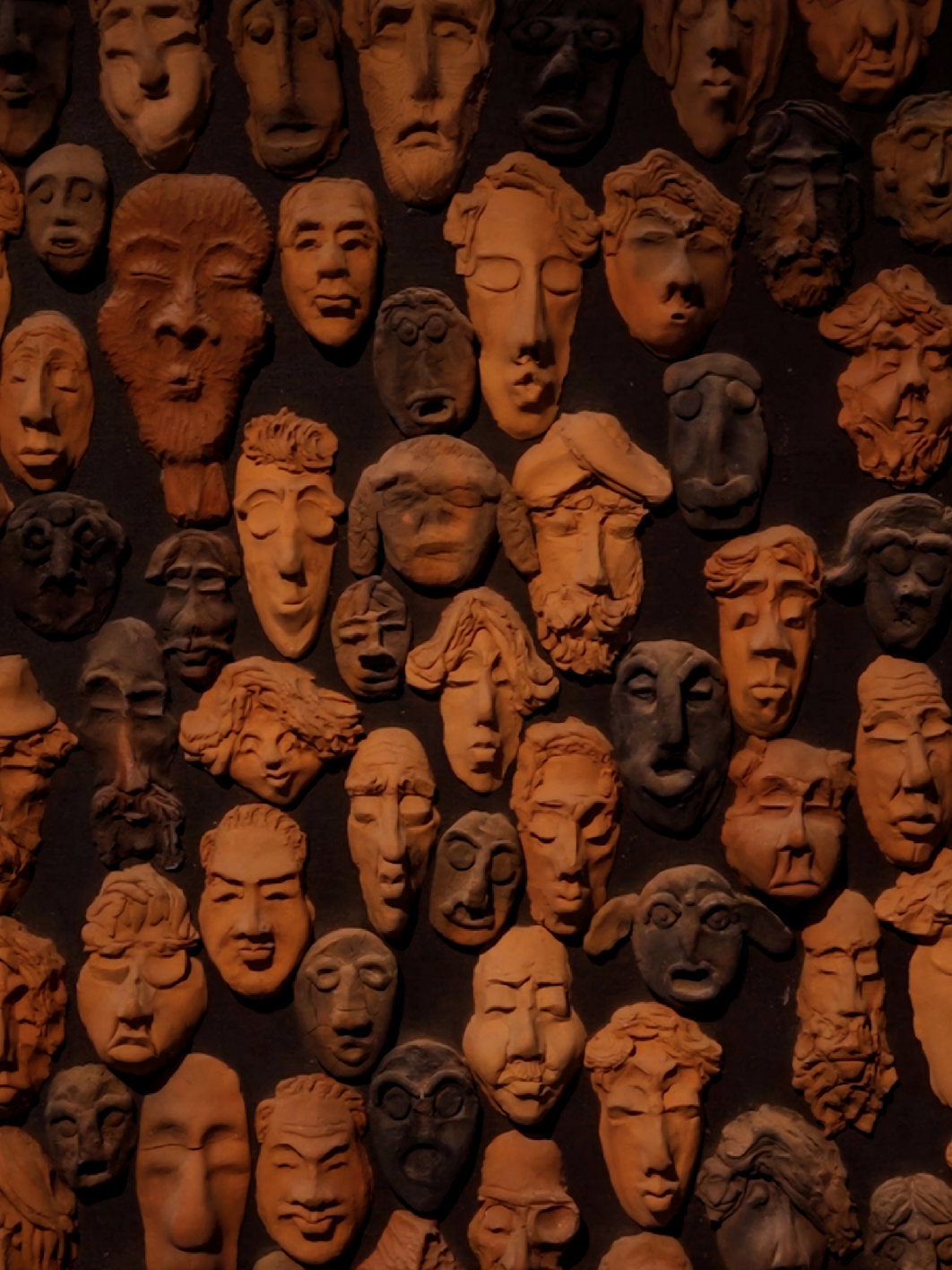
An artwork bought by Chiki Doshi from a local artist comprises of various faces in terracotta, has the pride of place in his office
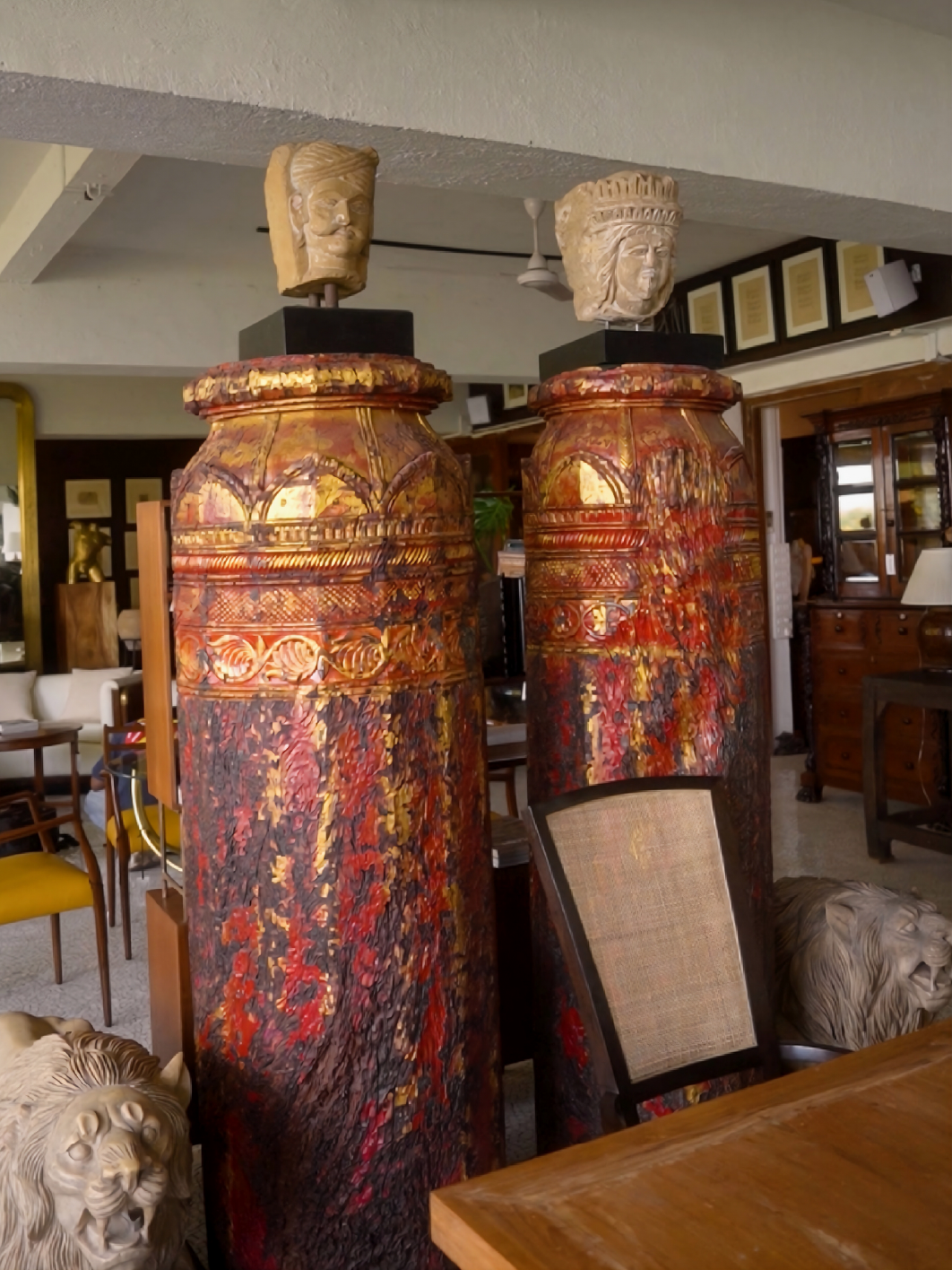
Antiques sourced from all around the country find their way to The House of Mahendra Doshi
If you were a regular at this half a century-old establishment, you would be accustomed to hearing Karsanbhai (who played a pivotal role in pushing Mahendra Doshi to start his namesake store) weighing in on acquisitions, small and large. In his early, somewhat bombastic years, Chiki had accompanied Mahendra to Chor Bazaar, where the latter spotted a pile of wood that appeared like a pack of cards. He settled the deal at what seemed a princely sum then, Rs 30,000. “Babakaka, (Mahendra) why are you paying this for what looks like garbage,” whined the then 22-year-old Chiki. Unfazed, Mahendra got the pile home, looking at which, Karsanbhai said, “That’s a fantastic purchase!” Three months of meticulous restoration later, appeared a beautiful box with springs, chor khaanas and brass inlay work. A complicated jewellery box, with many hidden drawers that could only be teased open by the masterful hands that had been restoring pieces for years.
Legacy sits easy at the House of Mahendra Doshi. Often, the way we think about legacy informs how we approach the things we love. Having been at the intersection of the two, Chiki is very aware of how lucky he is to be able to do what he loves while carrying forth what his uncle started — cultivating a more meaningful, slower climate of collecting. Restoration is a slow, mindful process with pieces sometimes taking months to bring to its original state. “Our process is intensive, there are no shortcuts to it. The adage, ‘good things take time’, is truer here than anyplace else,” shares Chiki. Perhaps the shift from more to meaningful is leading people to make mindful design choices where objects with meaning and emotion make room for connections and stories. But what is also true is that in this “influence for impact” world, we often confuse visibility with value. That’s why Chiki is conscious of how he introduces the world of Mahendra Doshi to newer patrons.
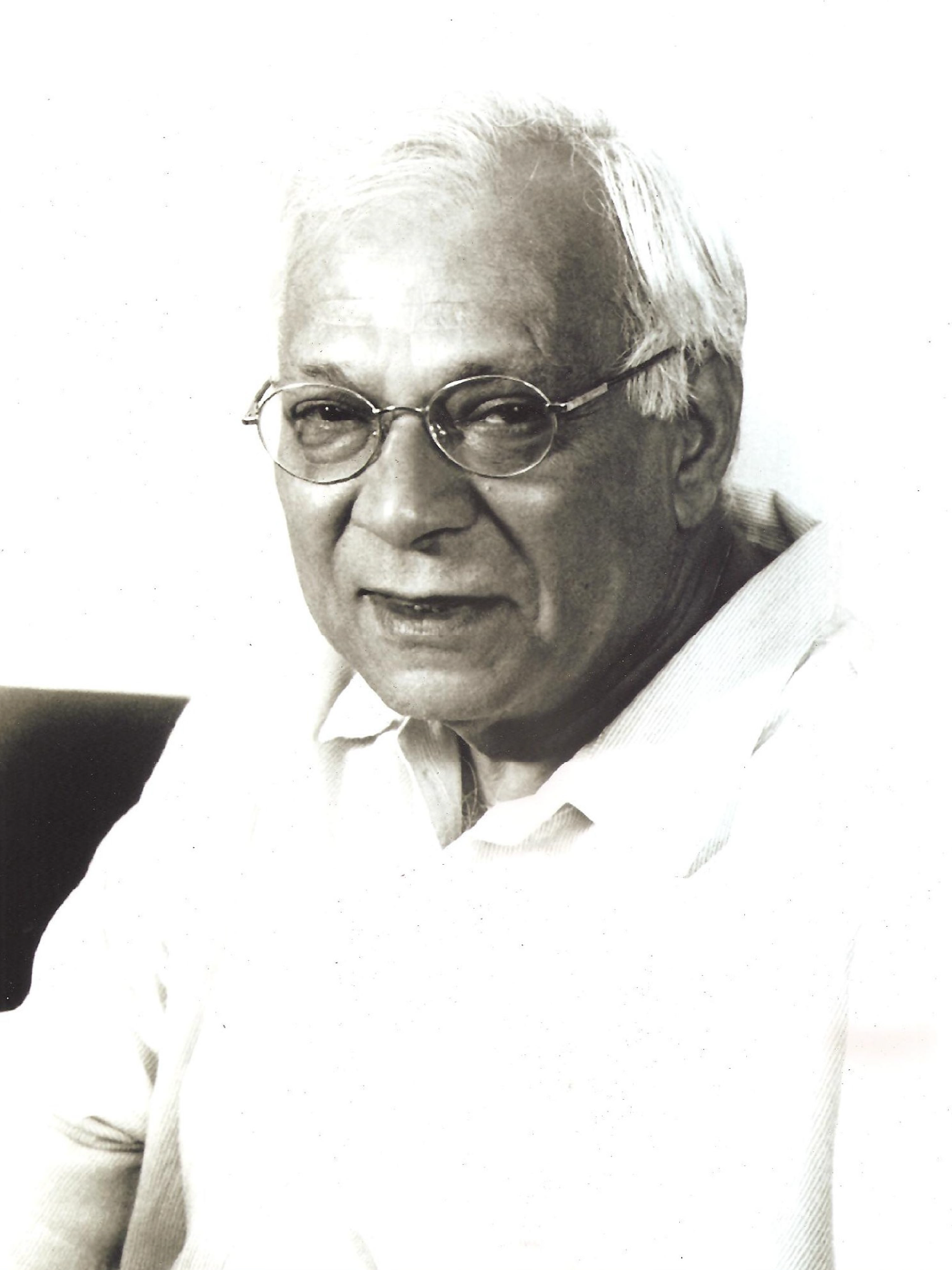
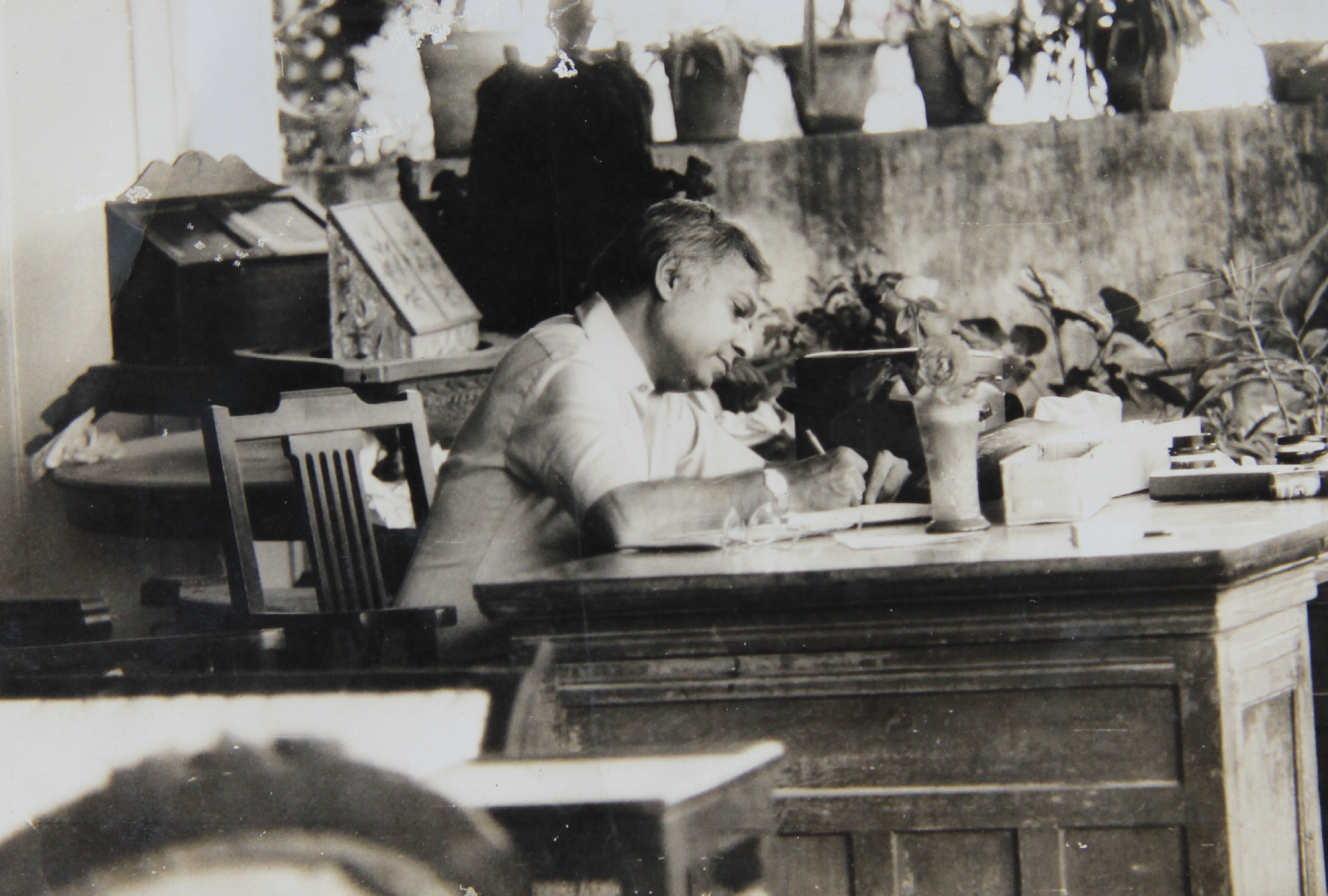
Mahendra Doshi at his desk Collecting was not a business for him, it was his passion.
His collaborations are a way to put the focus on the hands that have made these pieces, and the stories within each of them. Case in point being the recently concluded exhibition, "A History of India Through Chairs", which was curated by Chiki Doshi and his cousin, Anand Gandhi. It was put together by Anand’s kids, Vivek and Supriya, with the latter who heads The Workshop Architects designing it. It may seem like a family production but anyone who knows the Doshis knows that, “there is no hierarchy here, and everyone, including the craftsmen, is a part of an ever growing family,” says Chiki. The idea was to showcase over 150 chairs tracing two centuries of Indian history, culture, and design evolution.“While the British and the Portuguese may have brought in their designs, it was the hands of our craftsmen, and the quality of wood that allowed for these pieces to stand the test of time. Wherever you go, there is always a maker’s mark on a piece. But what we haven’t done is leave a provenance behind,” laments Chiki.
Today, he is sitting on two floors of what is “antique gold”. You could rewrite history in those hallways crammed with period furniture, as you could, a new future that is respectful of its beautiful past. Each piece here is numbered and tagged with a metal strip. And Chiki knows the history of every piece by heart. Some that took research, and some that he stumbled upon — like that of a cabinet with drawers that he was restoring where he found a letter dating back to 1872, written by a young gentleman in Poona to his mistress in Bombay, saying he was coming to the train station, from where they would take a tonga to the Astoria hotel. “How romantic,” exclaims Chiki, holding dear that letter, which still holds the remnants of the wax seal, and a love story long forgotten. “If only furniture could talk,” he laughs.