There is a folktale in Madhya Pradesh that talks of a man who spent his last years building a temple, despite knowing he will not live to see it completed. His neighbours ask him why—of what use is a structure he will never enter, a task which won’t end in his lifetime? The folklore does not bother answering the question. It only insists that asking this is the wrong instinct: some things are simply built for the person who arrives after you.
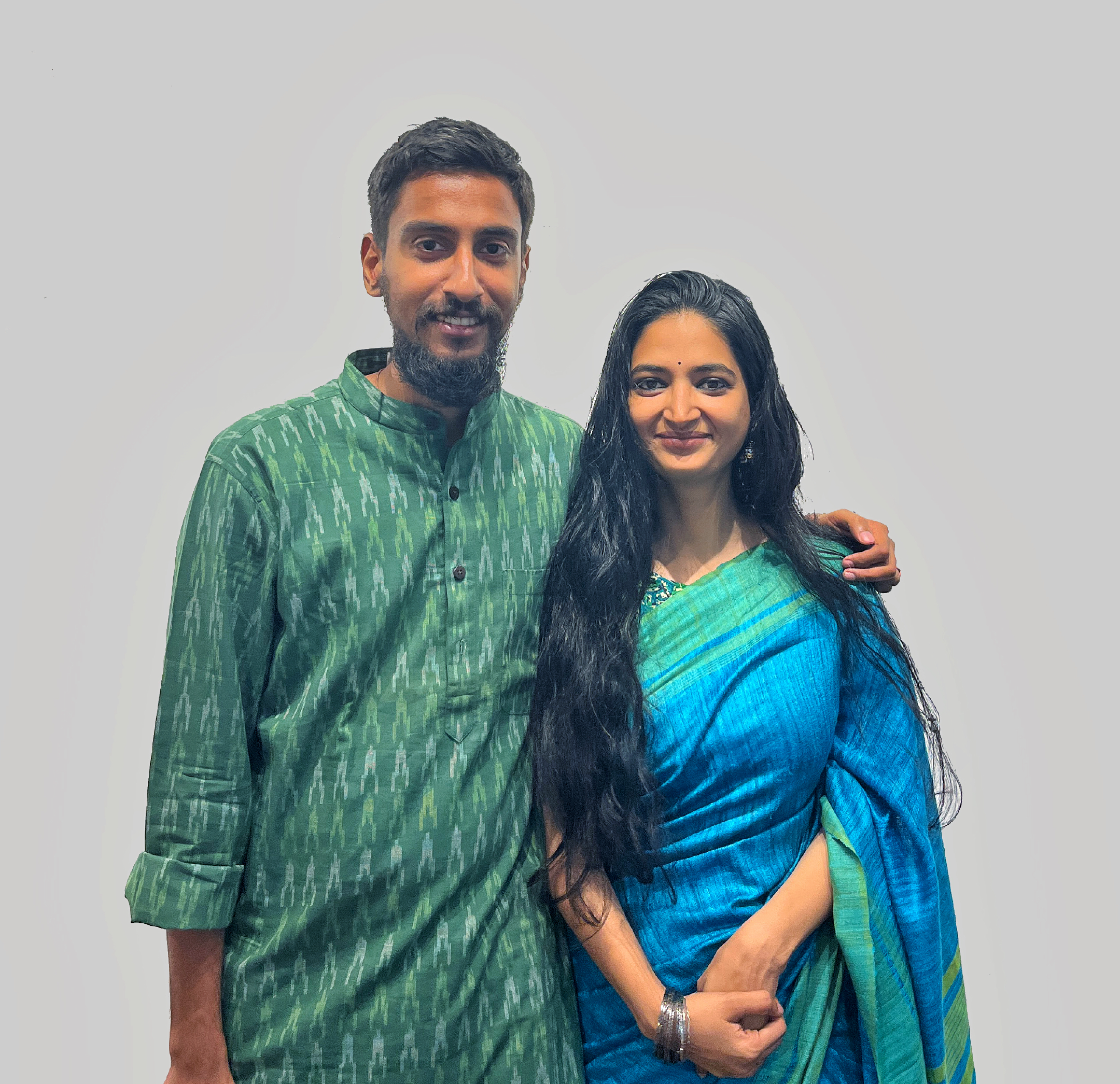
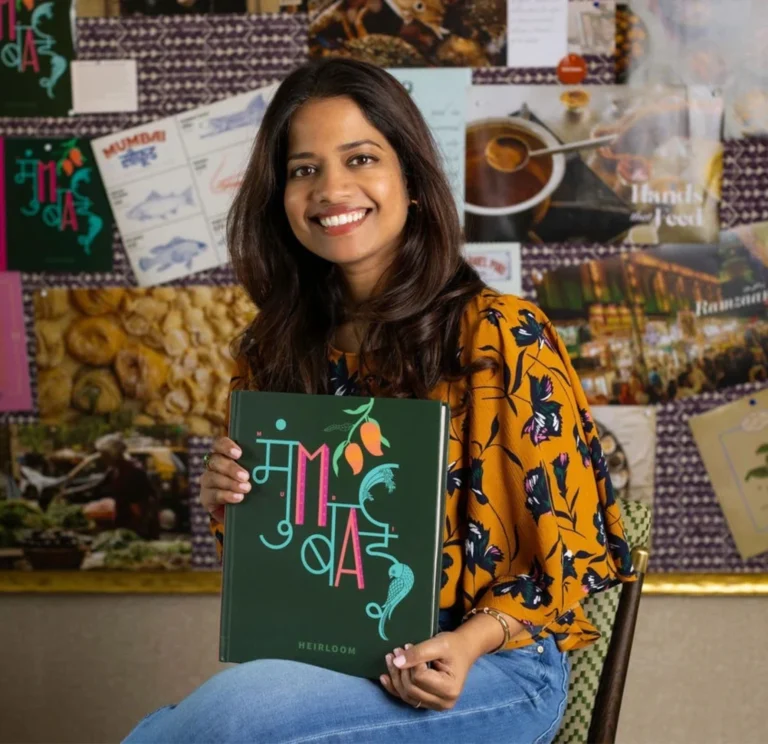
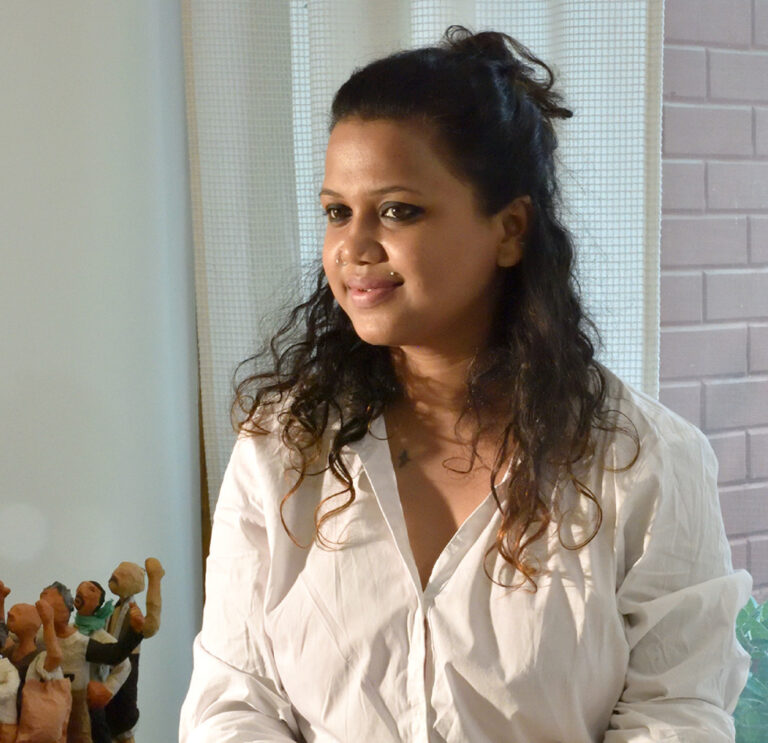
Architects Achyut Achyut and Apoorva Apoorva have heard many versions of this story, sitting in Gond, Baiga, and Bhil households across Madhya Pradesh’s tribal communities. They argue these stories point to the real fragility of oral tradition—it survives only as long as someone keeps choosing to narrate it. Loksutr, the social enterprise the pair founded in 2023, exists to preserve, translate and proliferate this intangible wealth of wisdom. “Our mission was never to document this memory and leave it there. It has to keep being useful to someone
Before the Book
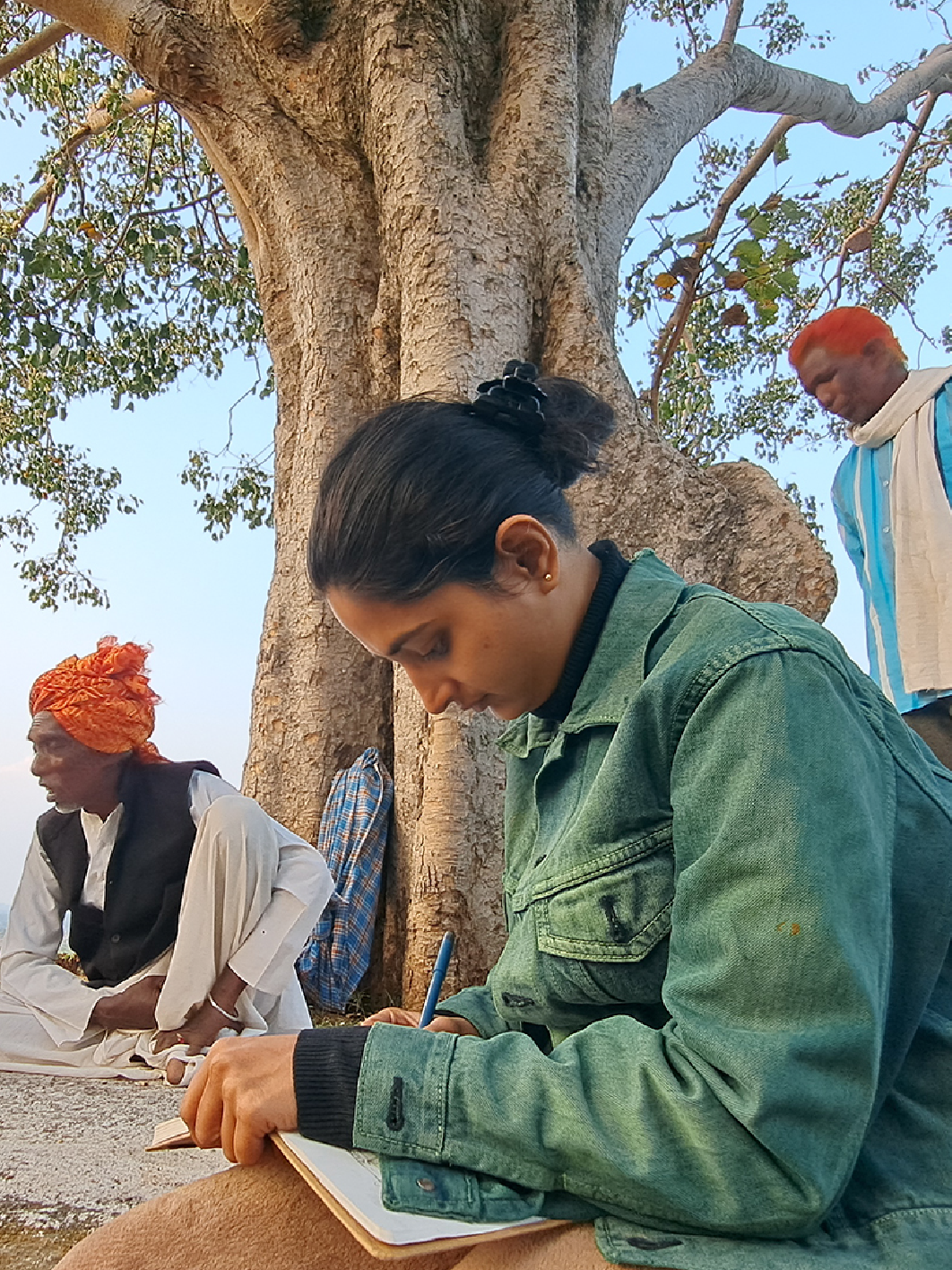
The couple first started their operations out of Anuppur, a town on the border between Madhya Pradesh and Chhattisgarh. Anuppur is Apoorva’s native ground—her father’s work with the Gramin Bank had them moving frequently across tribal districts straddling the Madhya Pradesh - Chhattisgarh border. The family then settled around Anuppur, where Apoorva grew up speaking the local tongue of the Baiga and Gond communities. Apoorva met Achyut while studying architecture and urban design in Bhopal, following which in 2019, the pair worked as on-ground consultants with the Central Government’s Rurban Mission which brings urban amenities to rural settings. In 2020, during the pandemic, Achyut quit his Bhopal posting to join Apoorva in Annupur, where he would volunteer at a residential school for Baiga girls. Simultaneously, Apoorva had begun documenting the art, food, culture and oral history around her out of personal interest. When put inside households where painting, song, and oral history already ran deep, they noticed, almost immediately, how narrow the knowledge's reach really was—alive only for those who happened to have a way in.
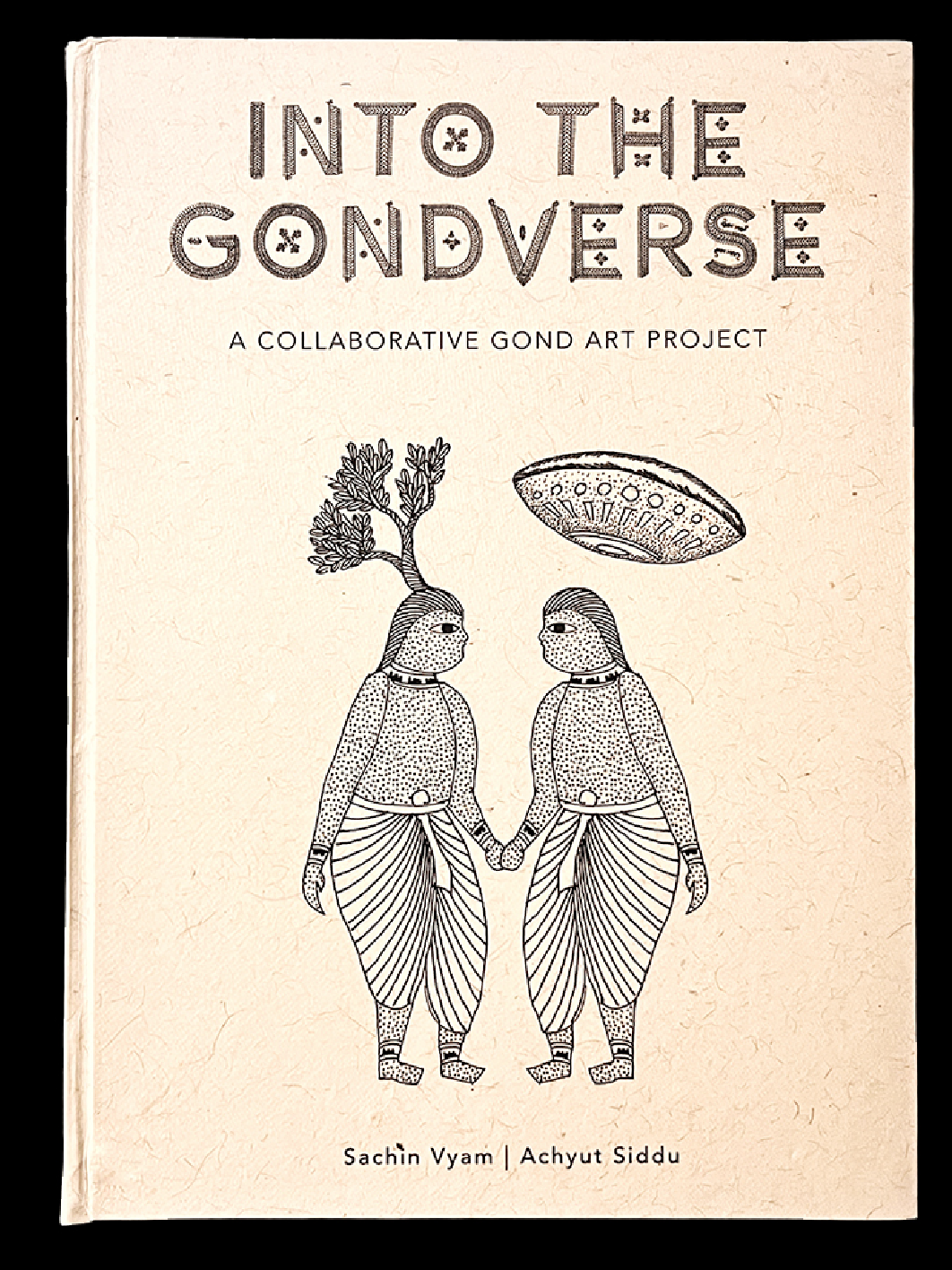
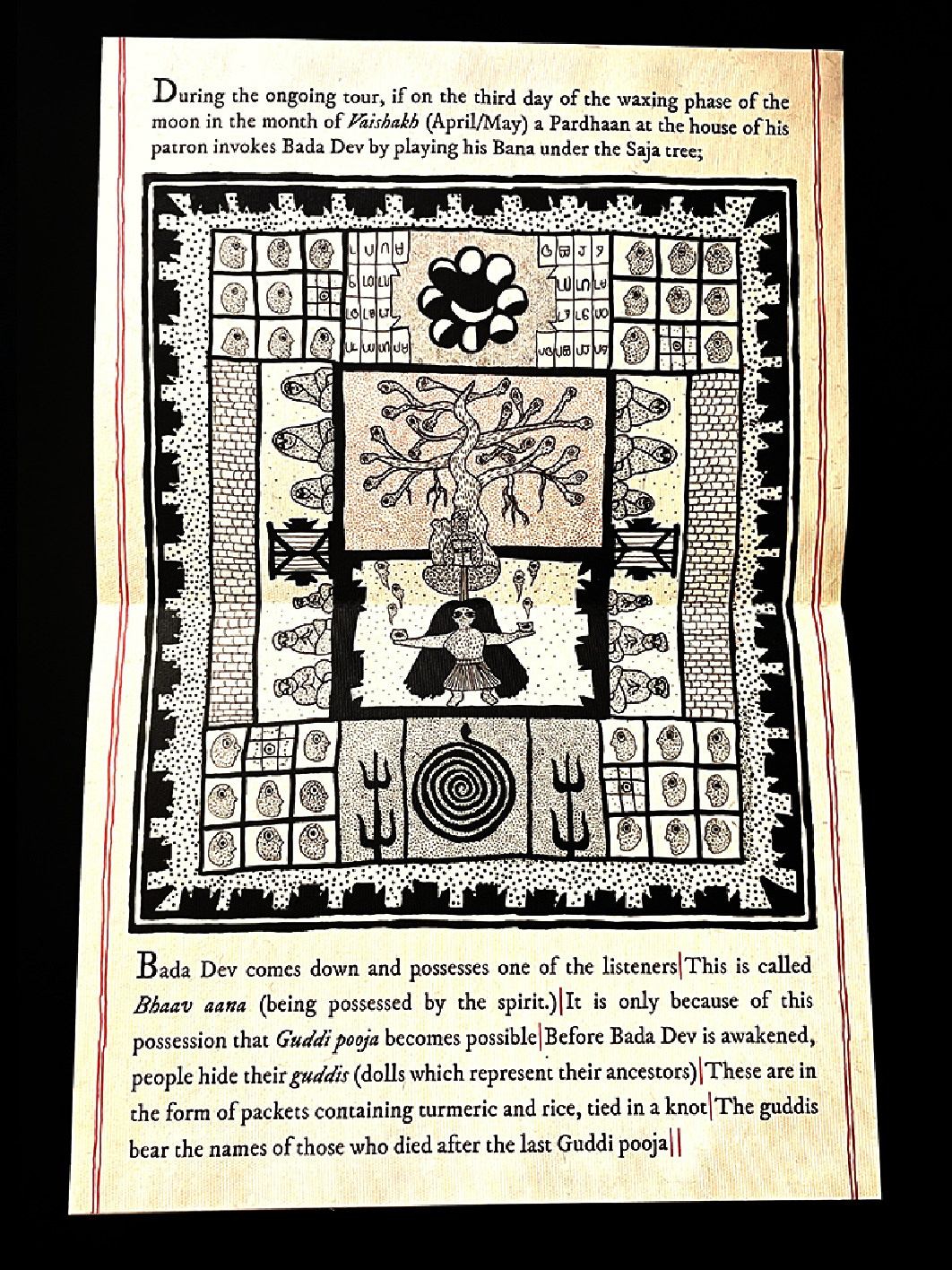
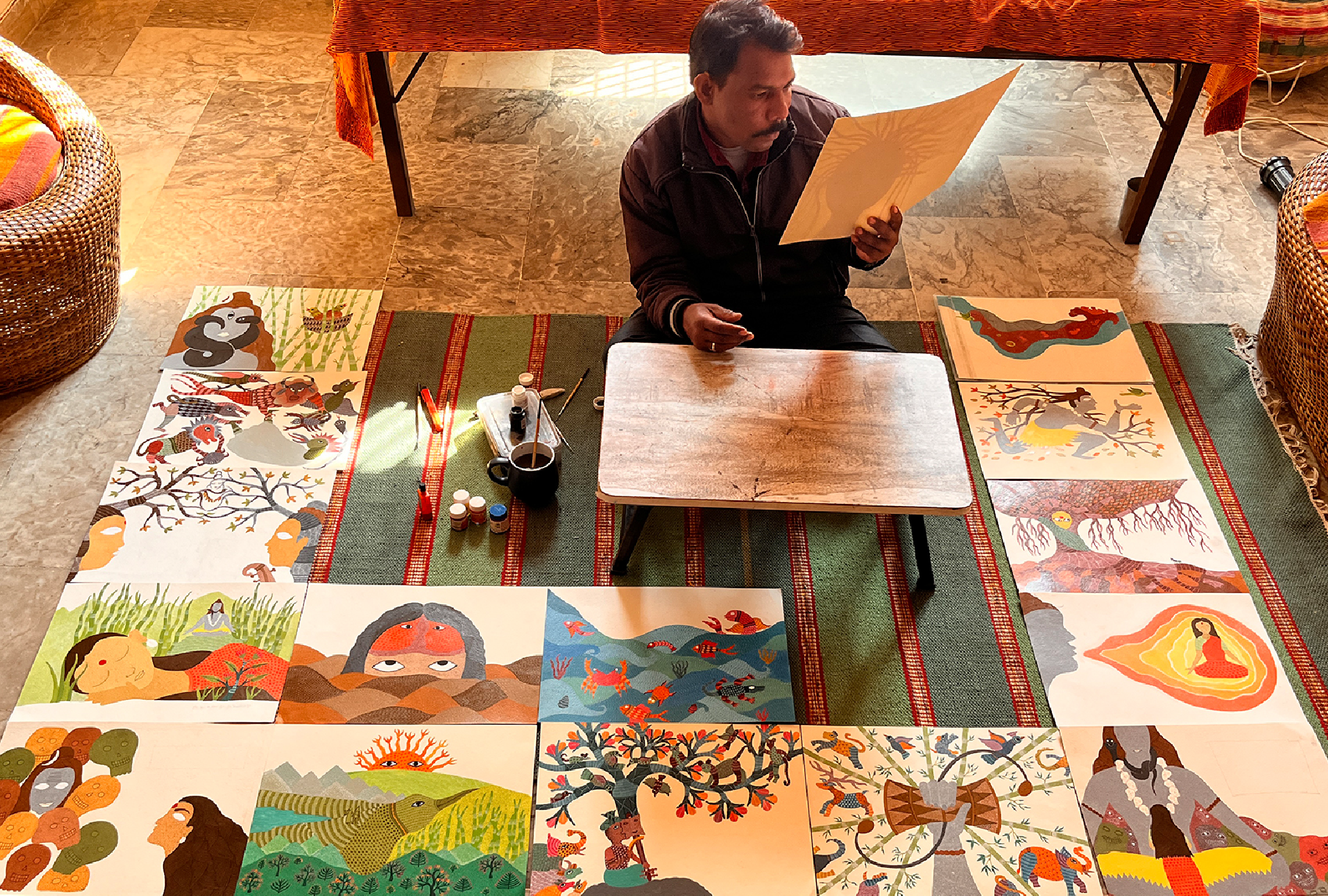
The name came out of that gap—Lok, people, Sutra, thread—and so did the method: Apoorva and Achyut go sit, listen, and only decide afterward what else a story or song is asking to become. Their first attempt, an interactive colouring and art book they call Into the Gondverse, features 26 curated themes that explore the many layers of Pardhaan Gond culture. It was received with love by the community—and gave them the confidence to build Loksutr into something larger.
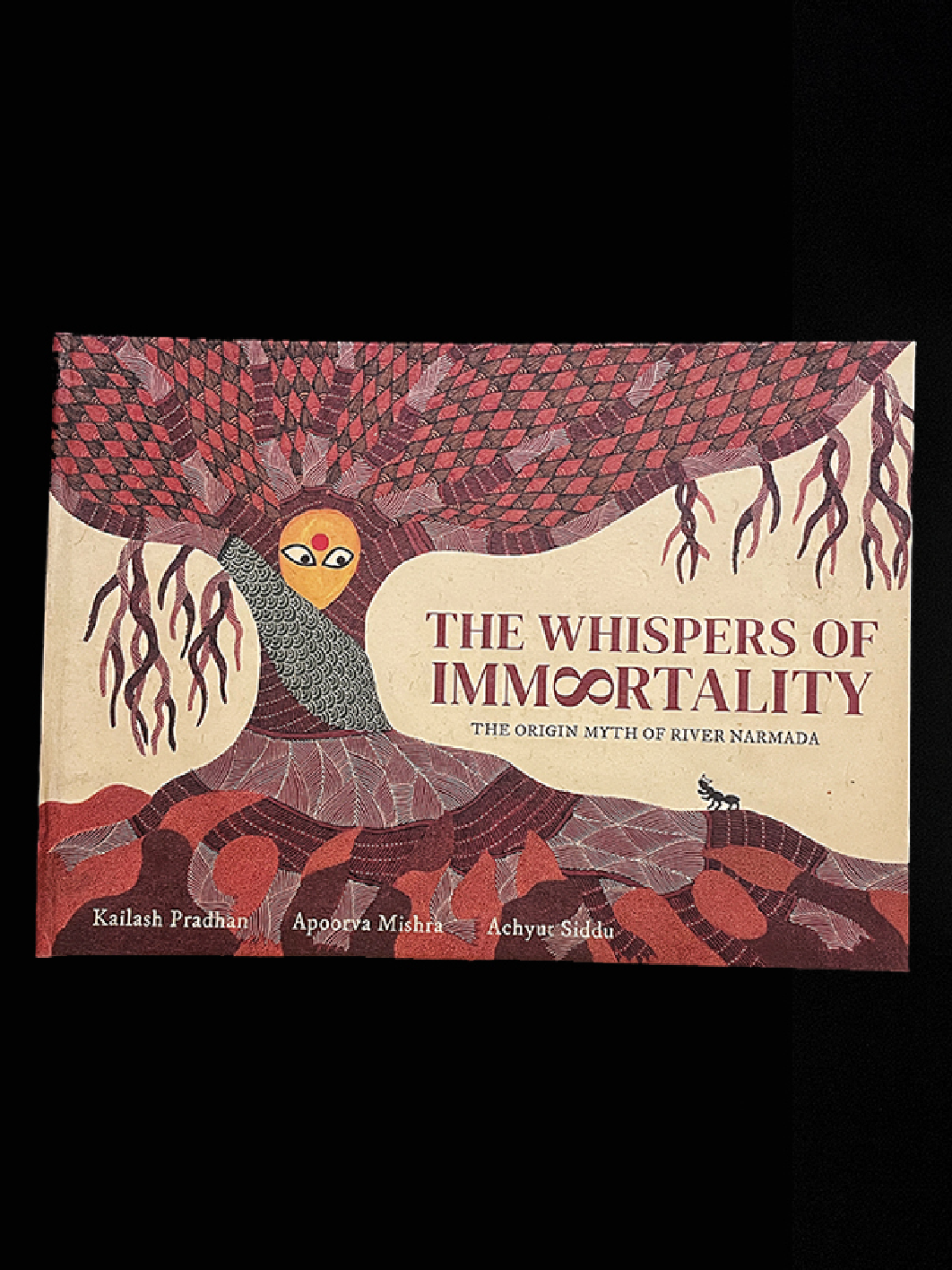
The origin story of the Narmada river, an exchange between Narad and Parvati kept alive through song, took months of work with an artist to become an illustrated book. Elsewhere, they preserve a children's tale about the sun, the moon, and the peacock. “The form keeps shifting, that is how we pay homage to this oral culture as living knowledge,” says Achyut. Painting, print, textile, book: the output is never the point as much as the translation itself, done carefully enough over years so that what leaves the community still resembles what it was inside its tradition. “It really helped that I spoke the community dialects, it fostered trust between us and the communities which was essential for Loksutr,” says Apoorva.
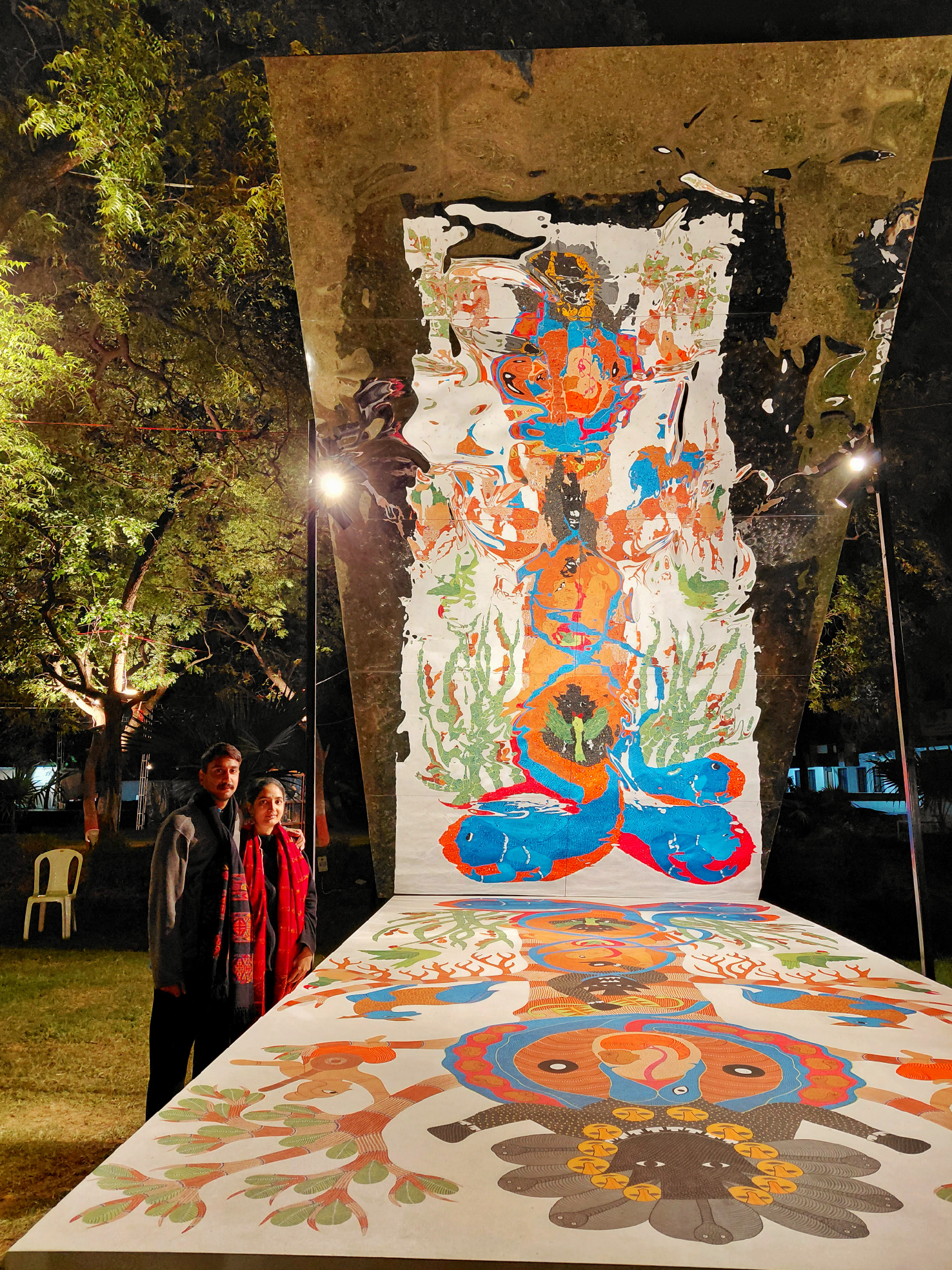
For their most recent project, the two of them were at Bhopal's Bharat Bhavan when they came across a group of Pattachitra artists from Odisha, and recognised in their work a fit for a far older story they wanted to narrate—a sixth-century text on the origins of Indian painting itself. They travelled to Odisha, stayed with the artists, and worked out twenty-one painted scenes together for what will be Loksutr's eighth book.
Whose Name, Whose Story
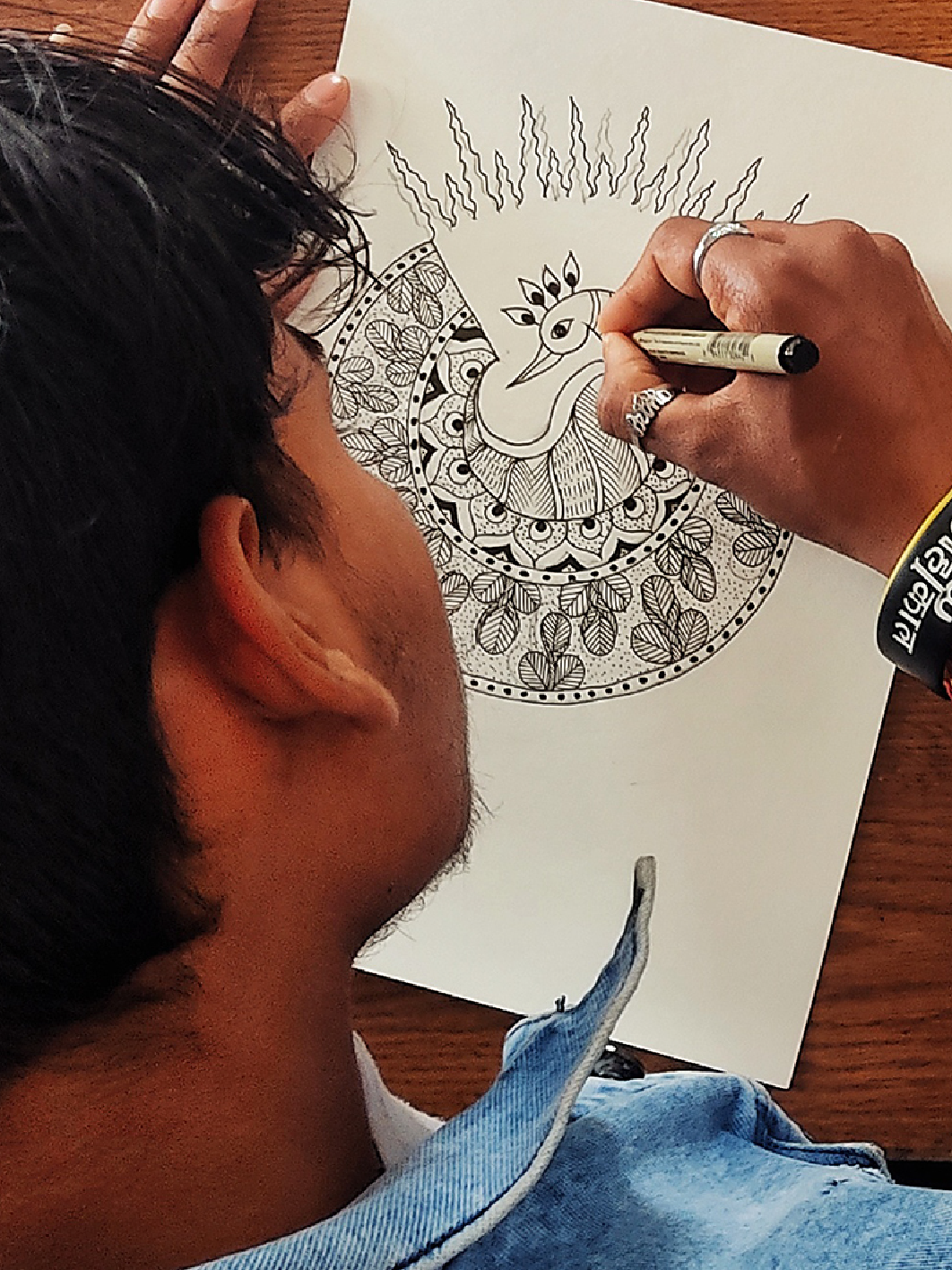
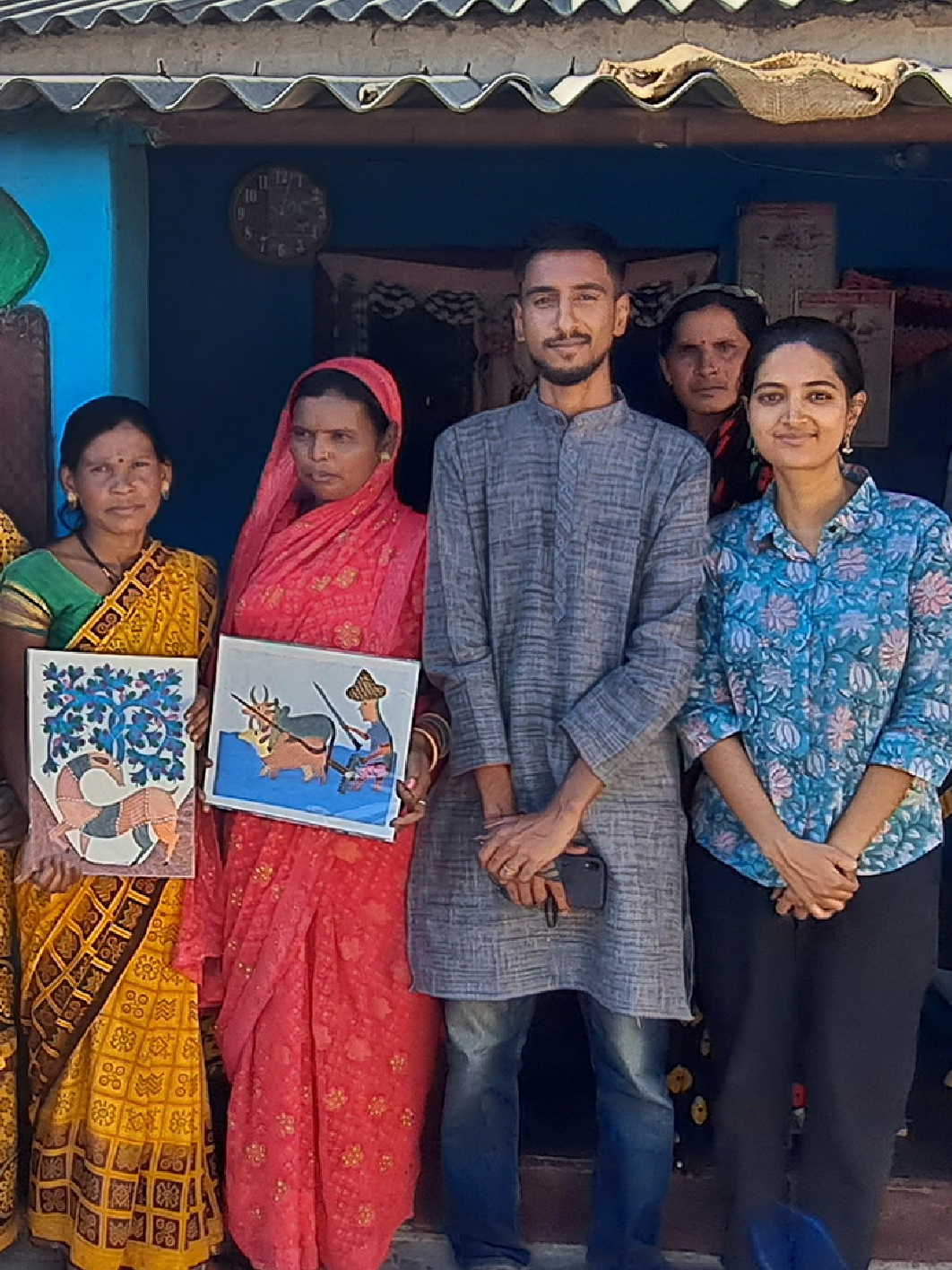
The actual translation begins by sitting with an artist—the outline of a story is worked out first in pencil, and built up in layers until the piece itself signals it is done, a call taken by the artist, not Loksutr. It is a collaboration that took time to earn. Several artists the couple approached, had been through this before: an outsider arrives, commissions a piece for a single show, and disappears once it's sold. Agreeing to spend months on something with no guaranteed audience, for two people who weren't from the community, took convincing.
What eventually made the difference was how the work was credited and paid. The artist's name stays on the finished piece, and payment is tied to how it sells rather than a flat commission upfront—a slower, smaller arrangement where the artist keeps a stake in the work after it's handed over, not just a fee for having made it.
That same unhurried logic governs everything else. Two years in, Loksutr’s catalogue is still and Apoorva and Achyut treat that as the cost of carrying out this endevour properly. Work happens around the community's own calendar, sowing and harvest decides when a sitting is even possible, and each finished piece is held to a standard that has nothing to do with speed.
Not a Bestseller
Growth, for them, has meant reach rather than volume. The move from Anuppur to Bhopal was made for exactly that—their earlier work had spread almost entirely by word of mouth, and distribution needed a city behind it. The same method has since started extending past painting: an early thread of work documenting a heirloom rice variety and the seasonal food knowledge tied to it, suggesting the real project was never the books themselves, but the method that produces them.
The man who built the temple he'd never see finished isn't a metaphor Apoorva and Achyut reach for lightly—they know exactly what they're asking artists, and themselves, to sign up for: work whose payoff arrives, if it arrives at all, after they've stopped being the ones carrying it. What they're building past Bhopal isn't a bigger catalogue so much as a wider set of hands able to keep it going—more artists, more systems of translation, and more mediums of expression running alongside the books. Whether any of it outlasts the two of them is, by their own logic, the wrong question to ask this early. The point was never to finish it in this lifetime.