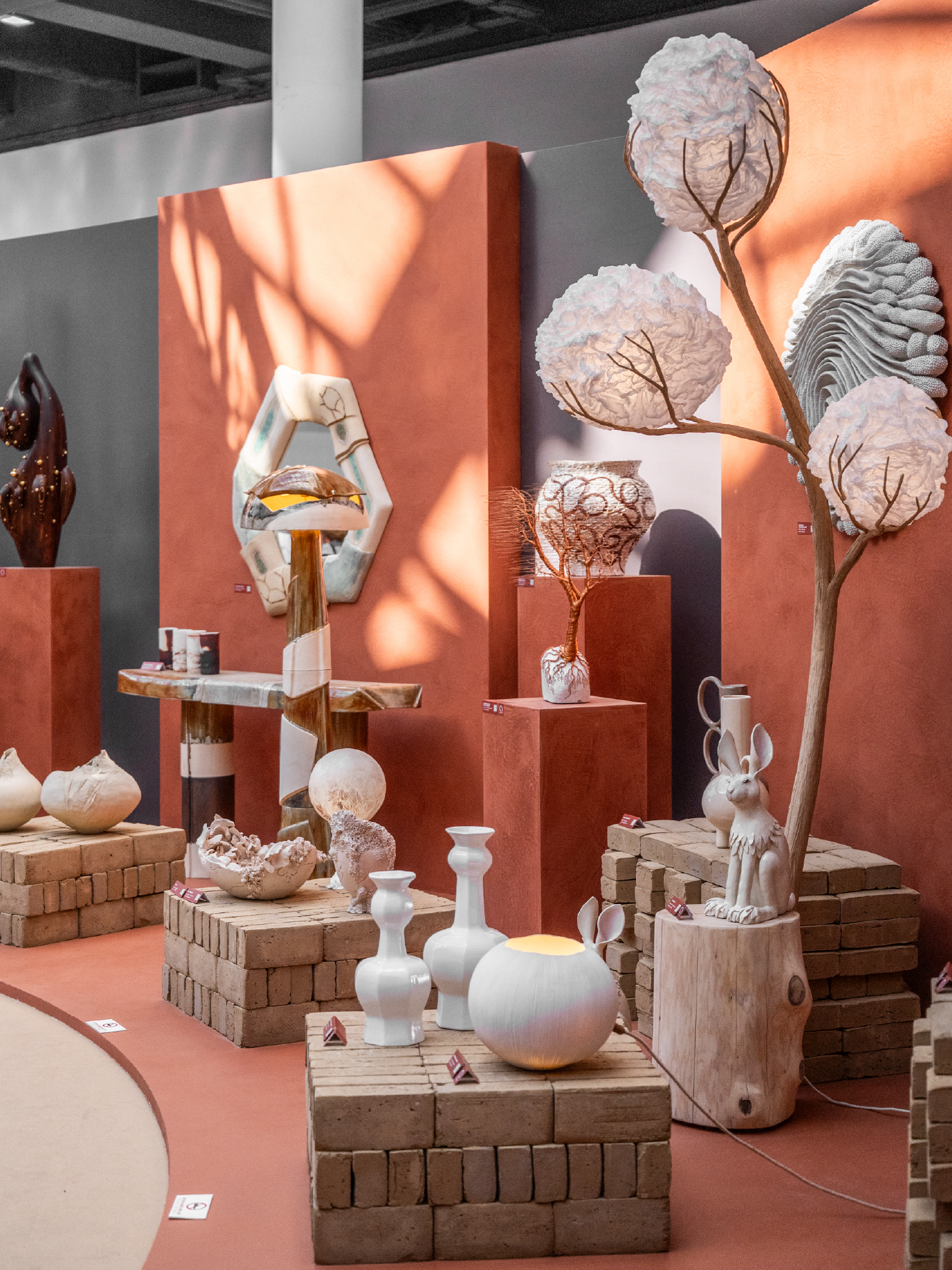
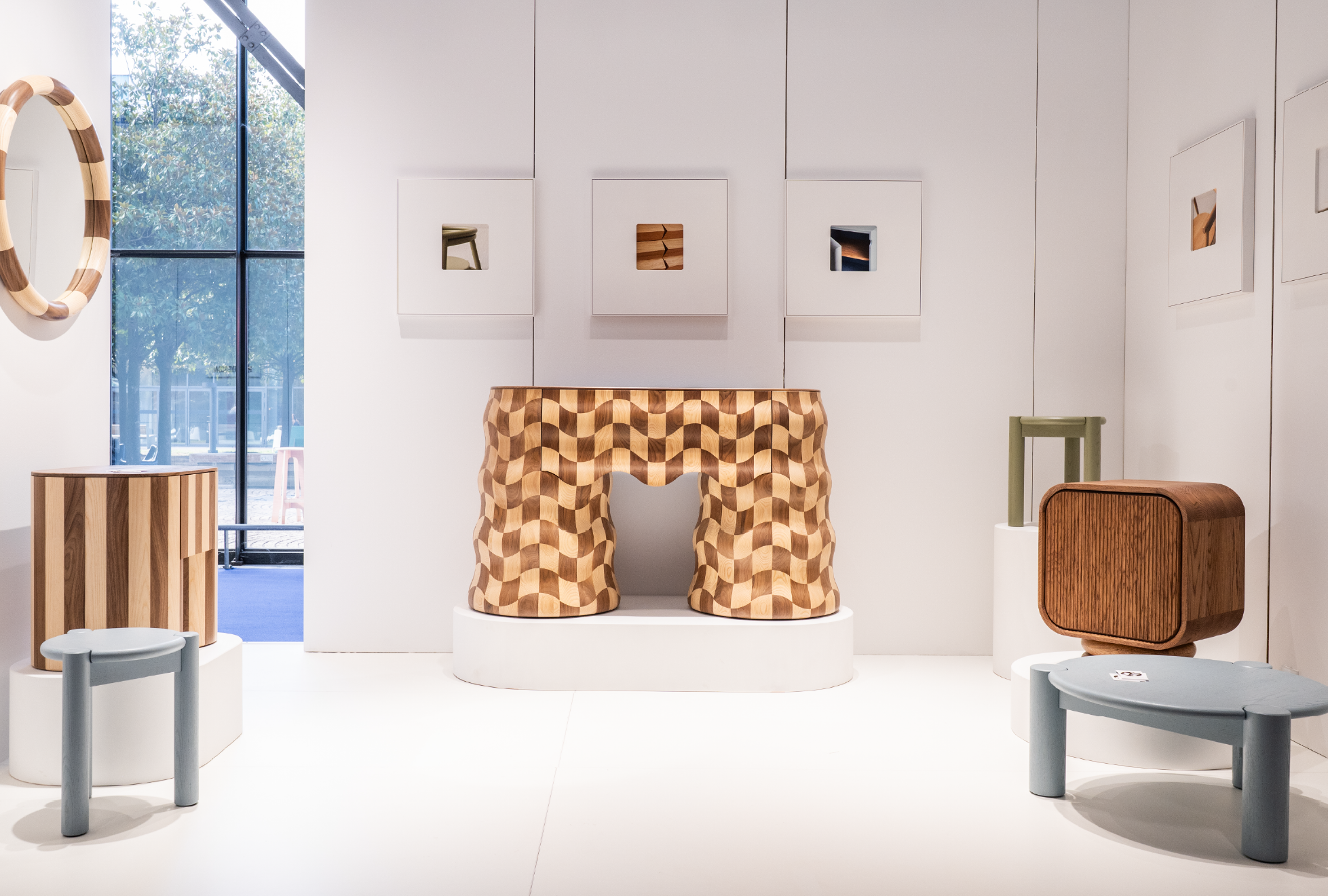
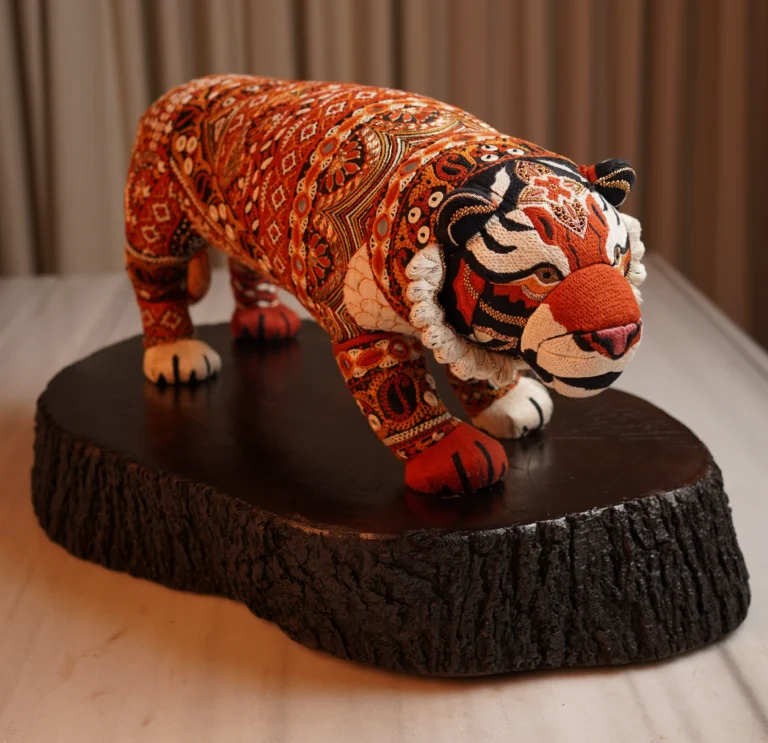
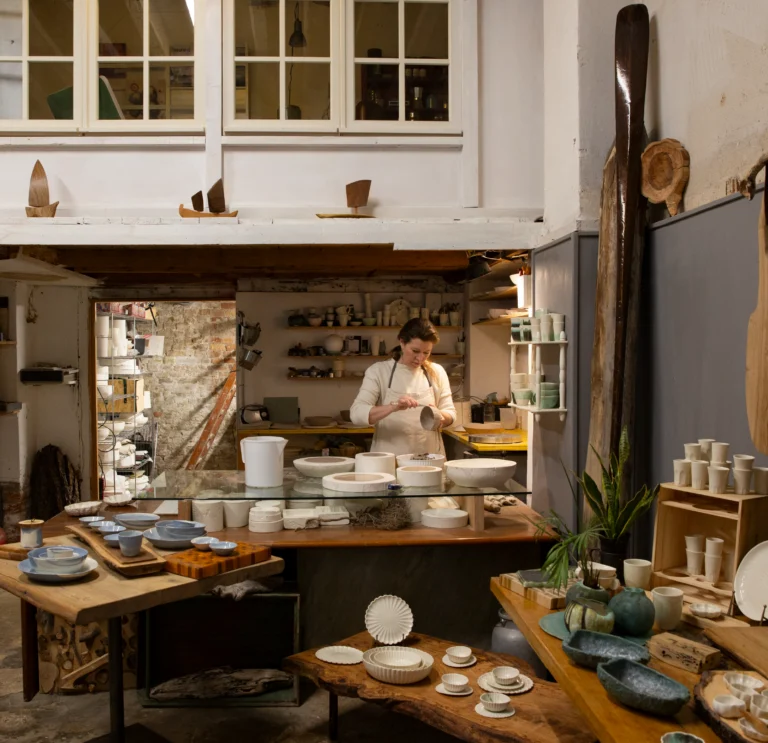
As the doors of Paris Nord Villepinte Exhibition Centre opened in Paris on the morning of September 10, somewhere inside, a wax lamp revealed the soft irregularities left behind by its mould. A few halls over, lengths of rope had been turned into a chair on an almost architectural scale. Across the fair, materials seemed to tell you something about the hands, techniques and ideas behind them. The making was still visible, and it became one of the defining ideas of this edition of Maison&Objet. The new autumn show, titled Maison&Objet Pulse, ran from September 10 to 14 2026 under the theme Pulse in Motion.
Craft stepped into the spotlight
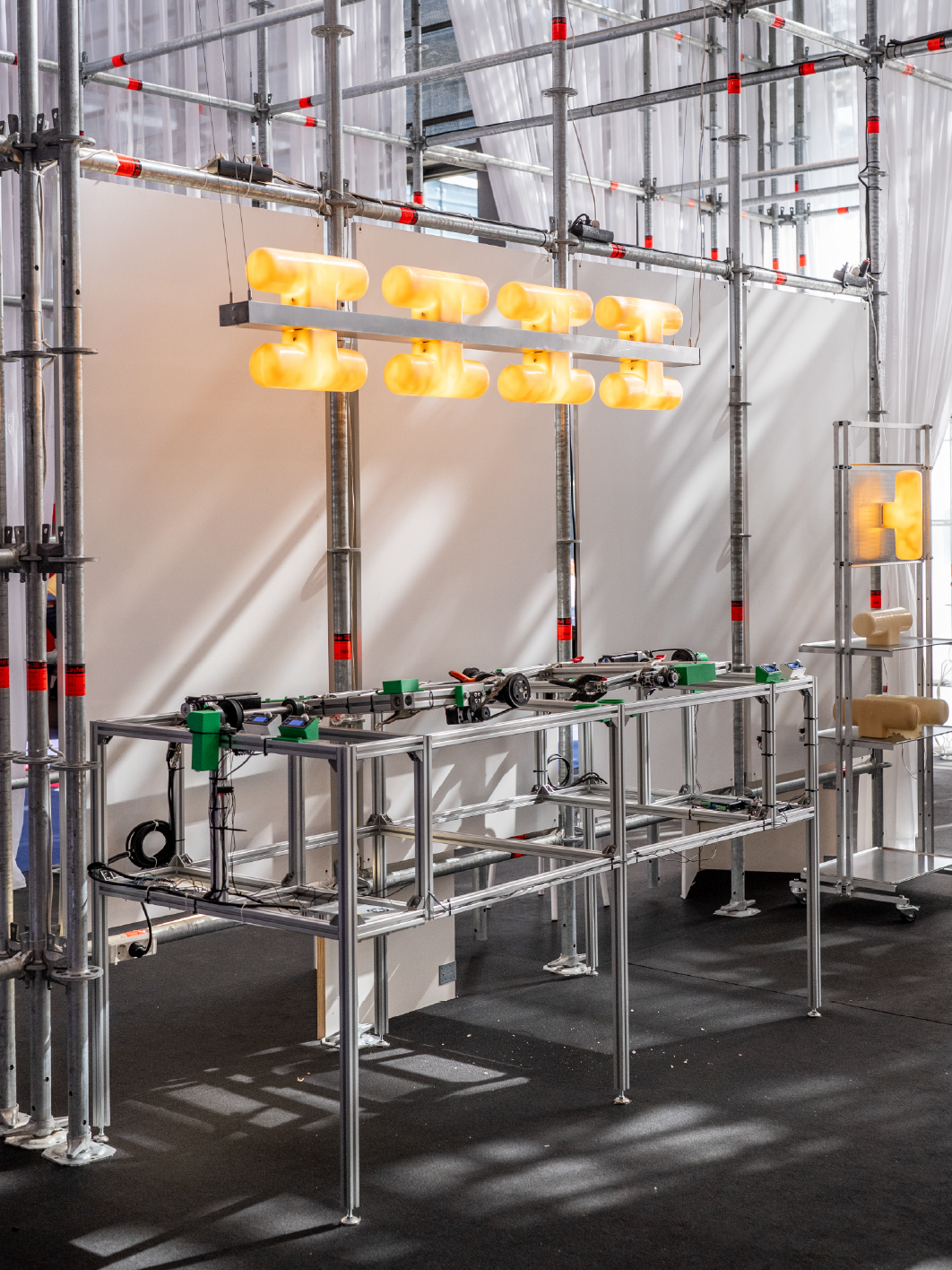
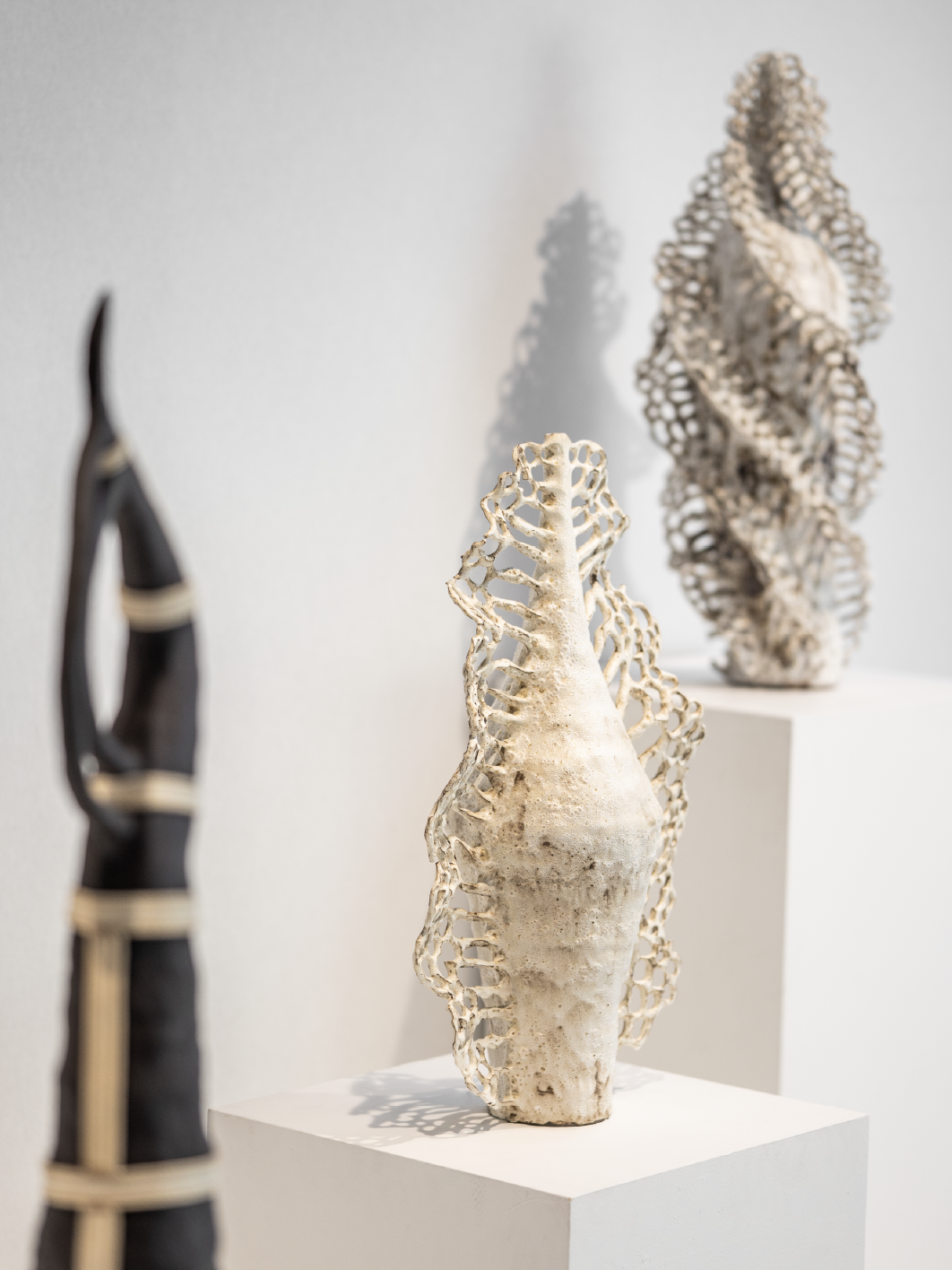
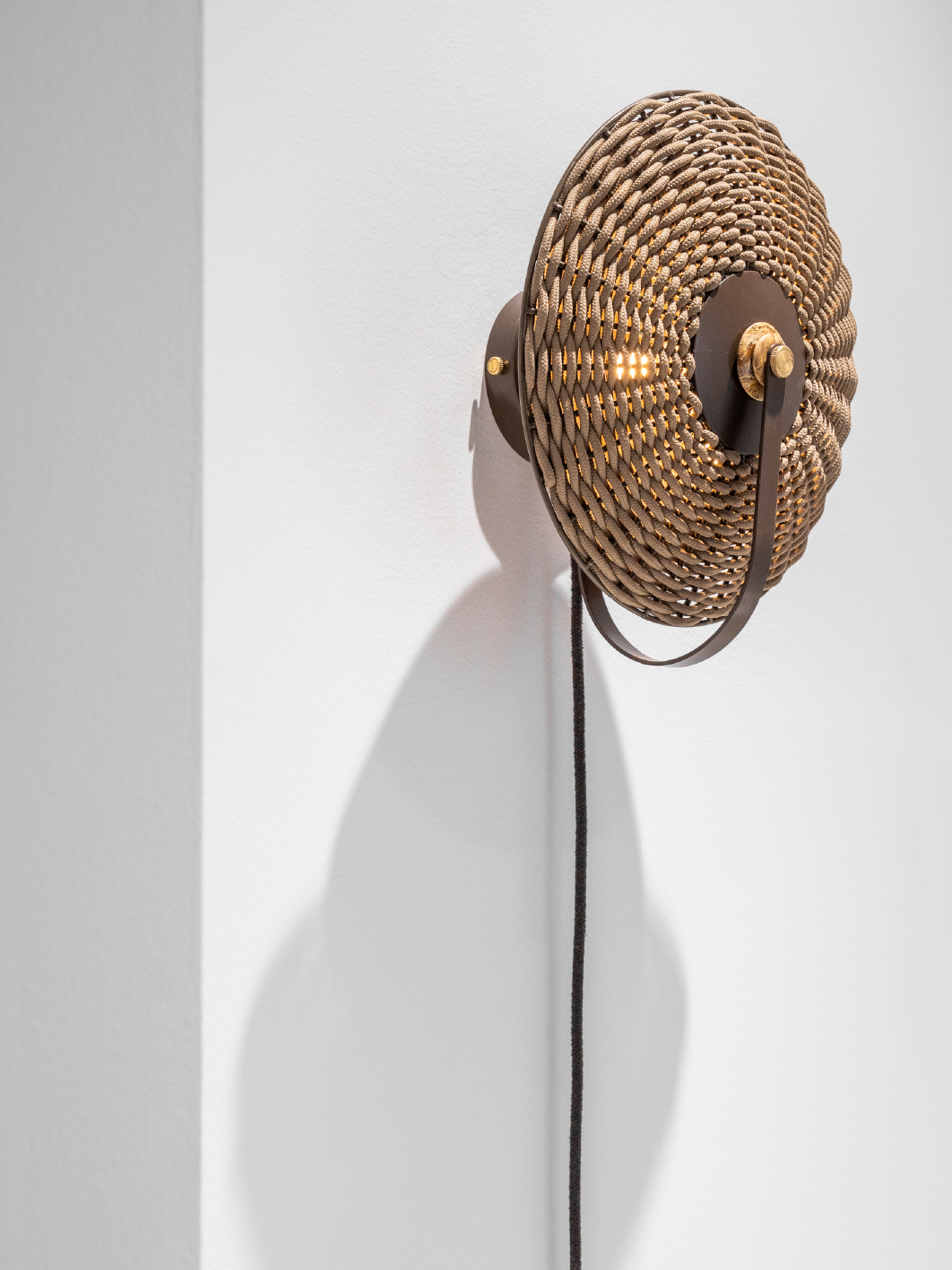
Inside Hall 5A, home to Design District, Maison&Objet's platform for emerging designers, studios and new ideas in contemporary design, the first thing you noticed was scale. Techniques that used to stay small and domestic have been blown up to architectural size. Think crochet, hand-thrown clay and wax casting. Cape Town's Studio Lloyd, led by Ashleigh Lloyd, built oversized lighting and seating out of rope, all worked by hand in traditional crochet. Nearby, South African ceramic sculpture artist Karlien van Rooyen, this year's Rising Talent Craft award winner, shaped unglazed clay into forms pulled from the South African landscape she grew up in. And near the Future On Stage platform, French duo Emma Lohner and Philippe Gaud of Paris based Baguette Studio cast wax lamps using a slowed-down version of rotational moulding, a process that normally runs hot and industrial. Their wax can be melted down and recast forever. Rather than hiding the process behind a polished surface, these pieces made the marks of making part of the design.
Light that behaved like architecture
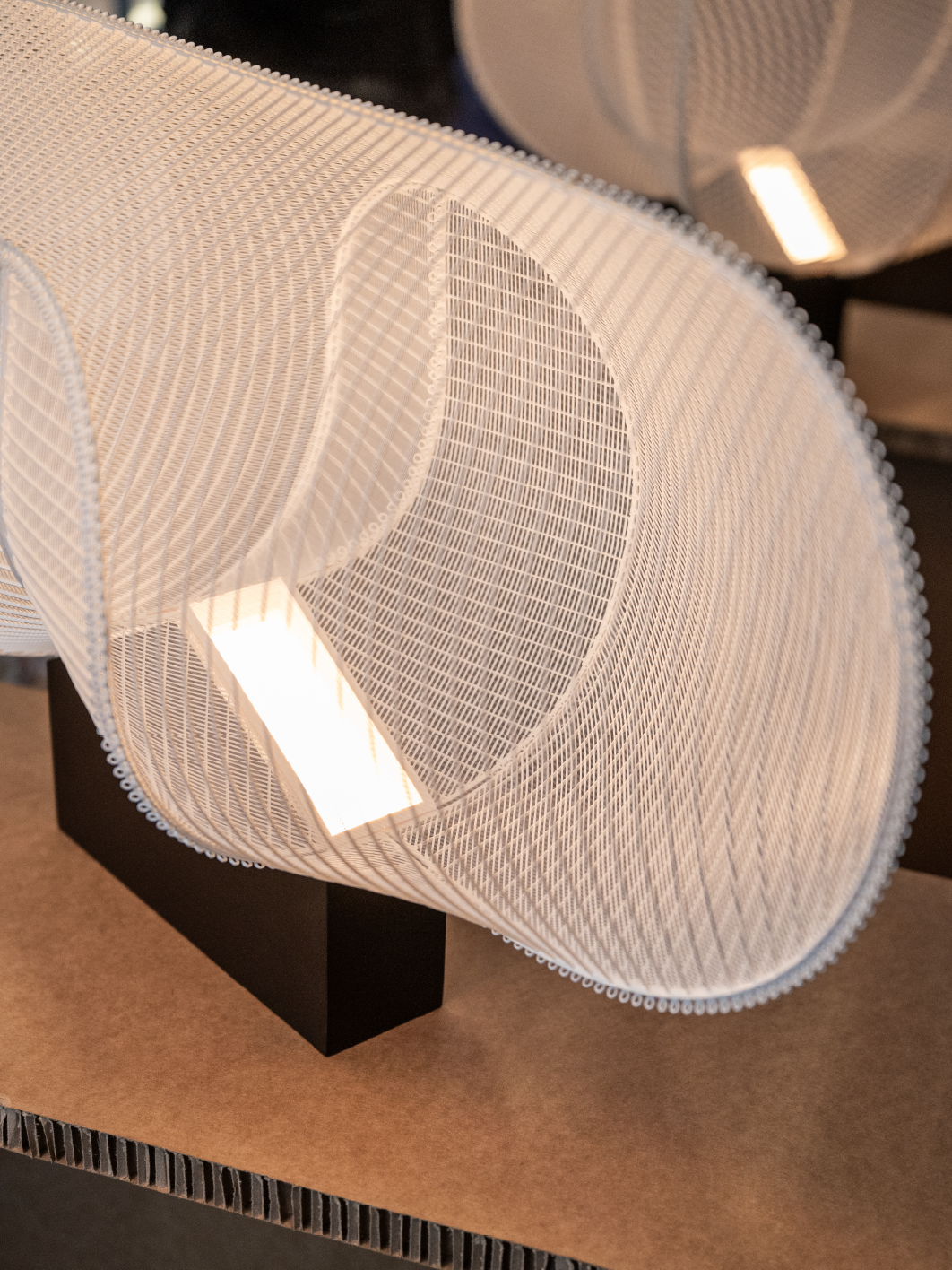
Further in, lighting stopped acting like a fixture and started acting like structure. LightMass^, a project by London-based design and research practice Raw-Edges, founded by Yael Mer and Shay Alkalay, built sculptural forms out of bundled LED light. Switched off, the pieces looked like line drawings suspended in air. Lit up, they became full volumes. The same instinct appeared at matériO’s “Translucide” showcase, a cabinet of curiosities bringing together 30 translucent materials that played with the way light passes through, reflects off or is absorbed by a surface. Here, the material itself became part of the light story. Together, the two examples showed how much a room can change when light is treated as something to look at, rather than simply something to see by.
Colour in focus
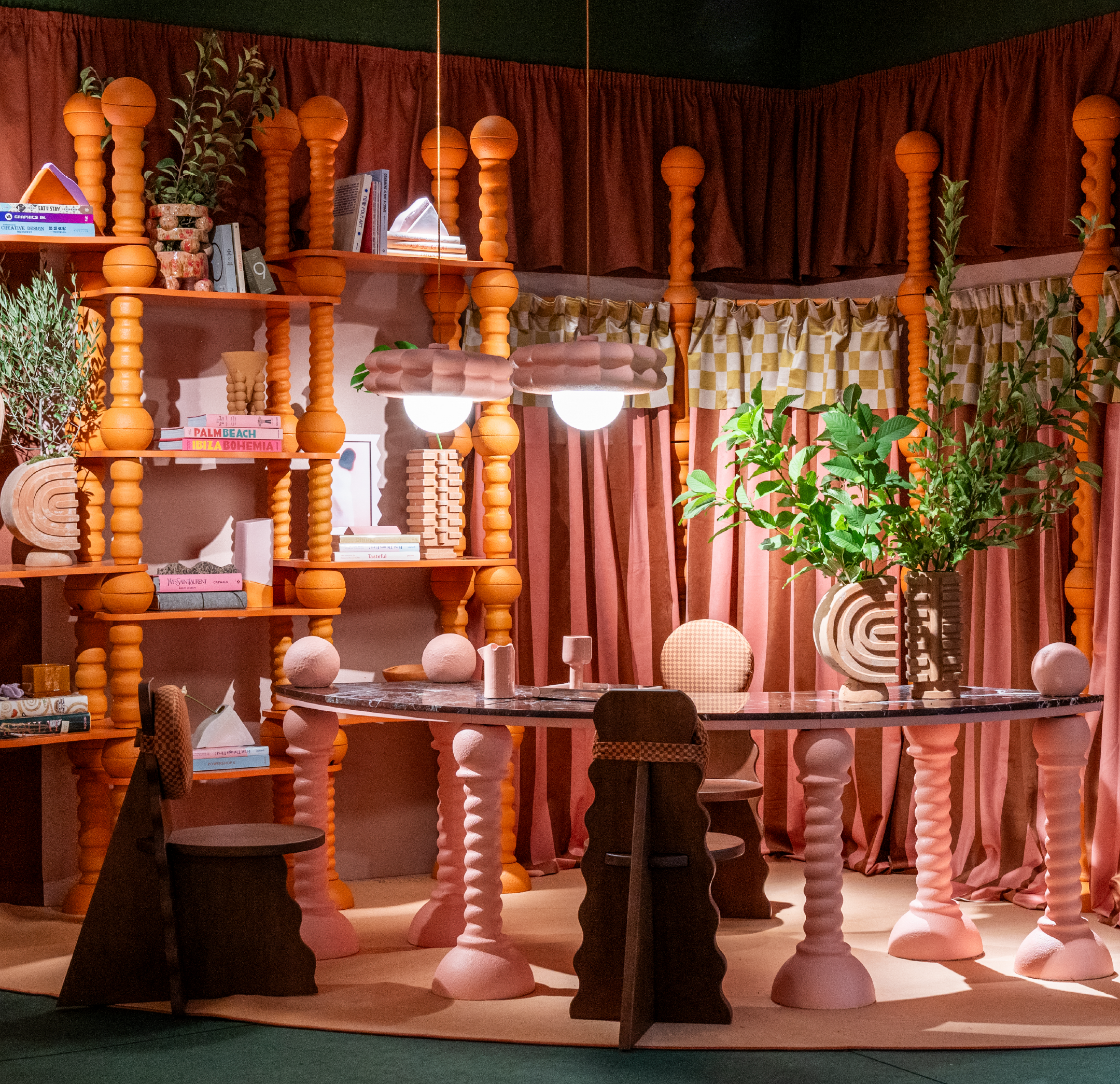
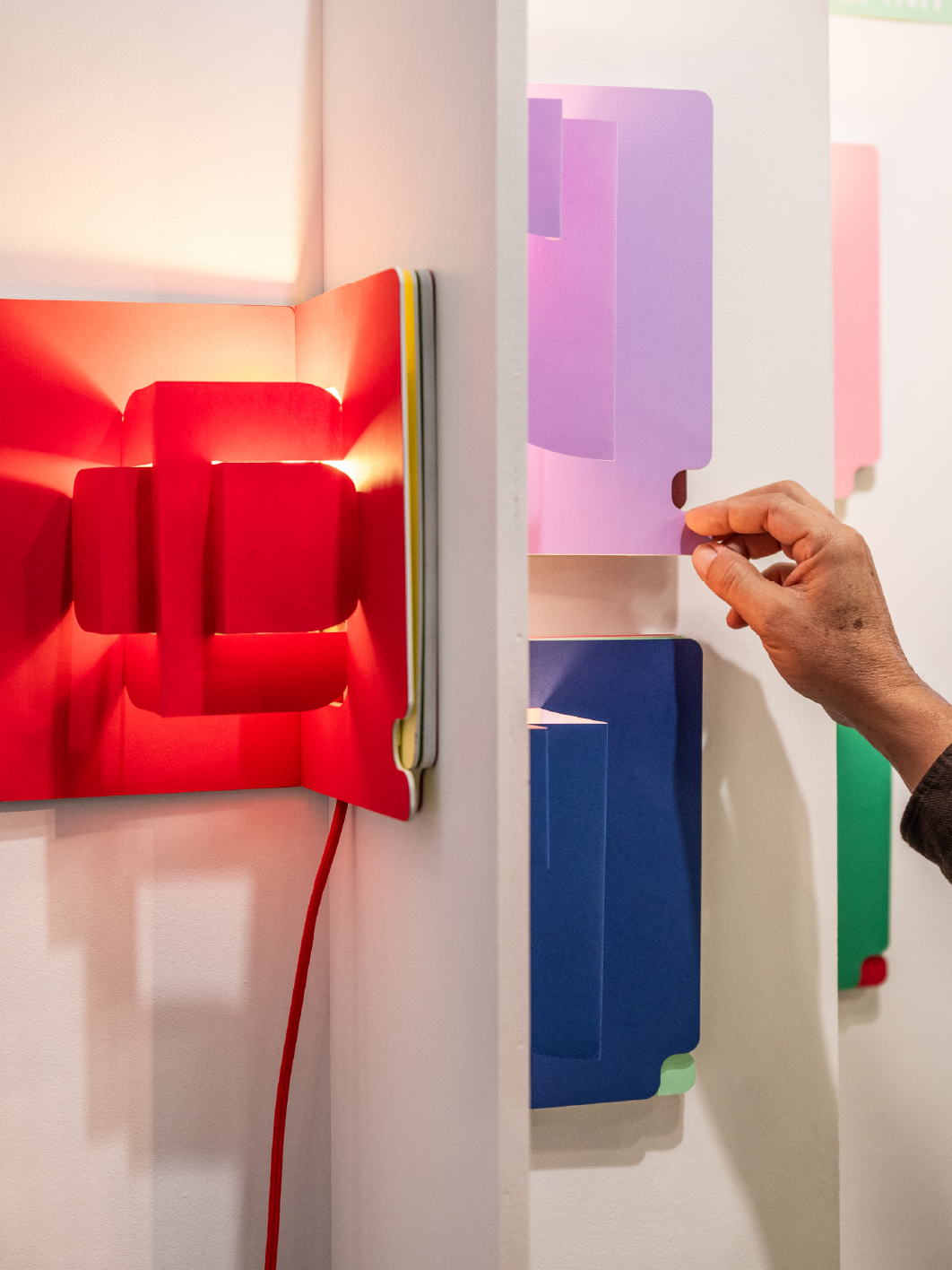
Subtlety took the season off. Design District was once again directed by French collective Hall Haus. The collective, founded by Abdoulaye Niang, Sammy Bernoussi, Teddy Sanches and Zakari Boukhari, returned for a second year, with its identity built around one shade of yellow. Co-founder Sammy Bernoussi joked that it was practically their signature at this point. Across the aisle, Dutch designer César Moncaut, founder of Risette, paired navy, powder pink and mint on cardboard and paper lamps. The interesting part was how colour became part of the personality of these designs, rather than something added at the end. Hall Haus made yellow its signature, while Moncaut’s lamps took on a different feel as the colours shifted with the way they were seen.
Old forms, told again
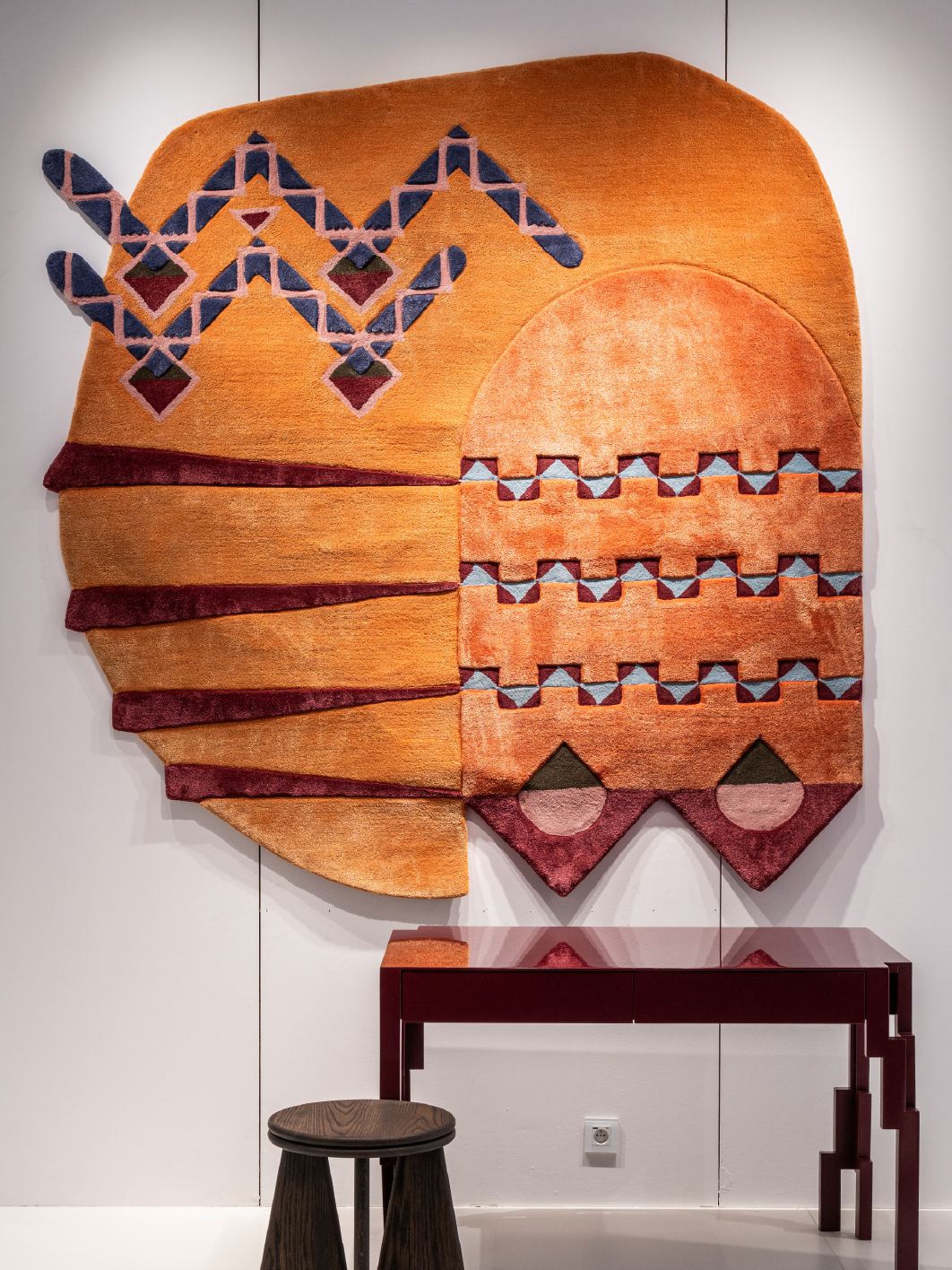
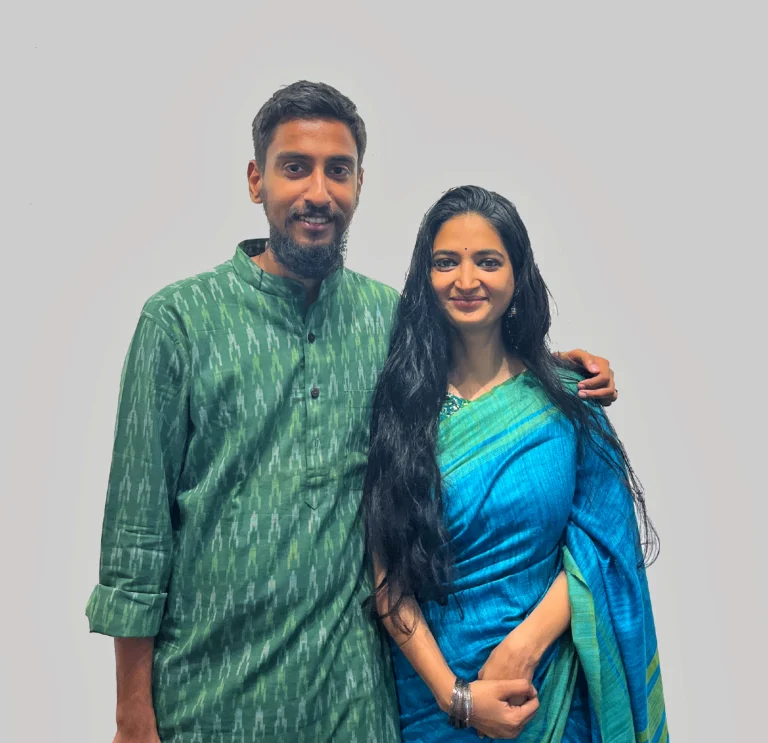
There was a quieter trend running through the fair too: heritage used as structure, not decoration. This year's Rising Talent Awards spotlighted South Africa for the first time, in a new partnership with Decorex. Durban-based Pinda Interior Design's Siyanda Mbele, who grew up in Umlazi, built furniture and rugs around Ndebele patterning, working through several versions of each piece until the pattern and the form settled together — a process he ties directly to telling people who he is and where he's from. Meetlo Studio's Oageng Manana and Tshegofatso Ramothibe worked almost entirely in wood, letting traditional references shape each piece's form rather than adding them on afterward, a choice rooted in the landscape and heritage they grew up around. The same cohort includes interior and furniture designer artist Simphiwe Mlambo, whose new Paris collection built a wall panel, floor lighting, and bench around a single loom-inspired structure; Tanisha Neill, founder and creative director of Cape Town-based furniture studio N I S H, brings a background in interior and product design to pieces that explore natural materials, craftsmanship and imperfection, shifting in character depending on how they are placed and lit; and Martin Tallie and Zani Alberts, co-founders of Eastern Cape-based furniture studio DEFT Studios, who handcraft every piece themselves and design explicitly against "fast furniture." Hall Haus's own "Haus Dari" sofa, 36 square metres and first shown in AlUla, reworked Al Majlis seating and Ligne Roset's Togo sofa into the shape of a Moroccan Sedari.
The people setting the tone
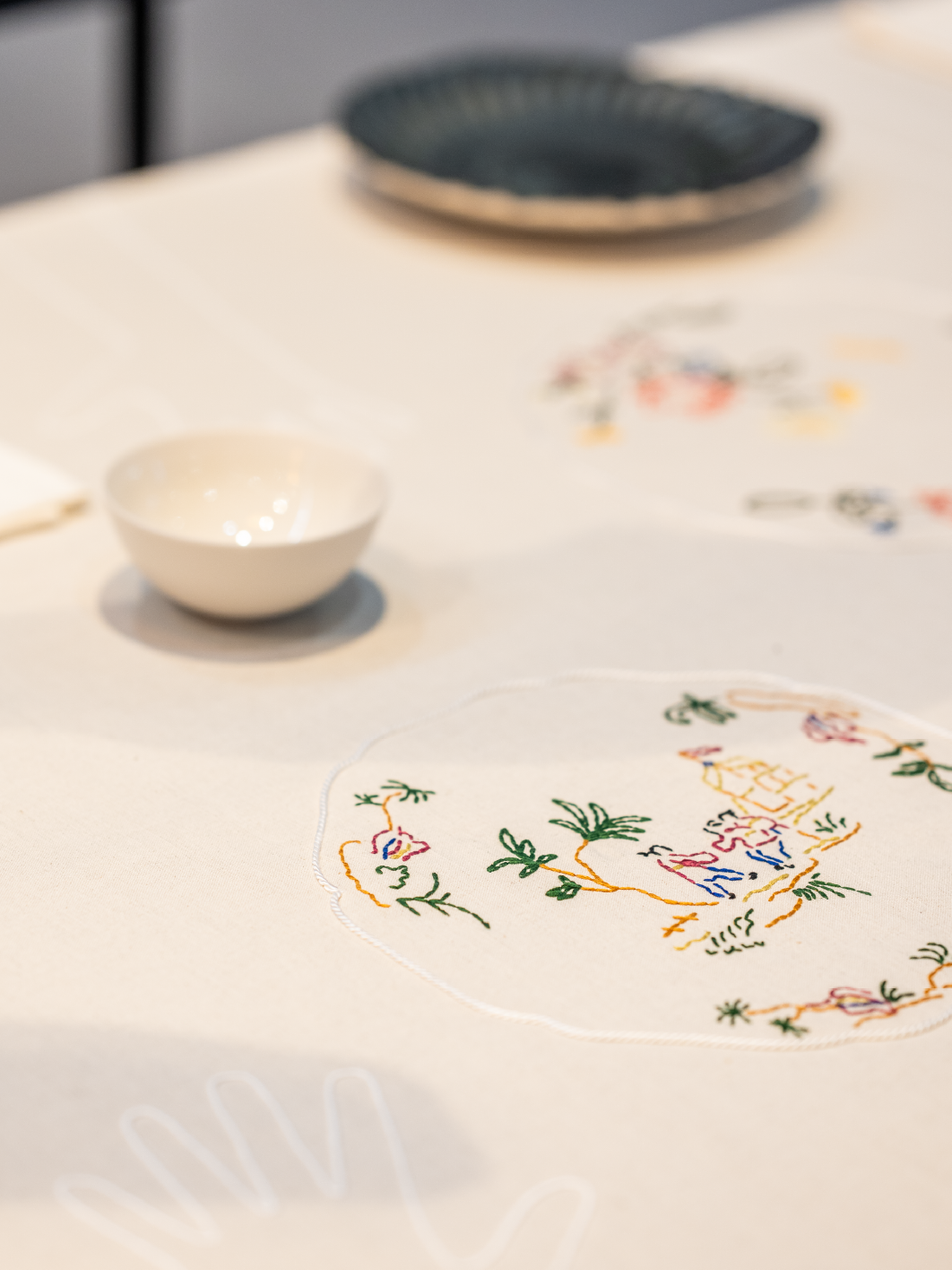
Elizabeth Leriche, French trend forecaster and curator of In Materia, a showcase of unique and small-series artisan pieces within the Fine Craft sector, perhaps offered the clearest expression of what this edition was reaching for. Sarah Espeute, French textile designer, brought the same instinct to textiles, reworking embroidered table cloths and table linen with a modern hand for Cook & Share, where she served as this edition's ambassador. Pauline Glaizal, the French artistic director and scenographer behind the retail concept, brought the idea into commercial space with “Nouveau Souffle”, designing stores built around feeling rather than browsing.
Beyond Design District
What was striking was how many of these designers arrived at the same instinct on their own, working from different cities, different budgets and different starting points, yet all landing on the idea that an object is more convincing when you can still see how it was made. That kind of agreement, arriving from several directions at once without anyone planning it, was perhaps the clearest indication of what this edition of Maison&Objet had been saying all along.
It changed the way the finished pieces were read. An uneven surface, a visible join, a knot in a length of rope or the marks left by a mould were no longer details to overlook, but clues to the object’s making. They gave the eye something to follow and made even familiar forms feel more specific, more considered.
And perhaps that is where the value of the process lies. When an object gives you a sense of how it came to be, it asks to be understood as much as admired. The making becomes another layer of the design, giving the piece a story that reveals itself a little more each time you look at it.