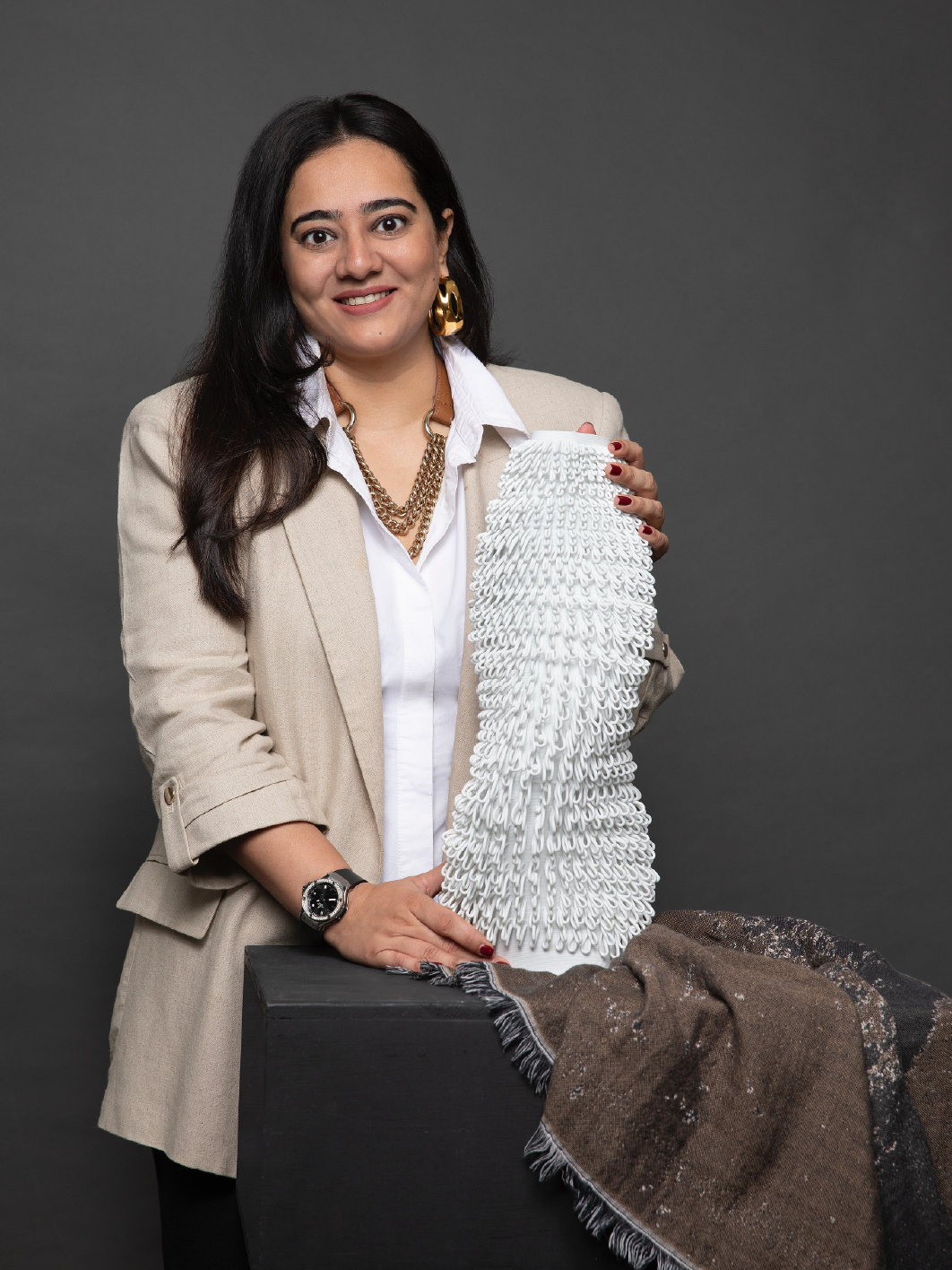
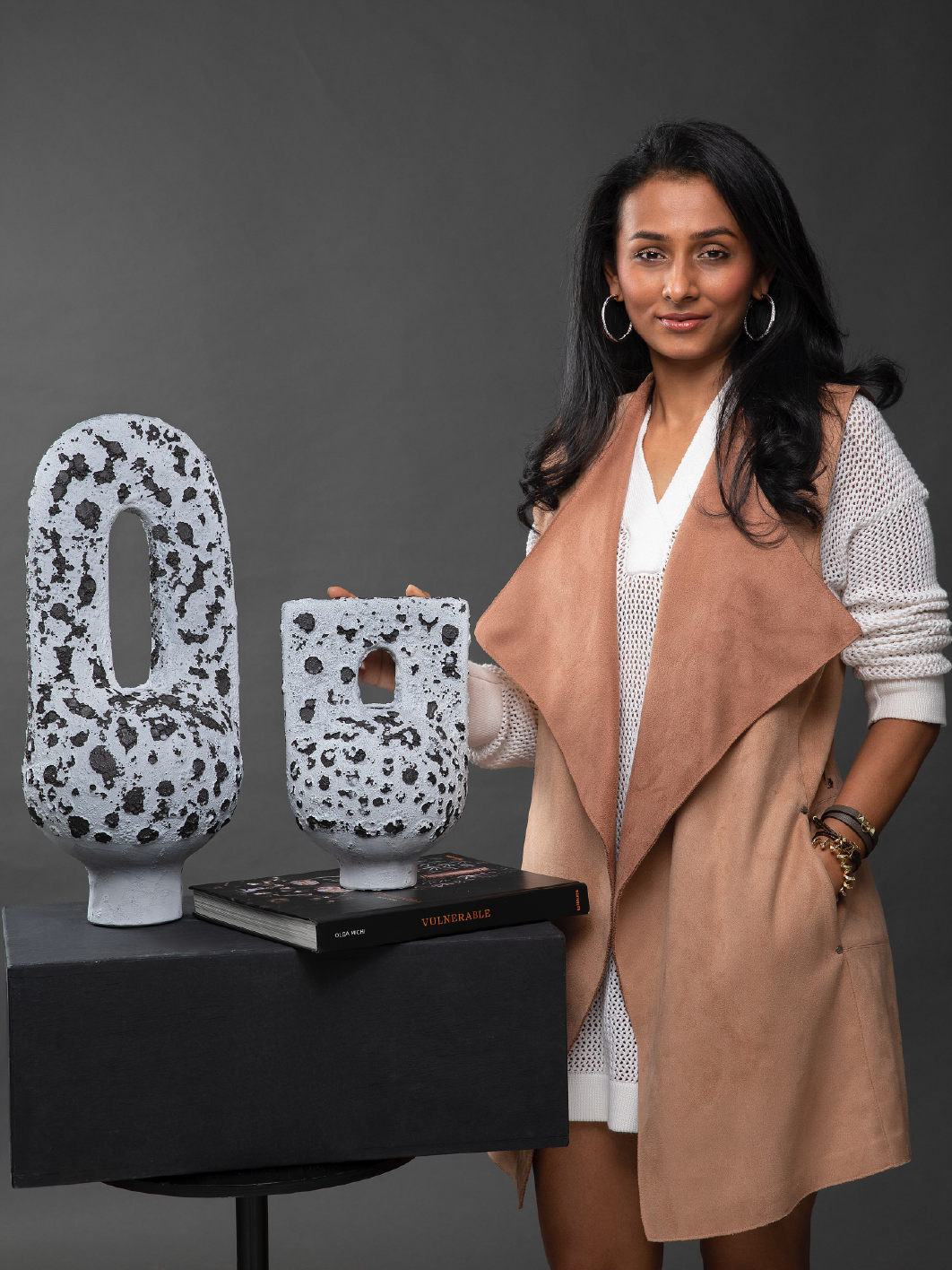
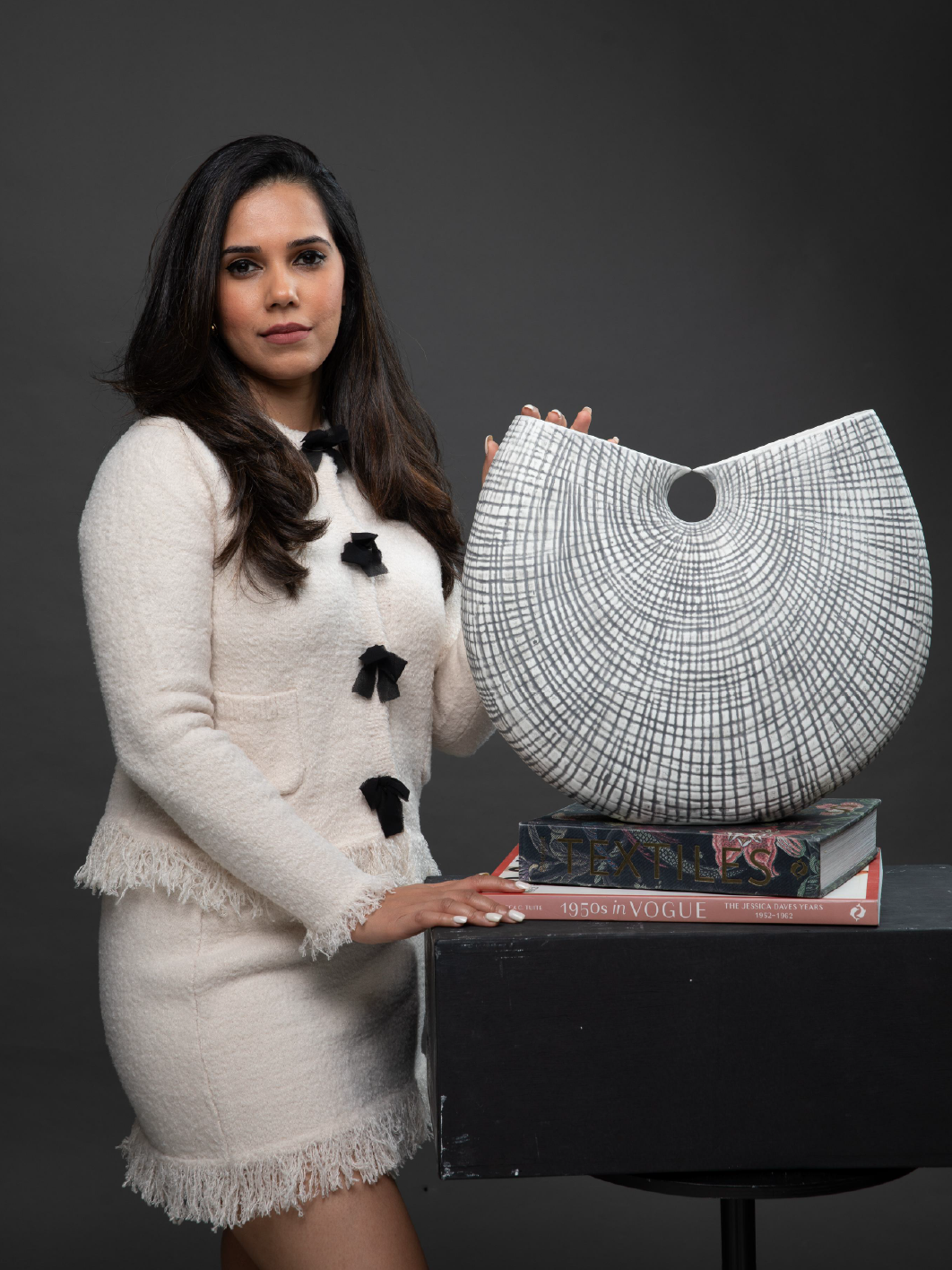
Put Natasha Davda, Neha Manaktala and Rashmi Bagai in front of the same vase and chances are they won’t quite see the same thing. One is drawn to the skin of it, another to the curve, the colour, the small oddity that makes it memorable; the third has already placed it somewhere, against a wall, beside a book, under a pool of light. For three best friends who now choose objects together, the difference is the point. Somewhere between those distinct ways of looking, Studio Assort found its shape as a Mumbai-based studio curating objects, particularly ceramics, from around the world and styling homes around them.
In the lead-up to its 2023 launch, Natasha and Neha had just finished styling their homes in Mumbai, while Rashmi was midway through hers in Dubai, and the three kept running into the same frustration. There was plenty of décor, but little that felt worth bringing home. They wanted handmade pieces, tactile surfaces, unusual forms, and the little imperfections that gave an object some life beyond its function. That restlessness became Studio Assort.
Their routes to it were different. Neha came from bespoke travel, while Natasha and Rashmi had spent close to a decade in design. Travel had long been common ground, alongside a shared interest in fashion, art, interiors, and discovering something unexpected. That overlap still shapes the way they source. Today, Studio Assort looks across Thailand, Vietnam, Turkey, Bali, and the Middle East through research, conversations, travel, and a fair amount of serendipity. “Sometimes we’ll travel with something specific in mind, and other times we’ll find something completely unexpected and fall in love with it,” says Neha.
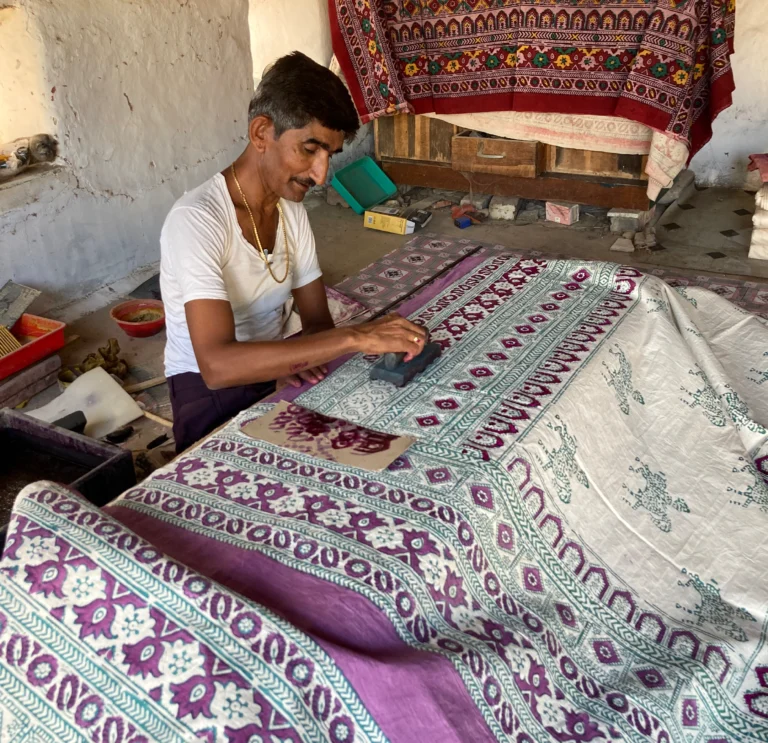
The discovery may be instinctive; the decision is not. They want to know who made an object, how it was made, and what material or technique sits behind it. Most pieces enter the collection as they encounter them, without alteration. For a particular styling project, however, they may adjust proportions, finishes, colours, or smaller details to suit the home. “Every time we travel or discover a new maker, we come back with a slightly different perspective,” Neha says, “and that naturally becomes part of Studio Assort.”
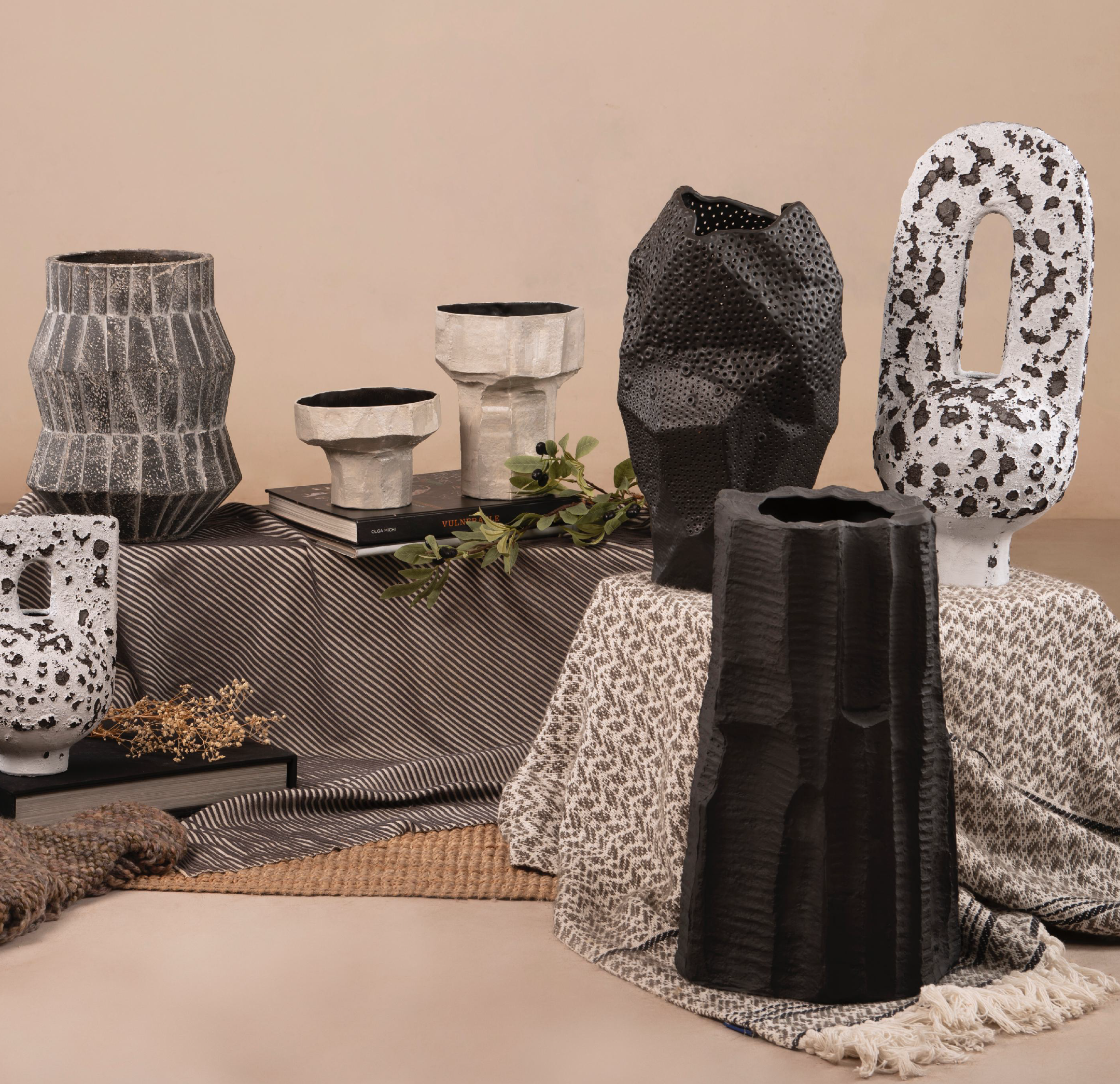
Ceramics give them more room to play. Rustic textures sit against classic neutrals, silhouettes stretch from quiet and elemental to slightly stranger forms, and the subtle variations of hand-sculpting remain visible. “They don’t necessarily have to be big or dramatic,” says Natasha, “but there should be something about them that makes you want to look at them twice.” Rashmi puts the edit simply: “Does it have character? Does it tell a story? And can we imagine someone bringing it into their home and making it their own?”
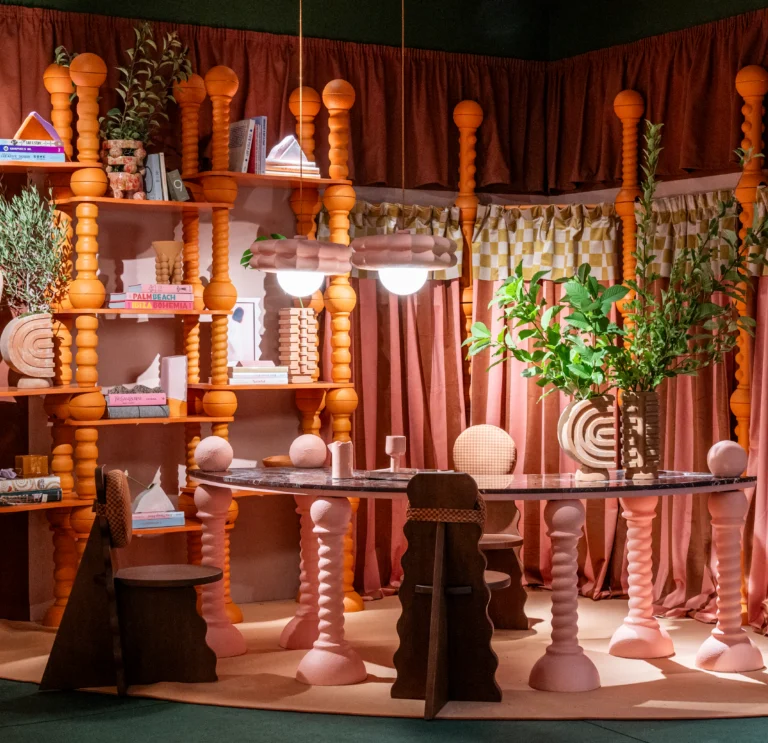
As pieces from different places enter the collection, the three begin editing them against one another. A rough, chalky surface might sit against something smoother and more pared back; a heavier, hand-worked vessel beside one that is spare and slender. The point is not to make everything resemble everything else. “We’ve never really believed that everything needs to match perfectly,” says Natasha. “In fact, we love when there’s a little bit of contrast.”
The result is less a formula than a shared language. The three may respond to an object differently, but over time they have developed an instinct for what feels like Studio Assort. Earthy forms, tactile surfaces, quieter colours, and sculptural silhouettes recur, but not as rules. What matters is the relationship between pieces, the slight friction of one material against another, and the moment when contrast stops feeling accidental and starts to feel considered.
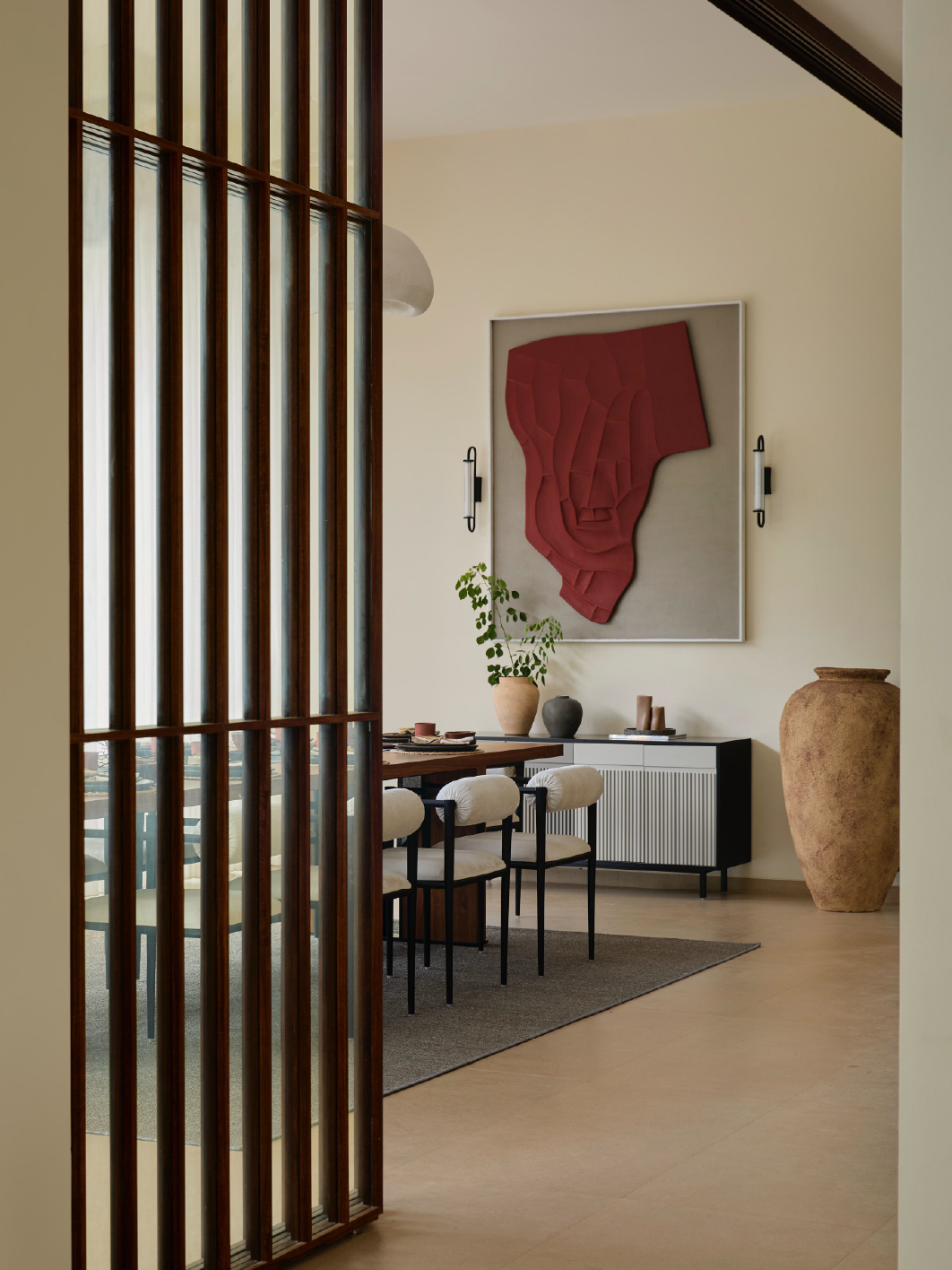
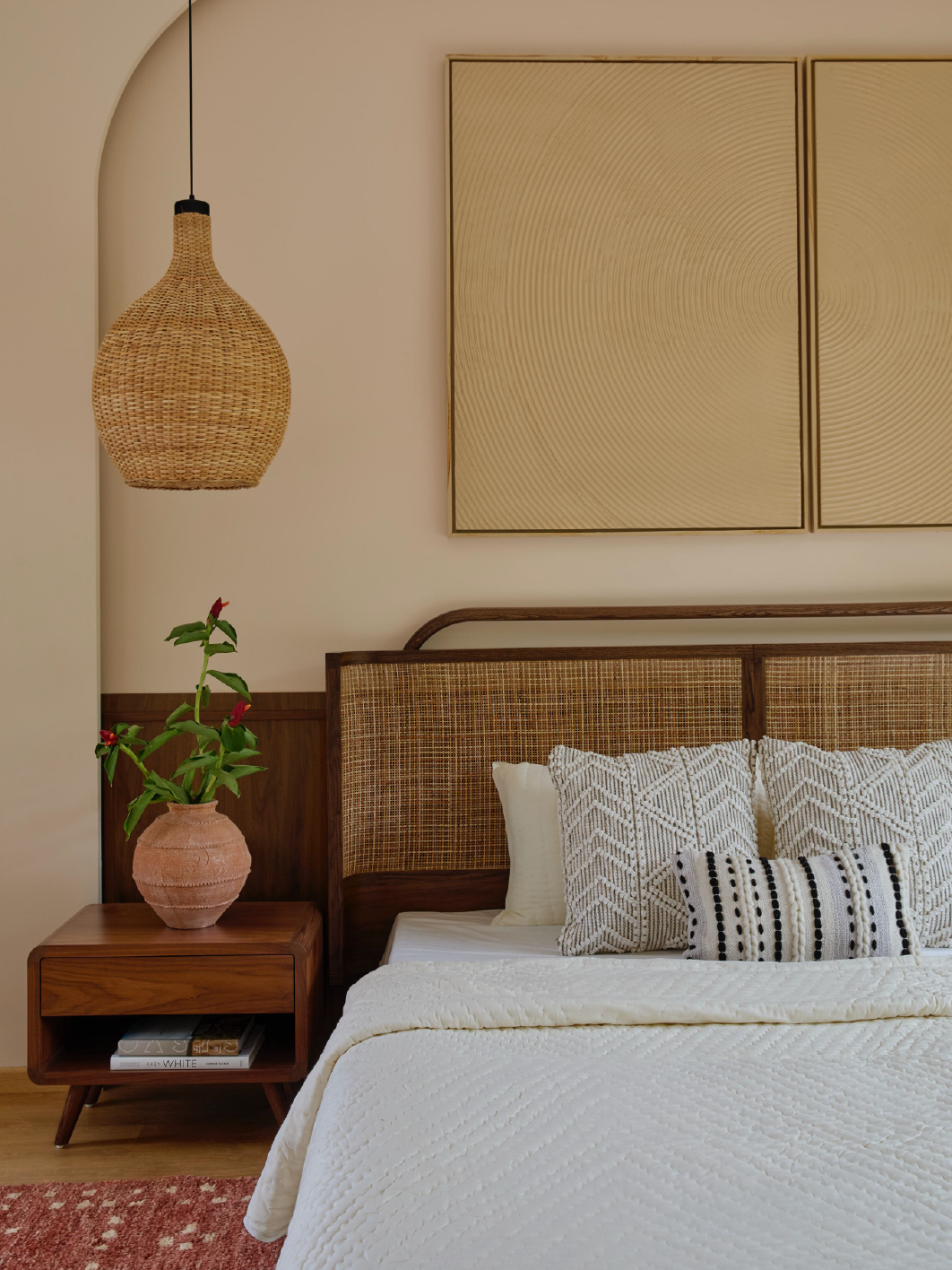
And then there are the homes. Studio Assort has styled three projects in Alibaug and a couple in Mumbai, where their collection becomes only one part of a larger picture. Vessels mingle with paintings, books, candles, rugs, throws, and things the homeowners collected long before Studio Assort arrived. Some are beautiful, some sentimental, some perhaps impossible to part with. All of them matter. “Curating a collection of vases is about defining the Studio Assort world, while styling is about taking that world and making it feel completely individual to each space,” says Rashmi.
A collection allows the three women entrepreneurs to articulate what they are drawn to; a home asks them to listen to somebody else’s taste as well. Their job is not to wipe the slate clean, but to understand what is already there and decide what, if anything, needs to join it.
Which brings the story, rather neatly, back to three friends and the things they themselves wanted to live with. Natasha, Neha and Rashmi may arrive at a piece for different reasons, but the final question is still wonderfully simple: would they bring it home?
Studio Assort begins with whatever survives all three answers.