Rooms worth lingering in
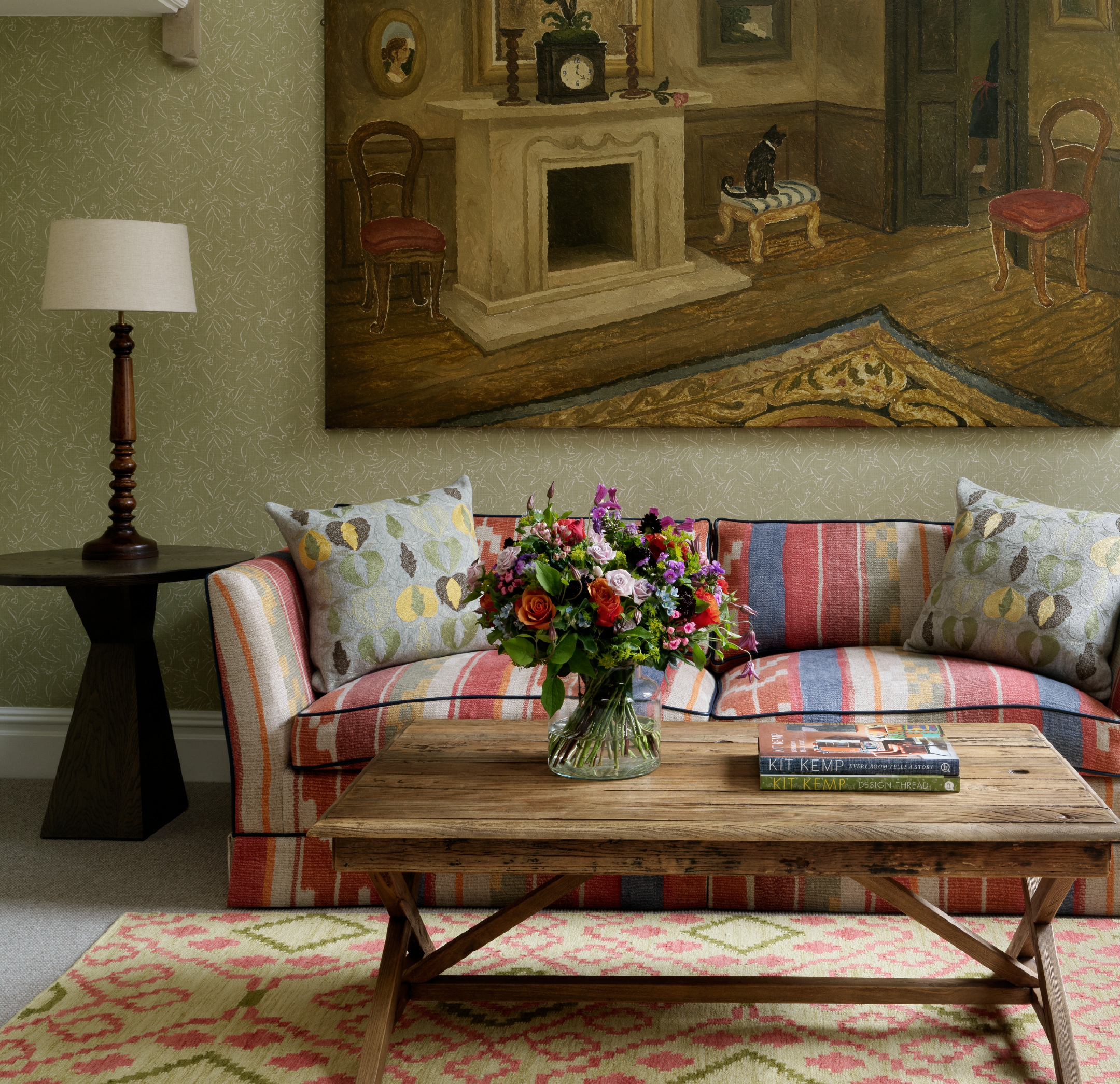
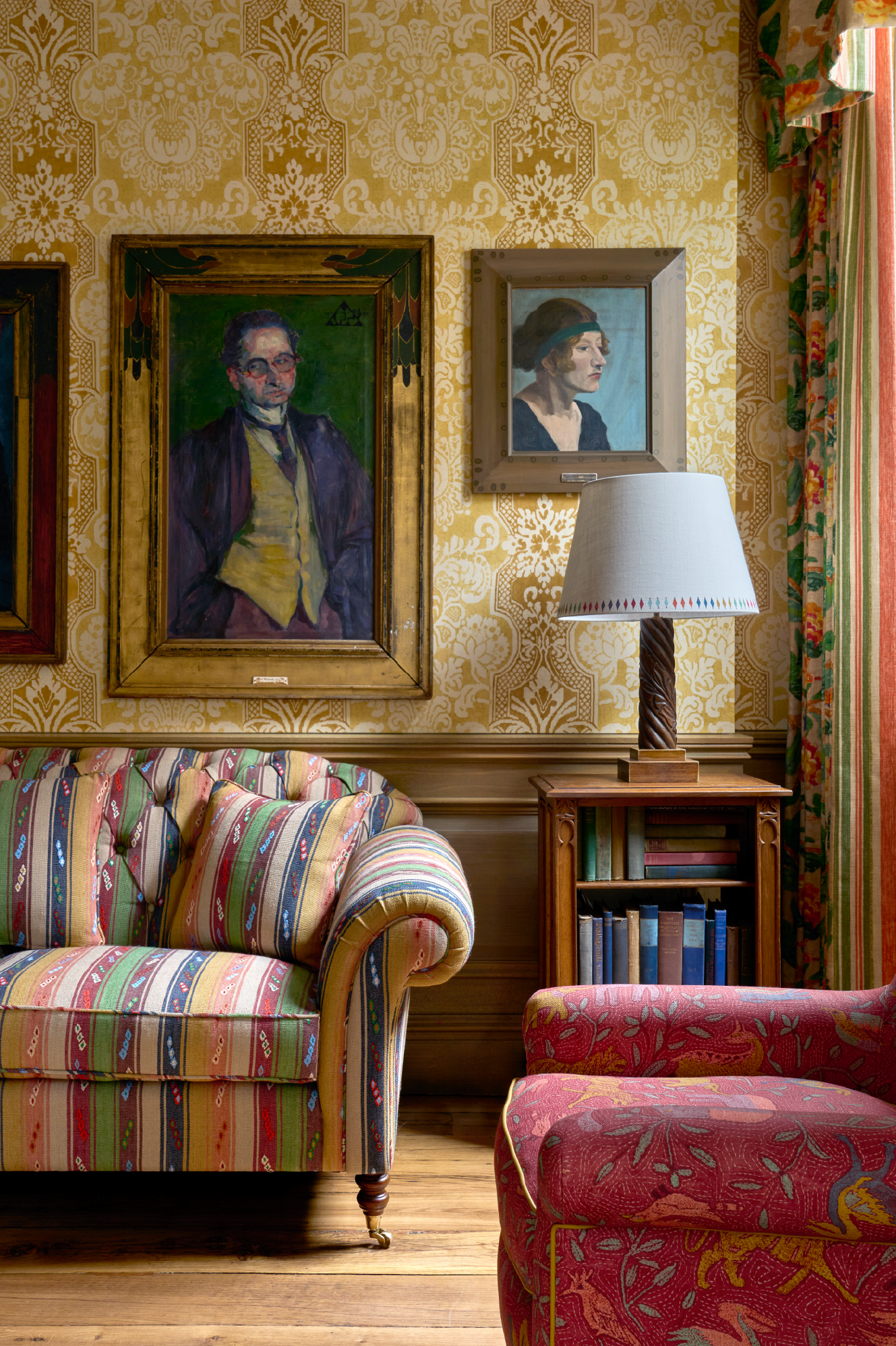
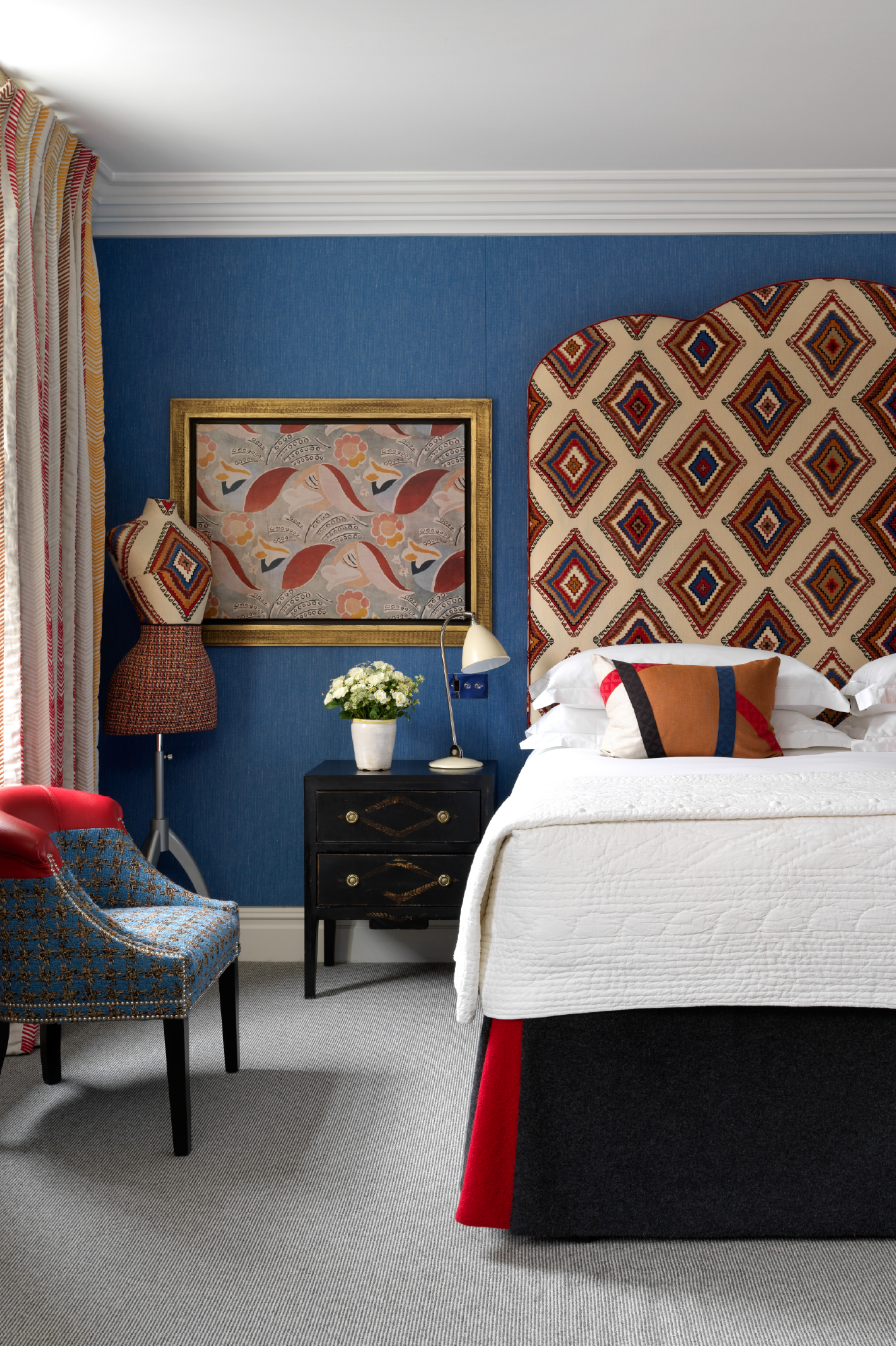
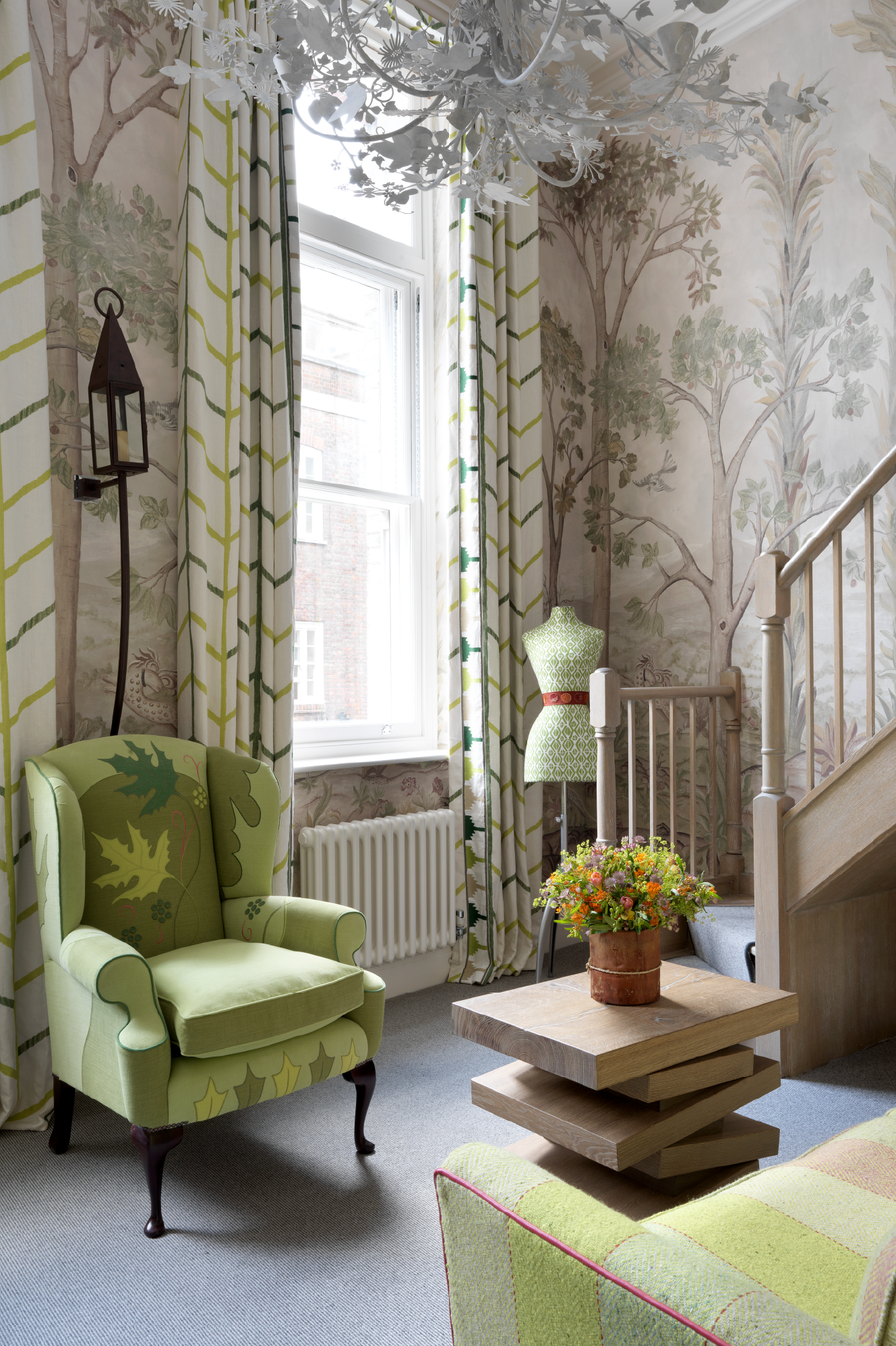
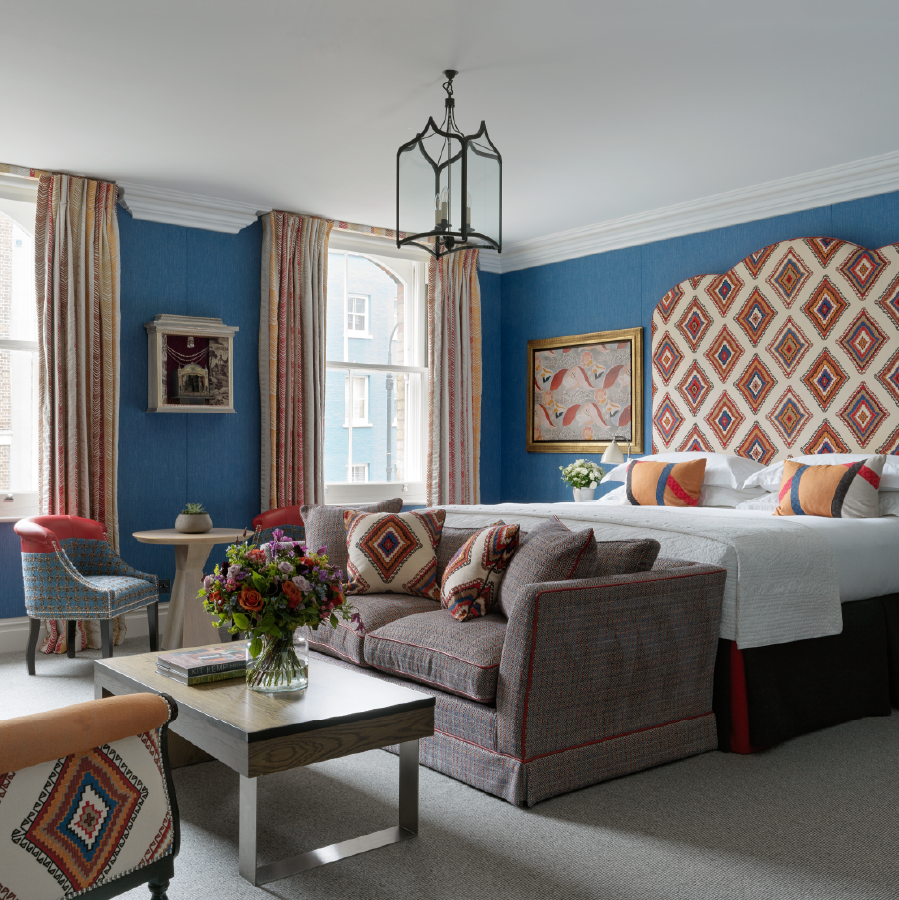
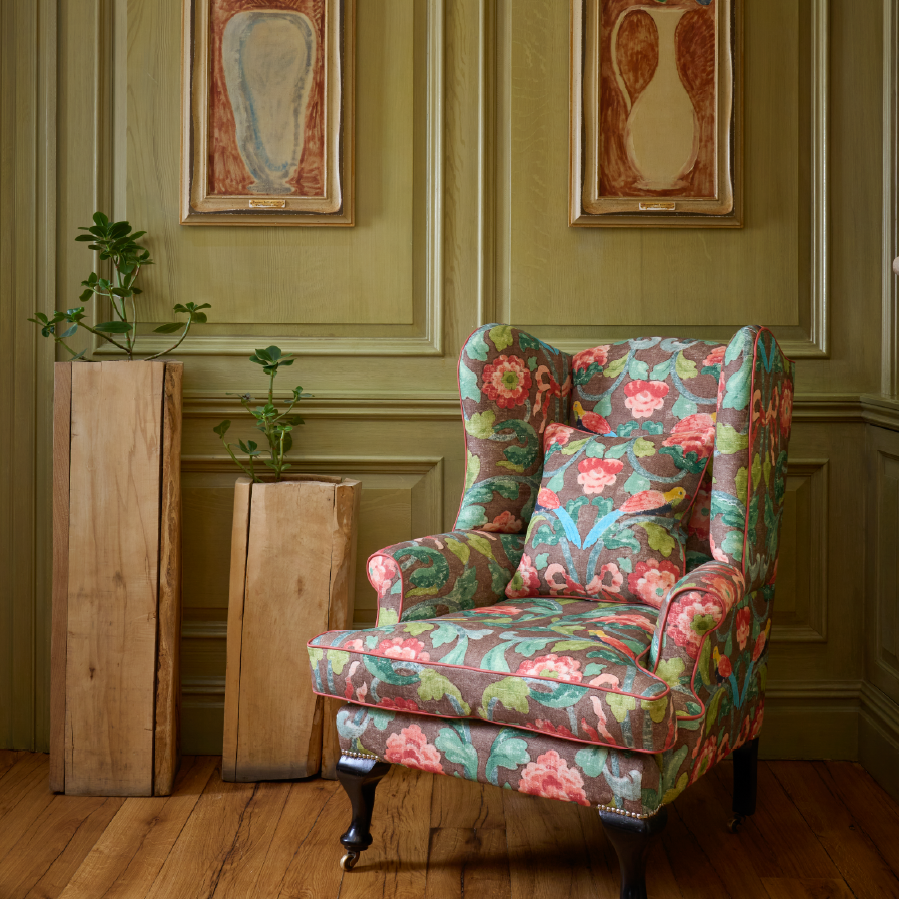
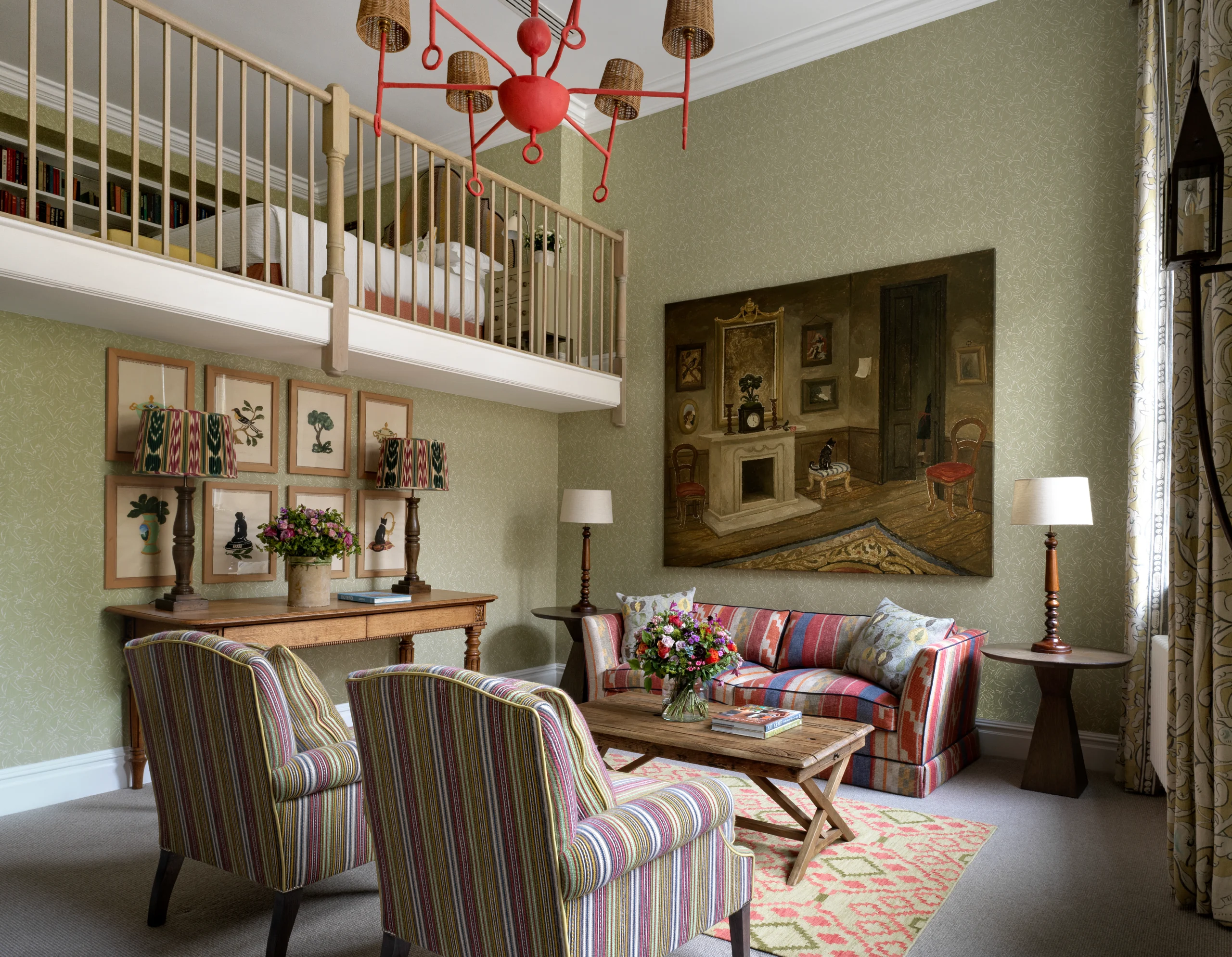
Upstairs, the story turns personal. There are 52 bedrooms and suites, each designed by Kit, many with a literary nod to the writers and painters who lived nearby. Upstairs, the nods are easy to spot once you know where to look. The One Bedroom Virginia Woolf Suite is named for the novelist and has a drawing room of its own. Room 500 has two framed Hogarth Press covers on its walls, a nod to the publishing house the Woolfs founded. In Room 202, a Bloomsbury-style painting hangs above the fireplace. And across the hotel, rooms carry original works by Vanessa Bell, Duncan Grant and Roger Fry.
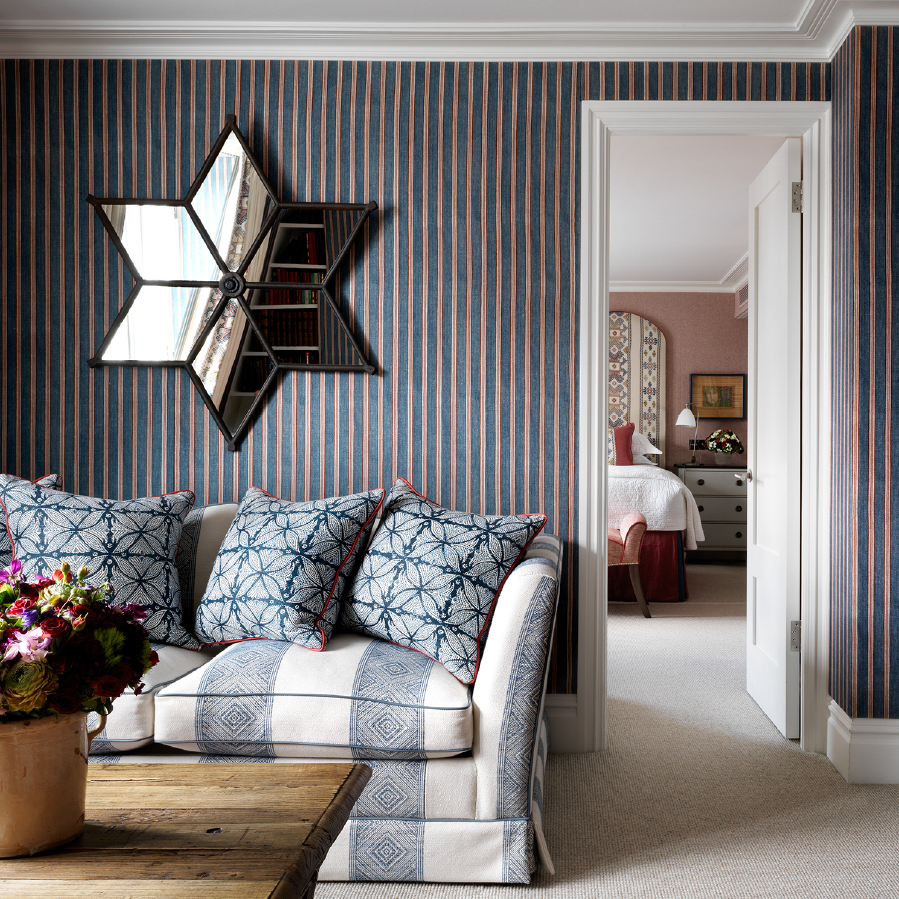
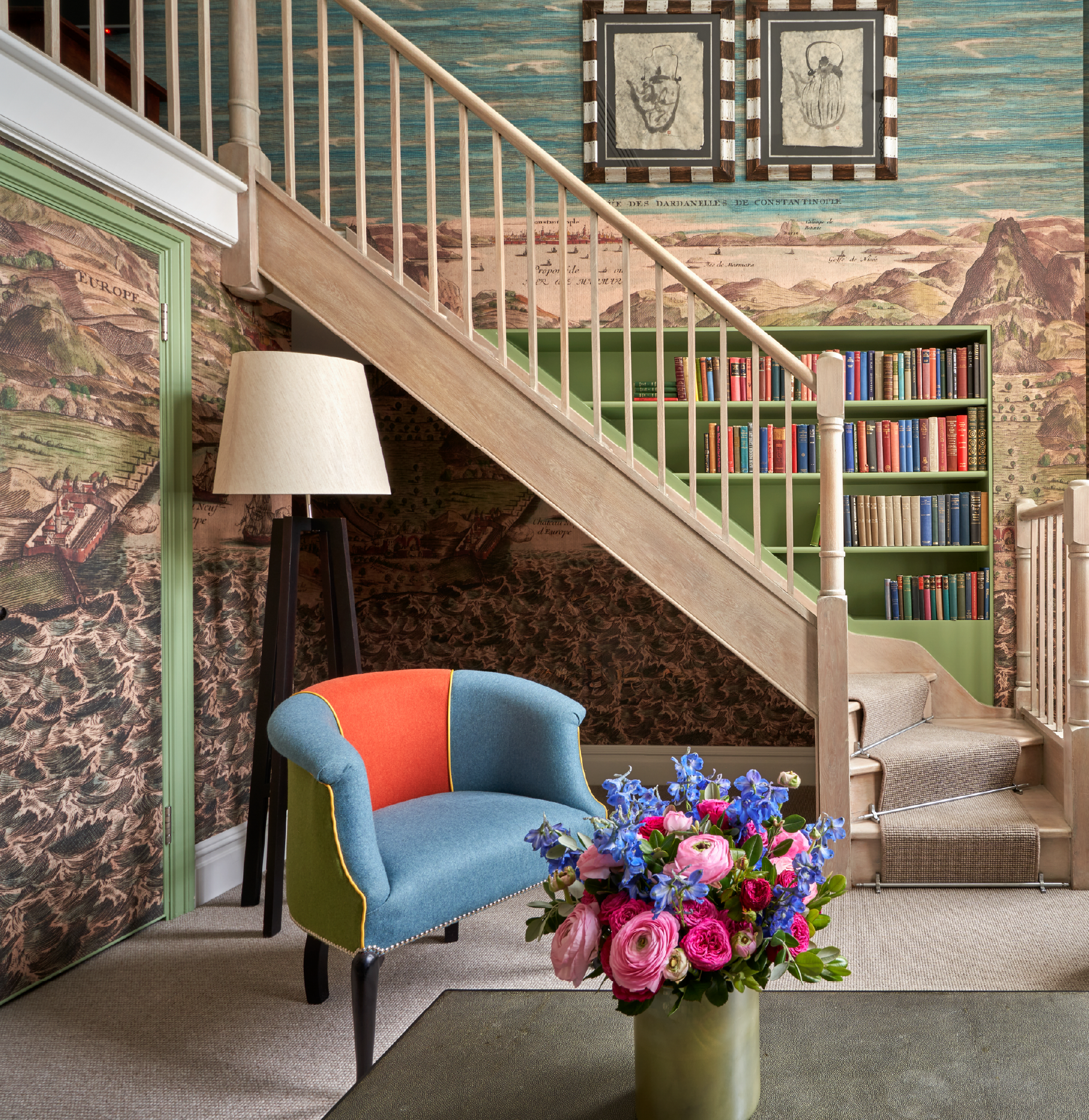
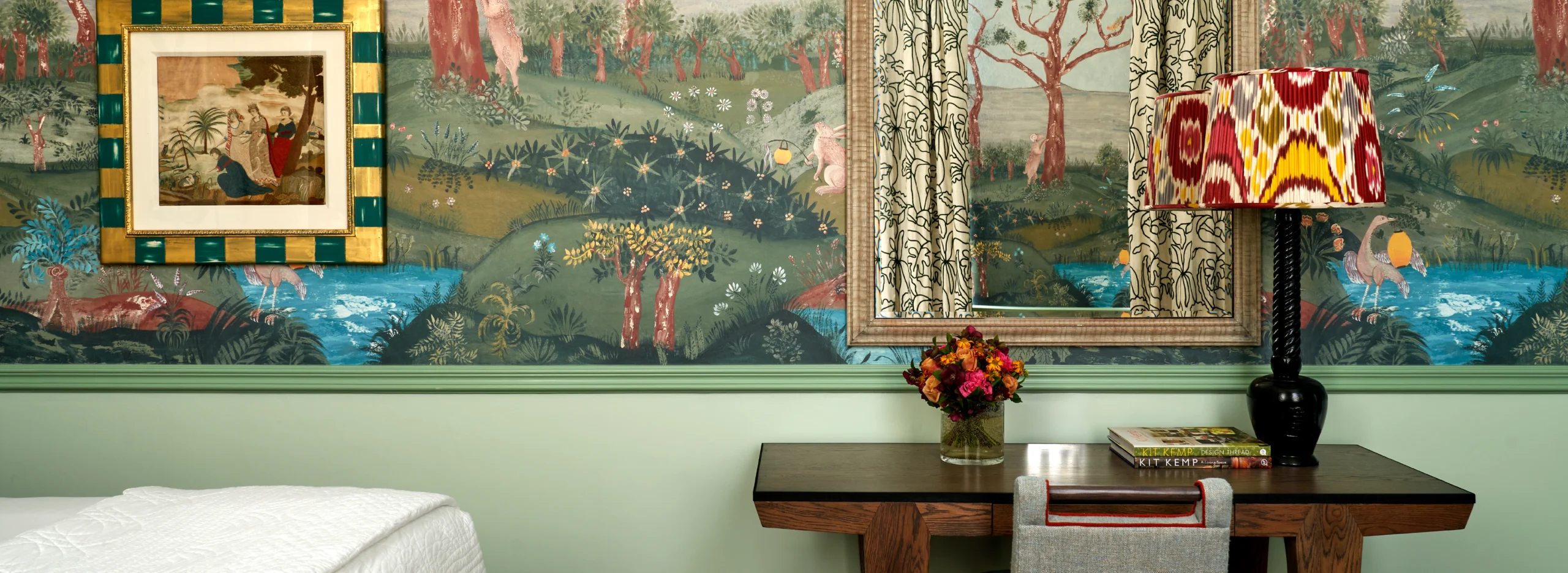
Room 500, a top-floor suite, has a living room, a separate bedroom and a view across Bloomsbury’s streets, with two framed Hogarth Press covers on the wall. Pattern runs everywhere, from crisp stripes to embroidery-style weaves, but the comforts are calm: Frette linen, a well-stocked minibar, in-room dining at any hour and a scented pillow spray at turndown. It is bold without being brash, the kind of room where you’d happily stay in till noon.
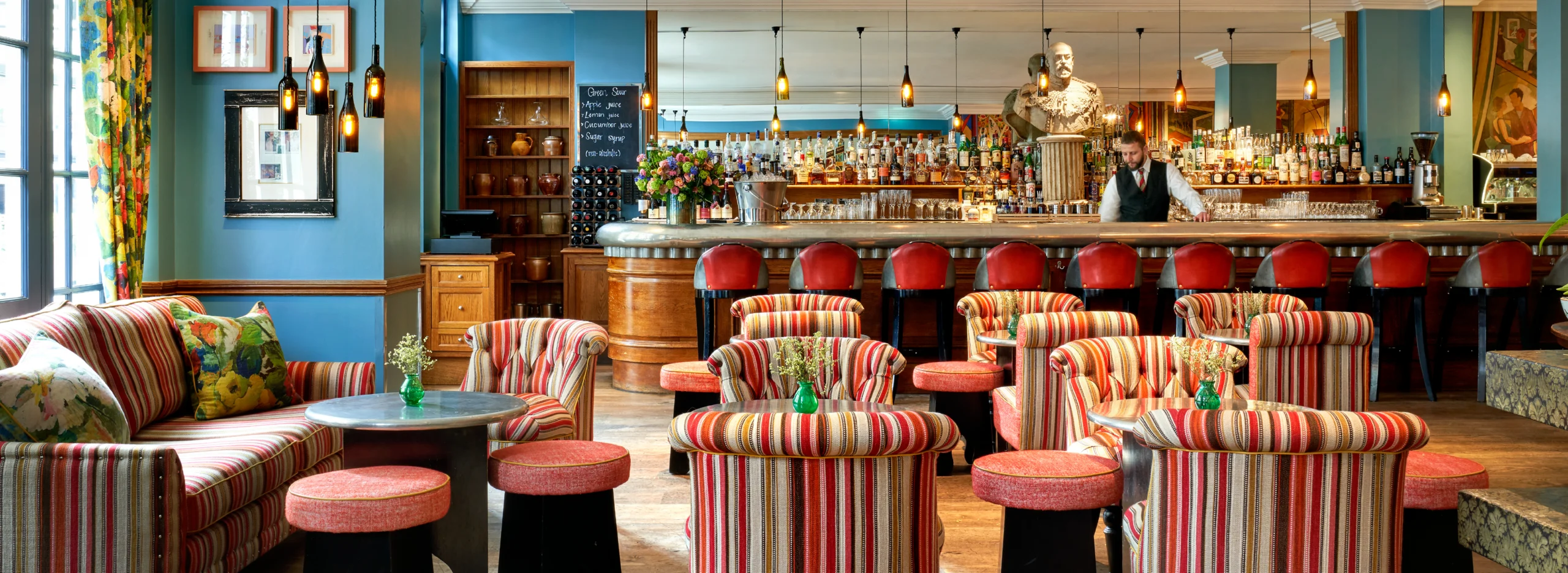
When you do go out, Fitzrovia is right there, all Georgian brick and cobbled corners. Oxford Street is a minute away, Regent’s Park a short stroll, Goodge Street station three minutes on foot. You may well linger on Charlotte Street itself, known for its Michelin-starred restaurants, with the hotel’s own MICHELIN Key (one, for 2026) to match. Come back for the film club in the screening room, or book a spa treatment in your room. By the time the turndown is done and the patterned walls have settled into lamplight, there is no reason to be anywhere else.
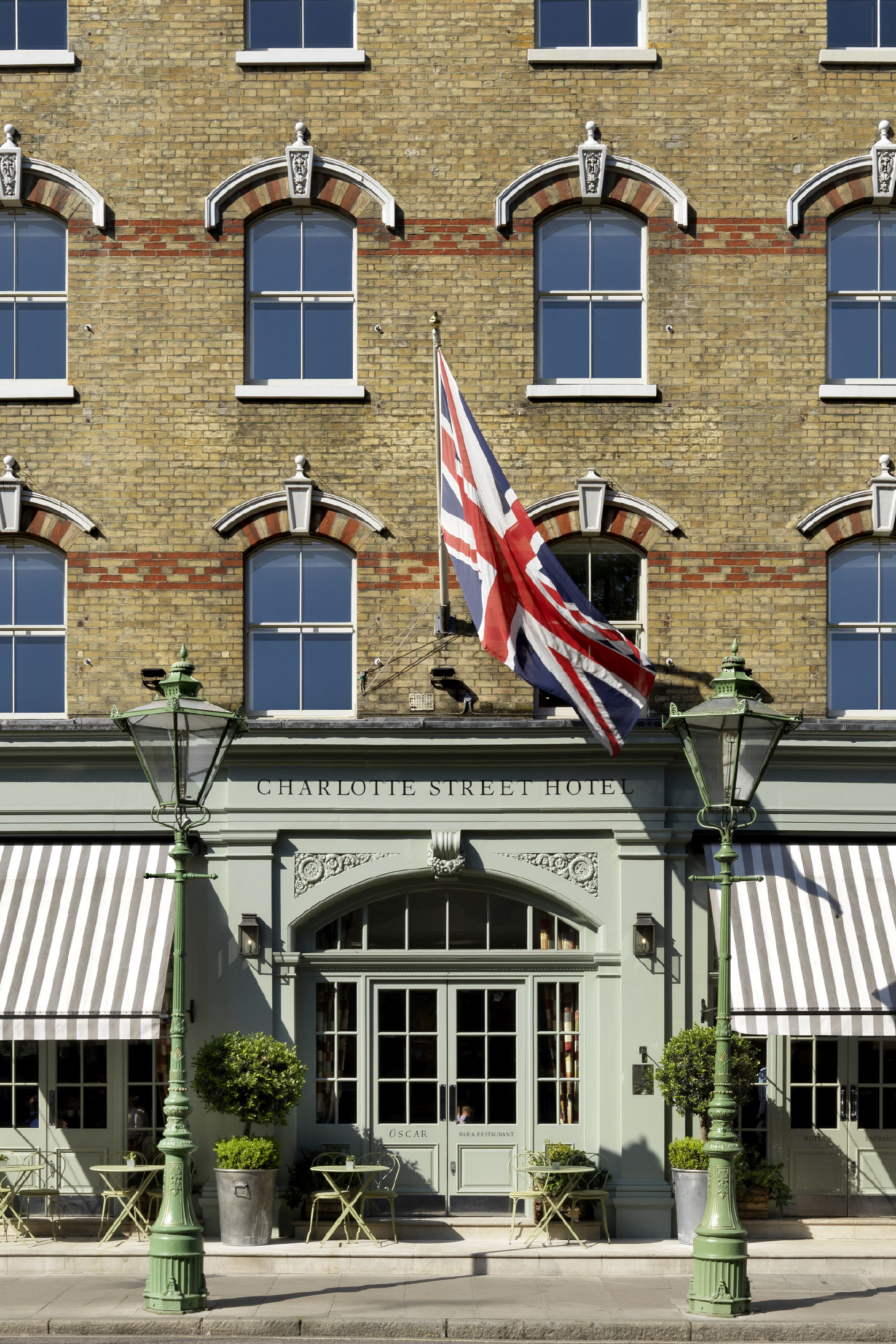
By morning, you understand what Kit has built. Plenty of hotels are beautiful. Few carry an argument about taste so lightly, or give a neighbourhood back a piece of its own history. Kit’s hope, she has said, is that Roger, Vanessa and Duncan would find it fun. Walk out past the awnings and you’ll suspect they would, and that you’ll leave with your own sitting room in your head, already rearranging.