In Japan’s Kyoto, Aman restored a garden first shaped in the early 1900s into an 80 acre resort and spa

Spas 15 Oct 2026 read

In Japan’s Kyoto, Aman restored a garden first shaped in the early 1900s into an 80 acre resort and spa

Opened in 2019 and designed by Kerry Hill Architects, the 24-room resort restored a century-old garden first shaped for an unbuilt textile museum — now home to kaiseki dining, a natural onsen, and the newly opened Tea House Senkutsu

Words by Samara Fernandes Photographs courtesy Aman

Share

At the foot of Hidari Daimonji, in Kyoto's northern hills, a stone path leads in and disappears into the forest. The air cools within a few steps. The city falls away so slowly you never catch the exact moment it happens, and somewhere in that quiet, forested valley, tucked among 80 acres of moss and cedar, is Aman Kyoto. Located close enough to Kinkakuji, Kyoto's golden temple, to reach on foot, in a district where centuries of temples and gardens sit quietly side by side, getting here is easy from either of Japan’s golden tourist triangle of Kansai, Osaka or Kyoto. The road begins in the ordinary bustle of the city, then slowly loosens. Streets narrow, buildings sit lower, and the hills draw closer until Kyoto feels like something left behind a few turns ago. By the last bend, the traffic has faded to nothing, and only birdsong and the rustle of cedar remain.

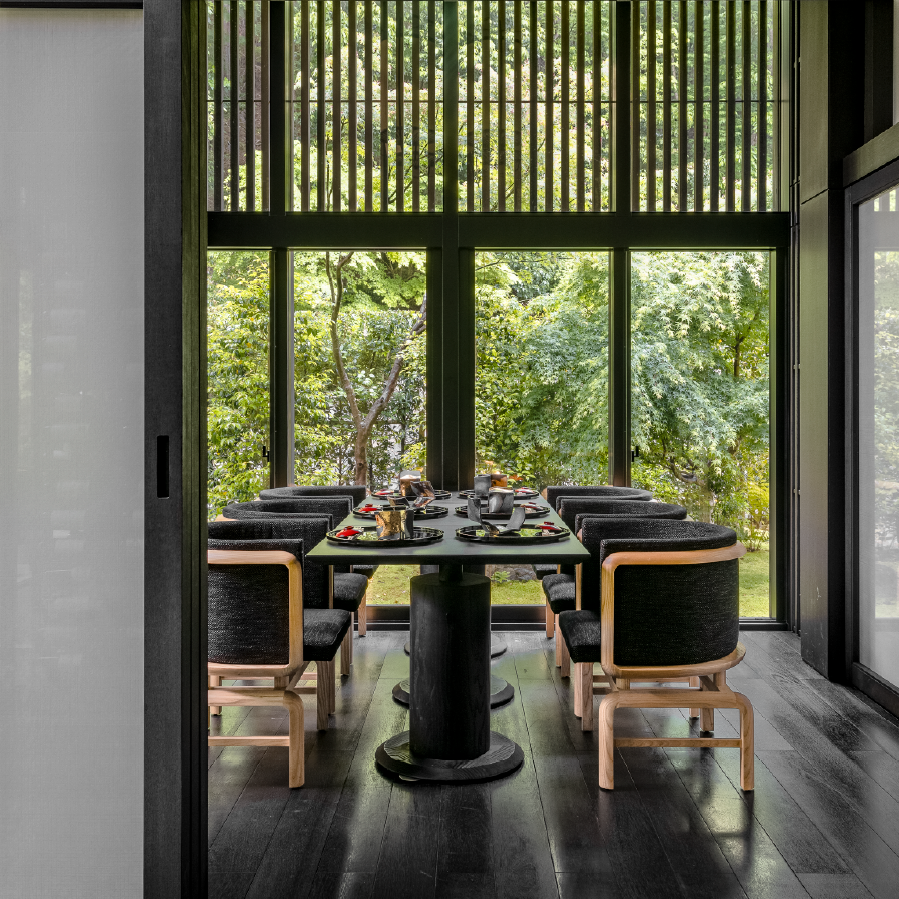
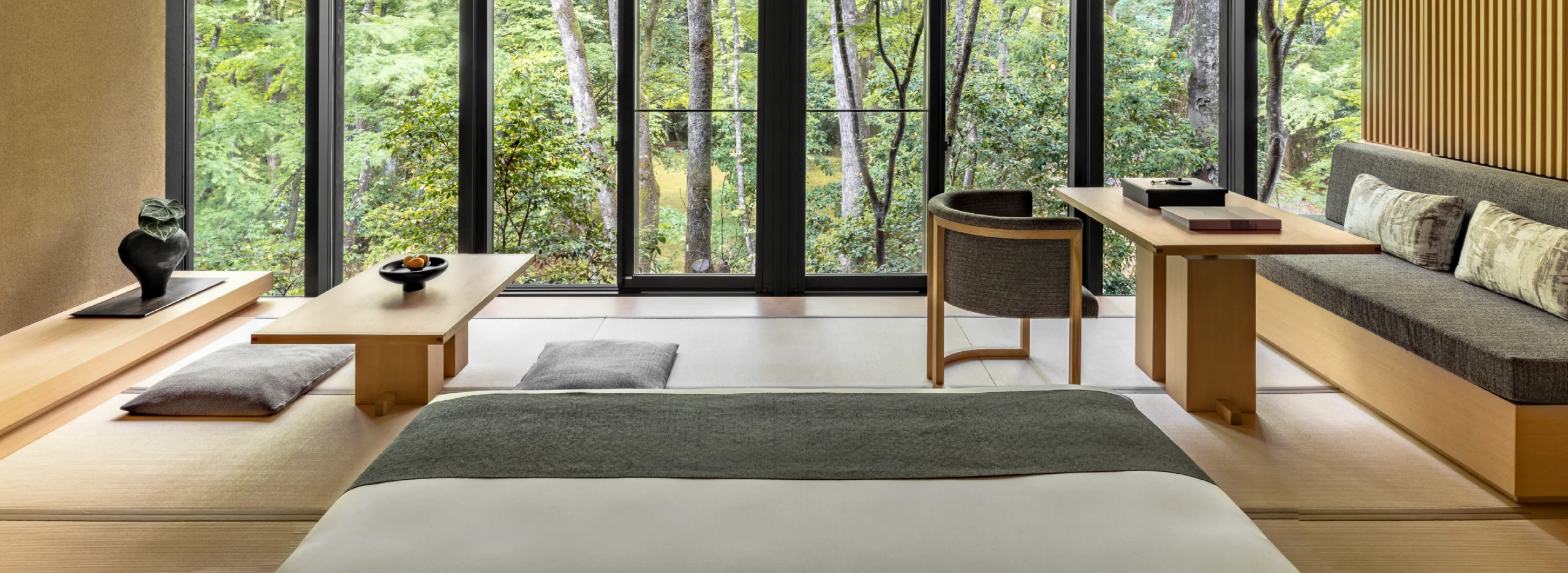
A room with a view Tatami floors and low furnishings keep attention on the woodland beyond

A garden built on someone else's wish
The land carries a history the resort does not announce. Centuries ago, this district belonged to weavers and artisans, the community credited with founding the Rinpa school of painting. That inheritance passed to one man, a kimono and obi manufacturer who spent decades tending this ground as a private devotion. He dreamed of a textile museum, a home for everything he had collected in a lifetime. He laid the stone paths by hand, planted the maples and cedar that still arch overhead, and set granite boulders into the lawn, each one chosen like a piece of sculpture.

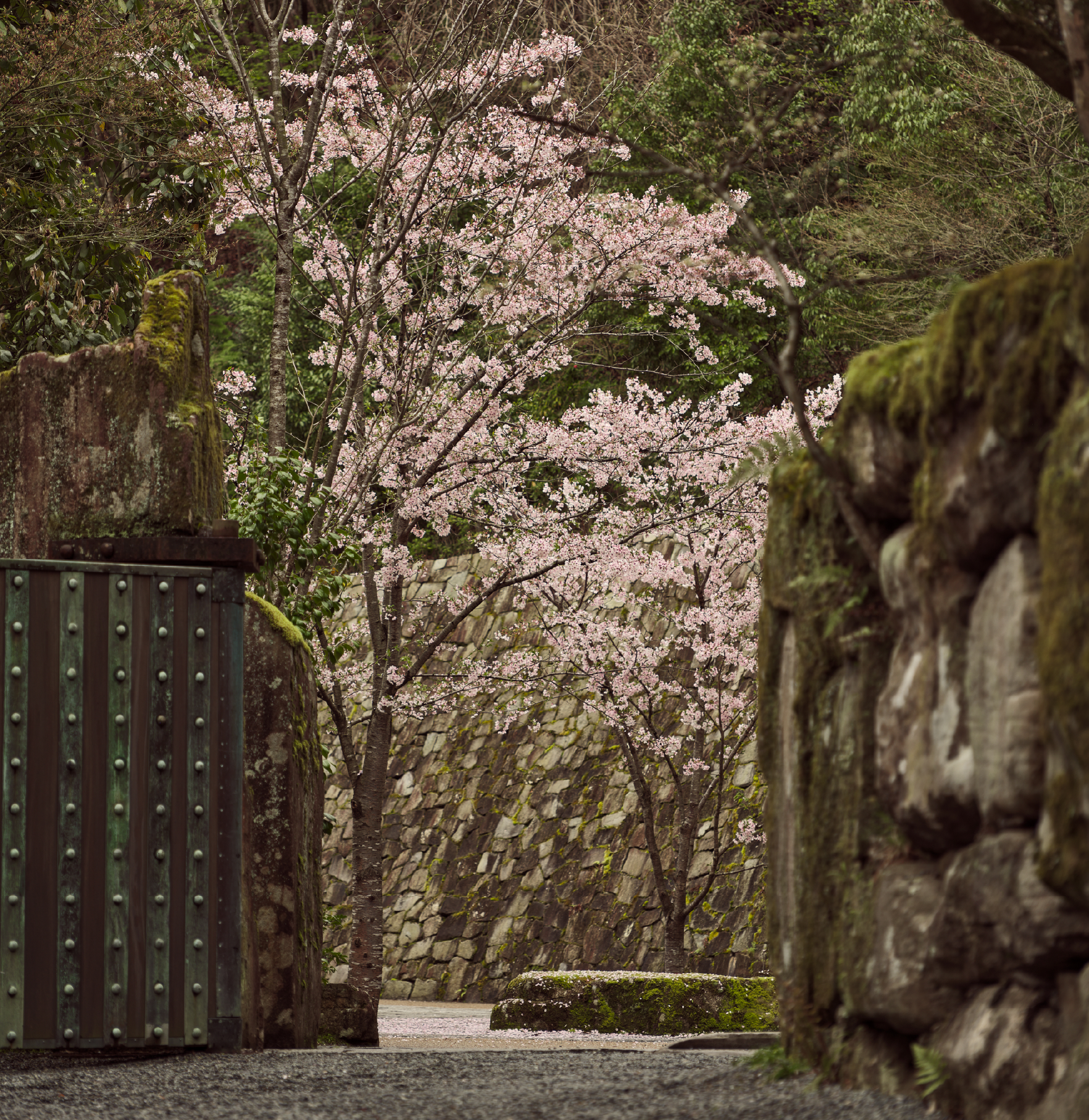
The museum was never built. What remained were platforms, stone foundations holding the outline of a building that never came. It is a quietly poignant detail, and it shapes everything that follows. Aman became the garden's custodian in 2017 and asked landscape architect Professor Shimoda to recover what was already there: the lost landscape of the Edo period, rebuilt with only indigenous plants and without a single machine touching the ground. "My aim was to connect people to nature," he has said, "in the same way gardens were traditionally connected to the spiritual world." The result feels unposed. Camellias carry the winter, cherry blossoms mark the spring, hydrangeas and iris fill the summer, and by autumn the hillside turns maple red. Low among the undergrowth grows wild ginger, one of the garden's rarer plants, easy to miss and worth the pause.

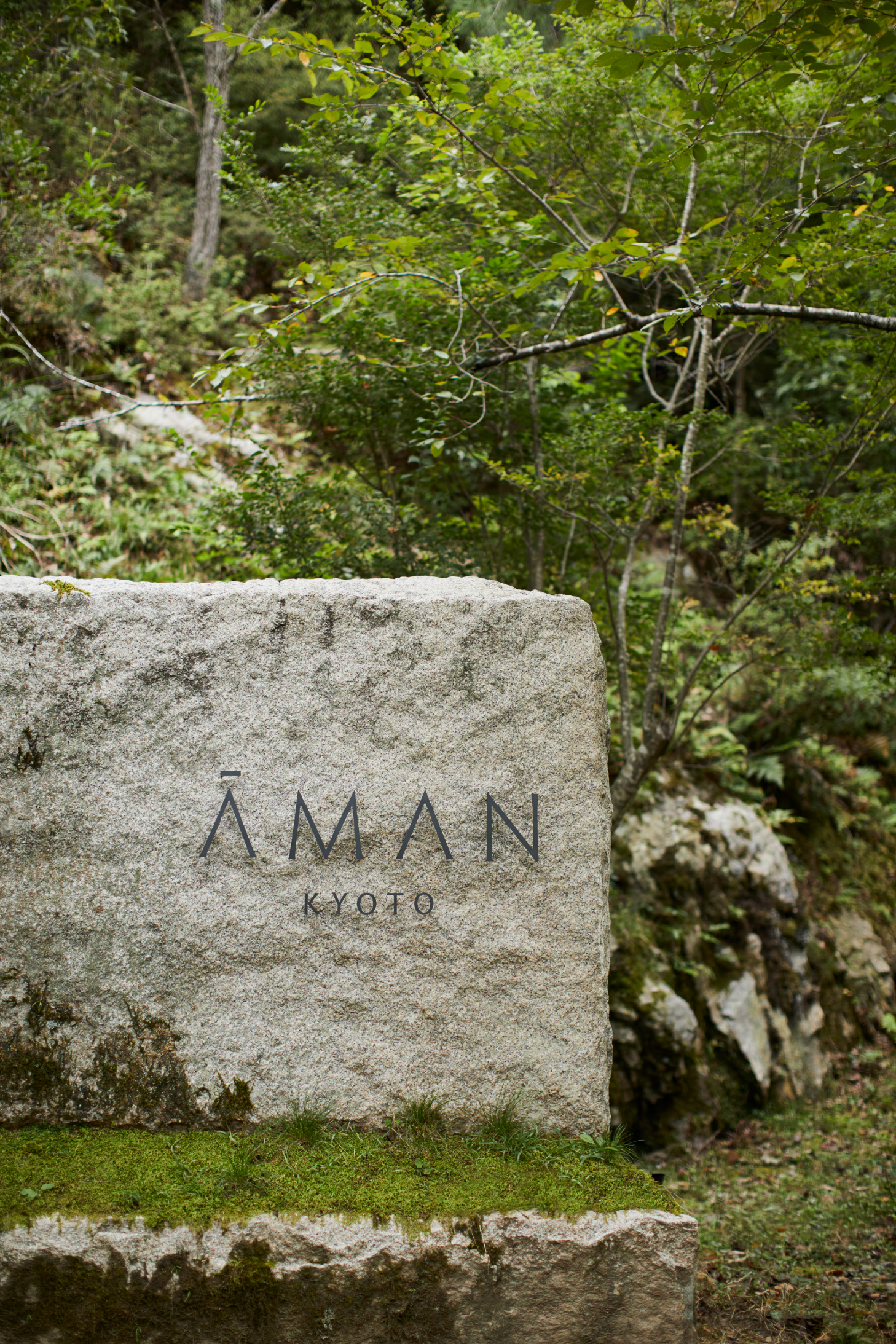
Beyond the city Aman Kyoto sits within 80 acres of restored woodland in the city's northern hills
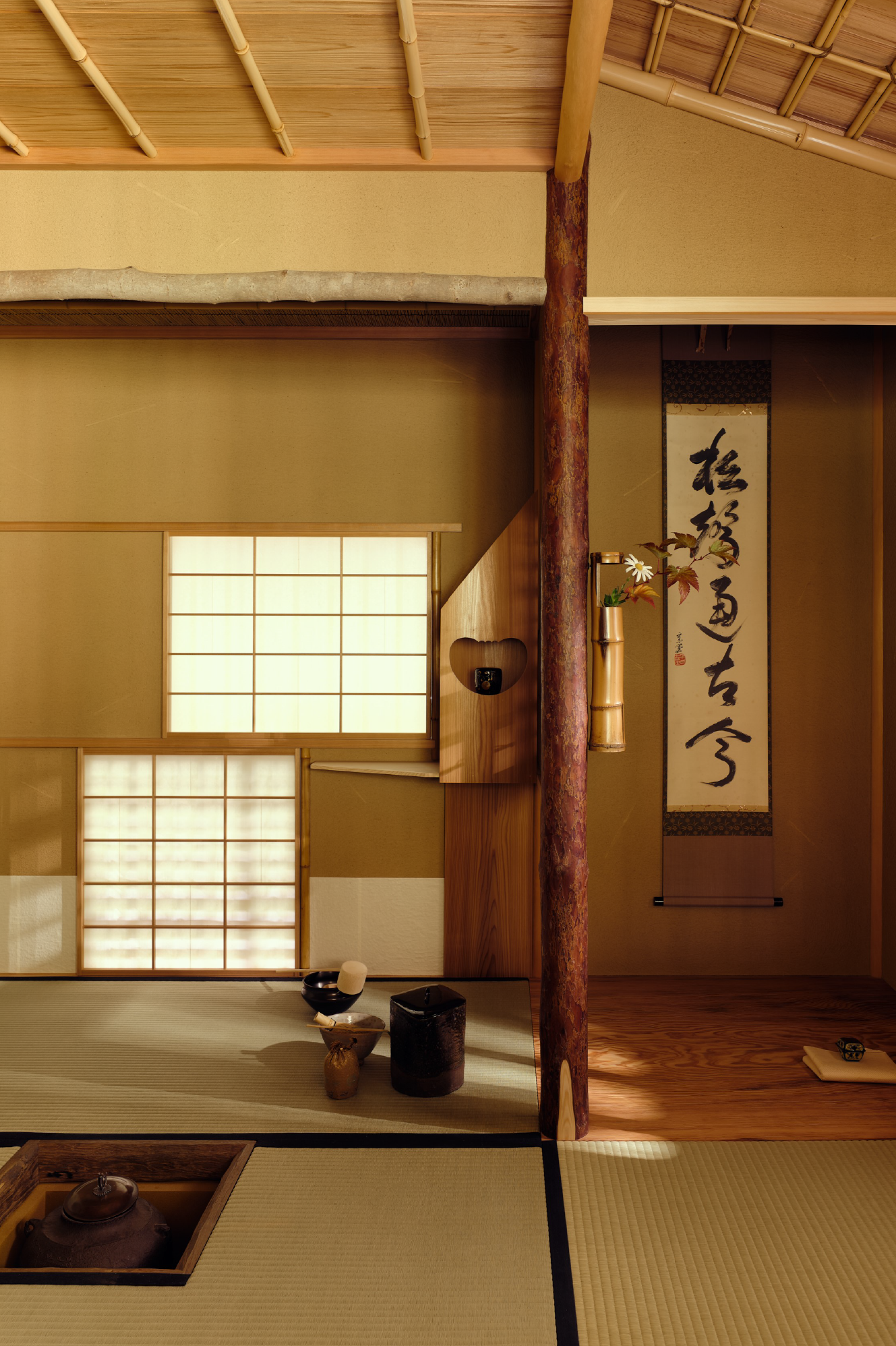
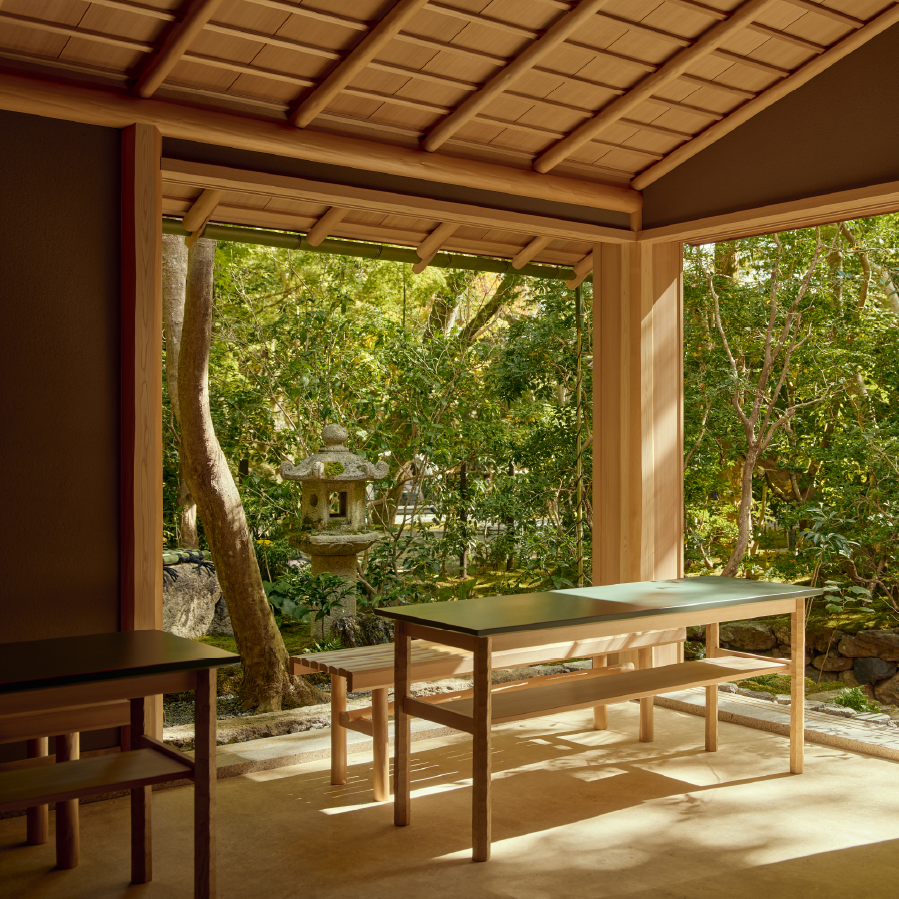
House of tea Tea House Senkutsu extends Kyoto's tea traditions through architecture and ritual
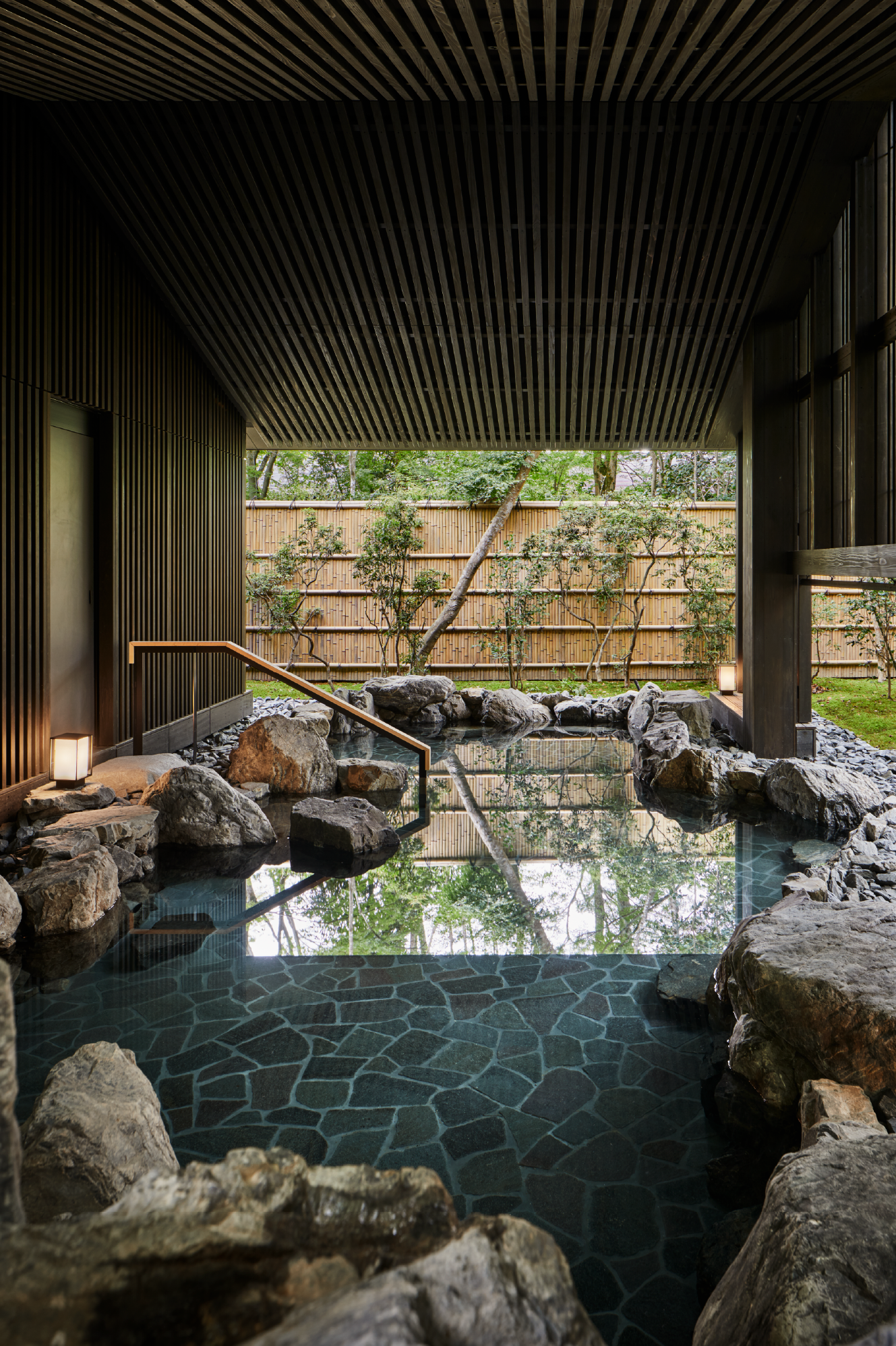
Waters in quiet Natural hot-spring water feeds the resort's serene indoor and outdoor onsen
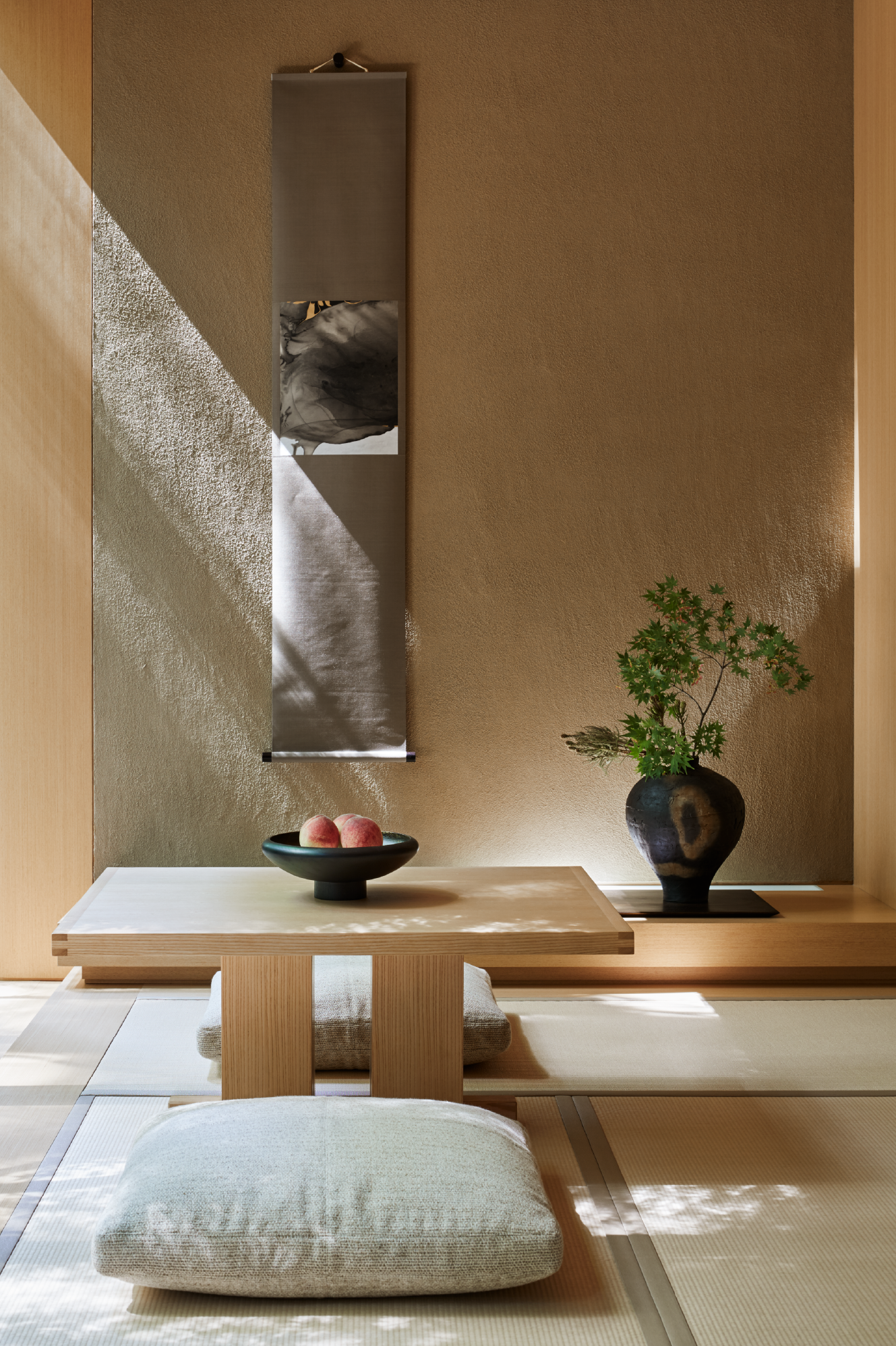
Beauty in restraint A tokonoma alcove and carefully chosen objects embody the principles of Japanese simplicity

A village of quiet pavilions
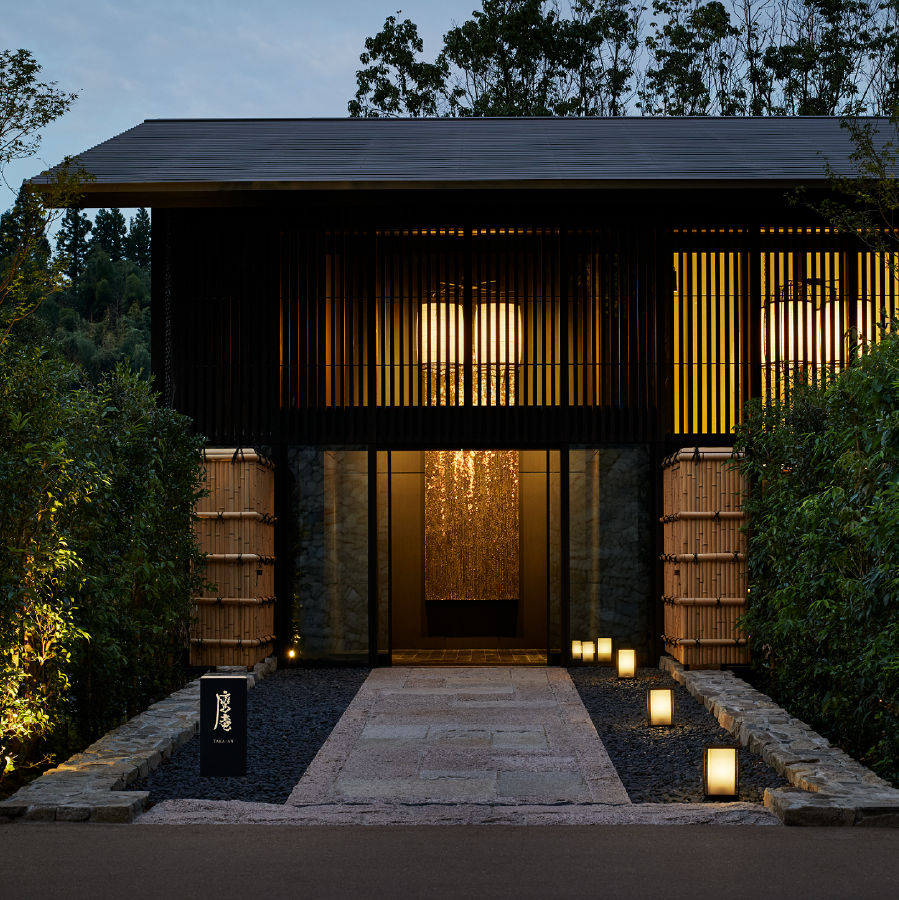
The architecture follows the garden's lead. Kerry Hill Architects, the firm also behind Aman Tokyo, an urban sanctuary in the capital, and Amanemu, Aman's first onsen resort on Ise Shima's Bay of Pearls, chose not to build a single large hotel. Instead the resort is a scattering of small pavilions, for arrival, living, dining, the spa, four for guest rooms and two set apart as private villas, all linked by the same moss-covered stone paths the collector once laid. Low rooflines sit beneath the tree canopy, so the buildings seem to rest inside the forest rather than above it.

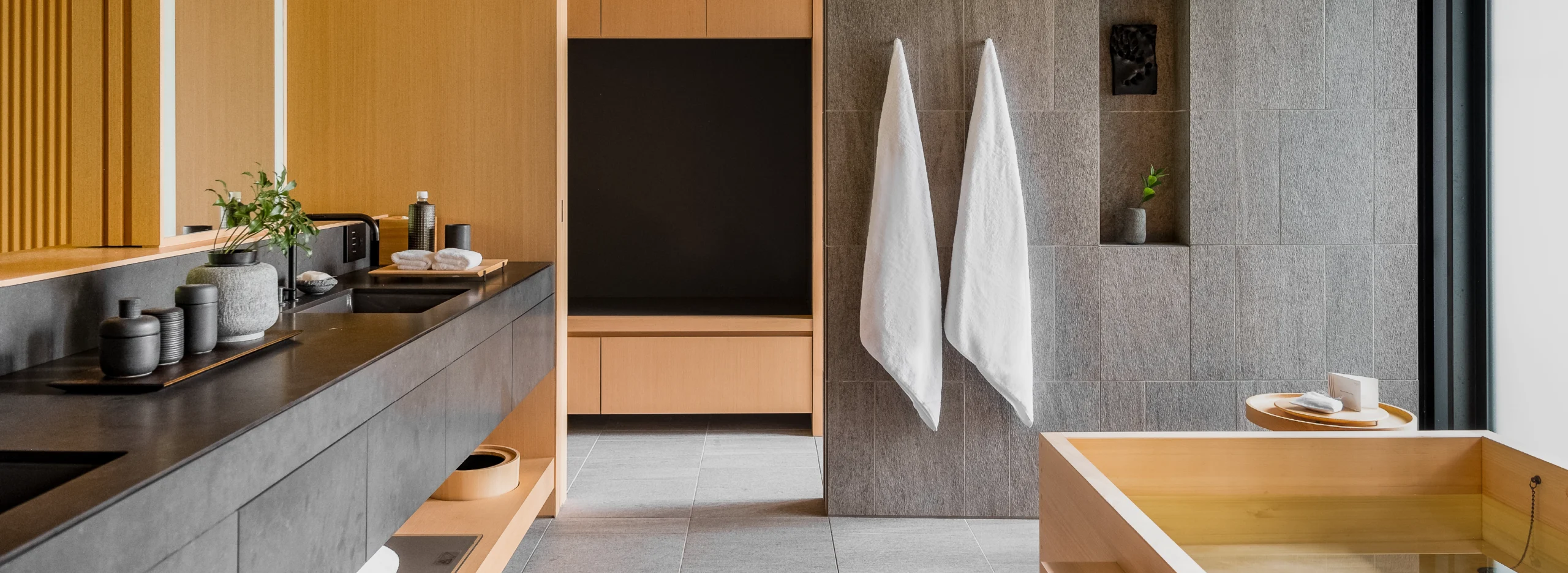
Inside, the mood is one of deliberate calm. There are five types of room, and each is oriented toward a different part of the landscape. The Susuki rooms face east, toward the Kamiya River, with the sound of water close by. The Hotaru rooms sit high on the mountainside, secluded and still. Two larger pavilions open onto views of Mount Hieizan. Everywhere, floor-to-ceiling windows frame the trees, tatami covers the floors, and a tokonoma alcove holds a single vase, scroll or antique, chosen so the eye has one place to rest. The bath is carved from Hinoki cypress, and its scent lingers long after the water has cooled.
The details reward attention. A Tamba Himeji megalith stands at the front gate, and statues gathered from across Japan appear along the paths, each with its own history. In the Living Pavilion, 680 hand-made ceramic tiles by Kyoto artist Shigeo Yoshimura cover the walls, each one fired individually so that no two catch the light in the same way. The lamps take their curve from Kyoto umbrella-making, a craft a thousand years old, reworked in paper and bamboo.

The slow rituals of Kyoto
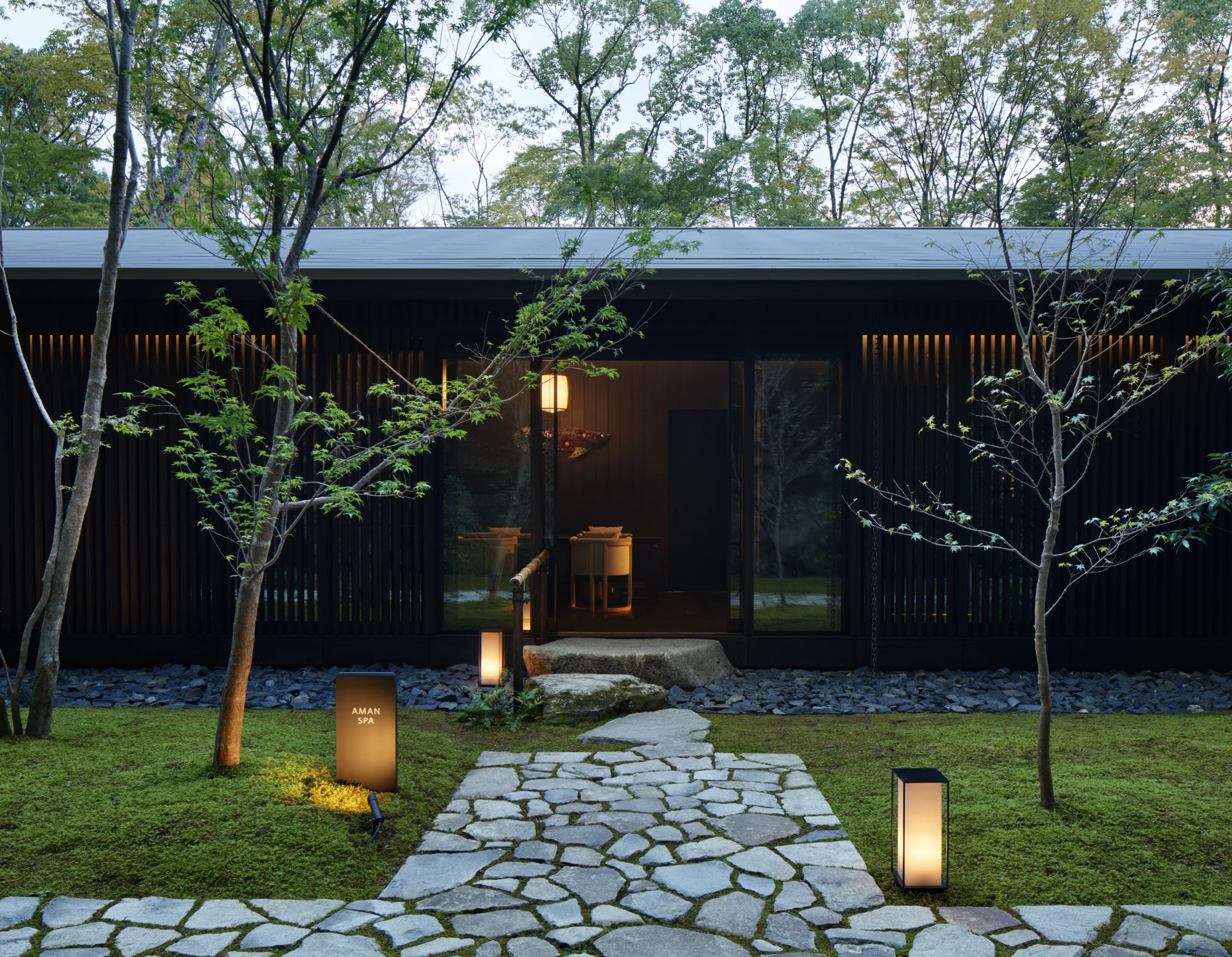
The Aman Spa continues the same quiet logic. Like the guest pavilions, it is built in stained timber and Tamo Japanese ash, with timber screens that let the daylight arrive softly and in pieces. The palette is neutral, leaving the forest outside to supply the colour. Three Kyoto-style treatment suites open off a calm relaxation lounge. At the centre is something rare for this part of Japan: natural hot spring water, feeding onsen pools both indoors and out. Treatments draw on ingredients from the surrounding region, including Kyoto green tea, Tamba kuromame black beans, local sake and cold-pressed camellia oil, with a facial finished in gold leaf as a nod to the temple nearby. In the forest beyond, guided yoga, meditation and shinrin-yoku are joined by morning sessions with Zen monks. Yet the smallest gesture here returns, again and again, to tea. Guests are welcomed with a cup blended for the spa by Yamamasa Koyamaen, a grower established in Uji in 1861, and the air carries the scent of tea roasted over a burner, a note woven into the essential oils as well.
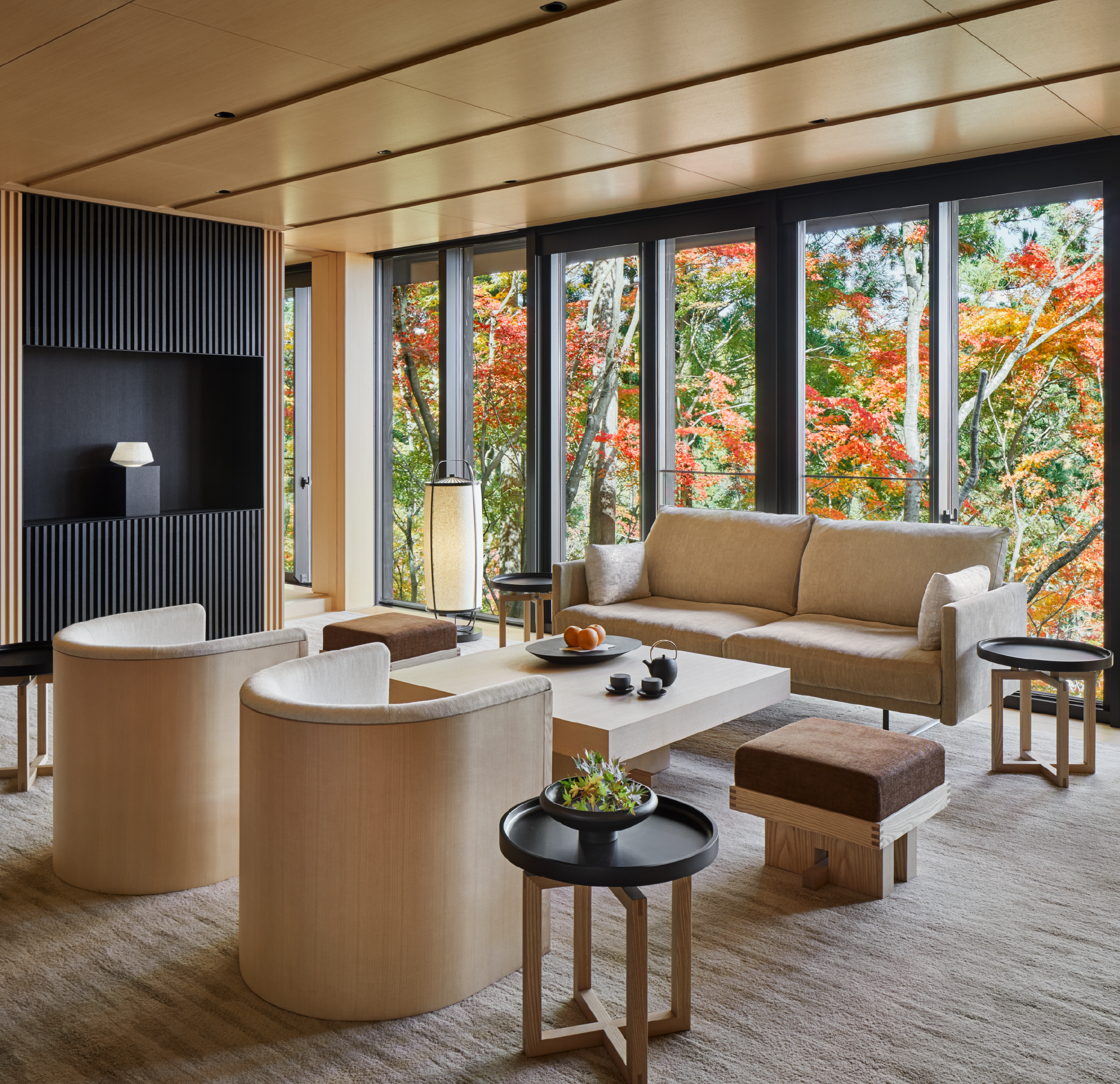
Hidden among cedars Designed as a collection of standalone pavilions, the resort sits lightly within its century-old garden setting

A room built for tea
That thread leads to the most telling space on the property, and the newest. In Japan, tea is never simply a drink. It is a discipline of attention, and a tea house is the room built to hold it. Tea House Senkutsu, opened in November 2025, stands at the end of a mossy path above a still pond, positioned so that the whole garden seems to lead toward it.
It was designed by SEN ART STUDIO, whose tea-room commissions reach back to the 1960s and whose roots lie in the Urasenke school, one of the most influential traditions of Japanese tea ceremony. Nakamura Sotoji Komuten, master carpenters working in this craft since 1931, built it, using cedar and soil from Takagamine itself. Two rooms sit within. The koma is the traditional one. Guests crouch through a low doorway to enter, a small gesture of humility that slows the body before the mind has understood why. Inside are four tatami mats, a quiet alcove, seasonal flowers and the soft sound of a kettle, everything arranged for the formal ceremony of chanoyu. The second room is gentler. Guests sit on chairs, which makes the ritual accessible to newcomers, and it opens onto a preparation space where wagashi sweets are made and calligraphy and ikebana are taught. The name comes from a 16th-generation Urasenke grandmaster: Senkutsu, "a cave of the master of wisdom." It suits a room whose purpose is stillness.

Stepping out afterwards, the garden seems to have changed its pace. The path back is the same moss and stone, but it is walked more slowly now, with the pond behind and the quiet of the tea room still close. It is in this mood that the property finally makes sense. The pavilions stand on the very platforms that were prepared, decades ago, for a museum. Where the collector imagined his life's work on display, there are now tatami rooms and open windows onto the forest. His plan changed, but the land he shaped held its form and waited for a use worthy of it.

At the gate, the forest closes over the path behind. The garden goes on as it always has, and for the first time in a century, it has what it was waiting for.

Seasons in bloom Cherry blossoms mark spring across the restored garden, one of many seasonal changes shaping the landscape year-round
A bath of hinoki Guest suites feature deep Hinoki cypress baths, bringing one of Japan's most cherished materials indoors
Join Our Newsletter

We're making your inbox interesting. Enter your email to get our best reads and exclusive insights from our editors delivered directly to you.


    More Articles

    Sign up for our Newsletter.

    X