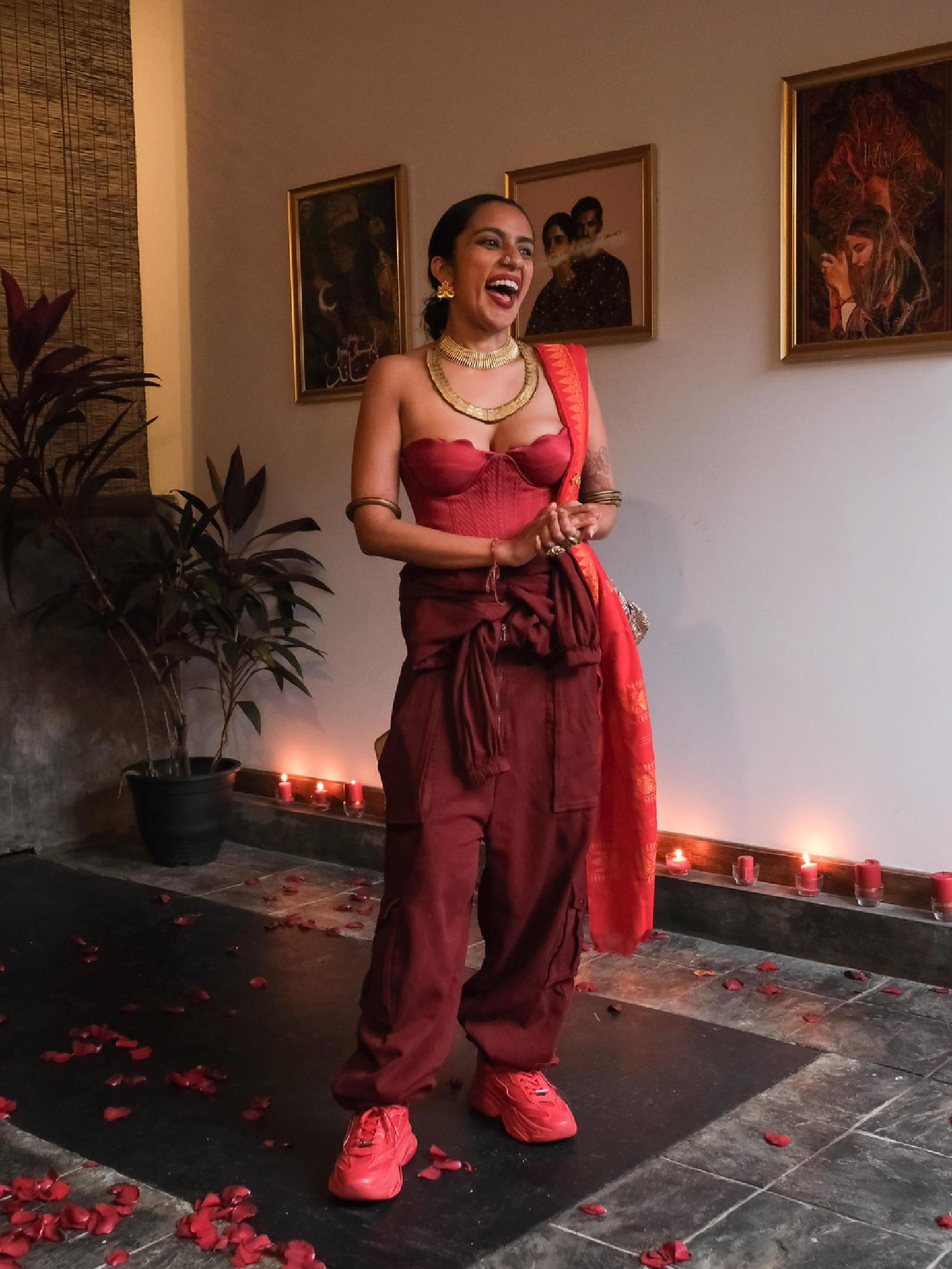
There is a certain kind of magic in being able to imagine a world beyond the one you have been given. For artist Shilo Shiv Suleman, that possibility has always lived in art. It is there in the goddesses and mythical creatures that populate her paintings, the monumental brass sculptures made with traditional lohar communities, and the public murals that give visibility to people and stories often pushed to the margins. Moving between mythology, technology, ritual and social change, her practice is rooted in magical realism and an ongoing exploration of what it means to create, to belong and, perhaps most importantly, to imagine anew.
It is an understanding of beauty that is rooted in her own childhood. When her mother, Nilofer Suleman, found herself raising two children on her own, without financial support, she turned to painting. Shilo, then around 13, began painting alongside her and helping with the art classes she ran. They worked through the nights after her mother’s two jobs, discovering in art not just a means of making a living but a way to rebuild their lives.
“I often say beauty saved me,” Shilo reflects. It became the emotional backbone through which they were able to heal and transform their lives, eventually becoming their financial sustenance, too.
As her childhood gradually found more room for imagination, Shilo began illustrating children’s books at around 16. She remembers this as a particularly magical period, when drawing allowed her to reclaim some of the childhood she had lost. Her illustrations brought imagined worlds to life, with river goddesses emerging from their waters and books growing wings. It was an early expression of an impulse that continues to run through her practice: using imagination to create possibilities beyond the circumstances one is given.
An inheritance of stories, rituals and symbols
Growing up between traditions of Hinduism and Islam both, gave Shilo an expansive visual and spiritual vocabulary. There were stories of the Islamic prophet Muhammad’s daughter, revered for her piety and generosity, Fatima’s hand of protection and the mythical Buraq, an equine like creature that served as the mount for the prophet during his Isra and Mi’raj journeys, alongside the goddesses and feminine energy of Hindu mythology. She is particularly drawn to the nine forms of Durga and the imagery of goddesses with many hands and winged creatures that carry people into the sky. This coexistence of different traditions also shaped the way she understood the feminine. Shilo recalls the stories of resplendent goddesses and their ethereal energy as something that existed beyond religious spaces. Her influences also extend to the women mystics and poet-saints of India, such as Akka Mahadevi, who renounced clothing and wandered through forests singing mystic poetry, and Andal, whose devotional compositions form part of this wider poetic tradition. She is drawn to these women for the ways they questioned religious authority, patriarchy and the institution of marriage, often expressing their convictions through song. Their lives and words, she says, form a powerful inheritance that continues to inform her own practice. She continues to feel drawn to these cosmologies, as these figures are not simply mythological references but sources of guidance and empowerment.
Poetry, prayer and everyday rituals all became part of the same world, where, as she describes it, the divine and the mundane could exist together. As Shilo puts it, “I don’t see magical realism as separate from reality. It’s just recognising the wonder and the magic in what inherently already is.”
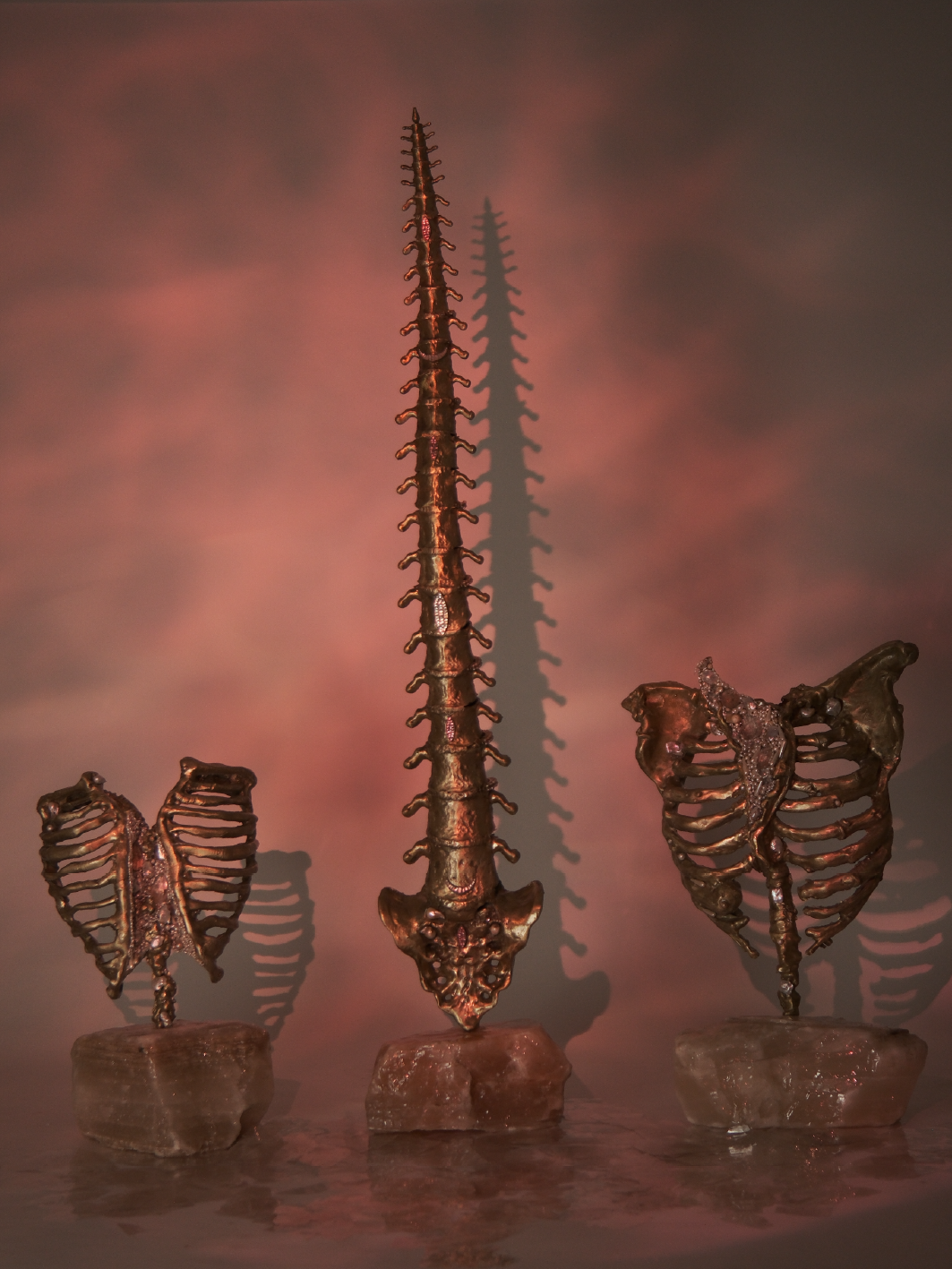
Her ancestry offered another connection to the work she would eventually make. Her Rajasthani roots can be traced to a lineage of lohars or blacksmiths while her father’s family traces back to Hindu ooralars (temple keepers) in Kannur, Kerala. Today, she works with large brass sculptures made in collaboration with the same lohar communities in Rajasthan, drawing on the craft traditions of her ancestors. Her father’s lineage, meanwhile, has shaped her relationship with ritual and performance, particularly the traditions of Kannur in which practitioners embody deities. Having grown up around these practices, she sees them as an integral part of her artistic language. “It was in my blood and I didn’t even know it,” she says, reflecting on the ancestral traditions that continue to influence her practice.
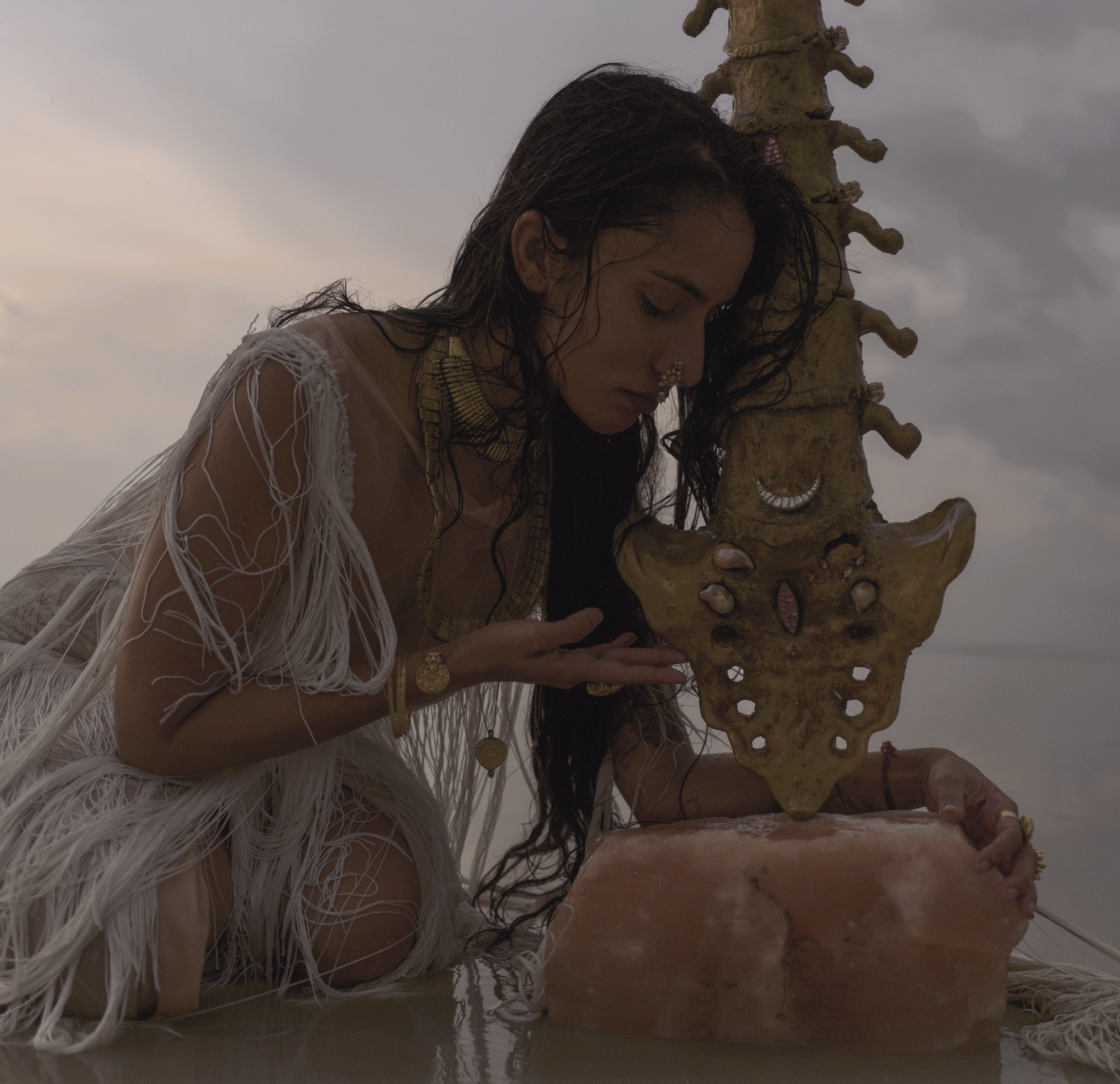
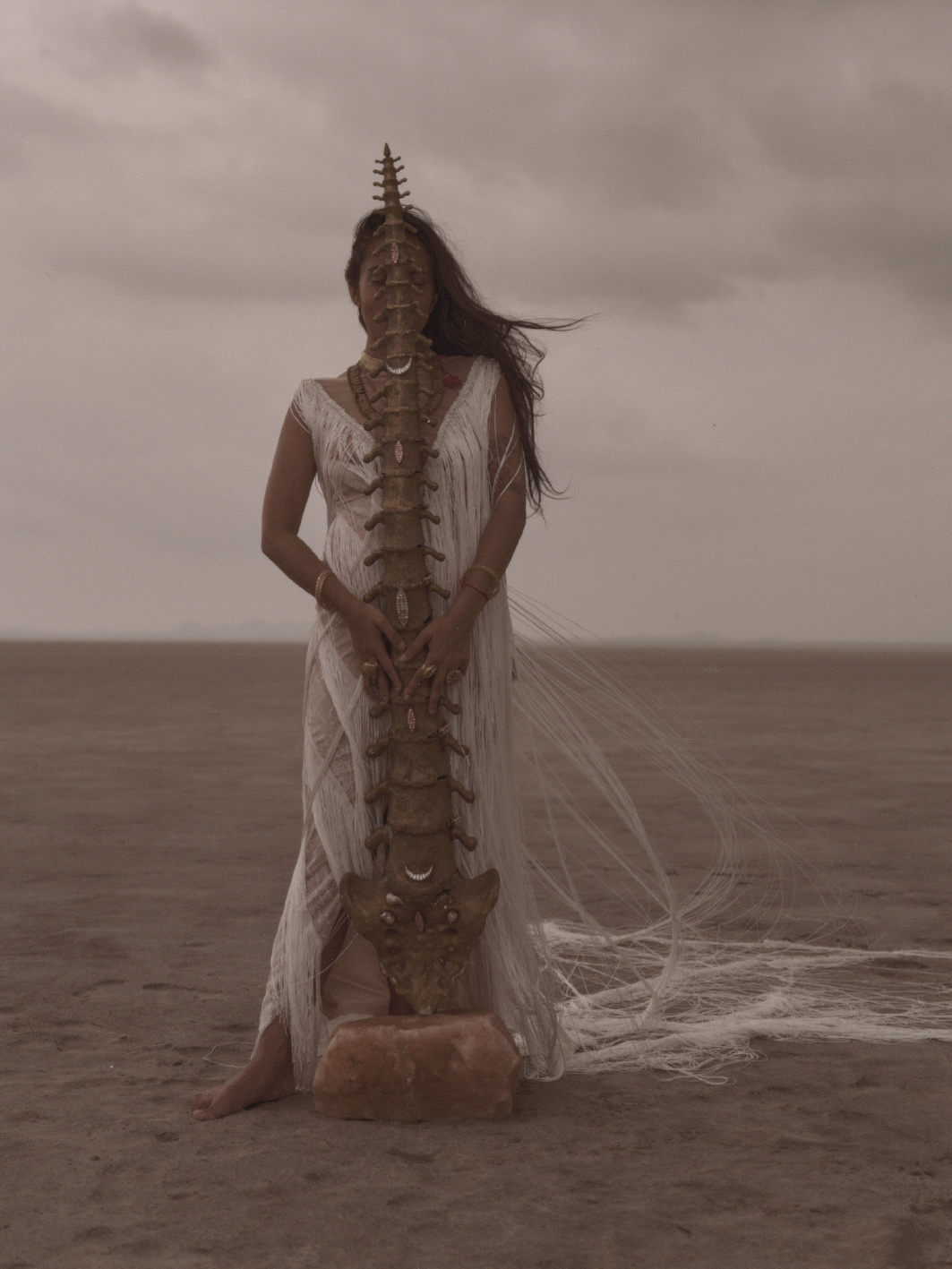
Her recent series, Attunement, for instance, explores the relationship between art, nature and the creative process. Shilo describes it as an exercise in listening and responding to what unfolds around her. A painting intended for a show kept running into delays, while a shoot at Sambhar Lake was transformed by an unexpected spell of rain. These experiences reinforced her belief that an artwork does not always belong entirely to the artist; sometimes, it feels as though the surrounding world is part of its making.
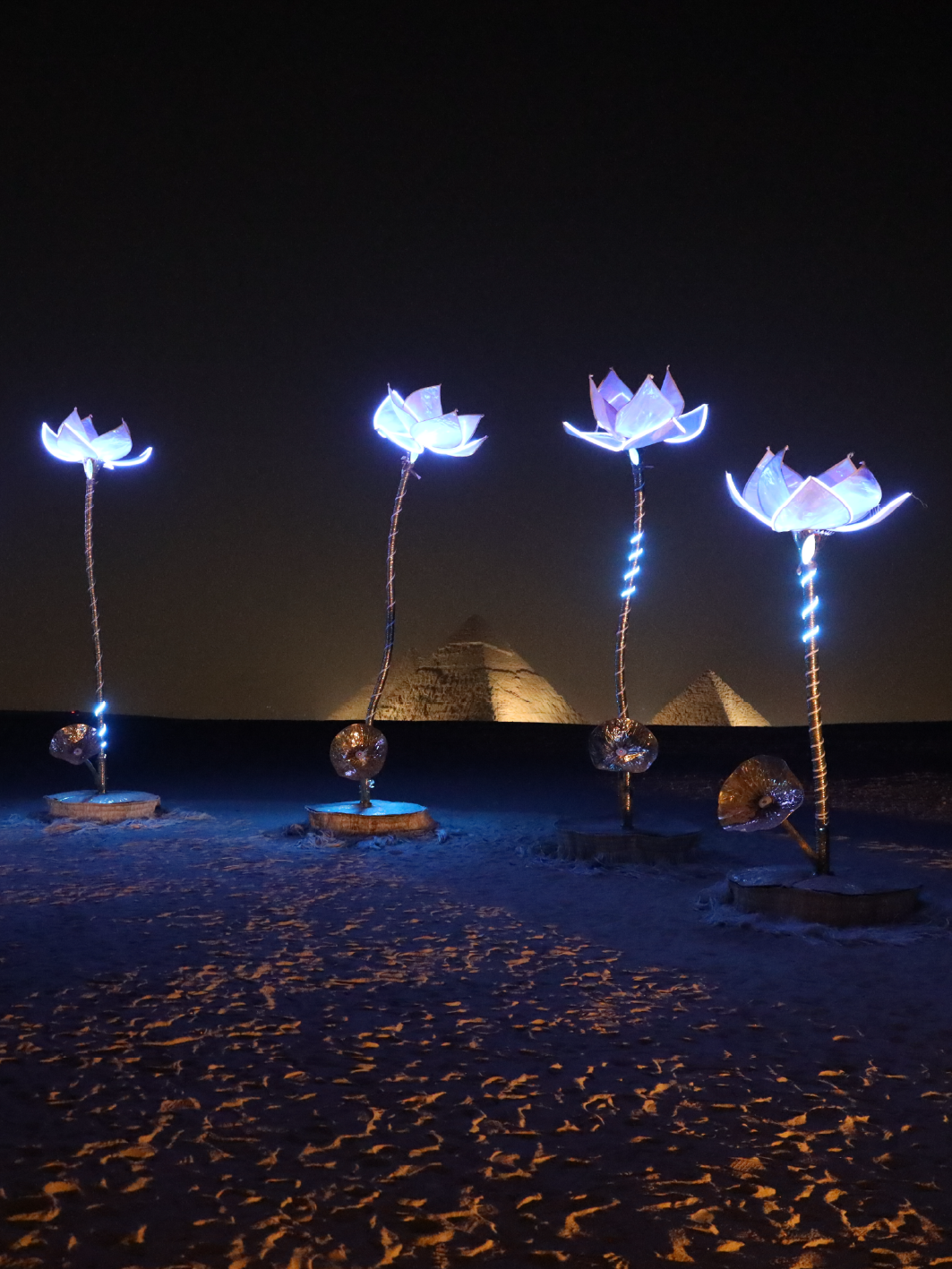
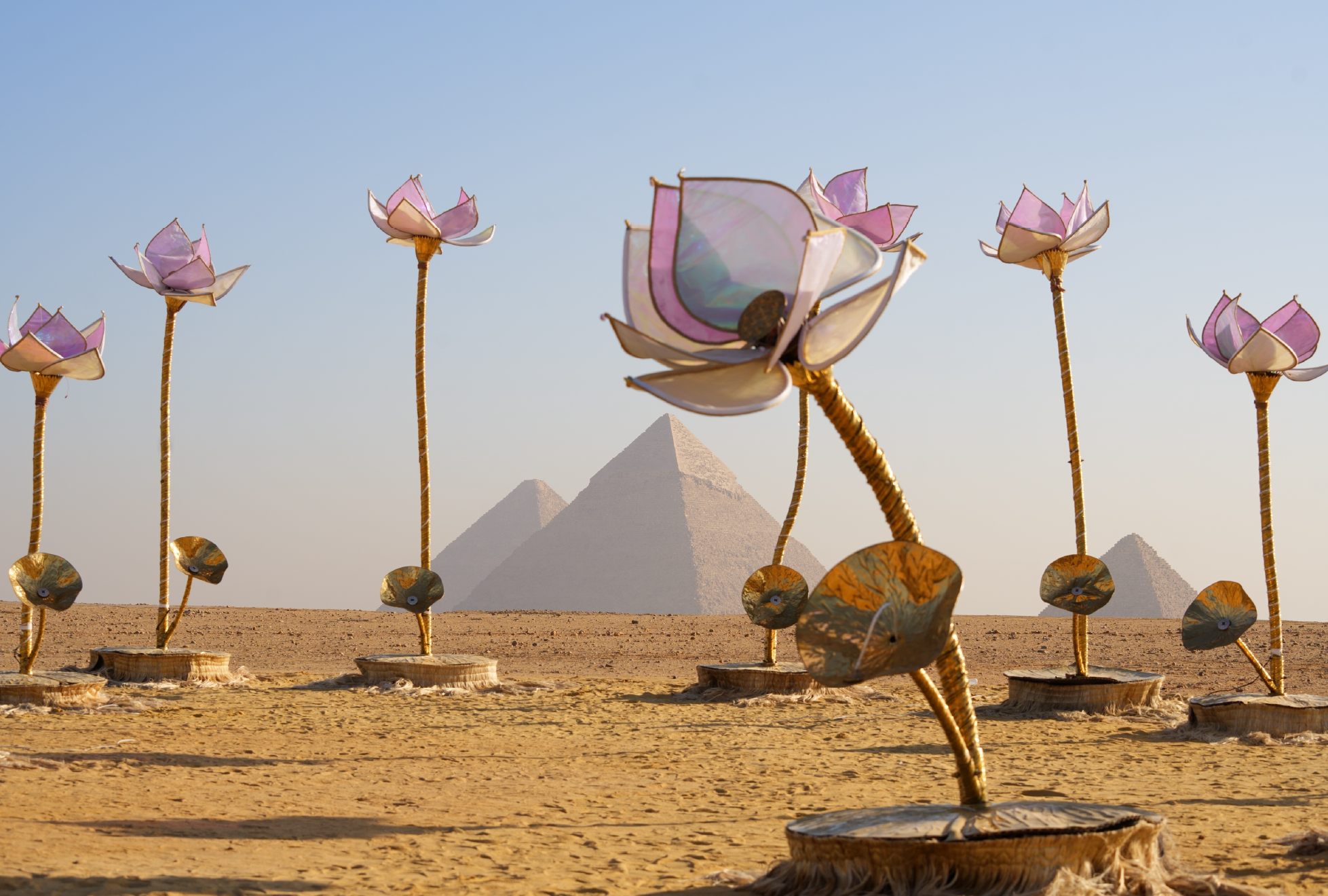
Technology, too, has become a way of exploring this connection. Her installations Pulse, Bloom and Grove grew out of an interest in biosynchronicity. Developed with a neuroscientist, the works explored how our bodies respond to one another and how we experience connection. One installation featured around 20 giant lotuses at Burning Man, while the series later travelled to the pyramids of Giza. Beyond their scale and technology, these pieces were rooted in a simpler idea: bringing the wonder of ancestral stories into the physical world.
If walls could talk
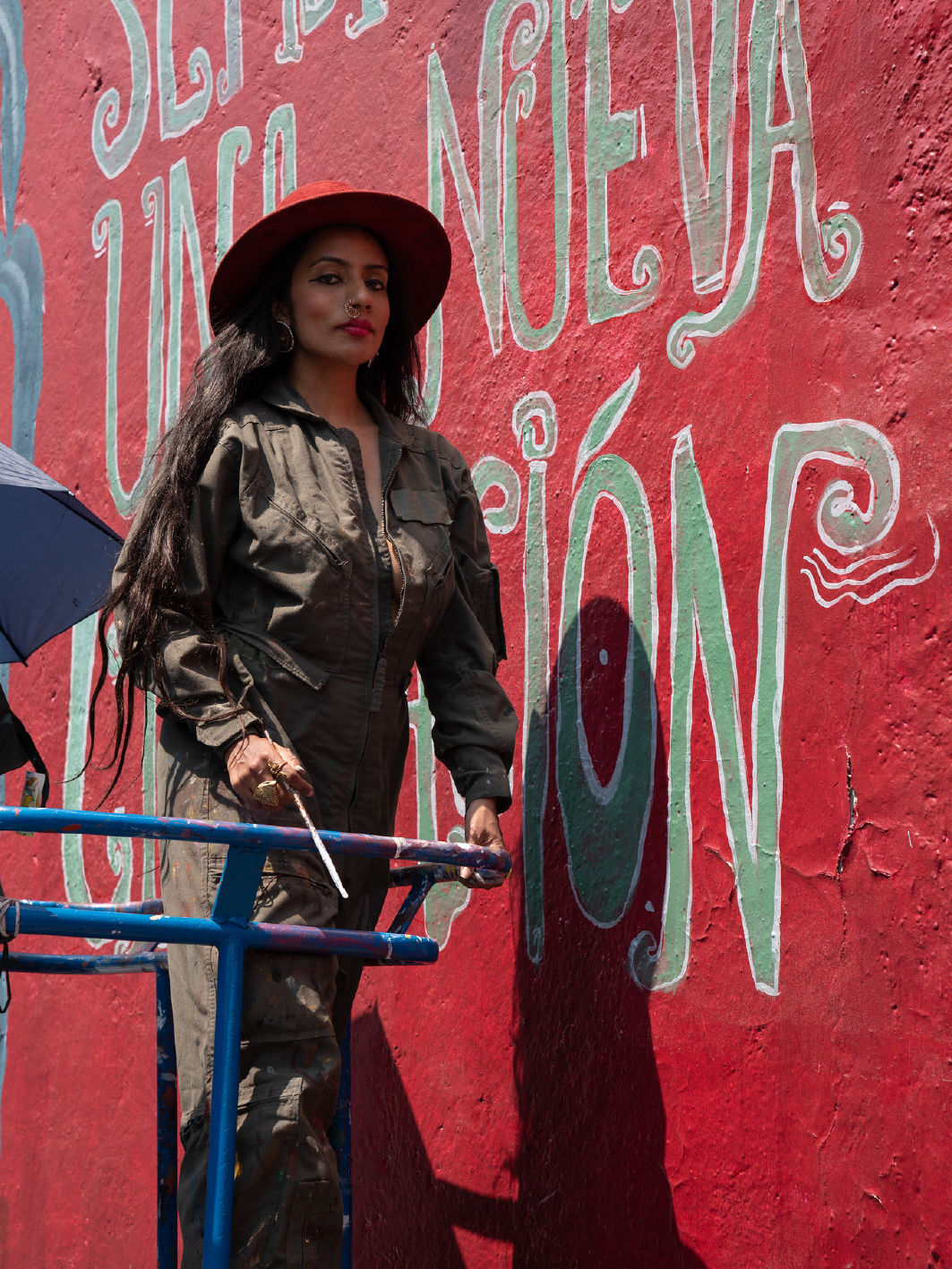
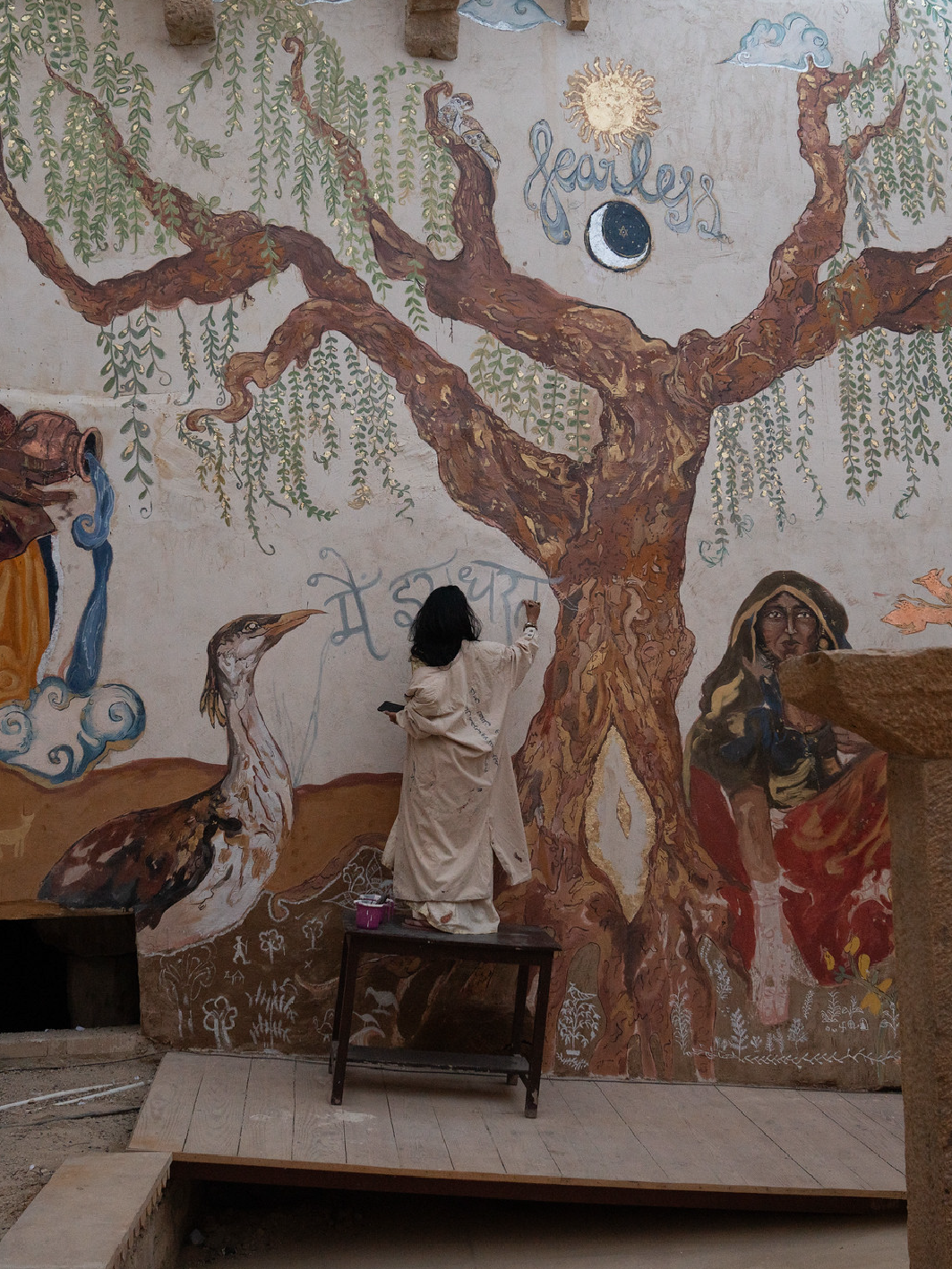
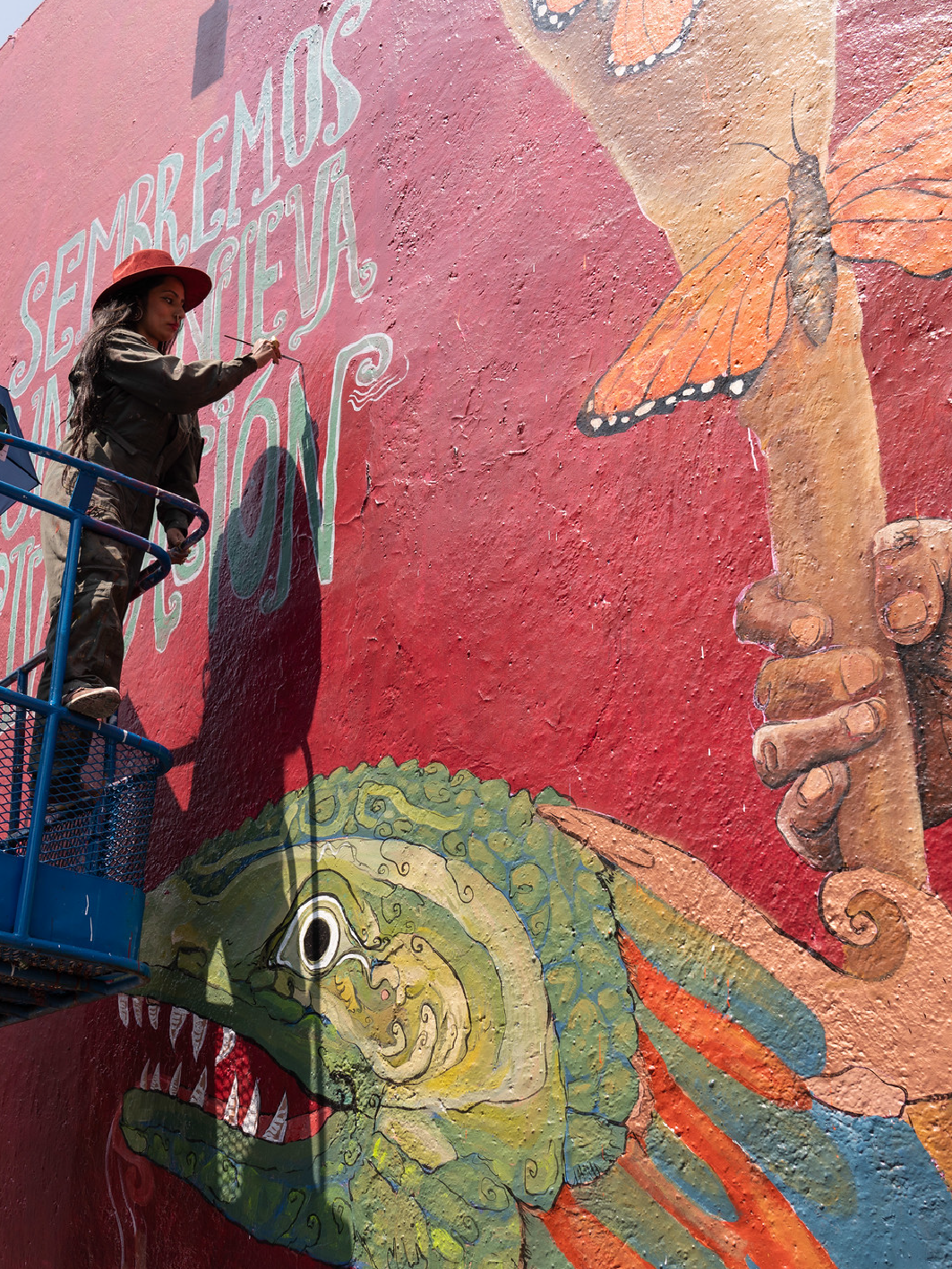
Alongside her personal practice, Shilo founded the Fearless Collective, taking her belief in art as a tool for change beyond the gallery and into public spaces. The global movement brings together communities whose stories are often pushed to the margins, using collaborative art to challenge the identities and assumptions imposed on them.
Through workshops, Shilo invites participants to consider how they see themselves and how they would like to be seen. Their photographs are then projected onto walls, traced and transformed into large-scale murals. The result, she explains, is a series of enormous self-portraits: images made with communities rather than simply for them. For Shilo, these murals do more than give visibility to stories that are often overlooked; they allow communities to imagine how they might be seen in a different world, one shaped by their own identities and aspirations. “We create images of a world that doesn’t exist yet. By simply imagining it, we allow people to recognise that a certain type of reality is coming.”
Fearless has now worked in more than 25 countries, supporting artists in places including Iran, Myanmar and Afghanistan.
Beauty as a birthright
For Shilo, this work is also about changing who gets access to art and beauty. For her, beauty and political expression need not be at odds, nor should beauty be reserved for those who can afford it. She points to the kolams (South Indian floor art) and rangoli patterns drawn on streets in Tamil Nadu, the walls on houses in villages of Rajasthan or the layers of flowers that adorn temples. These are everyday expressions of beauty, made and experienced collectively, without the need for an institution to validate them. “Beauty is a birthright,” she says.
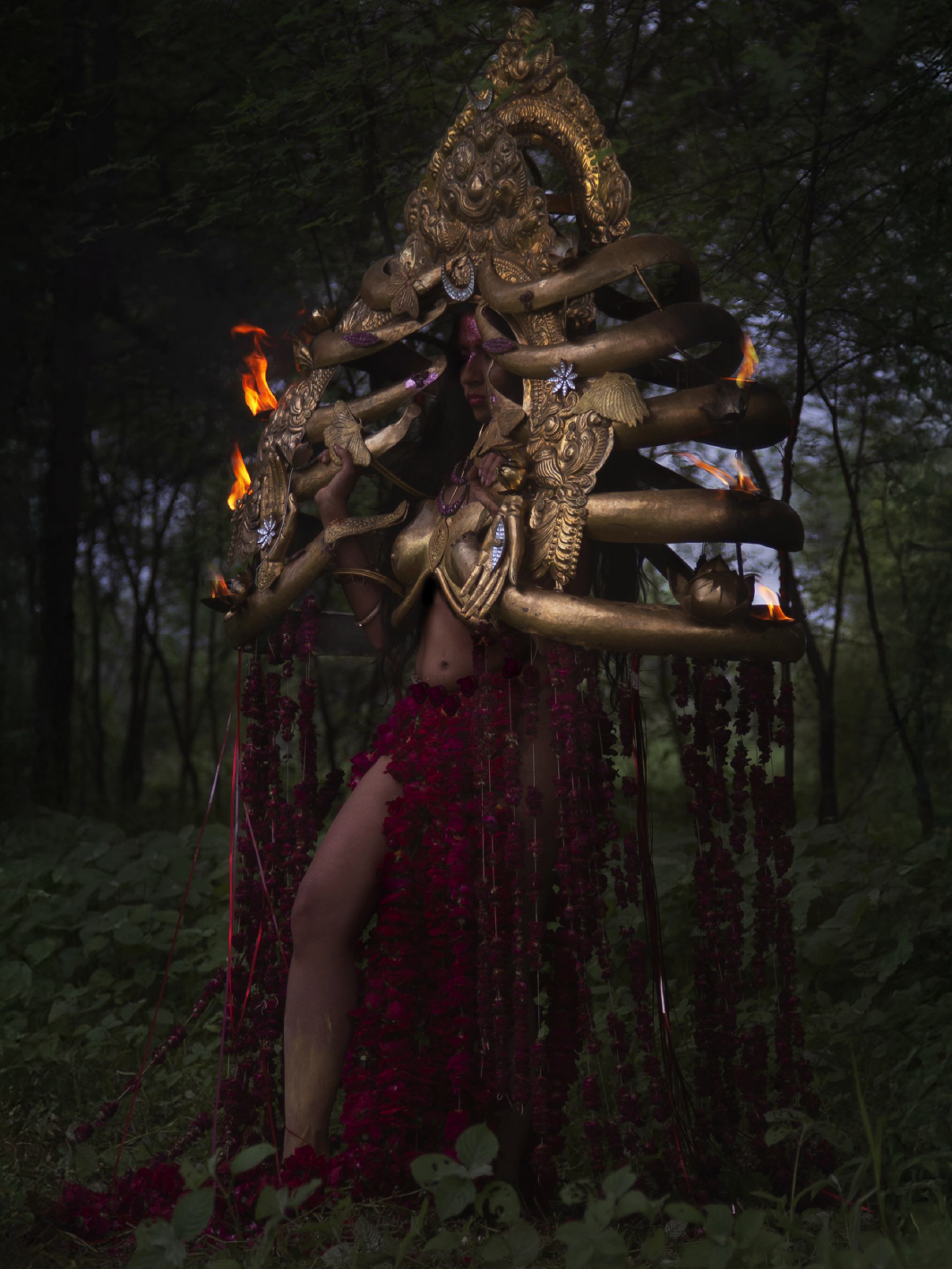
This belief also shapes how she approaches her own practice. Drawing on India’s traditions of ritual performance, temple worship and acts of devotion, Shilo is drawn to a time when art was not simply something displayed on a wall, but something to be held, adorned, worshipped and embodied. Having begun as a painter, she gradually moved towards large-scale installations that allow people to enter and experience the work rather than simply observe it. She wants to bring that same sense of closeness to her practice, allowing art to become part of people’s lived experiences.
Working across such different worlds, however, also requires a certain balance. Shilo describes her personal practice as an important counterpoint to the intensity of Fearless and its engagement with moments of fear and conflict. “If Fearless is a forest fire, then my own art practice is a diya in the sanctum sanctorum of a temple,” she says. While the collective responds to the realities communities face, her individual work gives her space to explore beauty, intuition and the sacred. The two, however, remain connected, with her personal practice giving her the energy to return to the collective’s work. Her interest in creating immersive experiences also extends to collaborations beyond her independent practice. For the Mumbai flagship of Abu Jani Sandeep Khosla, Shilo created a series of large brass panels, hand-embossed with the city’s urban landscape. The work brings together her engagement with material, scale and place, transforming a familiar cityscape into an artwork that can be experienced within an architectural setting.
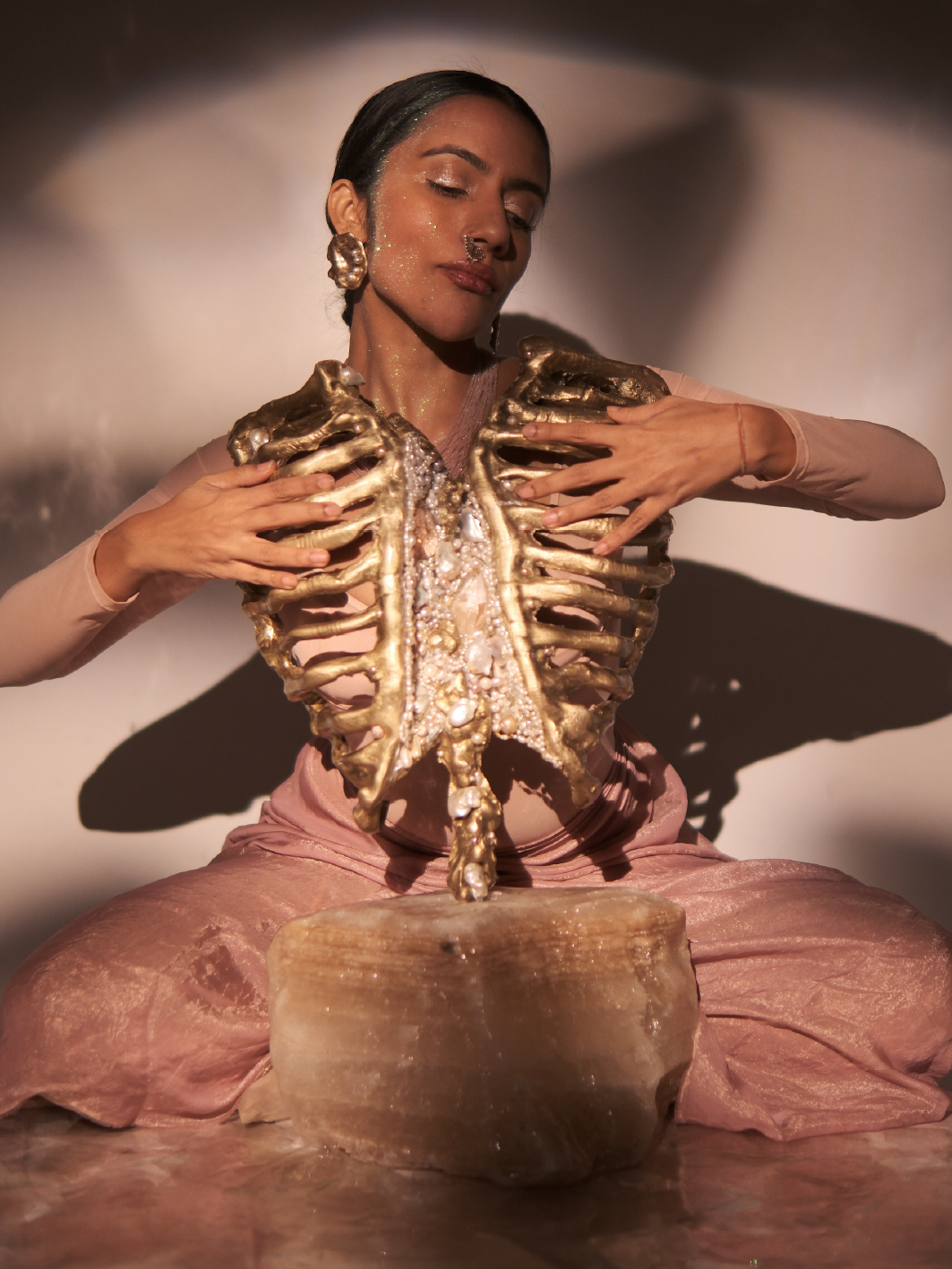
The body is a recurring presence across Shilo’s artistic practice. It appears in the armour she creates, the verses she inscribes on her skin, her self-portraits and even her sculptures and large-scale installations. She describes these works as responding to the heart and the breath, a way of moving away from the mind and returning to the terrain of the body. Colour, too, plays an important role in how she builds these worlds. Each series develops its own palette and atmosphere. Her most recent series was shaped by roses, light pinks and translucent textures, while an earlier body of work inspired by her time in Bali drew on darker, lush greens. For Shilo, colour does more than establish the look of a work; it helps determine its mood and the world it invites people into.
One work that brings many of these ideas together is Rebirthing the River, a ritual performance piece in which 40 women came together to form a river. Inspired by the story of the Saraswati, which, according to legend, returned to the sky after being taken for granted, leaving Rajasthan to become a desert, the performance saw the women move together through the landscape, symbolically calling the river back. For Shilo, the work reflects the direction in which she wants her practice to evolve: towards collective experiences in which women come together, move their bodies and shift energy, making art through the act of coming together.
Looking ahead, Shilo wants her practice to move further towards experiences that bring people together, rather than focusing solely on the objects she creates. Drawing on the ritual performance traditions of Kannur, where practitioners embody different deities, she is exploring ideas of trance, sacredness and transformation. It is a continuation of an approach to art that has long brought together mythology, ancestry and the possibilities of the body.
From the stories and rituals she grew up with to the worlds she now creates, Shilo has spent her life giving form to the things she believes are worth seeing, holding and becoming.