Artist Profiles 19 Sep 2026 read
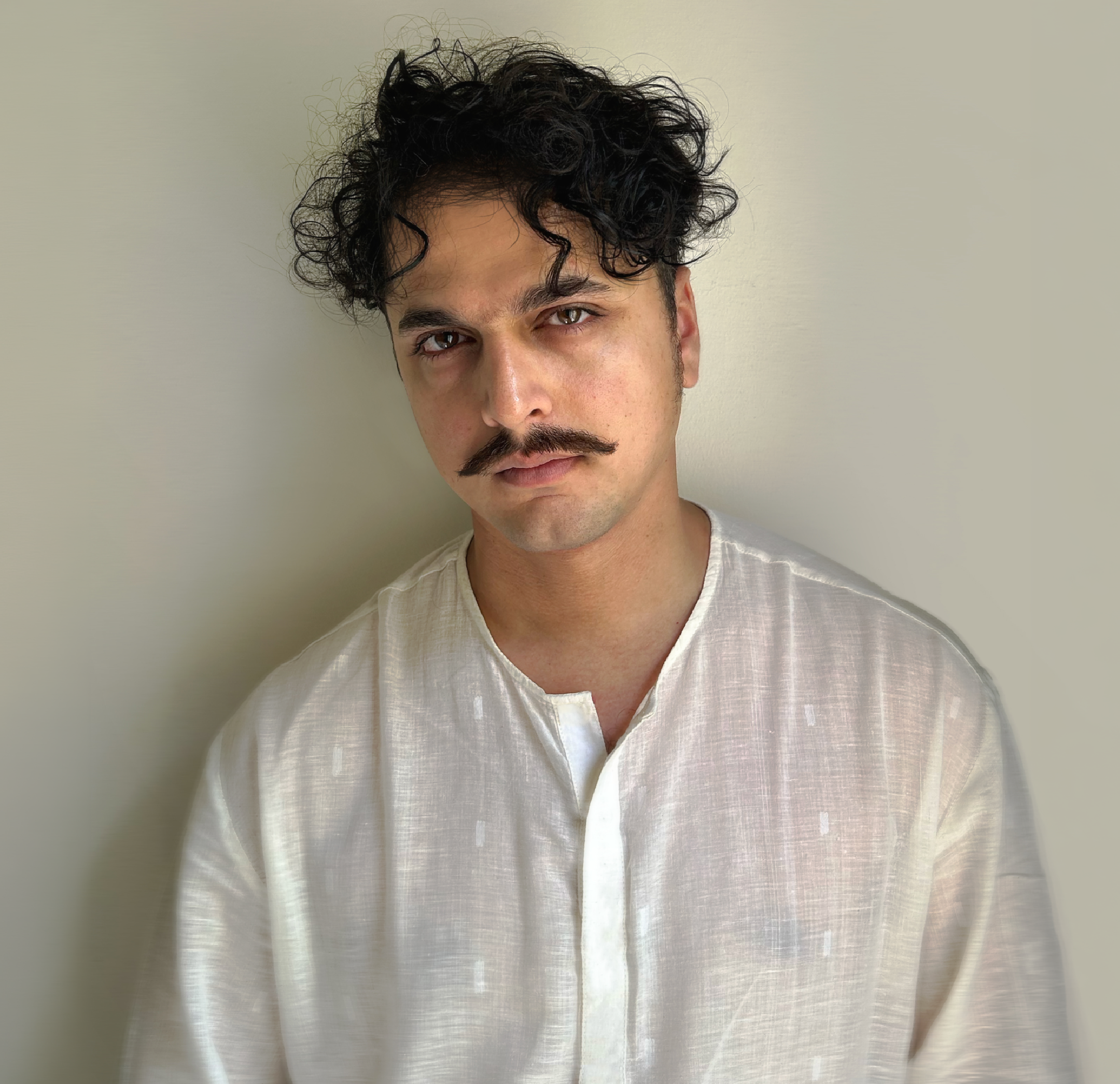
Gaurav Ogale builds art from memory, migration, and misplaced things
From a childhood in Pune to a handkerchief embroidered for a stranger in Romania, the visual artist has built a career out of paying attention
Artist Profiles 19 Sep 2026 read
From a childhood in Pune to a handkerchief embroidered for a stranger in Romania, the visual artist has built a career out of paying attention
In a Romanian village, a woman, written off by her community for staying unmarried, spends her days doing everyone else's chores, largely unseen. Then a visual artist from India shows up, sits with her, listens, and starts embroidering her life story onto a handkerchief — the kind that women there traditionally make for the men they love. Except this one is for her. That's how artistic director and visual artist Gaurav Ogale works: he finds what everyone else has stopped looking at and makes it impossible to ignore.
But to understand how a design-school dropout from Pune ended up embroidering handkerchiefs in Romania, start at the beginning — with a kid whose sticky memory recalled places not by what happened there, but by "the way it looked, the way it smelled, the way it felt." He'd always been an artist, in one form or another — he says it himself, plainly, "Even before I pursued film studies, I always was an artist since I was a child."
Formal training came later. He enrolled at Pune's MIT Institute of Design hoping to do graphic work for advertising, then fell hard for filmmakers like Agnès Varda's work instead, drawn to how she blended different modes of storytelling rather than following convention — a sharp contrast to the structured, Satyajit Ray-style narrative filmmaking his professors were teaching. "I didn't really fit into the course," he laughs now, recalling teachers who worried he'd end up unemployed. Fortunately, he did not.
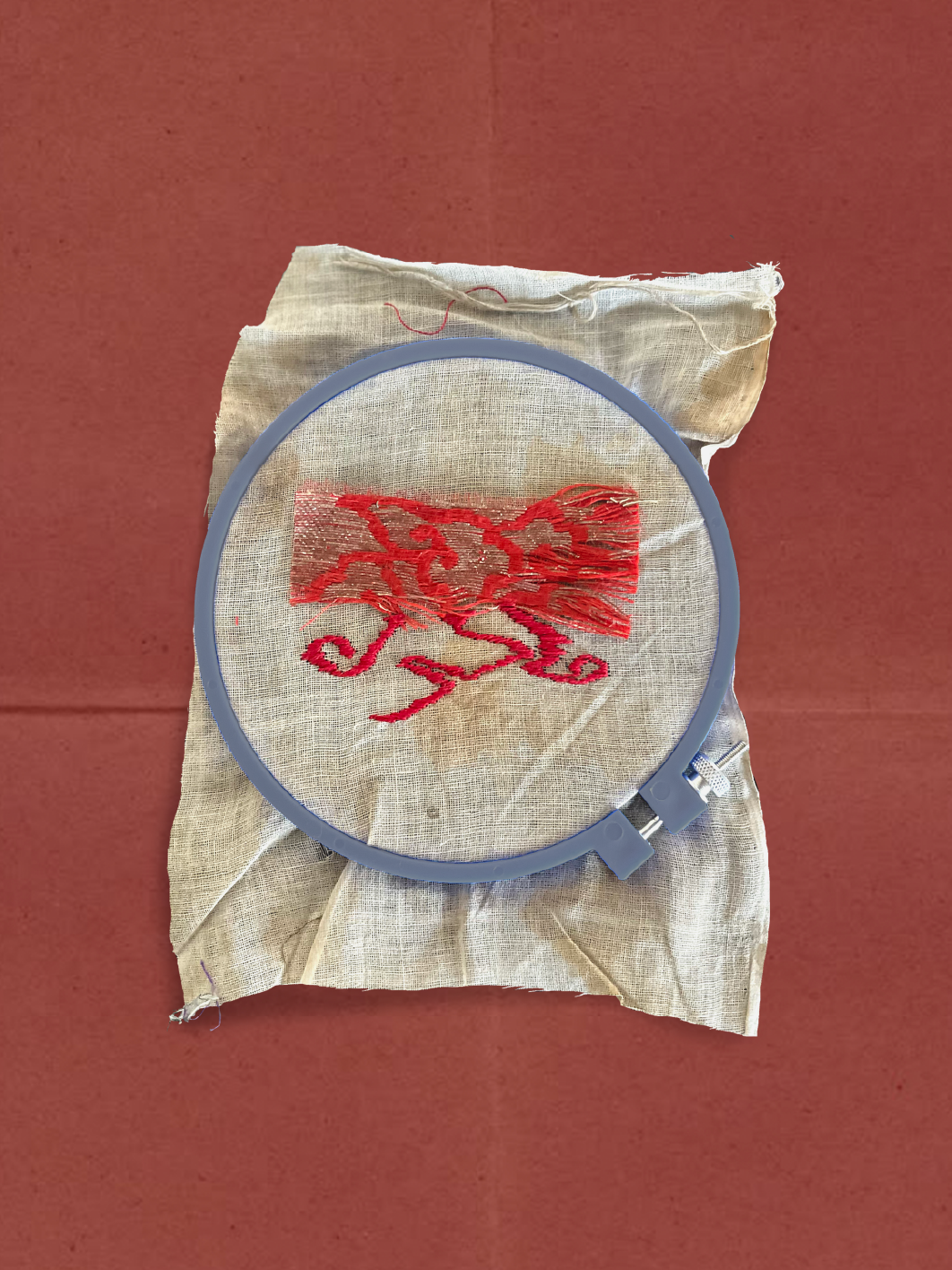
A delicate study in repair, where traditional craft meets a contemporary eye. The Gleaners & I, kimono repair, Kyoto, 2025
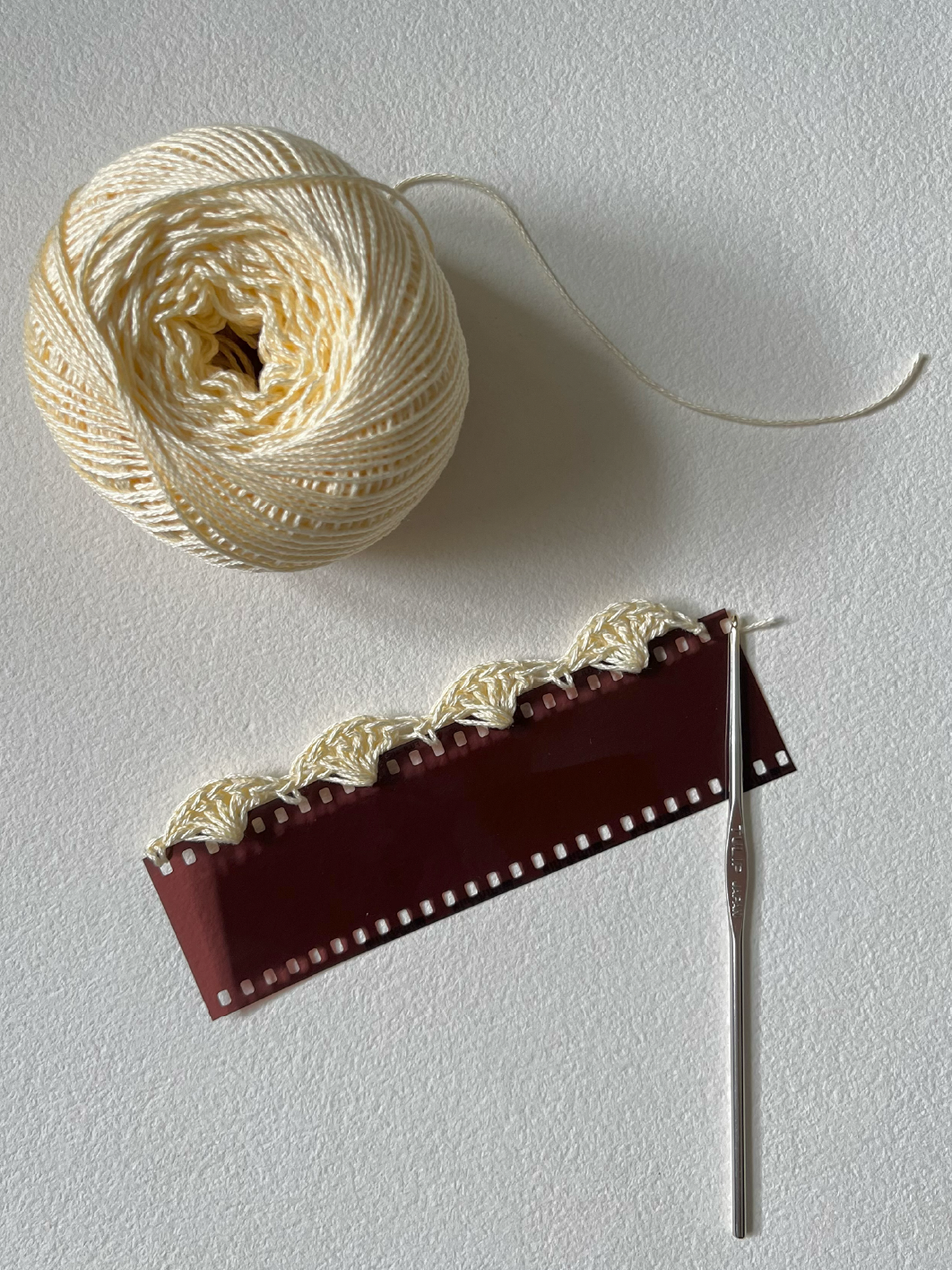
A strip of old film finds new life through meticulous handwork. Crochet on film, repair embroidery series, 2025
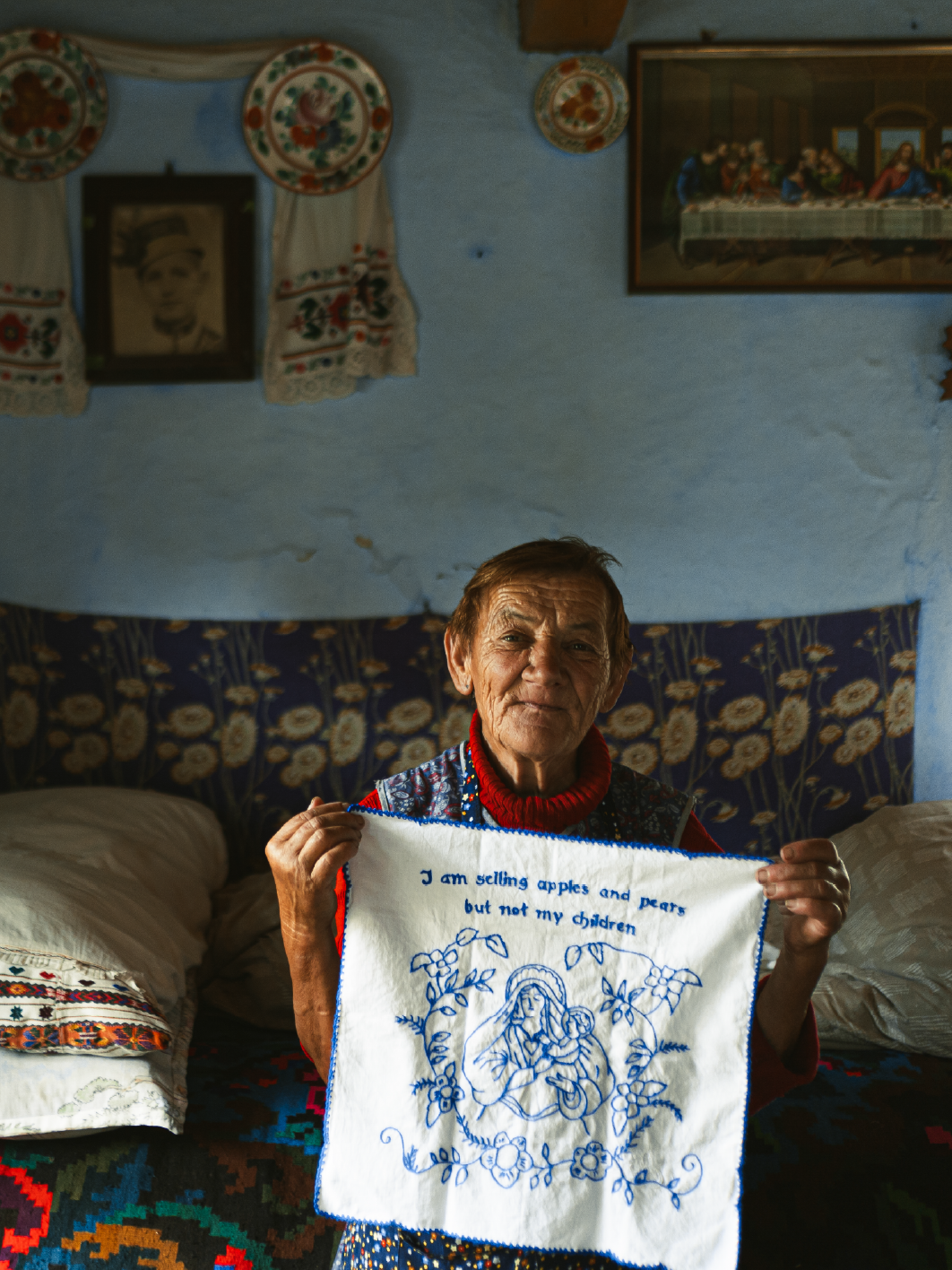
An embroidered textile carries the memory of a Romanian domestic tradition. Păretar, embroidery on textile, Romania, 2025. Photography by Patricia Marina Toma
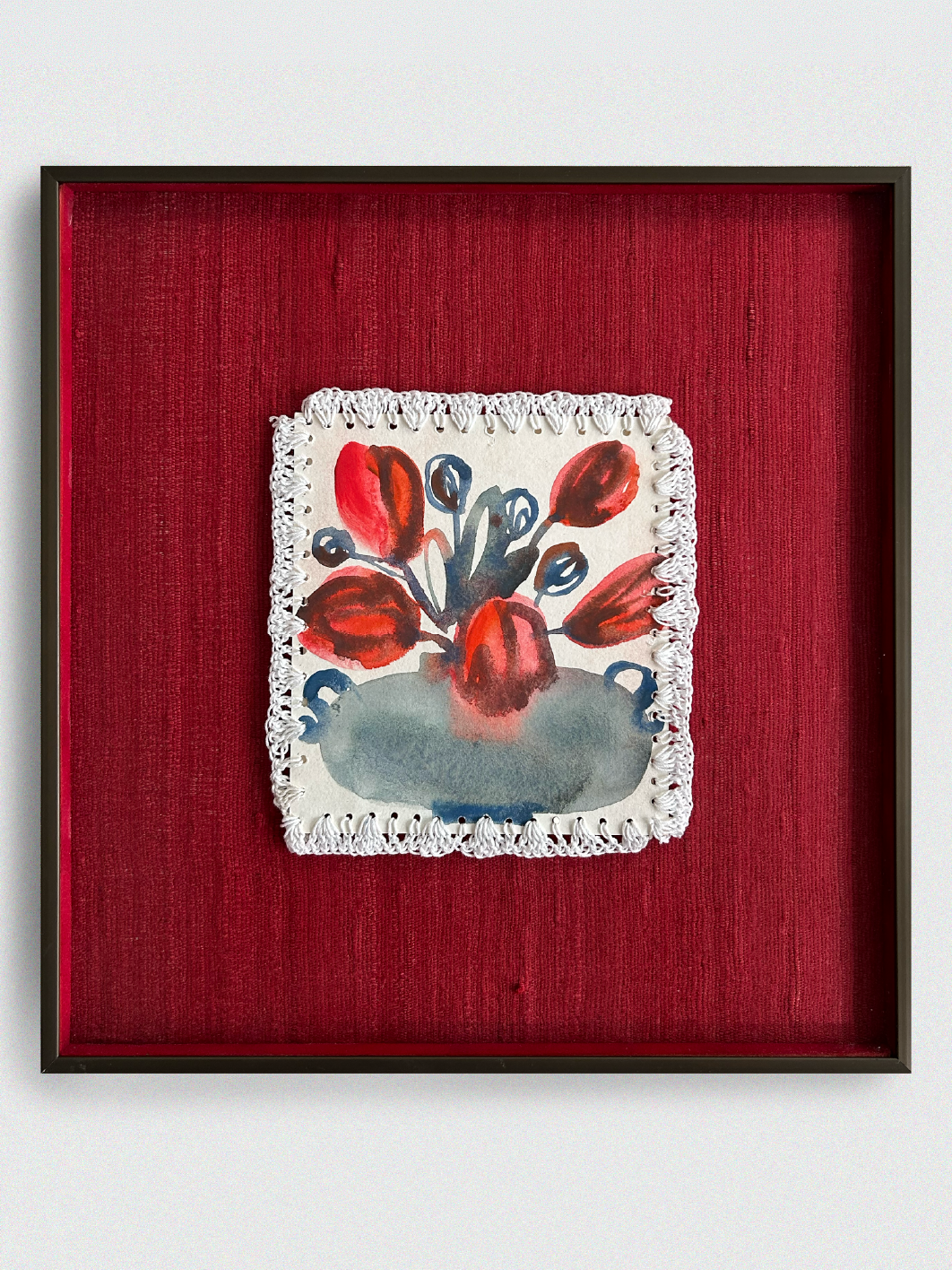
Dreamlike blooms take shape through the quiet interplay of paint and crochet. Flowers the way I see them in my dream 1/4, watercolour and crochet on paper mounted on raw silk
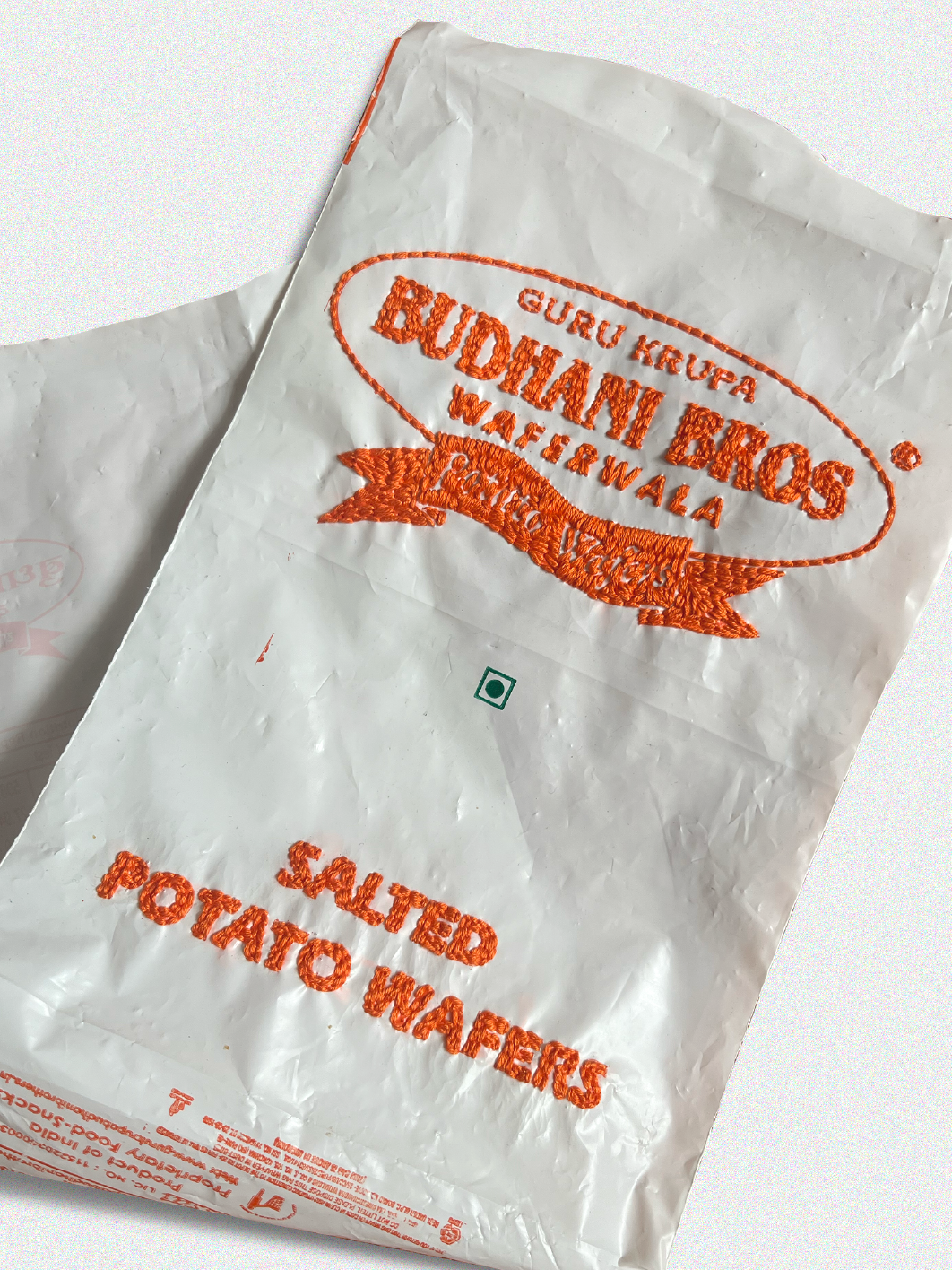
Everyday packaging becomes a canvas for an intimate act of repair. The Gleaners & I, repair embroidery on local packaging, 2025
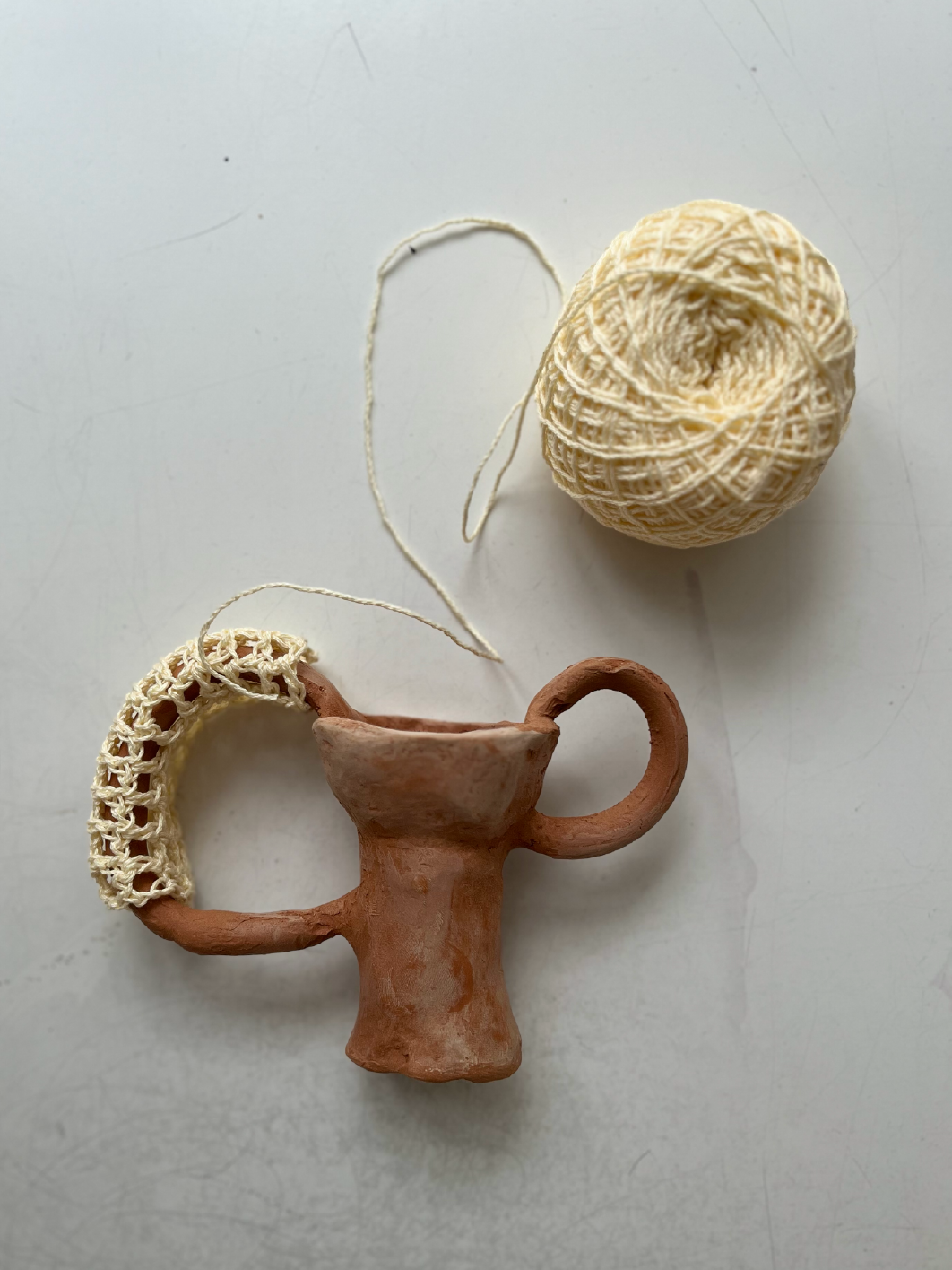
A familiar craft takes an unexpected sculptural turn in this tactile work. The Gleaners & I, crochet on clay, 2025
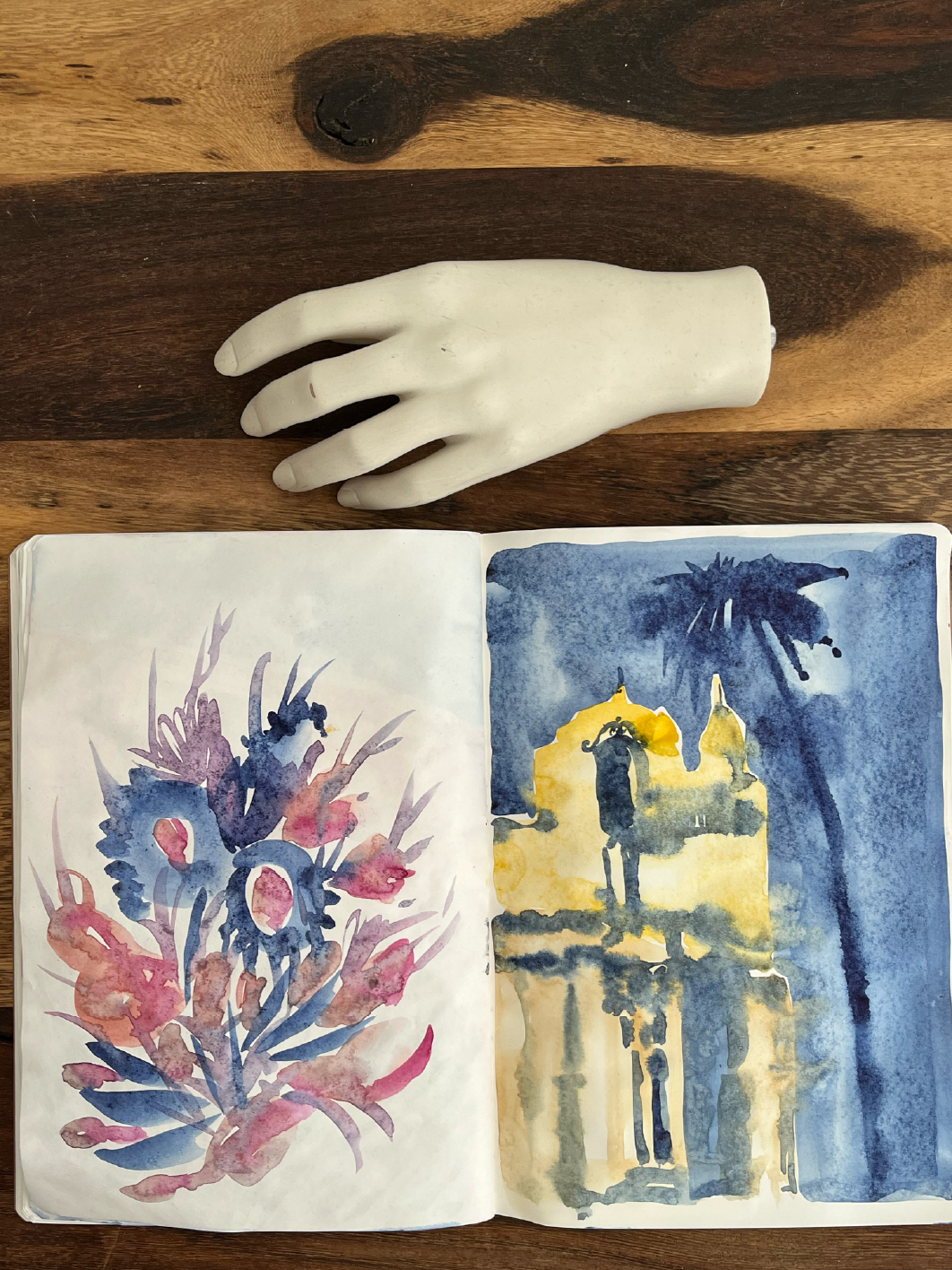
A loose, atmospheric study captures the artist’s impression of Palermo. Study, watercolour on paper, Palermo, 2024
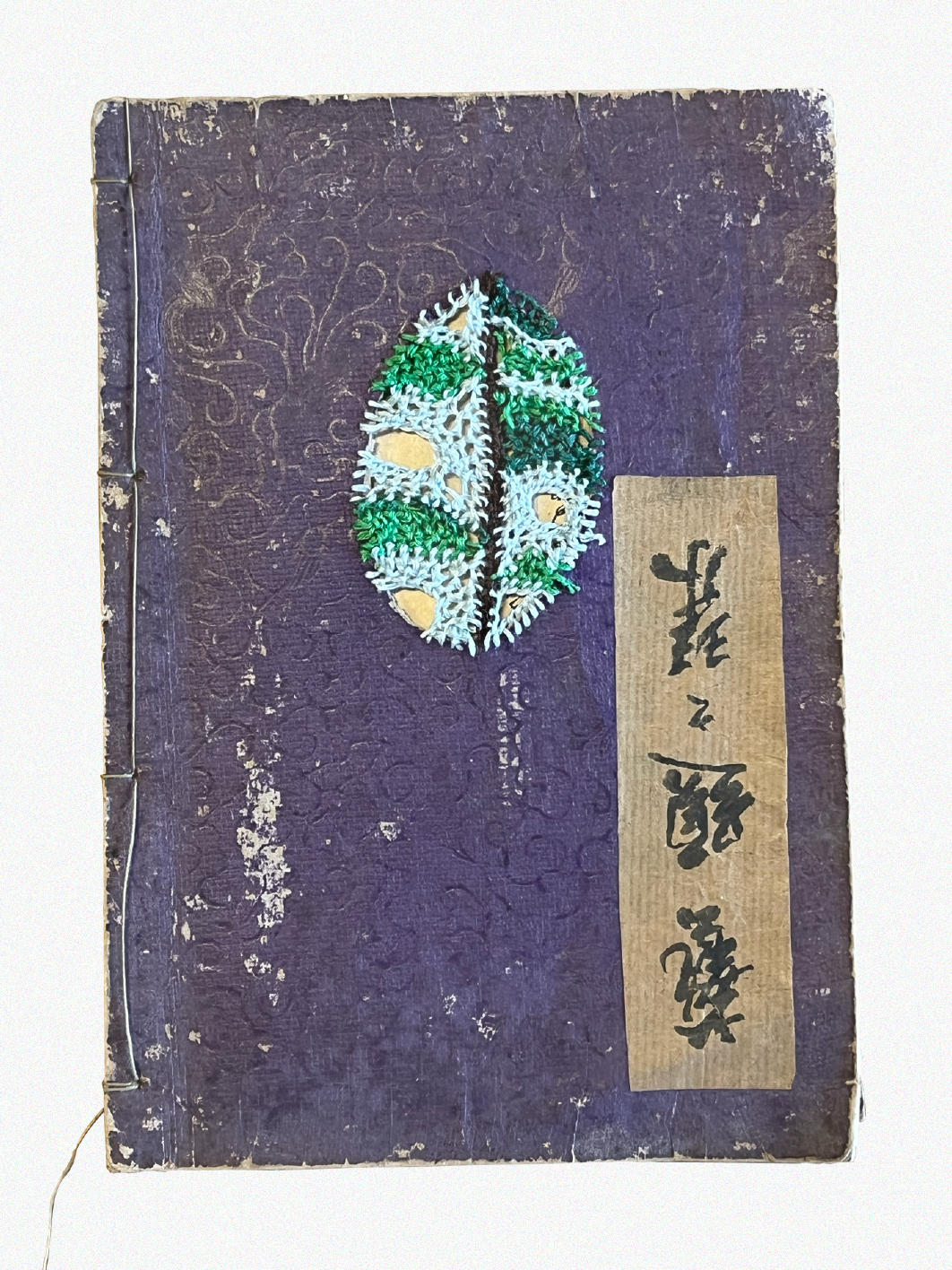
A well-loved book becomes a canvas for a new chapter through intricate repair embroidery. The Gleaners & I, book repair embroidery, Kyoto, 2025
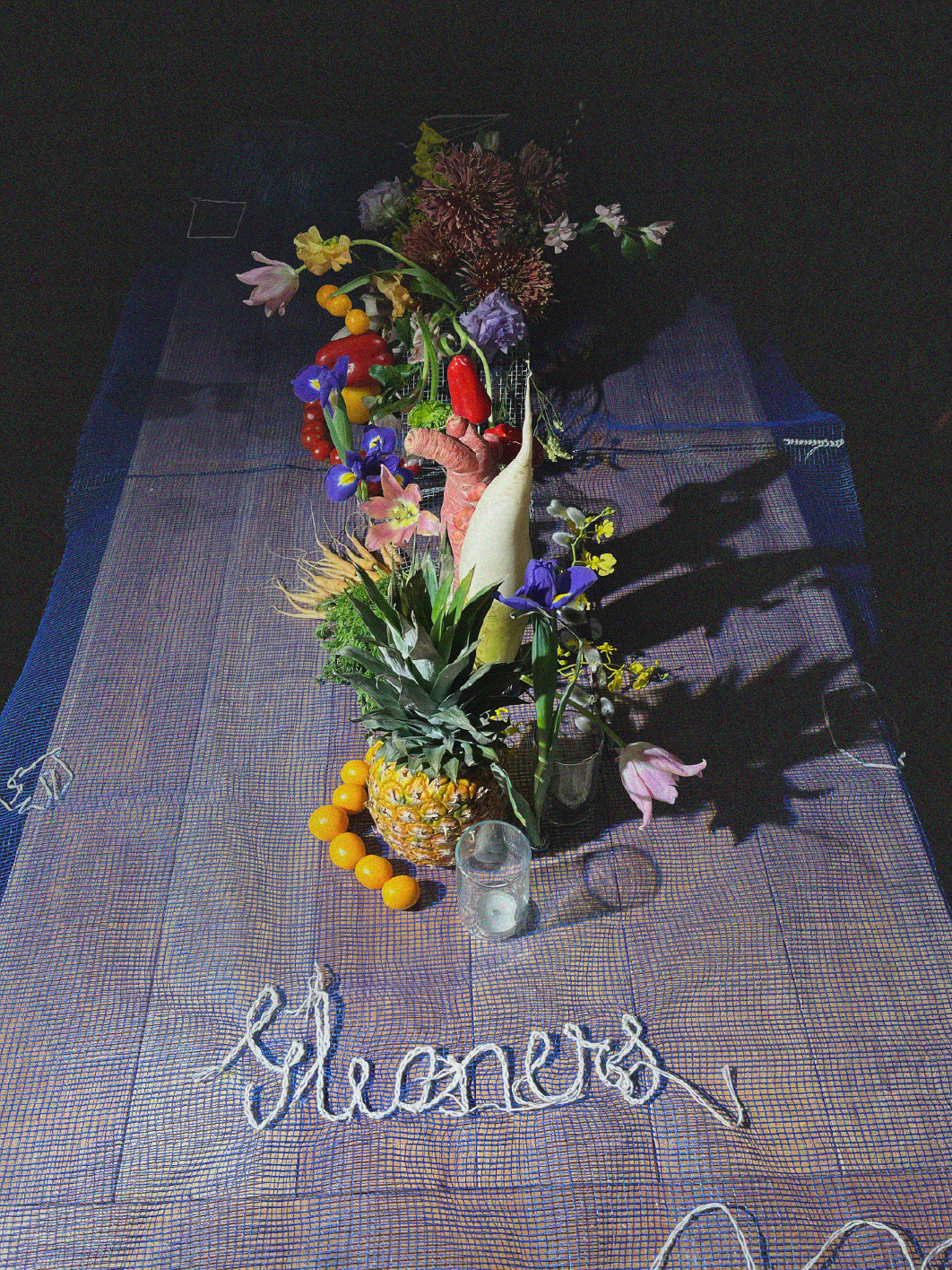
The language of repair takes on a delicate, almost meditative form. The Gleaners & I, Kyoto, 2025
The career he doesn't post about
What most people know of Gaurav is the highlight reel: pandemic-era collaborations, dreamy residencies, a life that photographs beautifully. What they miss are the curves of his career underneath it — institutional design for National Geographic and the Royal Opera House, and now Sarmaya, where he's Head of visual content and design, alongside work with the JSW Group and DAG Museums. Almost all of it, he notes, has been for Indian clients and audiences. "No matter where in the world I am, I think I'm always celebrating India," he says.
That same appetite sent him wandering long before residencies paid for it. At sixteen, travel from Auroville to a monastery in Dharamshala gave him, in his words, "my voice." A pilgrimage to Varanasi in 2013, at twenty-two, retraced his great-grandfather's steps along the ghats; a year later, at twenty-three, his first artist residency sent him documenting Casablanca and Marrakesh — architecture, street food, typography, the hand-painted shop signs he calls "markers of our popular culture.”
What the pandemic taught him about strangers
That instinct for finding a story in the overlooked found its biggest audience during the COVID-19 lockdown, almost by accident. A theatre-actor friend mentioned that performers had scripts and nowhere to perform them. Design school had given him a taste for audiovisual storytelling, but by his own admission he hadn't really practiced it — motion work and film had stayed on the sidelines of a practice built on stills. "For a long time, till then, I had not really experimented a lot with motion work or film work," he says.
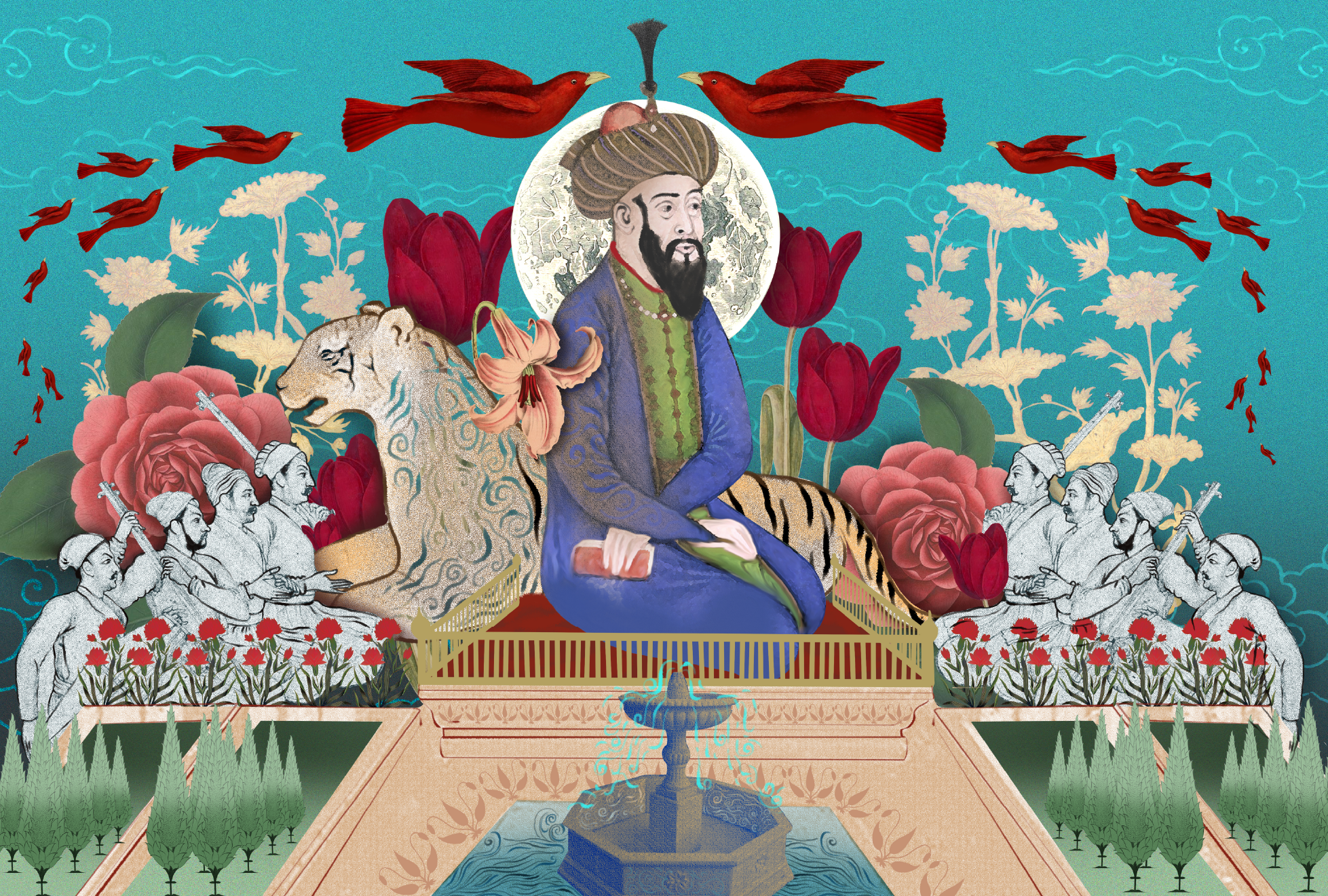
The pandemic is what turned that interest into an actual body of work. Gaurav spotted his opening: 30-40-second audio visual pieces built around voices as different as actor Jim Sarbh, poet Tishani Doshi, and activist Gurmehar Kaur — bite-sized enough for an Instagram attention span, intimate enough to matter. The process shifted with each collaborator. Jim, a visual thinker, wanted real back-and-forth, while poets operated on a different frequency. "Actors come with very performative energy," he says. "With a poet, it's quieter — they leave it up to you, how you see it." Either way, constant collaboration changed him: "Working independently is a monologue. With a collaborator, it's a dialogue — it's a confluence."
Cooking, swimming, and other ways to find an idea
Ask him how a piece begins, and Gaurav describes something closer to avoidance than inspiration. Facing a new project, you won't find him at his desk. You’ll find him cooking, or on a long swim, until ideas start building on their own. Even fifteen years in, he admits the panic never fully leaves and every project still opens with a flash of “Have I forgotten everything I know?” Usually it starts as an image, with motion and sound arriving later, though sometimes sound comes first. He has notoriously mixed taste, jumping from Bollywood to obscure acoustic tracks, chasing a beat until an image in his head clicks around it. That hunt once led him to a musician in Turkey he found online, whose calm sound he built a Tata Cliq Luxury commercial around. His phone, meanwhile, is a running archive of ambient sounds recorded wherever he travels.
The thread that ties it all back
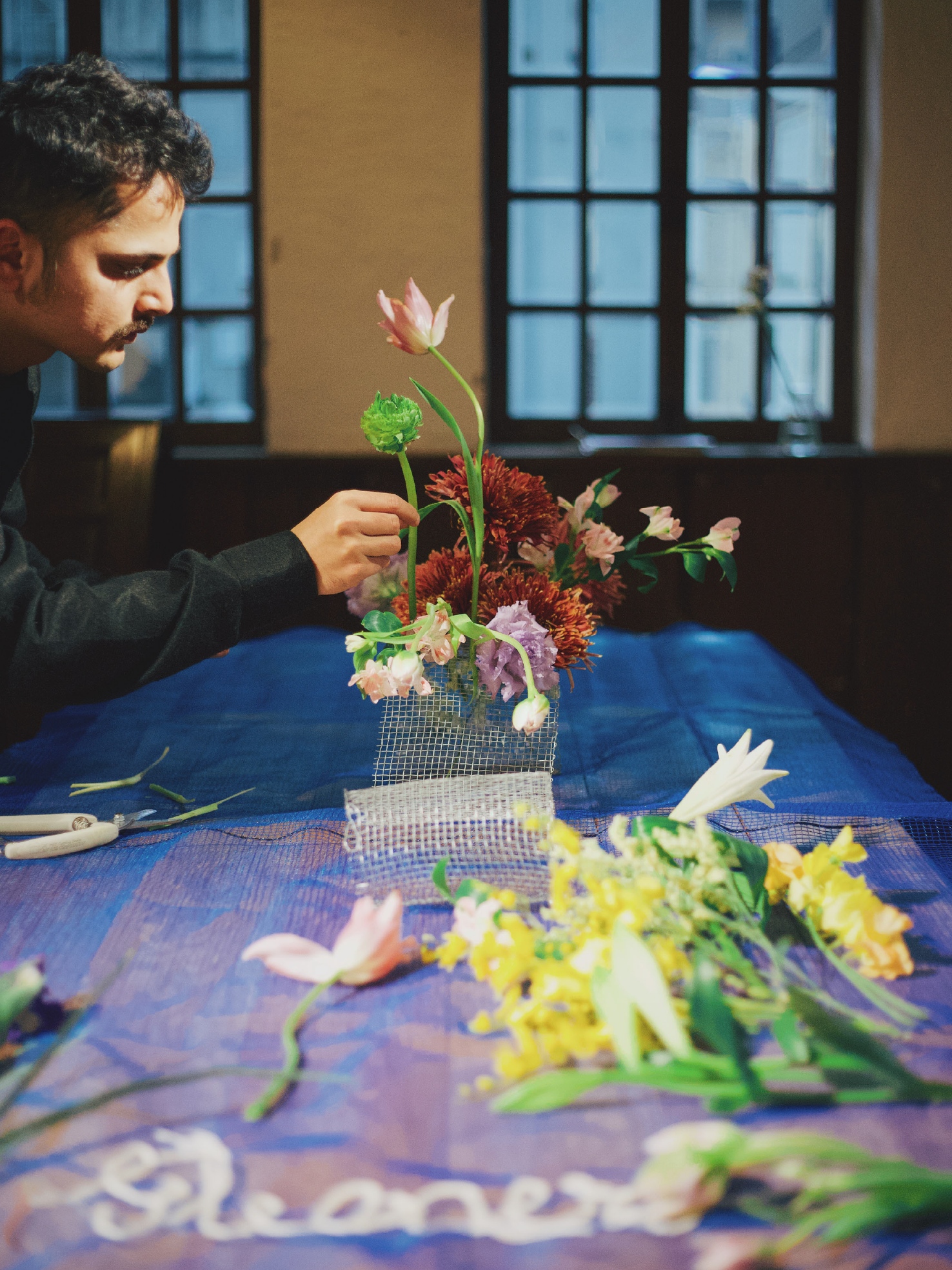
This brings us back to that handkerchief. It happened during a 2025 residency, part of a solo show called The Gleaners and I, borrowed from Varda's own documentary about scavengers and what society decides to throw away. A parallel Kyoto residency had already set the theme rolling, with Gaurav arranging discarded, too-misshapen-for-supermarkets vegetables and flowers into Ikebana-style compositions — asking who gets to decide what's worth keeping.
Romania pushed the question closer to home. There, Gaurav met a woman named Iliana, from a community where people who never marry, or who separate, are reduced to unpaid servitude for their families — treated, he says bluntly, "really badly." He'd been learning traditional peretas, embroidered handkerchiefs women there make for lovers. Instead, he made one for Iliana, about her life and philosophies, then hung the finished pieces up publicly. Suddenly a woman treated as invisible had a stranger from India celebrating her. "As a society, we don’t get to choose who or what we reject," he says.
It's a philosophy that surfaces throughout his work, in ways far removed from Romania. It’s there in his grandfather's geometry box and grandmother's photograph, both still central to his life, and through Maza,(mine in Marathi) his audiovisual meditation on inheritance now in Sarmaya's permanent collection. It's there too in his newest fascination: jewellery, sparked by watching jewellers work cross-legged on the floor in Bundi, Rajasthan. "Jewellery is so intimate," he says. "It outlives you. It's a symbol of legacy." Silver first, gold eventually — though the material was always going to matter less than the memory it carries.