Every year, the LOEWE FOUNDATION Craft Prize offers an insistent reminder: the hand, in all its precision and patience, remains one of the most powerful tools of contemporary expression. For its ninth edition, more than 5,100 submissions from 133 countries were distilled into a shortlist of 30 finalists—before the coveted €50,000 prize ultimately went to South Korean artist and ceramicist Jongjin Park.
Material, Unravelled
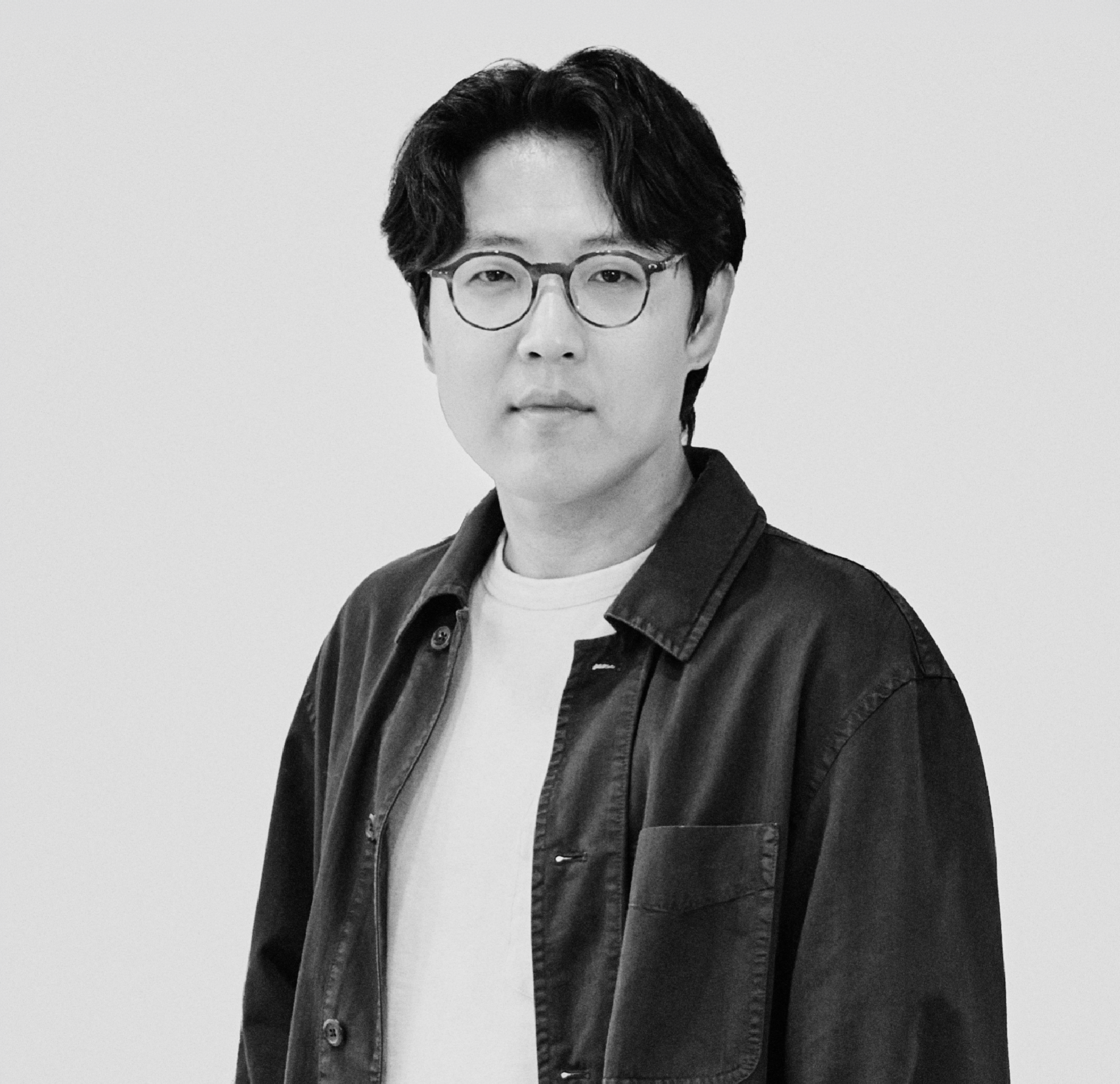
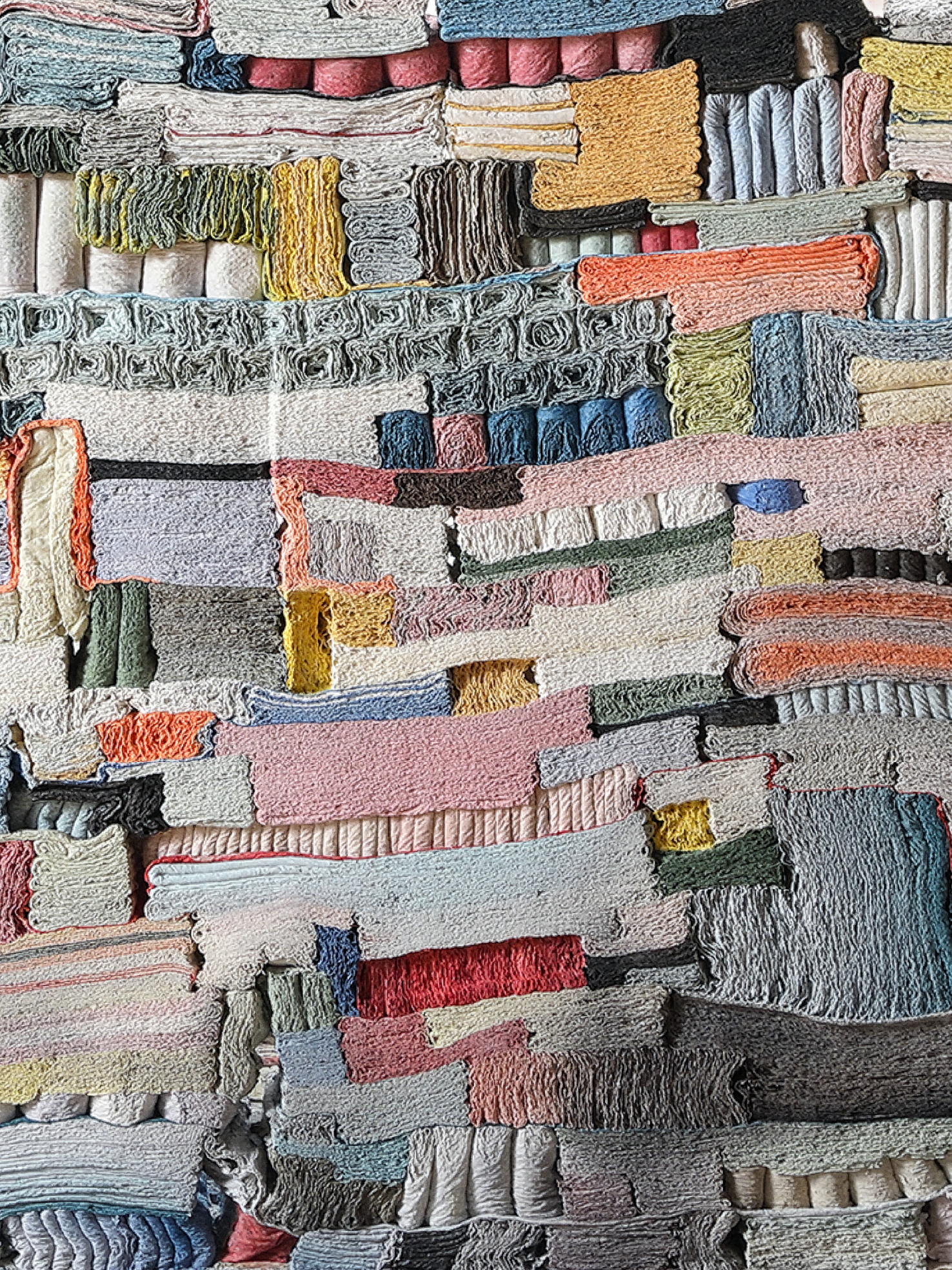
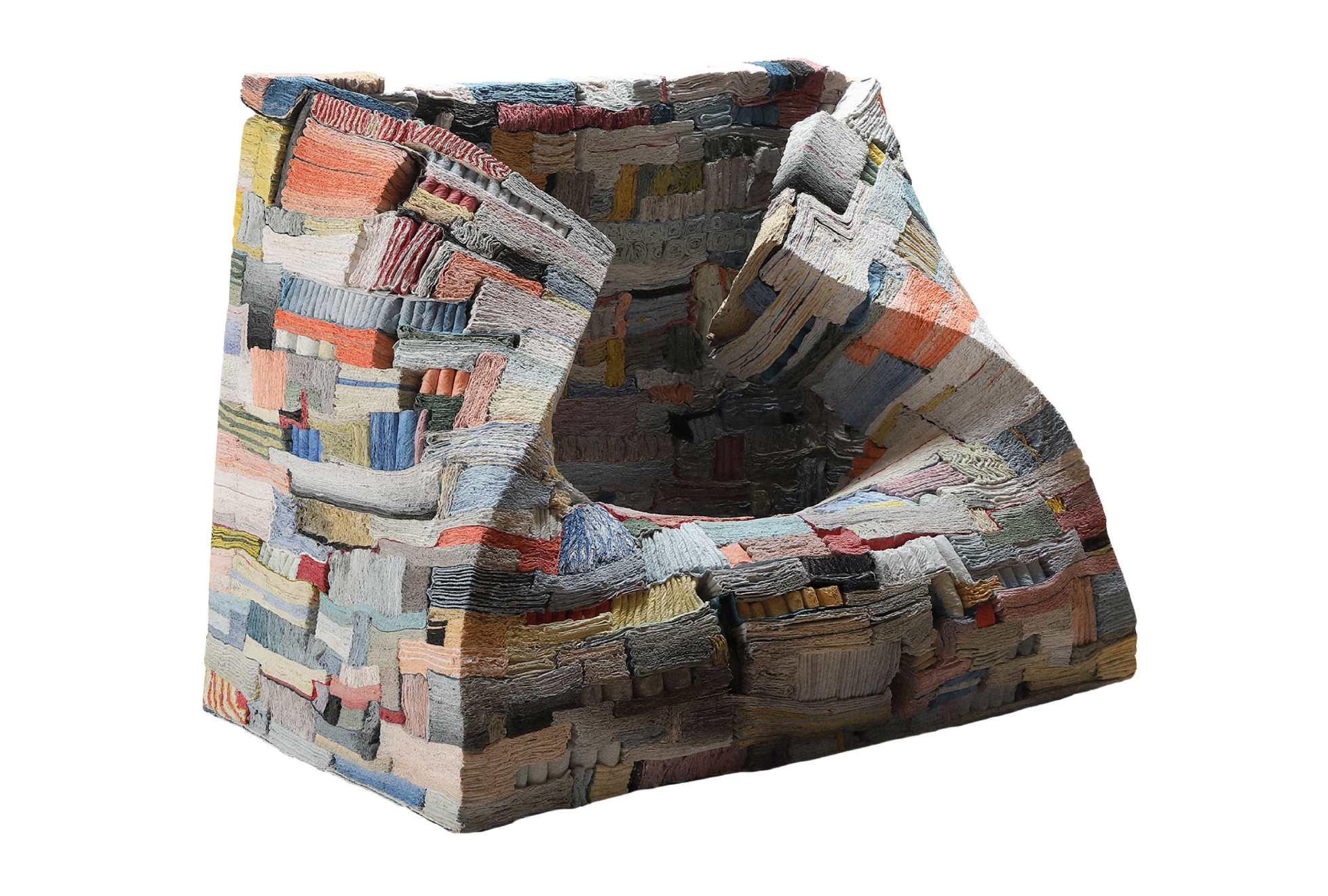
Announced on 12th May 2026 at the National Gallery Singapore, winner Jongjin Park’s Strata of Illusion captured the jury through an act of controlled collapse. Constructed from folded paper coated in a porcelain slip before firing, the work underwent a near self-erasure inside the kiln: the paper burns away entirely, leaving behind a warped ceramic shell that records the memory of its own collapse. The work sits somewhere between a chair, a ruin and a geological imprint—with the jury describing the work as possessing a striking ‘sculptural presence’ while confounding expectations of what ceramics can be.
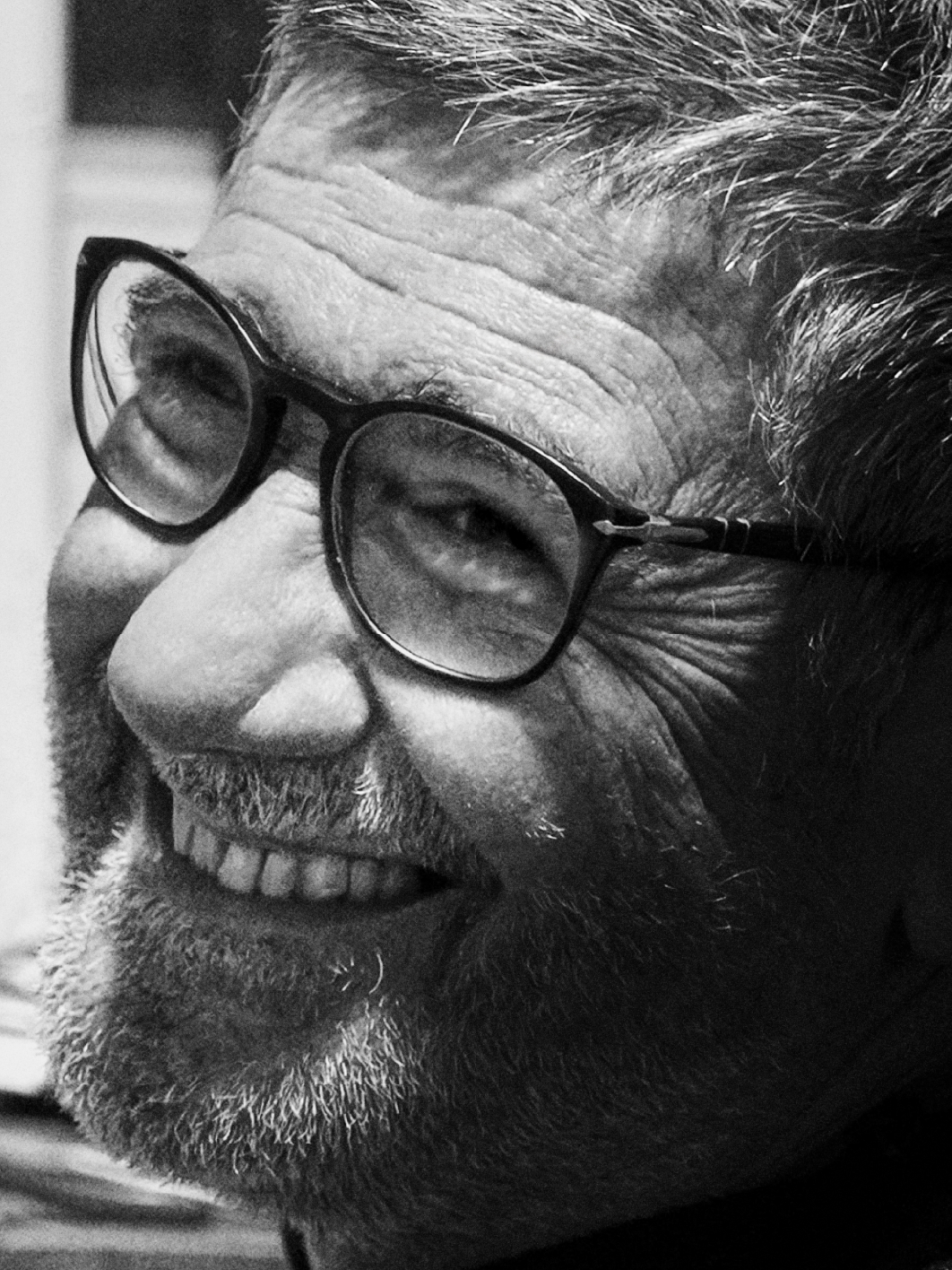
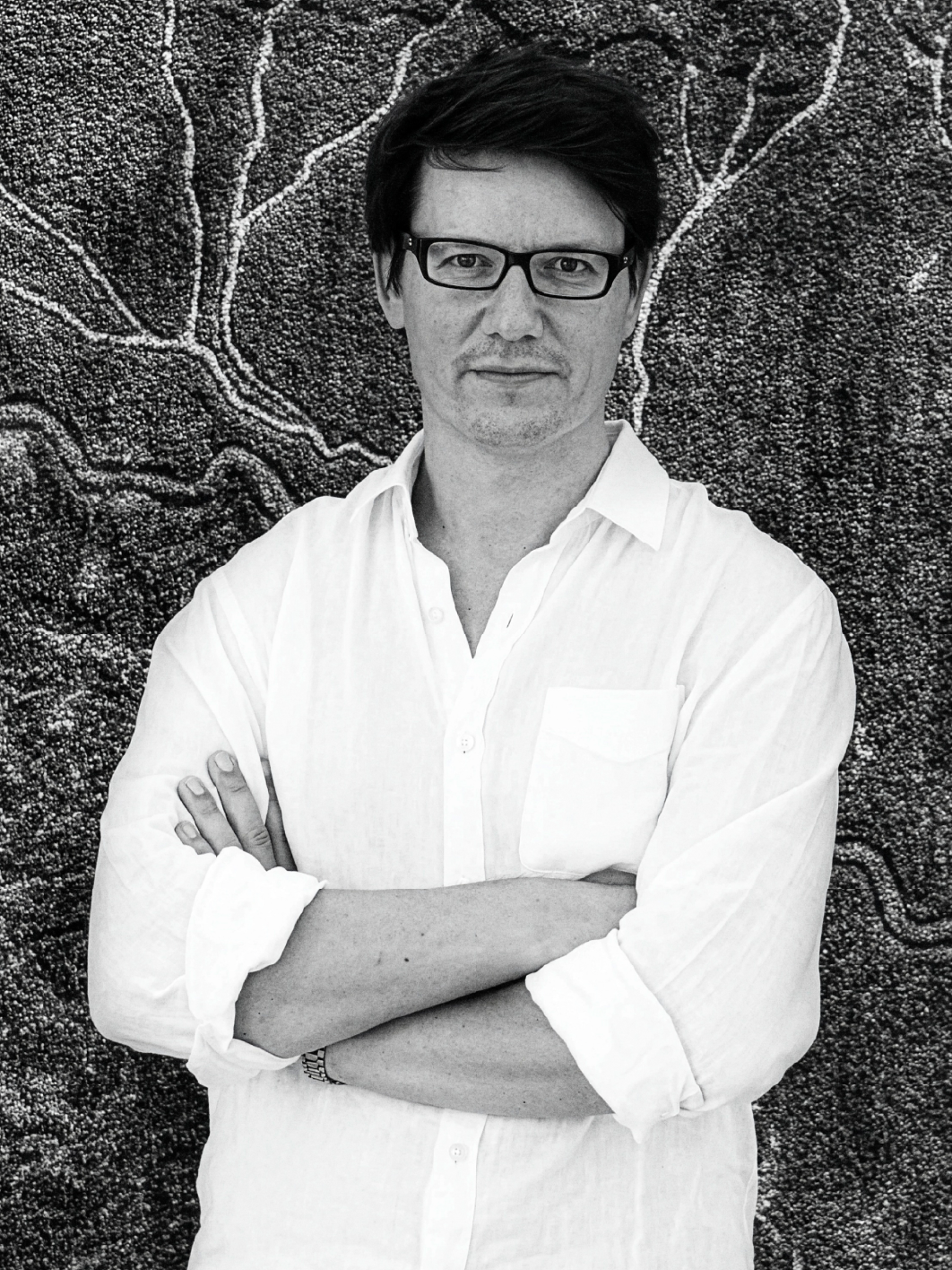
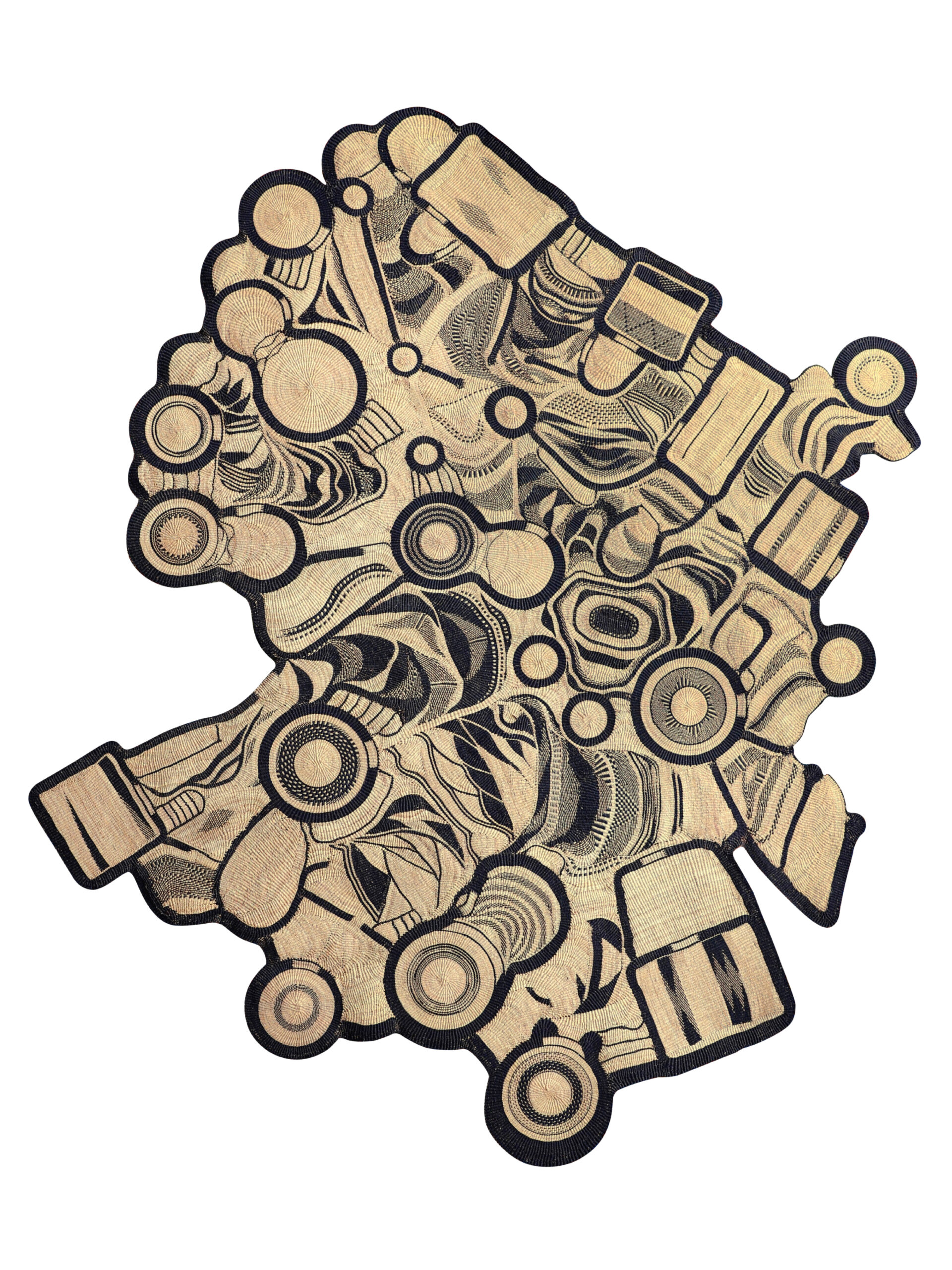
That sense of translation of material language surfaced repeatedly across the shortlist. One of the two special mentions (each earning €5000) was awarded to Fra Fra Tapestry #2, a collaboration between Ghana’s Baba Tree Master Weavers and Spanish designer Álvaro Catalán de Ocón. Drawing from aerial views of Gurunsi adobe settlements, the monumental elephant-grass textile transformed architecture into a weave, upturning distinctions between landscape, structure and craft tradition.
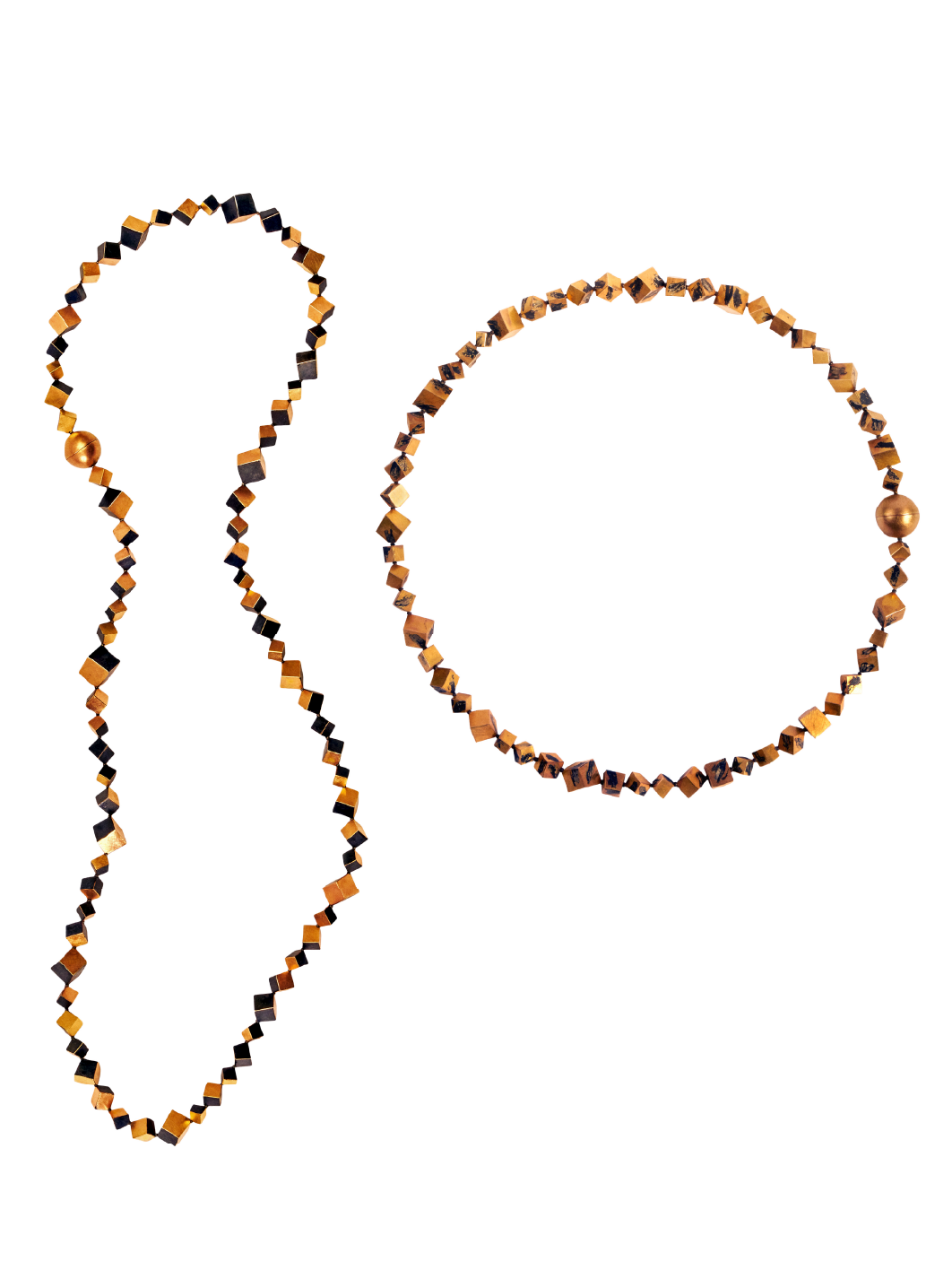
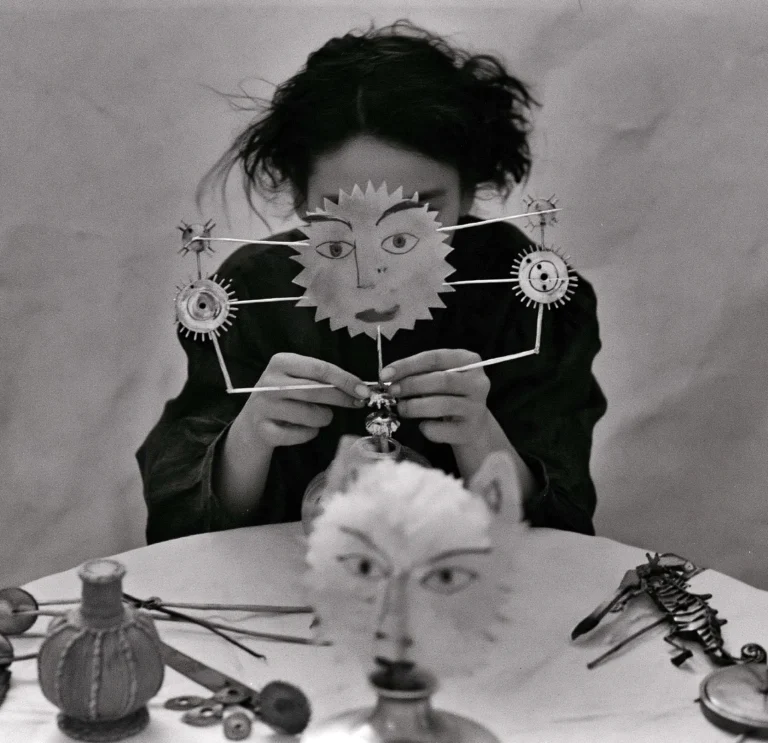
Italian jewellery designer Graziano Visintin earned the second special mention for Collier (2025), a pair of geometric necklaces composed of cubes and spheres composed of thin metal sheets, partially plated with niello and fine gold leaf.
An overlap between a chair, a ruin and a geological imprint The work underwent a near self-erasure inside the kiln: the paper burns away entirely, leaving behind a warped ceramic shell that records the memory of its own collapse. The jury described the work as confounding expectations of what ceramics can be
The Loewe Foundation Craft Prize Winner Jongjin Park’s Strata of Illusion Constructed from folded paper coated in a porcelain slip, the work captured the jury through an act of controlled collapse
Craft: A Living Language
What emerges across these works—and across the shortlist—is craft which resists categorisation as either tradition or innovation. Instead, it morphs into sustained engagement with the past, operating as a living, growing system shaped equally by both inheritance and rupture. It also points to a broader shift in craft as a method to move between scales, geographies and histories. The representation and prominence of practitioners from the Republic of Korea, alongside voices from Ghana and shortlisted names from Nigeria and Zimbabwe underscore a decentralised field of knowledge systems.
This year also marked a transitional moment for the prize itself. It was the first edition following the departure of longtime creative director Jonathan Anderson, who was instrumental in setting up the awards in 2016 and whose stewardship helped position the award as one of the most influential platforms for contemporary craft globally. Joining the jury for the first time were American fashion designers Jack McCollough and Lazaro Hernandez, alongside returning figures such as Frida Escobedo, Patricia Urquiola and Deyan Sudjic.
Despite the diversity of the perspectives shaping the jury, Park’s work reportedly emerged as an early consensus. Perhaps because it captures something the prize increasingly seeks to foreground: craft as a living, evolving system of experimentation—capable of holding history while continuously reshaping it.