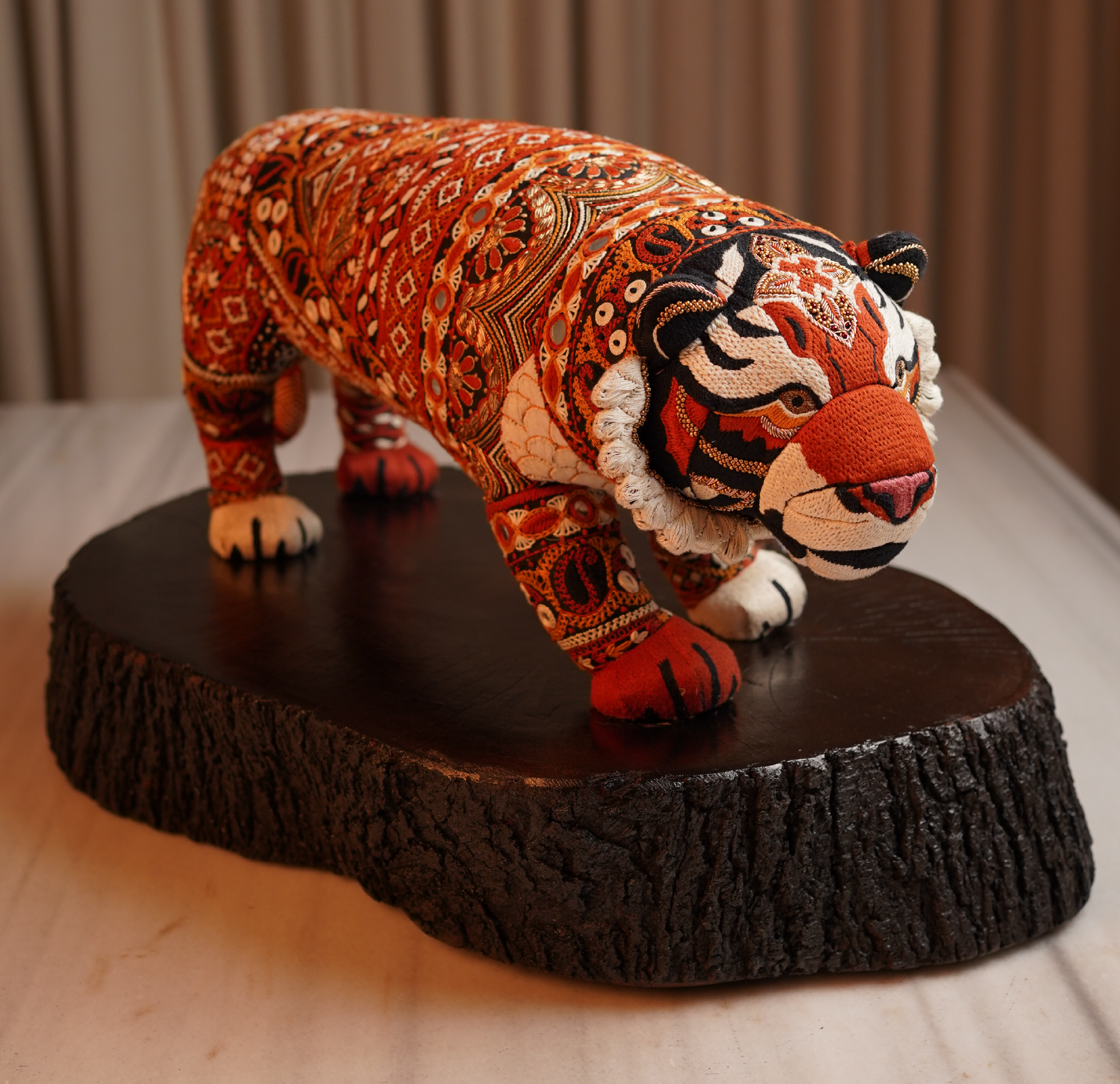
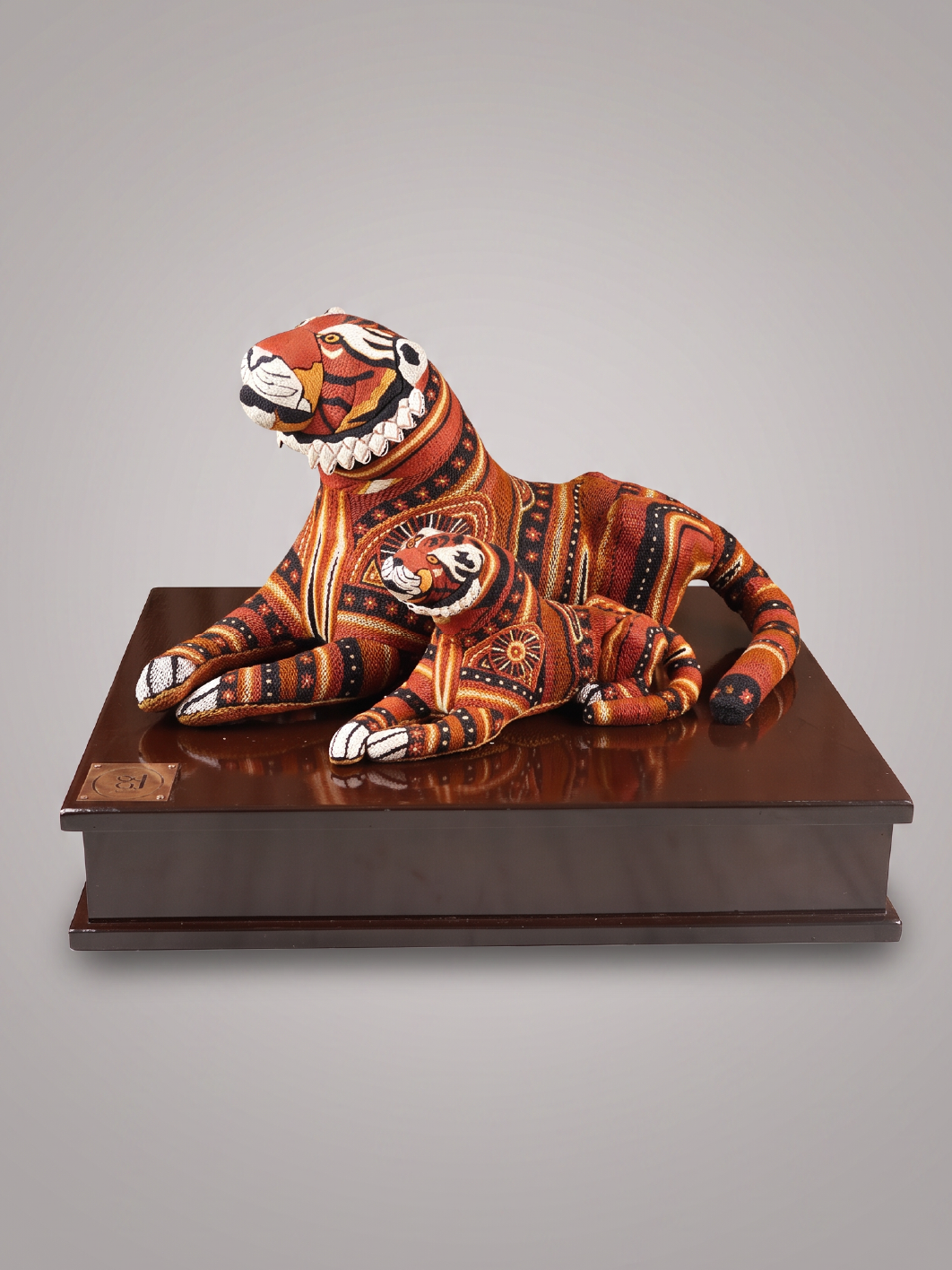
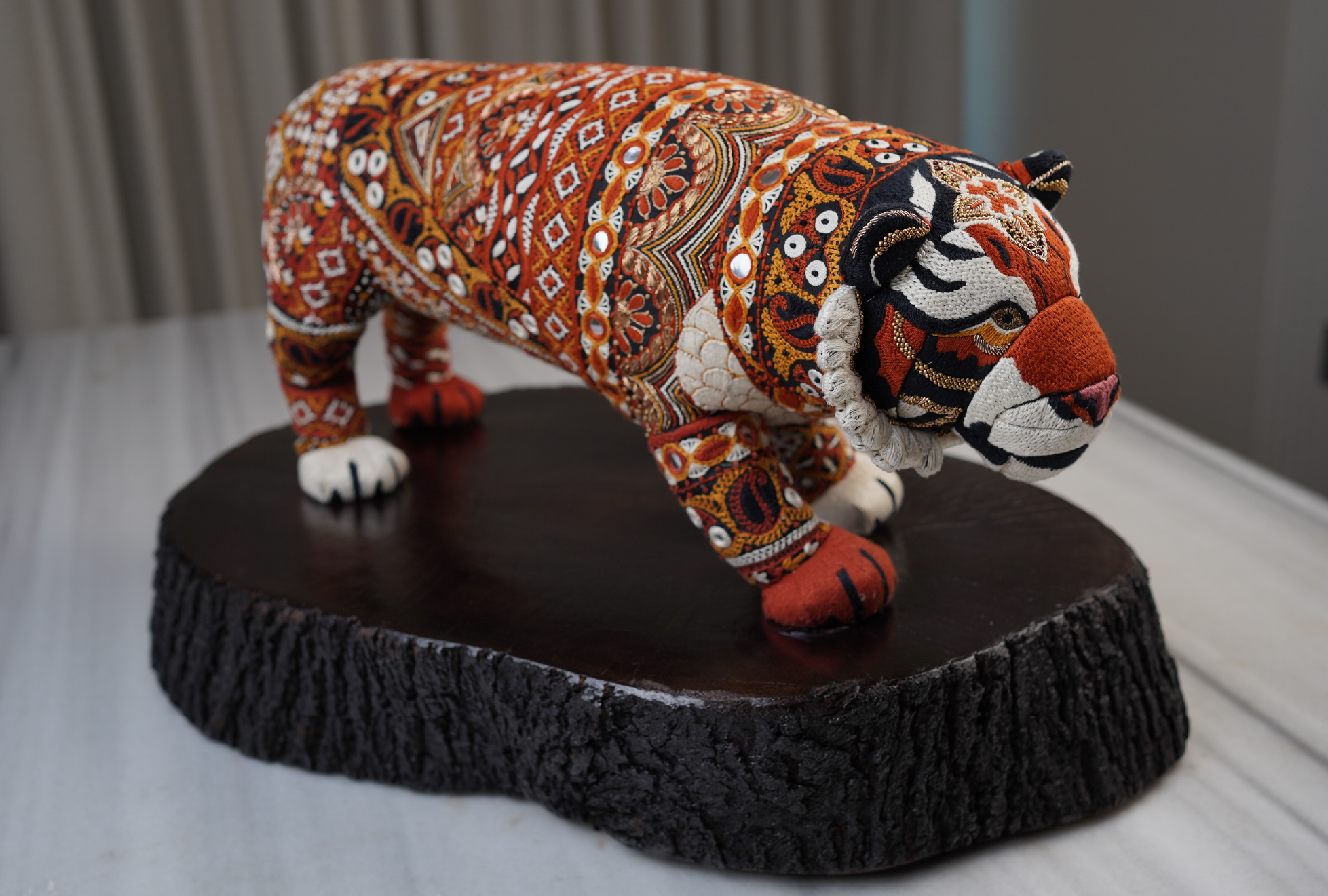
In the 1950s, India was home to around 40,000 wild tigers; by 1972, hunting and habitat loss had reduced that number to an alarming 1,800—a collapse steep enough to push the species onto the country’s endangered lists, and in 1973, elevating it to the status of ‘National Animal’ under Project Tiger. It is this animal—half mythic, half cautionary—that anchors the debut collection of The Vault by Culture Collect, a new house of craft-led collectibles.
But The Vault is not simply about the animals, or conservation, or craft. Founded by 27-year-old Karan Sancheti, The Vault addresses a more fundamental gap: that India, despite its rich material history, has almost nothing to show for it in the one currency both the global West and East trades fluently in: collectible characters.
Building The Vault
The idea for The Vault had been circling Karan since childhood. He had watched a generation of Indian children grow up fluent in Peppa Pig, Naruto and the whole Disney canons, with nothing local to place besides these imported icons on a shelf. Meanwhile, Indian adults reached for religious figurines to display. In the East, Japan and Korea had seemingly exported themselves as is, unapologetically, without pre-translating their culture for outside consumption.
But India, he felt, kept offering its past—temples, textiles, history—while never quite building instantly recognisable yet contemporary figures that one would want to display in their homes. The idea for The Vault thus emerged: to create collectible Indian characters grounded in India’s tangible, material culture.
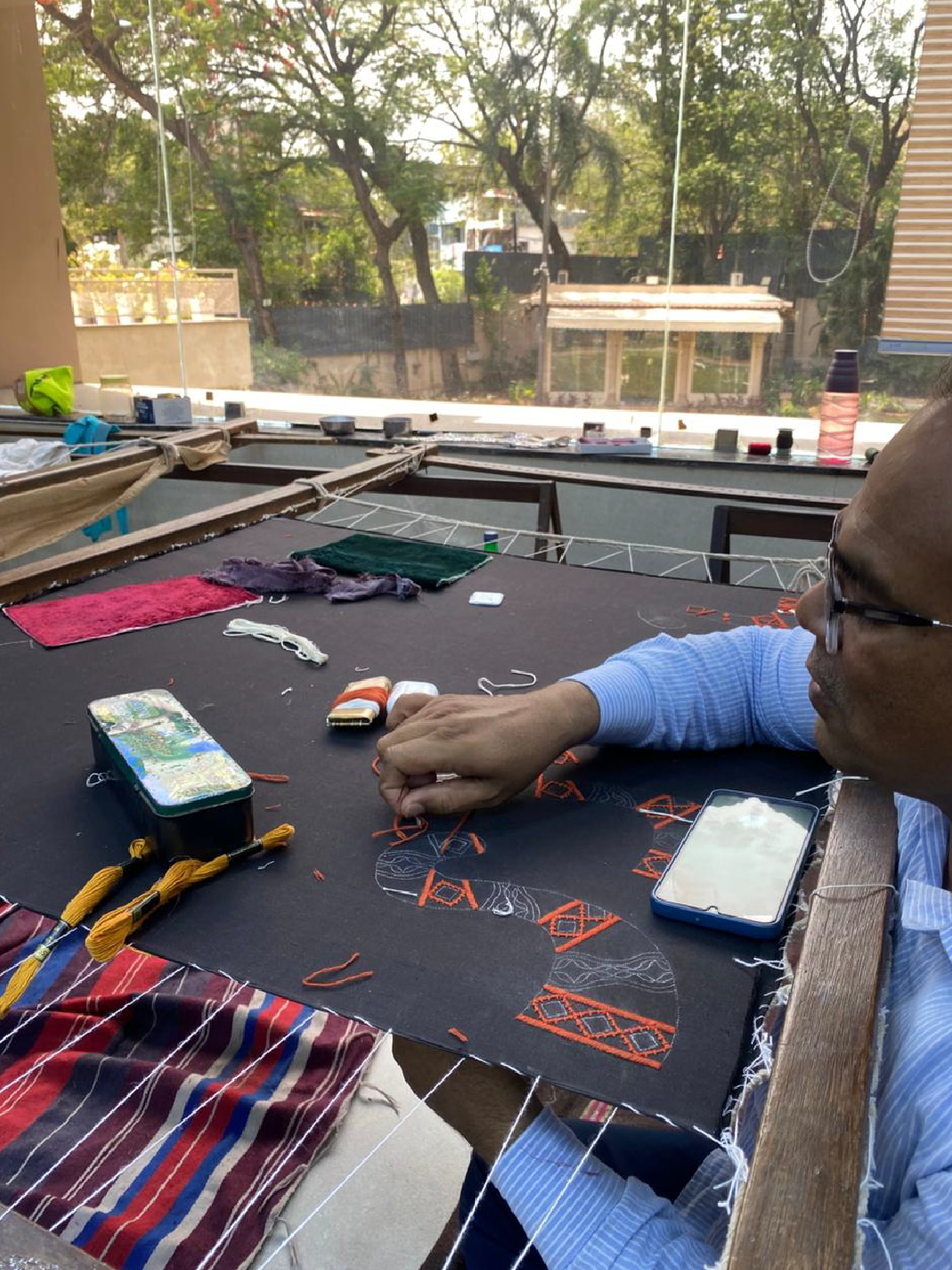
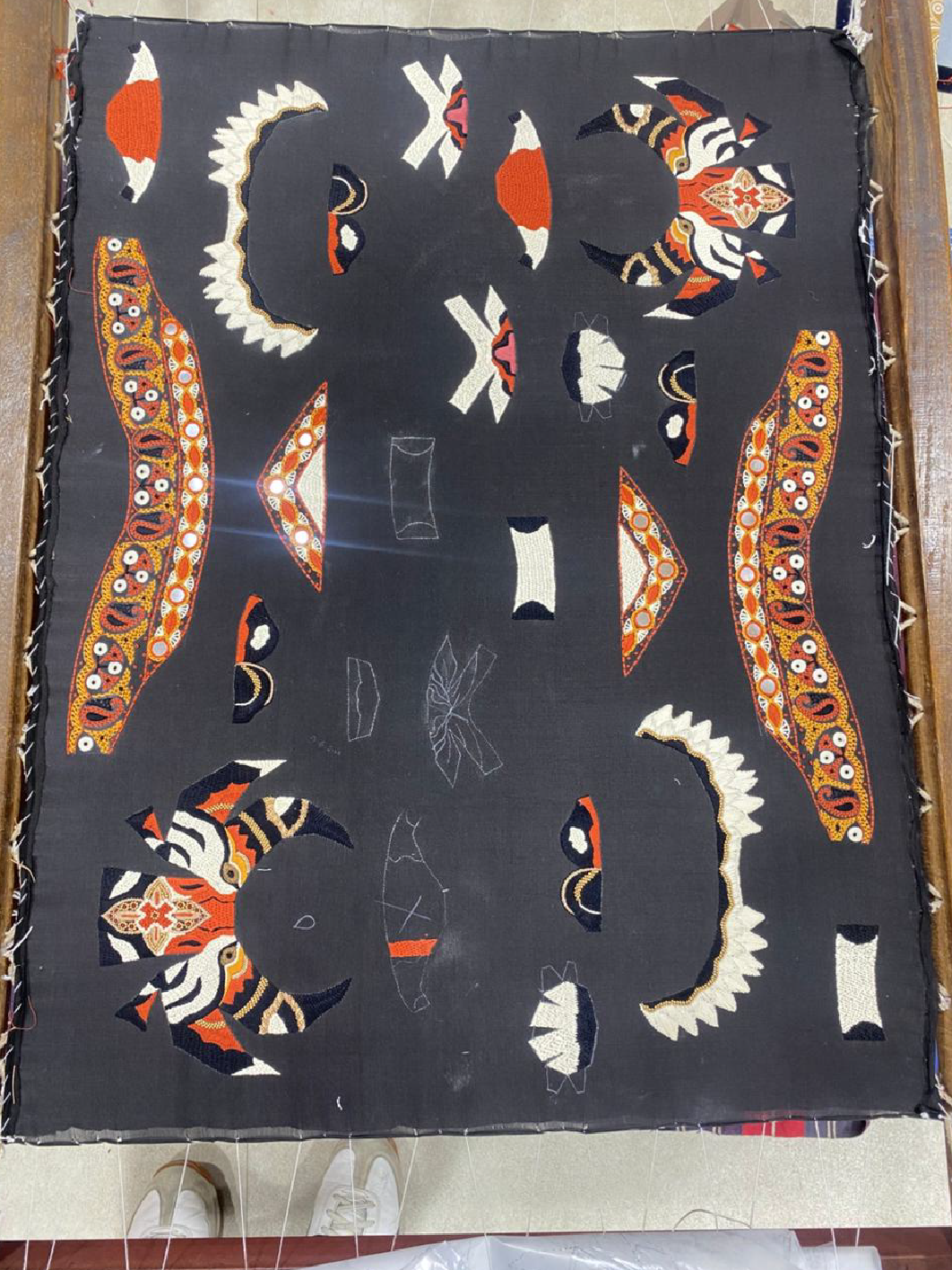
Informed by his time spent working with his mother, fashion designer Shruti Sancheti, textiles became the medium through which the first collection would materialise. Inside a Nagpur studio, resident artisans, already fluent in handloom and craft through Shruti Sancheti’s work, who had spent decades translating regional technique into contemporary form were brought on board. Textile was also chosen for its ability to invite touch, breaking the instinct of a collectible as an untouchable object behind glass.
Animals, Karan reasons, are already how people relate to objects—a toy for a child, a household totem for an adult. The tiger specifically was personal: he grew up in Nagpur, ground zero for roughly half the world's tiger population, going on safaris as a kid. To ground each character beyond aesthetics, Karan brought on Srihari, an archaeologist with a parallel practice as a visual artist, to research the history, symbolism, and ecological standing behind every animal.
The Vault now splits into two channels: Culture Collect, a non-commercial arm surfacing overlooked fragments of Indian history, trade and ecology; and The Vault by Culture Collect, where those fragments are given form, character and a comic-book origin story apiece.
Craft as conservation
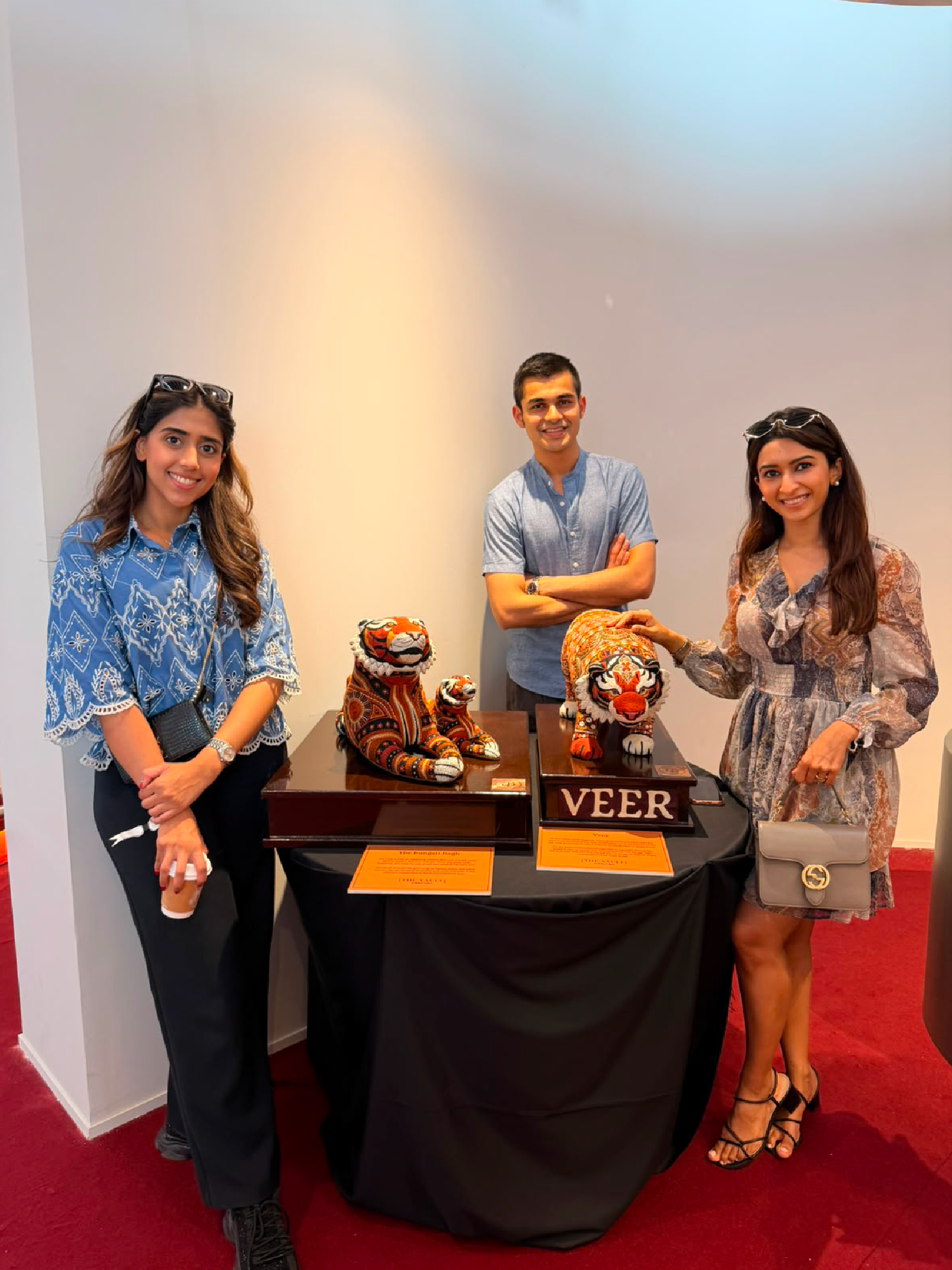
"Story first, product next" is how Karan describes the studio's operating principle. Veer, the collection’s marquee character, is built from nine regional Indian craft traditions worked into a single tiger. The face carries the tight, looping depth of Andhra Pradesh’s ari work; a crown of Kashmiri stitch descends through the dome and belly; mirrorwork scattered across its chest catches light, chikankari and zardozi sit close together for their richness, and a spine of Bengal kantha runs down its back—a double tribute as the tiger is a Bengal subspecies and kantha is native to Karan’s mother’s Calcutta. The tail features Punjab’s phulkari and the toda embroidery of the Nilgiri hills. Twelve artisans assembled this single animal, with stitches taken from Kashmir to Kanyakumari.
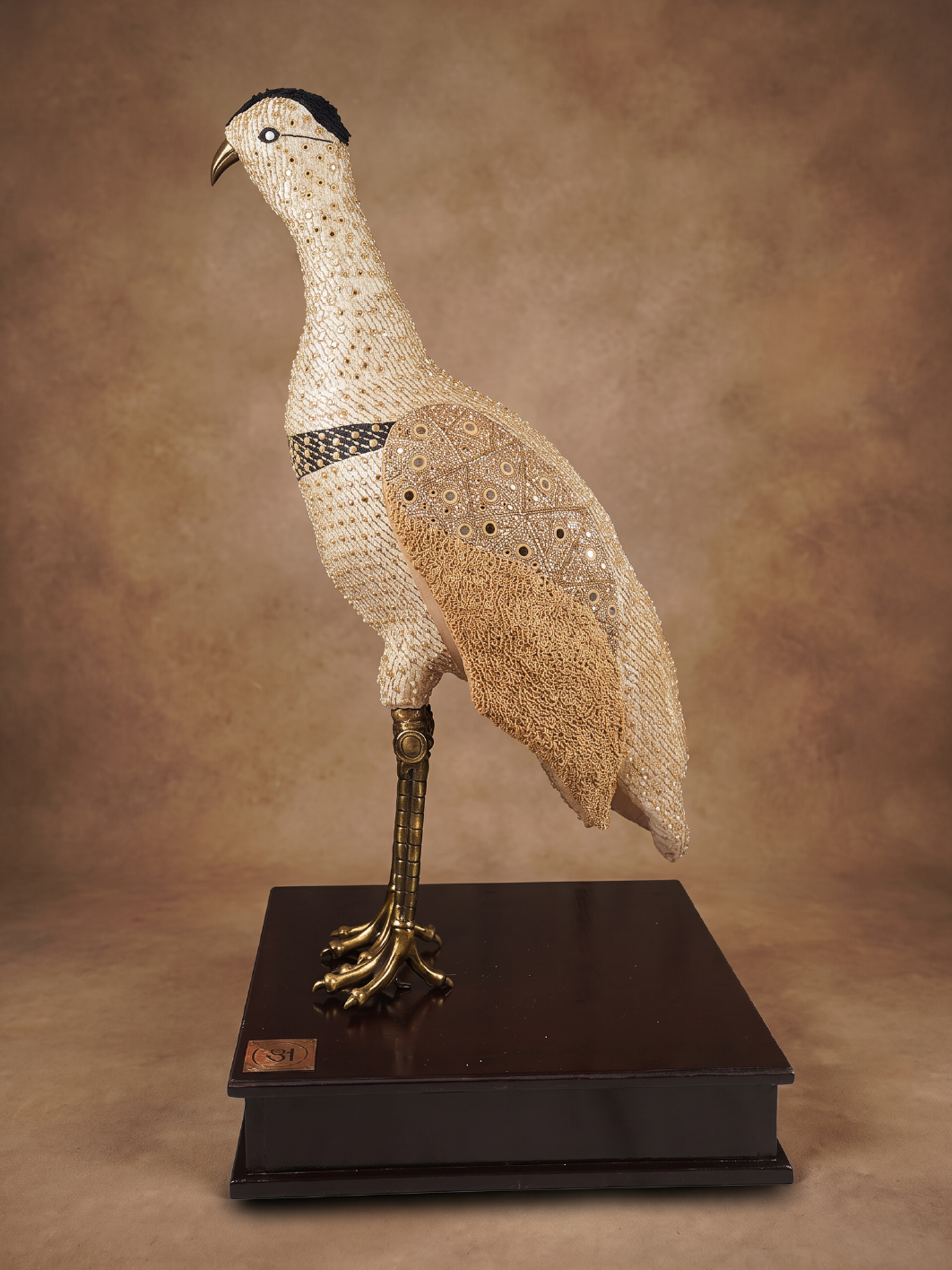
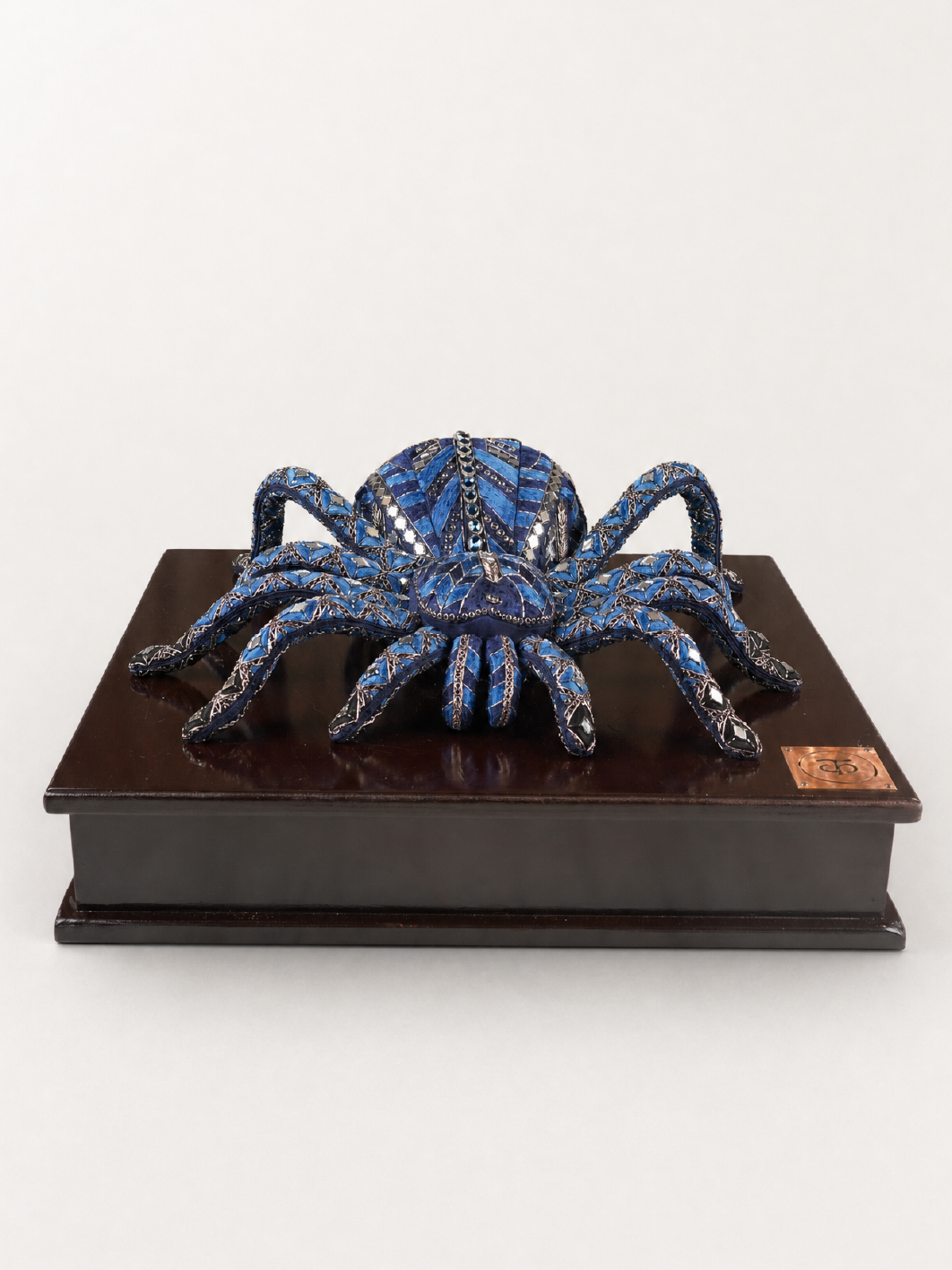
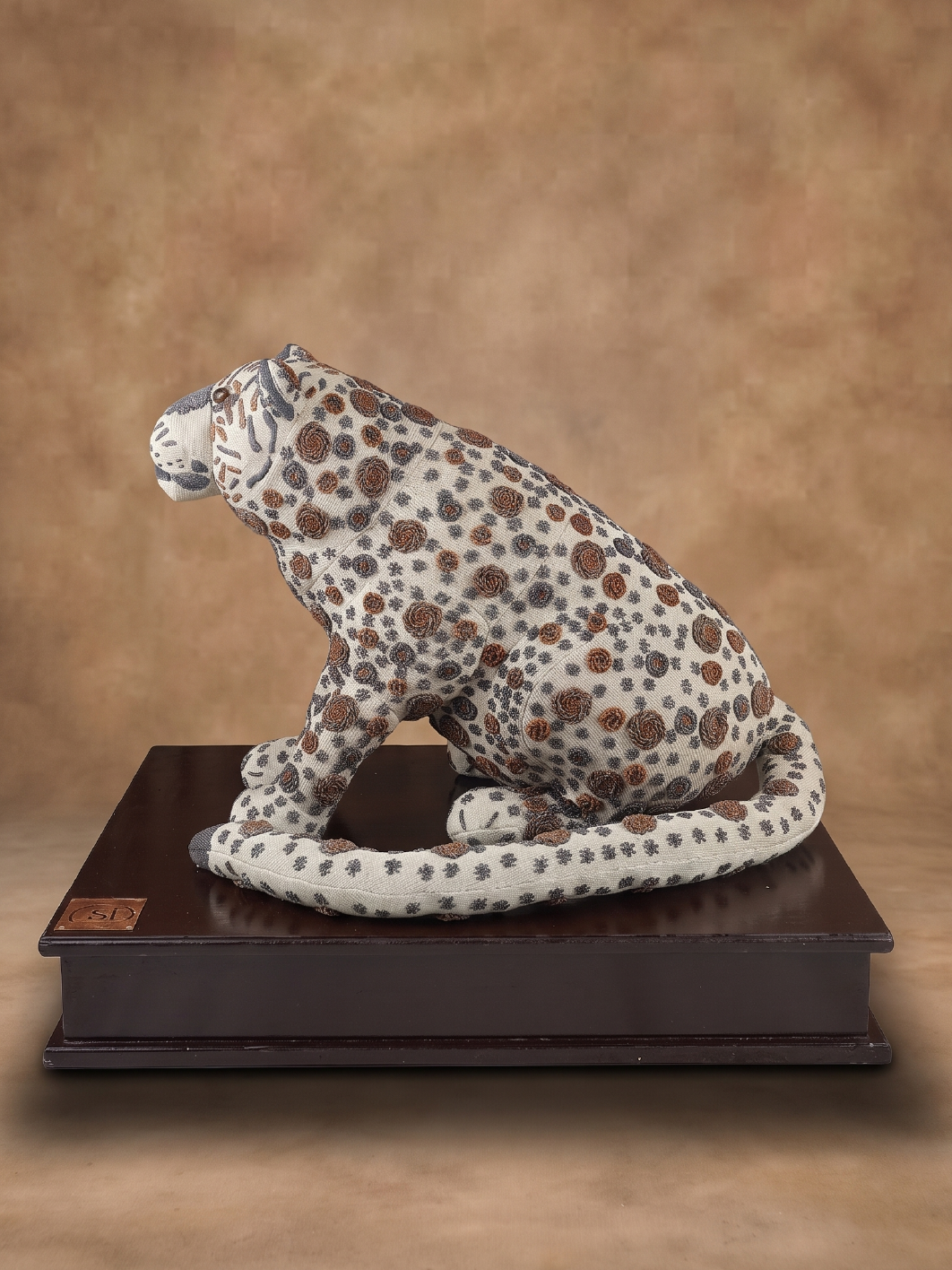
The rest of the Living Alive collection extends this premise across other species under ecological pressure: a snow leopard from Ladakh; a peacock tarantula found only near Gooty and long feared extinct; the Great Indian Bustard, which now numbers in only hundreds across the Thar. Twenty percent of the proceeds from each piece is earmarked towards conservation causes tied to its species—for example, Project Tiger-affiliated bodies for Veer, protection groups in Gujarat and Rajasthan for the bustard. Only Veer has been released so far—limited edition at only 50 pieces with customisations available. Each collectible ships with its own comic—an origin story for a character meant to function like a mascot in the making.
Collecting India back
It would be easy to read Veer as a conservation object dressed in craft heritage—a plush, expensive gesture toward an endangered species, but that’s not quite correct. Veer is the first character in something larger Karan is building: a slate of distinctly Indian collectible IPs, story-driven the way a Pixar film is story-driven, except drawn entirely from India's own material culture.
The Vault’s next range of collectibles could be about old Indian ships and locomotives and it may abandon textiles altogether in favour of materials better suited to narrating the story of these machines. What holds constant across these various themes is the vision: to build a rotating, medium-agnostic index of India’s cultural memory, using collectibles as a way to let people encounter India through its material culture.
Five years from now, Karan pictures a storefront beyond India’s borders, New York by preference, where a diaspora several generations removed from India’s cultural minutiae can interface with and ‘collect’ a version of Indian culture that is slowly vanishing.