In the sepia-toned years of Poona Cantonment, this part of Camp moved to the rhythms of conversations between intellectuals and artists gathering over creativity and philosophy. Around them stood the cosmopolitan communities and their architectural and cultural contributions — Parsis, Jews, Anglo-Indians, and Goan Catholics — traces of which continue to shape the neighbourhood even today. Kayani Bakery, Marz-O-Rin, and East Street remain part of this larger cultural fabric, now folded into the heritage walks one might take while staying at Wellesley.
Wellesley, a small hotel with a long legacy, is owned and managed by Roshan Talera. The property began in the 1930s as a single-building hotel run by the British, changing several hands before reaching Roshan’s grandfather Kanhaiyalal Talera, who rechristened it Hotel Shalimar. Cut to 2026, Roshan now runs it on contemporary terms.
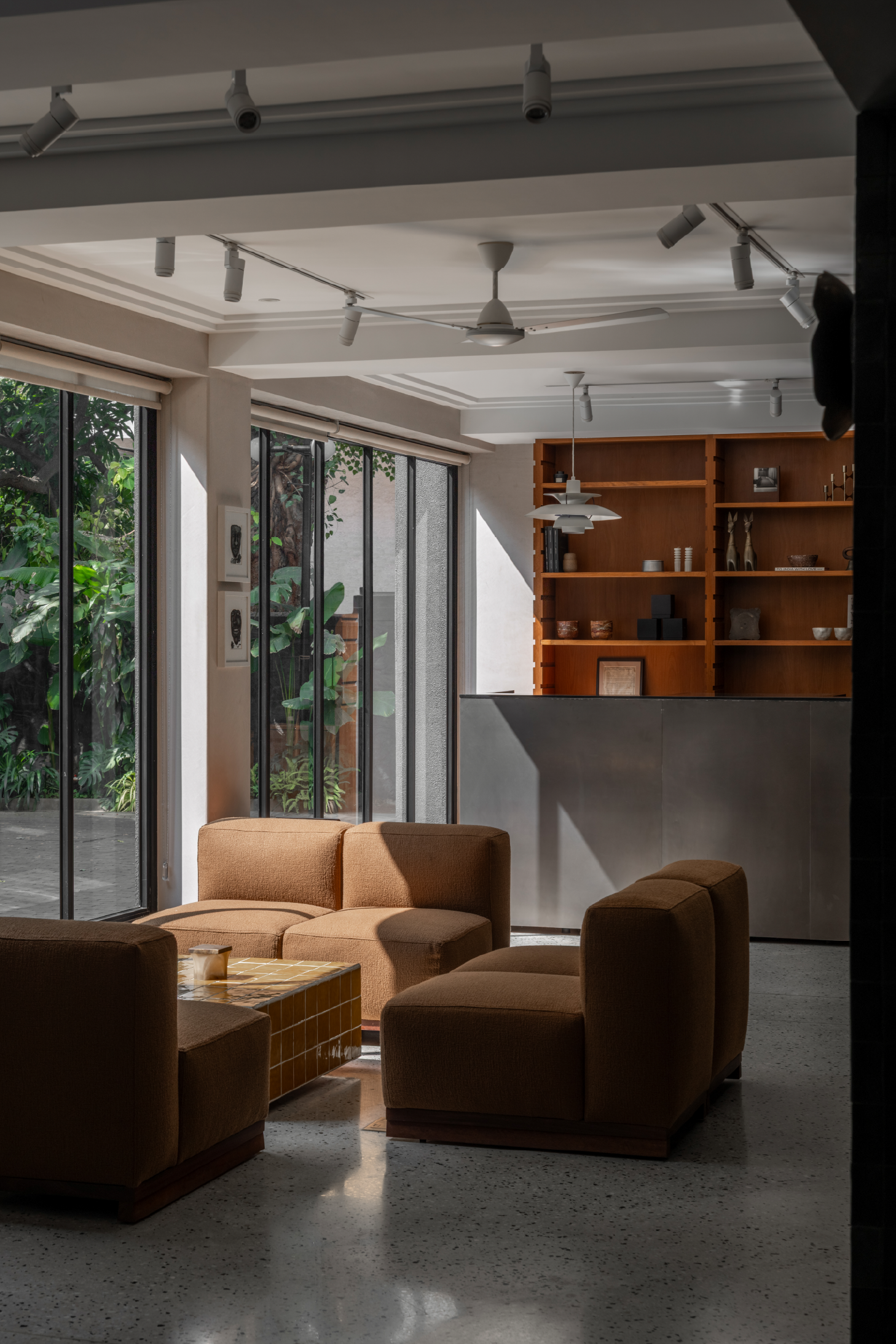
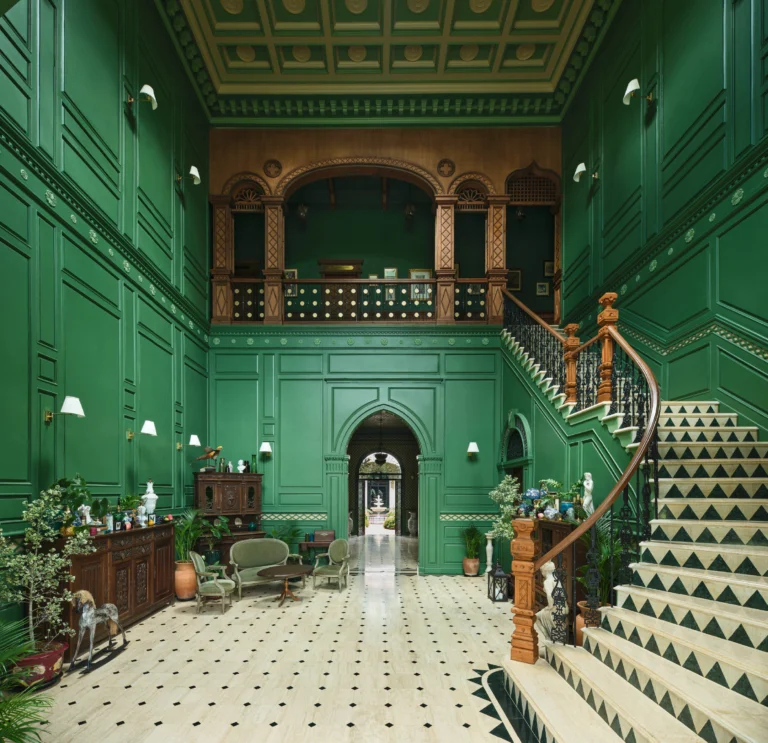
Before taking over and rechristening it to Wellesley for better resonance to its proud past, Roshan hosted the Artel artist residencies initiated by TIFA Working Studios at the same site between 2014 and 2019 — an interest and sensibility that is continued into the new establishment as well. Conceptualised architecturally by Headlight Design, and detailed by architect Atul Kulkarni, the 10,740 sq ft, 24-key hotel occupies two buildings from different eras — a late 1930s Art Deco structure and a 1964 modernist extension.
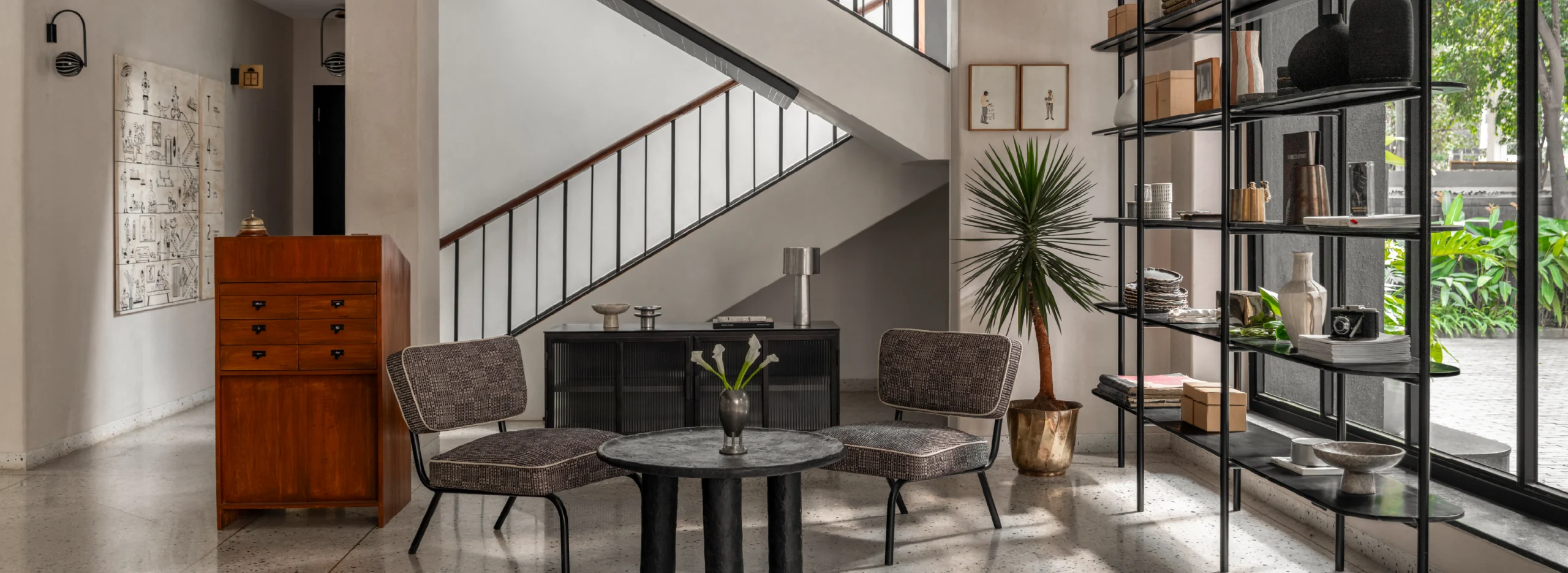
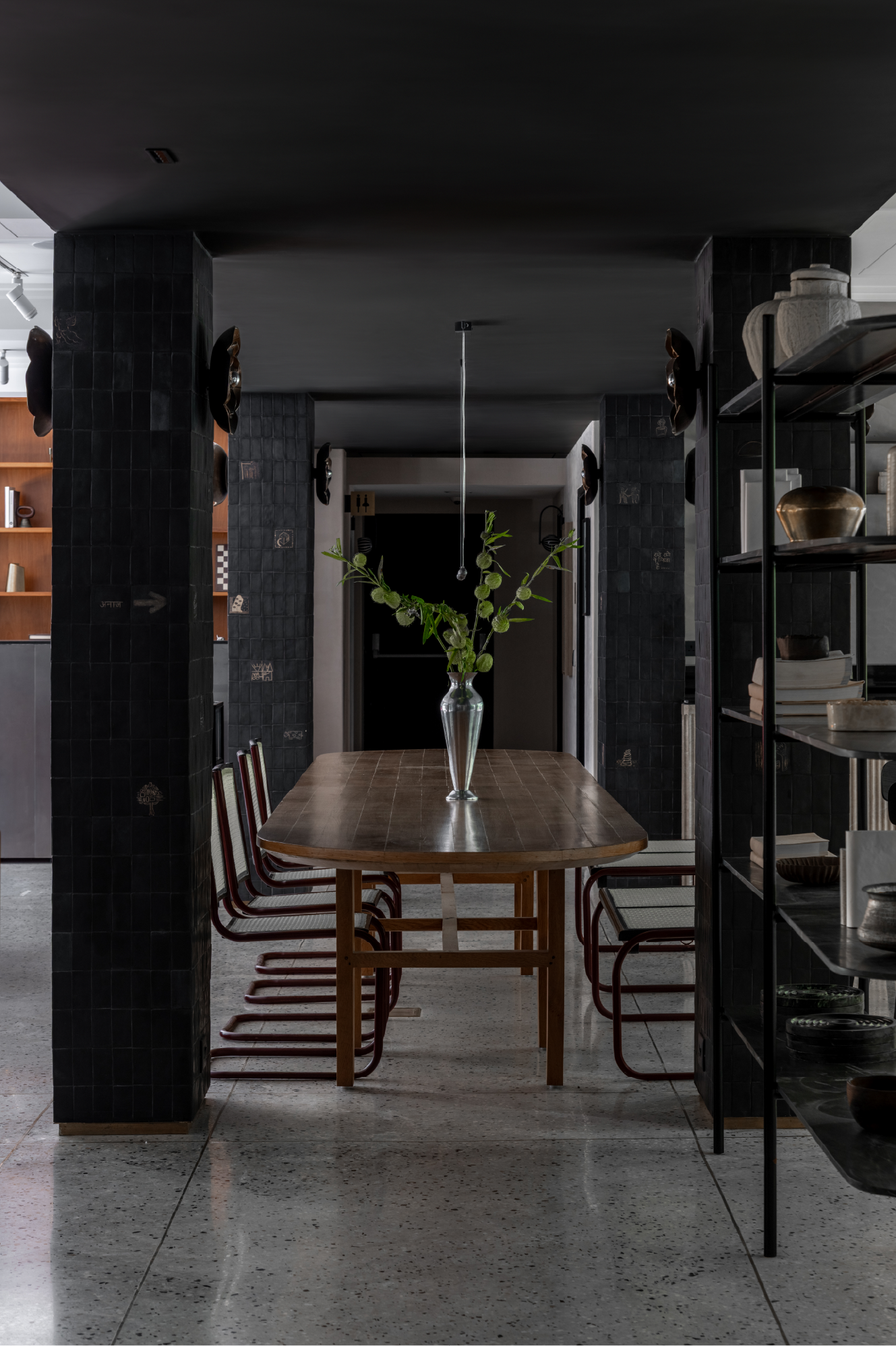
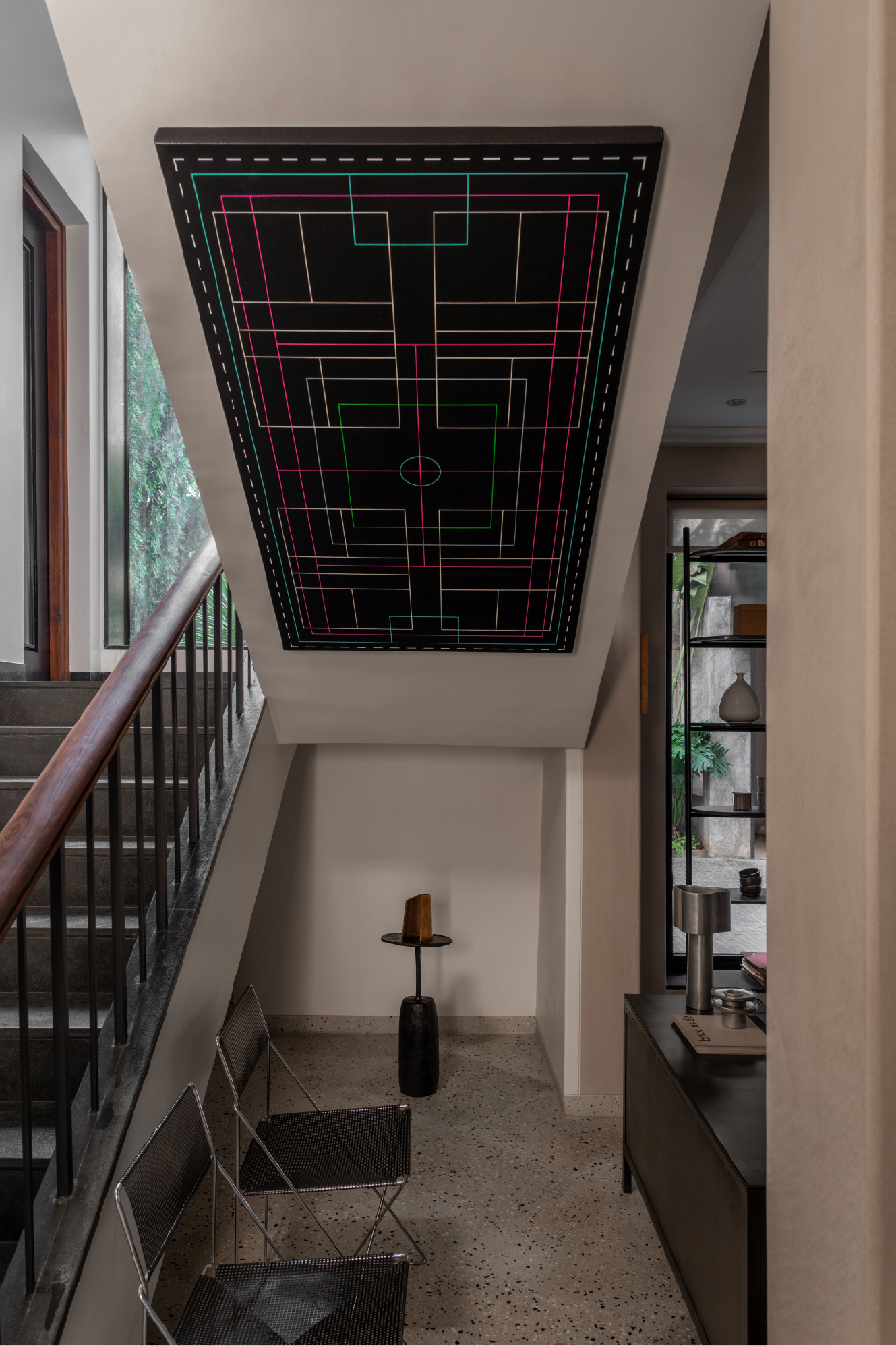
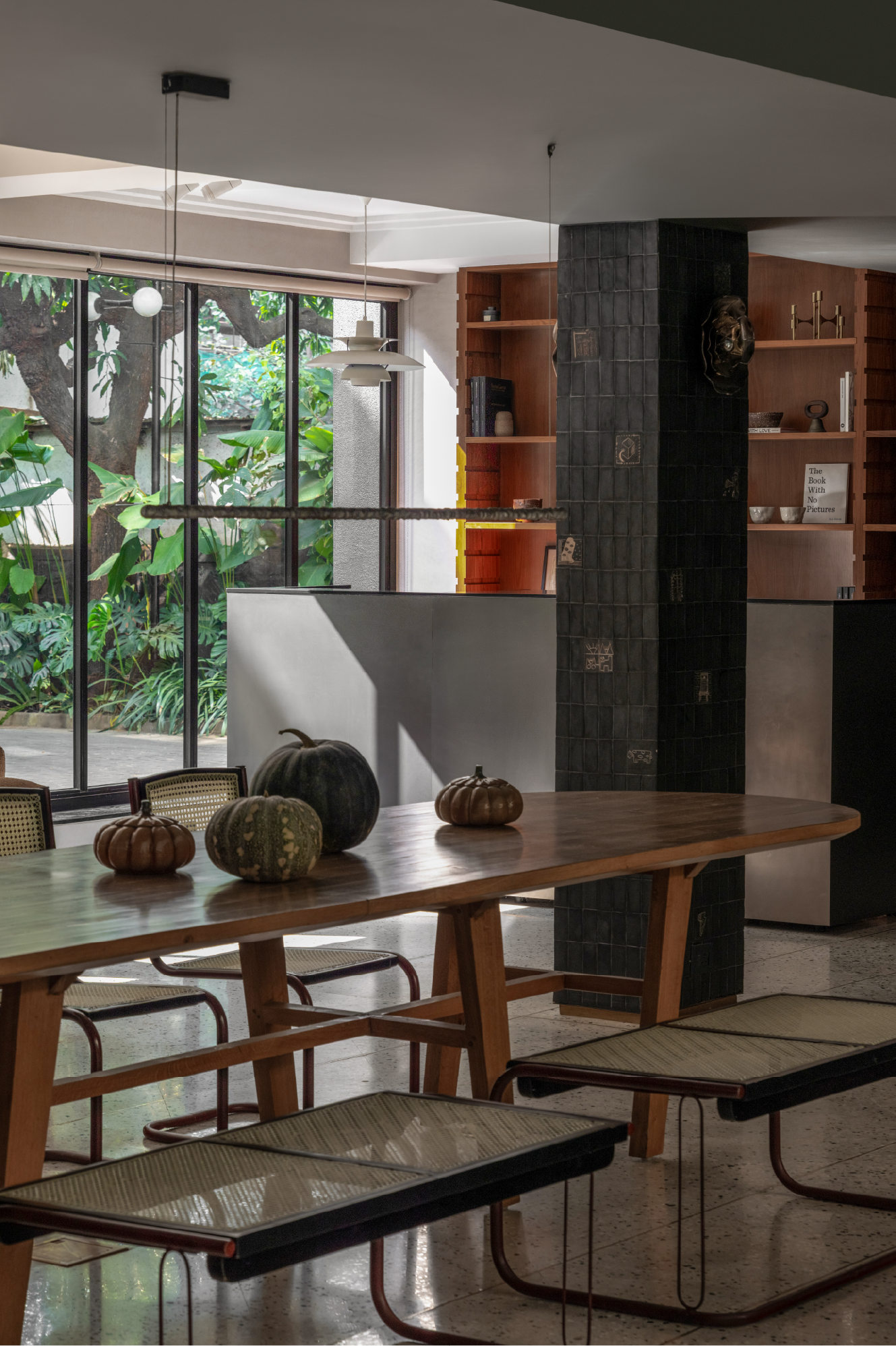
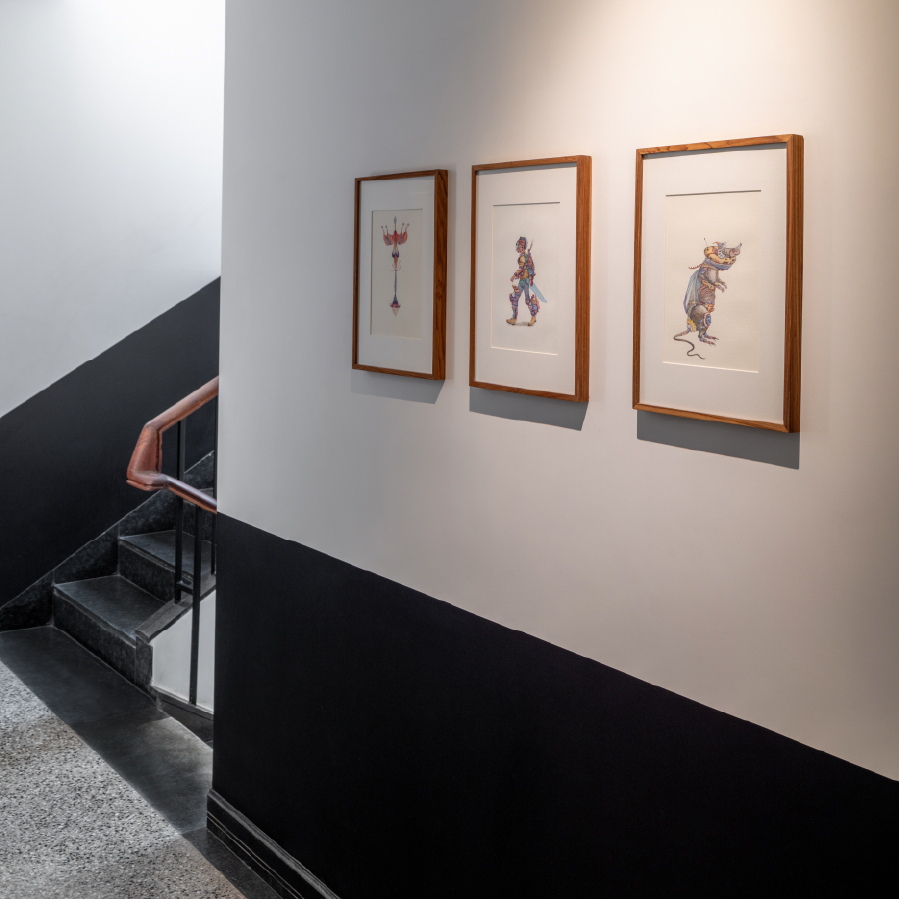
Across the lobby, black glazed zellige tiles recall Pune’s natural relationship with black basalt and cover the columns, etched with drawings and inscriptions by artists, collaborators, friends, kitchen staff, bellboys, vendors, and Talera himself. Near the staircase, a small design store offers an edit of essentials, unexpected finds, and objects that reflect the spirit of travel. Going up, the corridors on each of the four floors are dotted with works produced by artists who were once in residence here: Arvind Sundar, Yogesh Ramkrishna, Madhu Das, Biplab Sarkar, Mansha Chhatwal, Digbijayee Khatua, and Visakh Menon. Some artworks enter the rooms too, alongside works collected by Talera from festivals and biennales around the world.
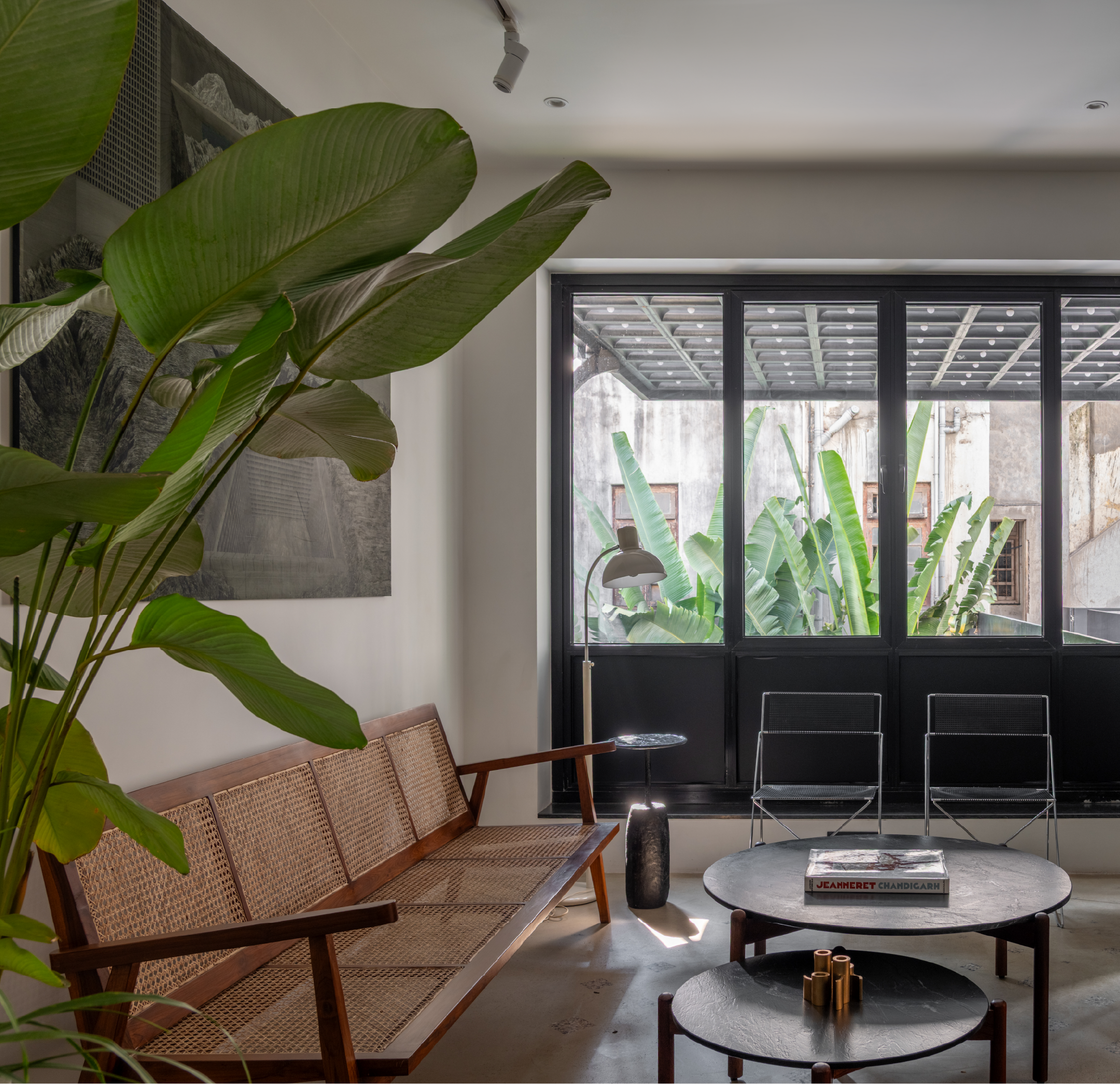
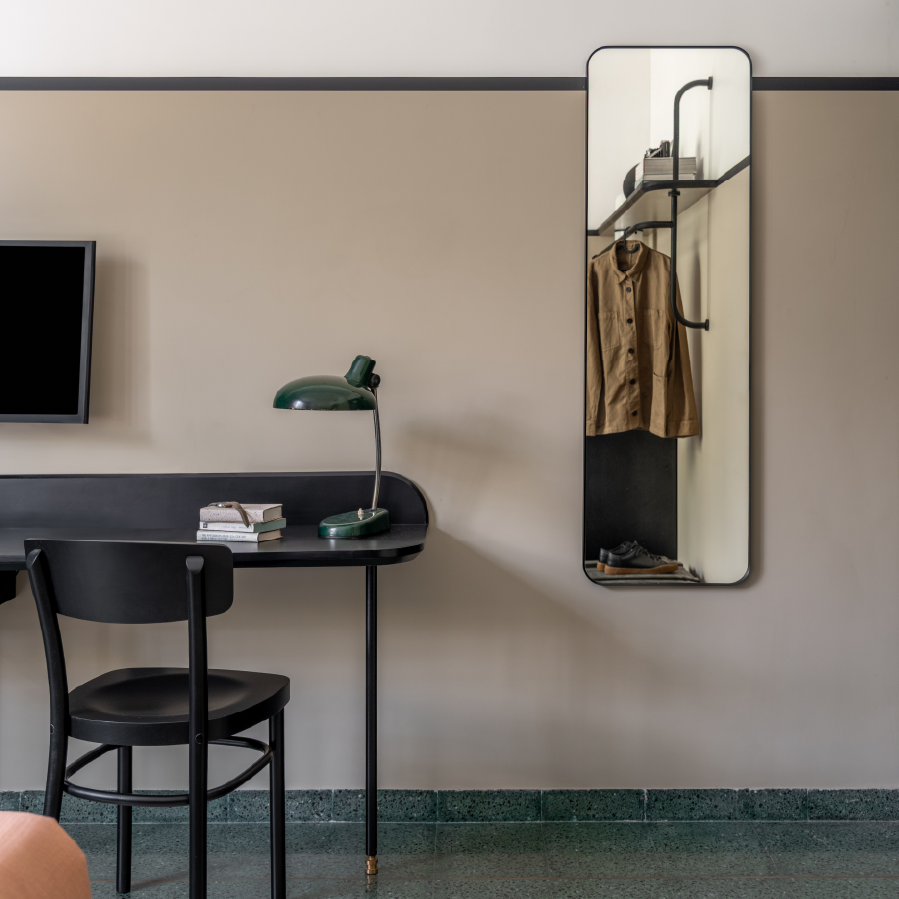
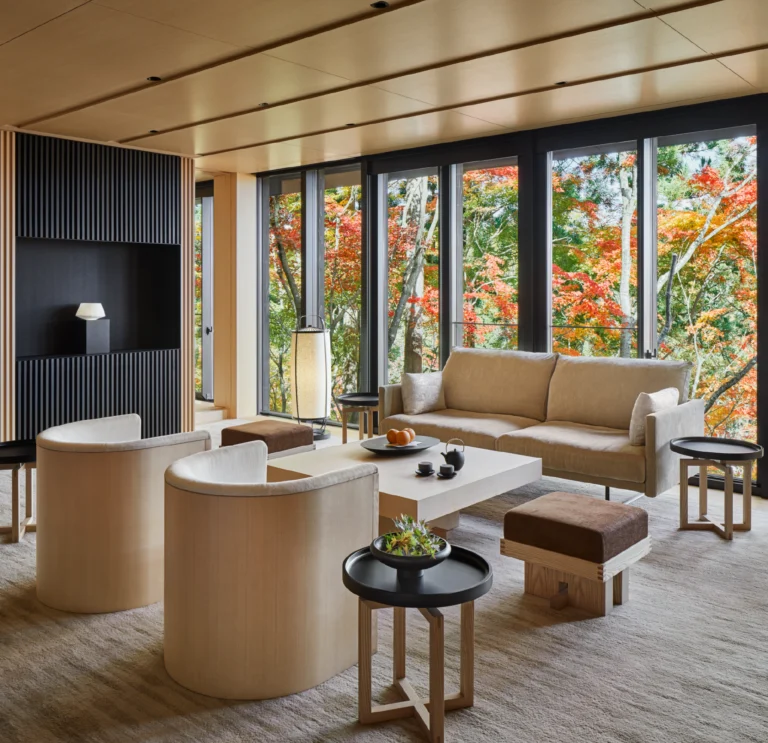
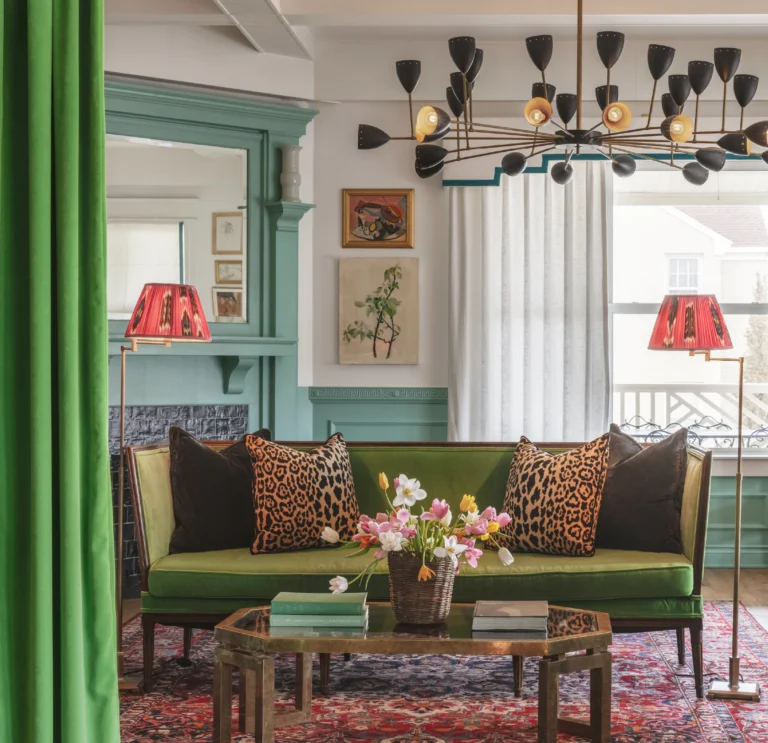
The interiors of the 16 Classic Rooms, done by Studio Cavansight, retain traces of the building’s earlier life as a lodge while quietly extending the hotel’s larger artistic language. Hand painted mugs commissioned from a local potter in Pune, patchwork bedspreads quilted using kantha work by Ka-Sha, terrazzo flooring, old-fashioned storage trunks, and windows overlooking trees lend the rooms an understated material warmth. Among the Signature Suites is the all-white Blind Single, experimental in itself to live in, alongside The Manor Single, centred around a private library with a leather armchair and a four-poster bed salvaged from the original hotel. Then there is room 420, transformed by artist Yasho as the first residency following the hotel’s reopening. Using a padel racket and paint-soaked tennis balls, he created large canvases through impact and rebound, while the walls themselves absorbed part of the process, carrying scattered marks left behind by the collisions.
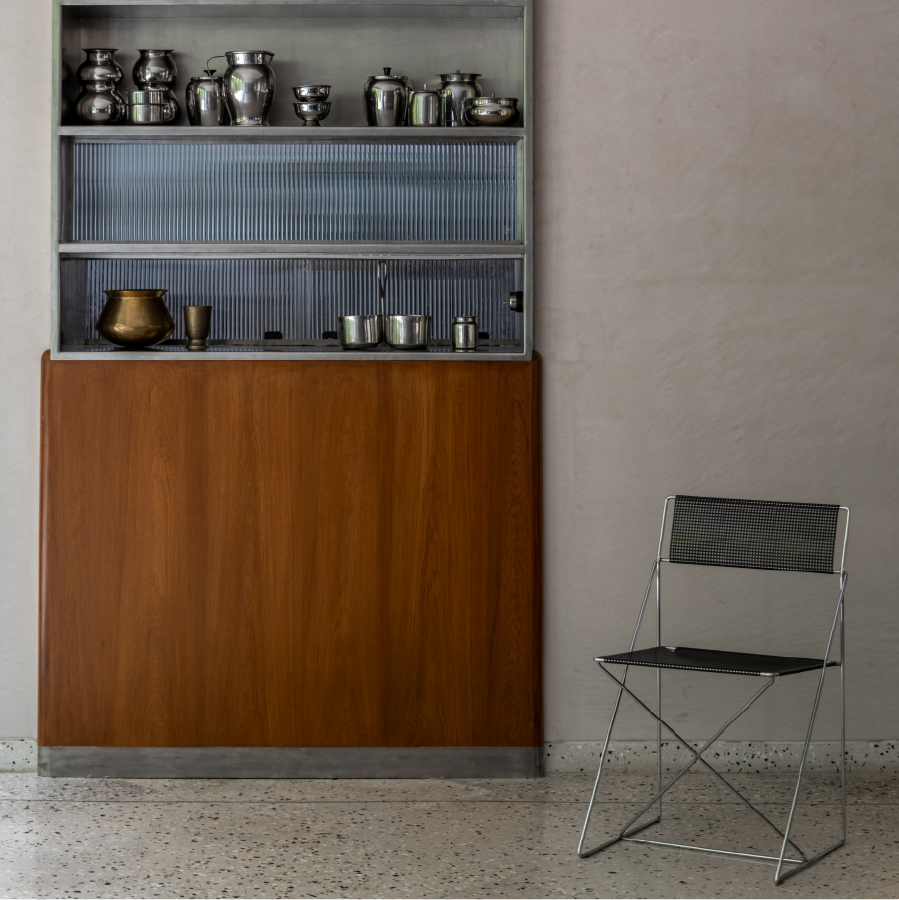
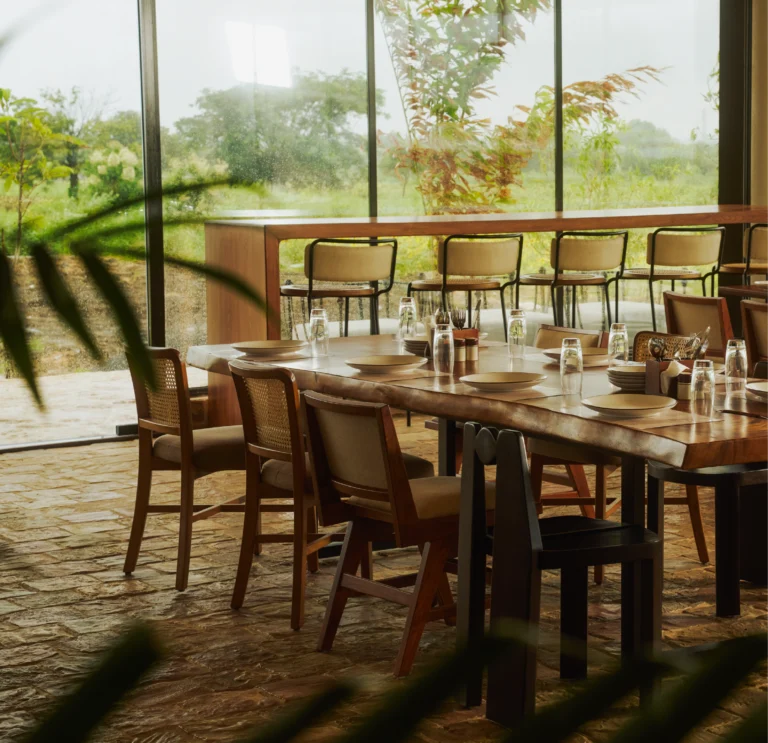
Downstairs, the in-house Anaaj Bistro helmed by chefs Aditya Rai and Advaith Inamke continues the hotel’s shared and participatory ethos. A sculptural installation of stainless steel utensils inherited from previous generations of the family sits beside a long community table where guests, residents, artists, and practitioners often gather into conversation. Beyond the rooms, the hotel regularly hosts workshops and sessions within its common areas, open to both residents and visitors alike, allowing artistic practice to spill beyond studio spaces and into the rhythms of everyday life.
Artists here are invited not into a neutral white cube, but into a functioning hotel environment where everyday life unfolds just as is. At Wellesley, art is not separated from hospitality but embedded within.