In 1956, a father gifted his 16-year-old son two antique silver hookah mouthpieces on his birthday. Easy to overlook when you are that young, the pieces piqued the teenager’s curiosity. As an adult, he went on to become a gemologist and founded Gem Plaza in Jaipur. But his trained eye wasn’t simply reserved for gems and stones, of which he was a true master; it extended way beyond into the worlds of art, poetry and philosophy. For 50 years, he collected not by any particular category or order, but purely out of curiosity: miniature paintings, embroidered clothes, jewellery, metalwork, watches, things made for temples and courts, and things made for everyday use. And that deep fascination resulted in a private collection that is now on display at GYAN, an appointment-only museum in Sitapura — an industrial area on the southern edge of Jaipur, Rajasthan, home to the gems and jewellery workshops of the biggest Indian jewellery brands.
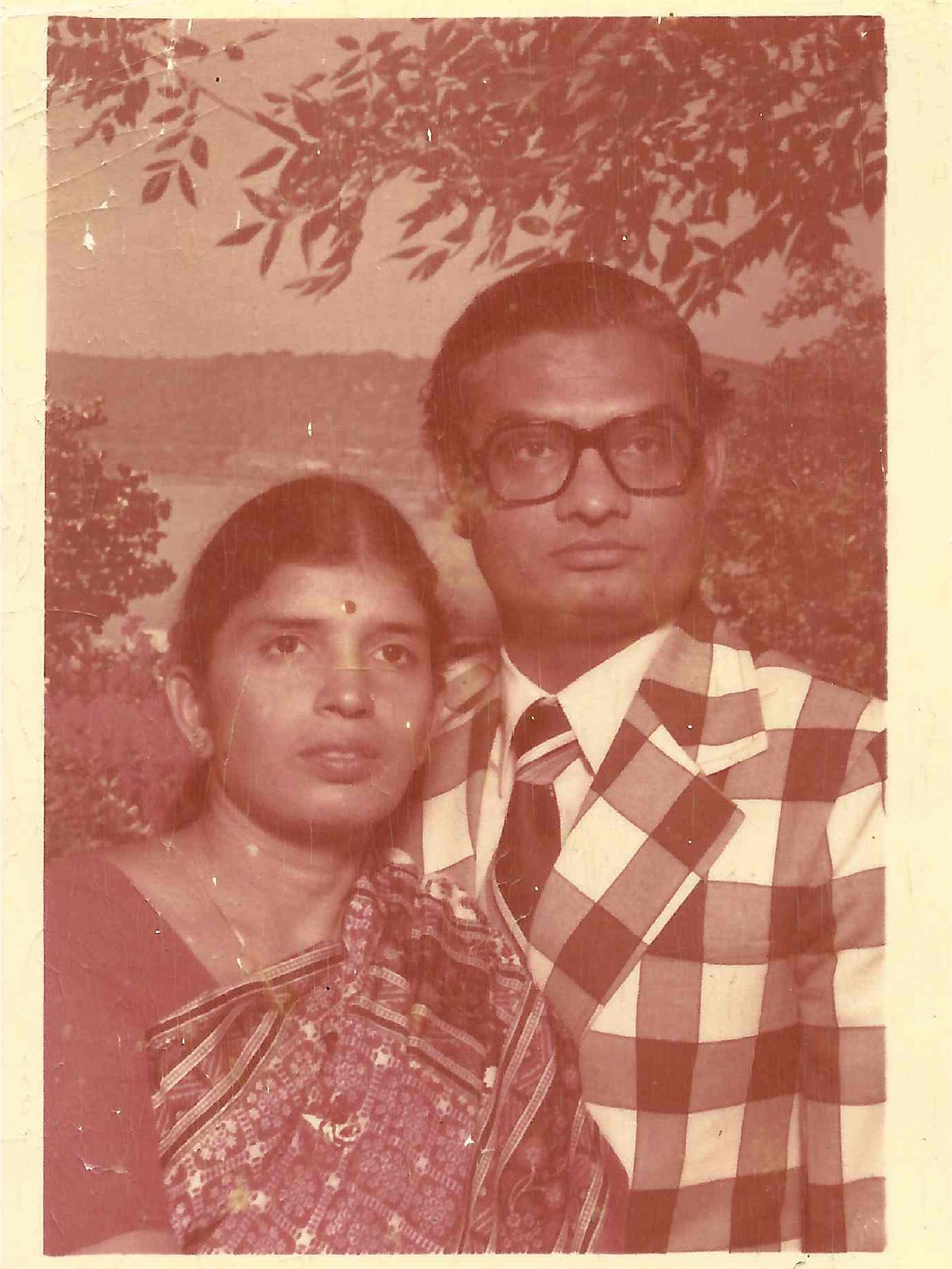
That boy was Gyan Chand Dhaddha, and when he died in 2004, in addition to the family gemstone business, he left his sons — Suresh and Arun — more than 2,500 objects and no instructions. These were rare textiles wrapped in muslin, paintings between sheets of butter paper, antiques, furniture, jewels, curios and more collected over years of travel; all conserved for decades without any documentation.
In 2009, the sons and grandsons began opening the trunks and learning about the collection they had grown up around, inquisitive about how far it went. Up until then, some marquee pieces were reserved for family members’ eyes only and shown to curious guests occasionally. They put together a team of professionals to understand, rather discover, it better. Over 11 years, the team examined, recorded, and researched every object. The foundational records were established by Pramod KG, an Indian museologist, cultural historian and co-founder of Eka Archiving Services. Later, the Mahira Foundation, a Delhi-NCR-based consultancy and community organisation that specialises in helping museums, archives and cultural institutions, delved deeper and came up with more comprehensive documentation and cataloguing. The collection documents 3,000 years of artistic history, stretching to over 10 centuries, and across 18 countries, among them India, China, Persia, France, and more.
Some pieces, especially textiles and paintings, needed more attention than others, and conservator Smitha Singh took charge. Jewellery was treated and restored by the Dhaddha family in-house, and other pieces were restored by Pankaj Singh, a Jaipur-based traditional miniature artist and royal painting restorer. Conservators worked through two rounds of restoration.
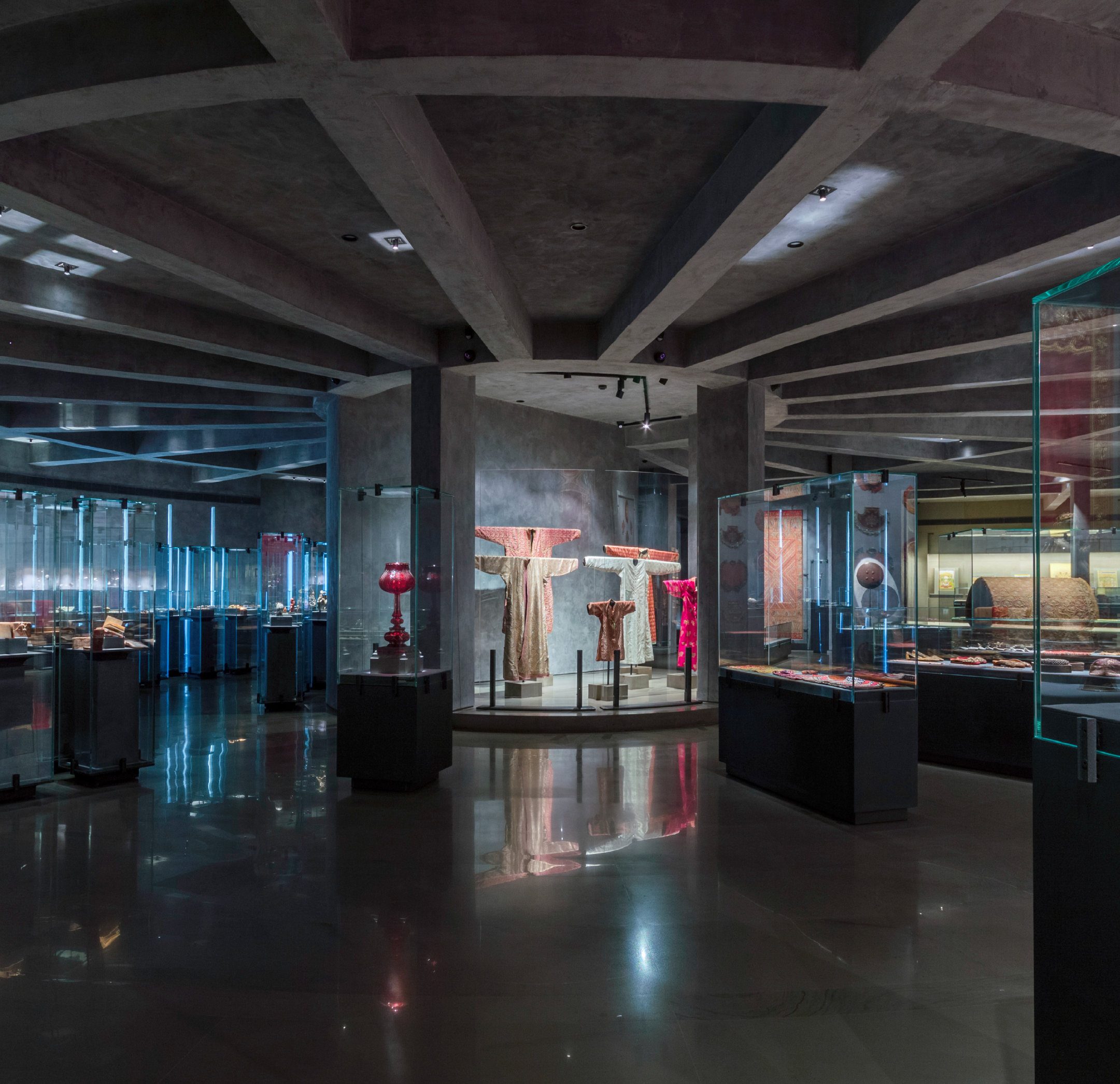
Once the collection was canvassed, the Dhaddhas brought French-born designer and architect Paul Mathieu on board to help design the curatorial and spatial layout of the museum, housed in the same building where their eponymous jewellery business’s workshop is. Known for his harmonious balance of movement, form, materiality and poetic elegance, Paul was given carte blanche by the family. He pondered what kind of experience could reveal the full beauty, richness and humanity of this remarkable collection. The answer he came up with was that of it being an “écrin, a jewel box designed not to impress for its own sake, but to reveal the extraordinary beauty and cultural richness of the treasures it protects,” he notes.
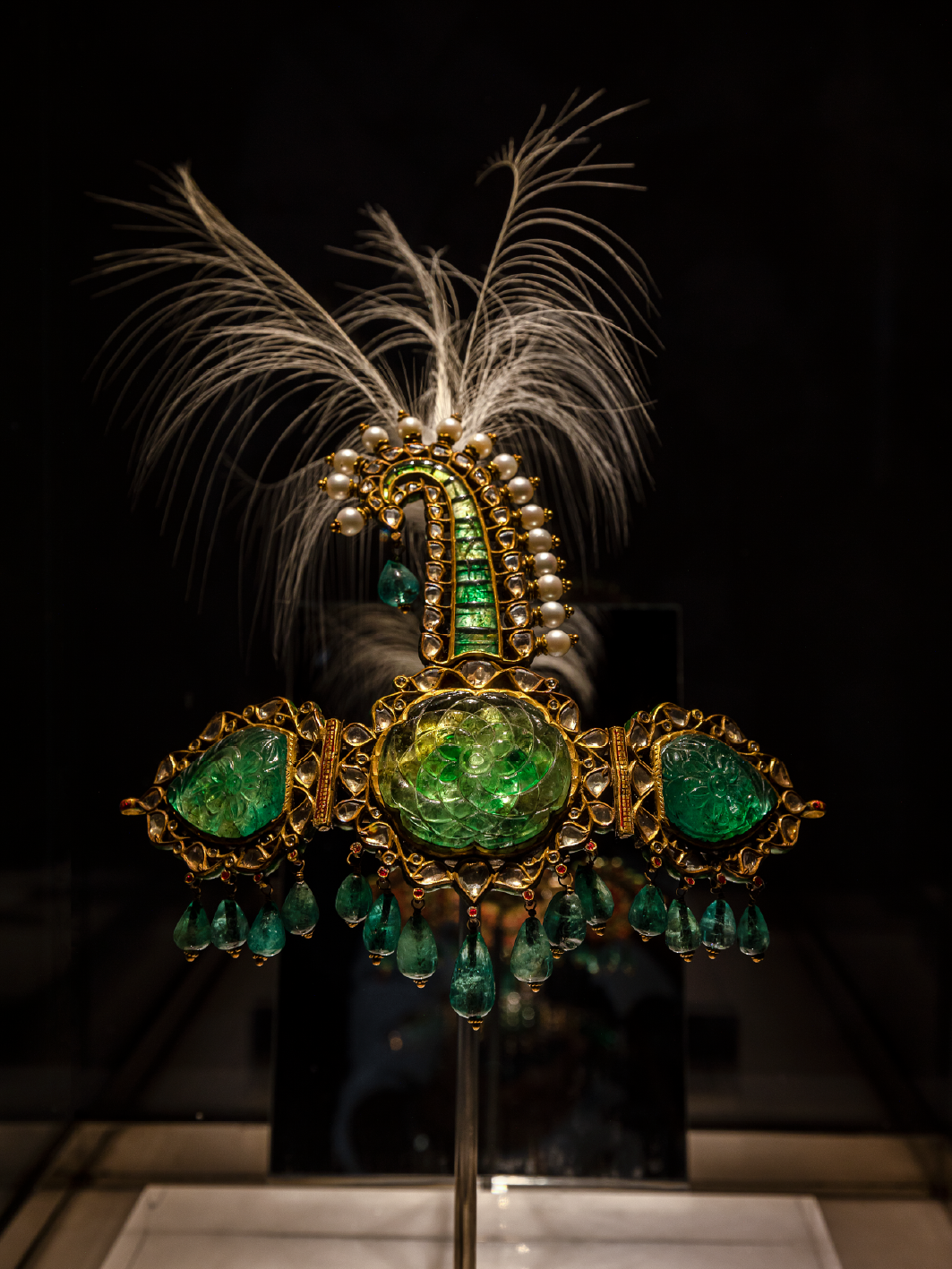
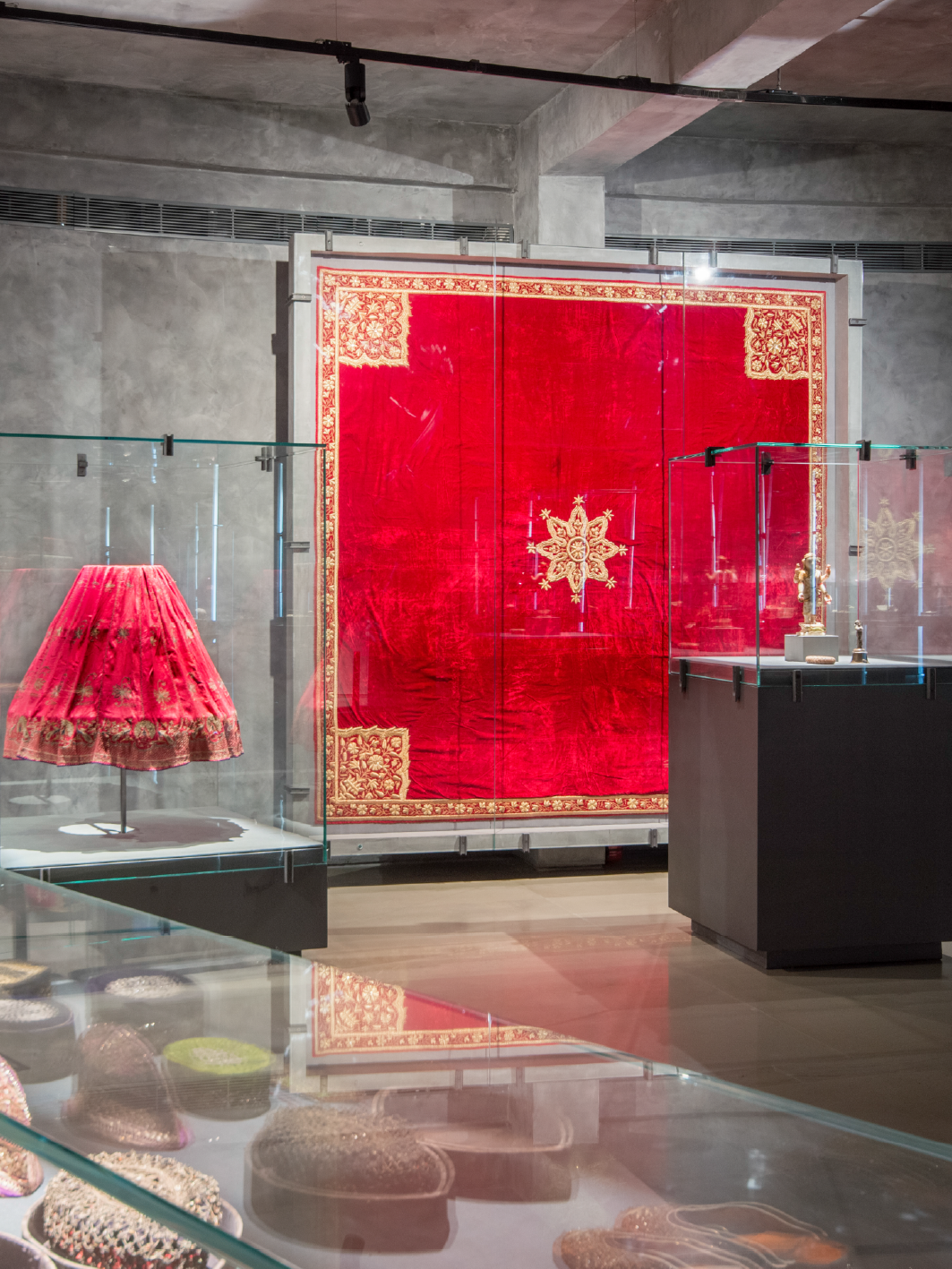
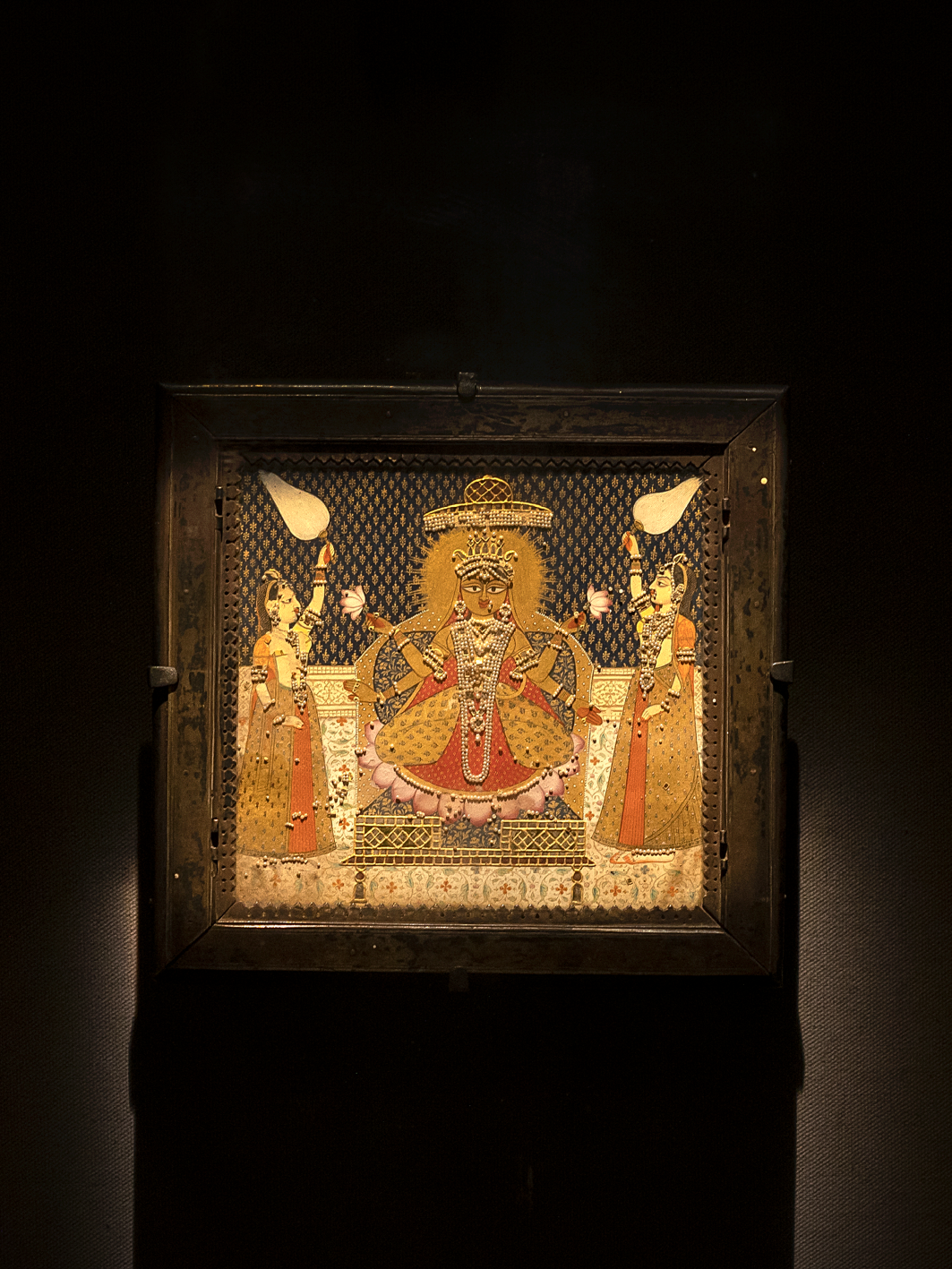
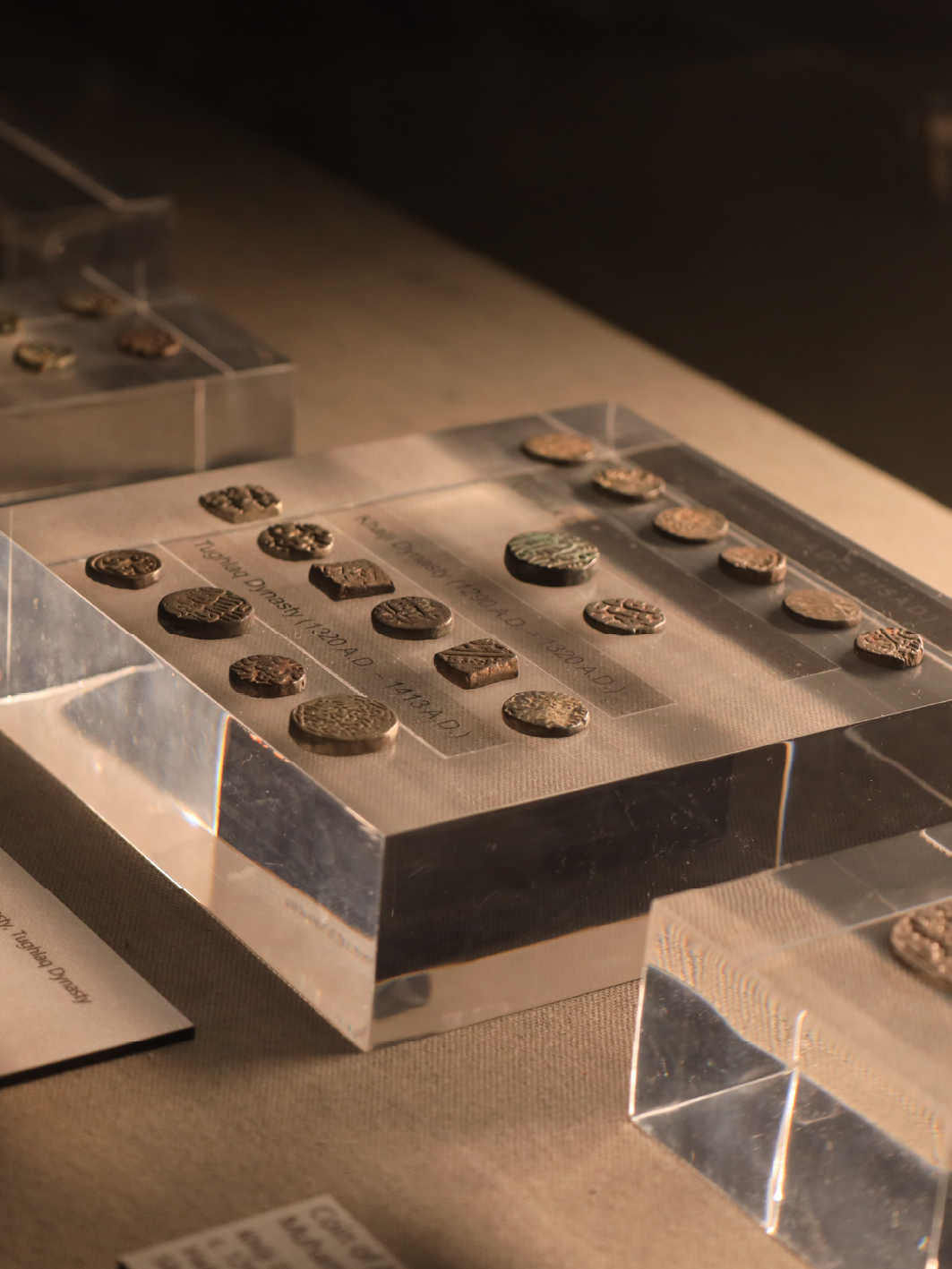
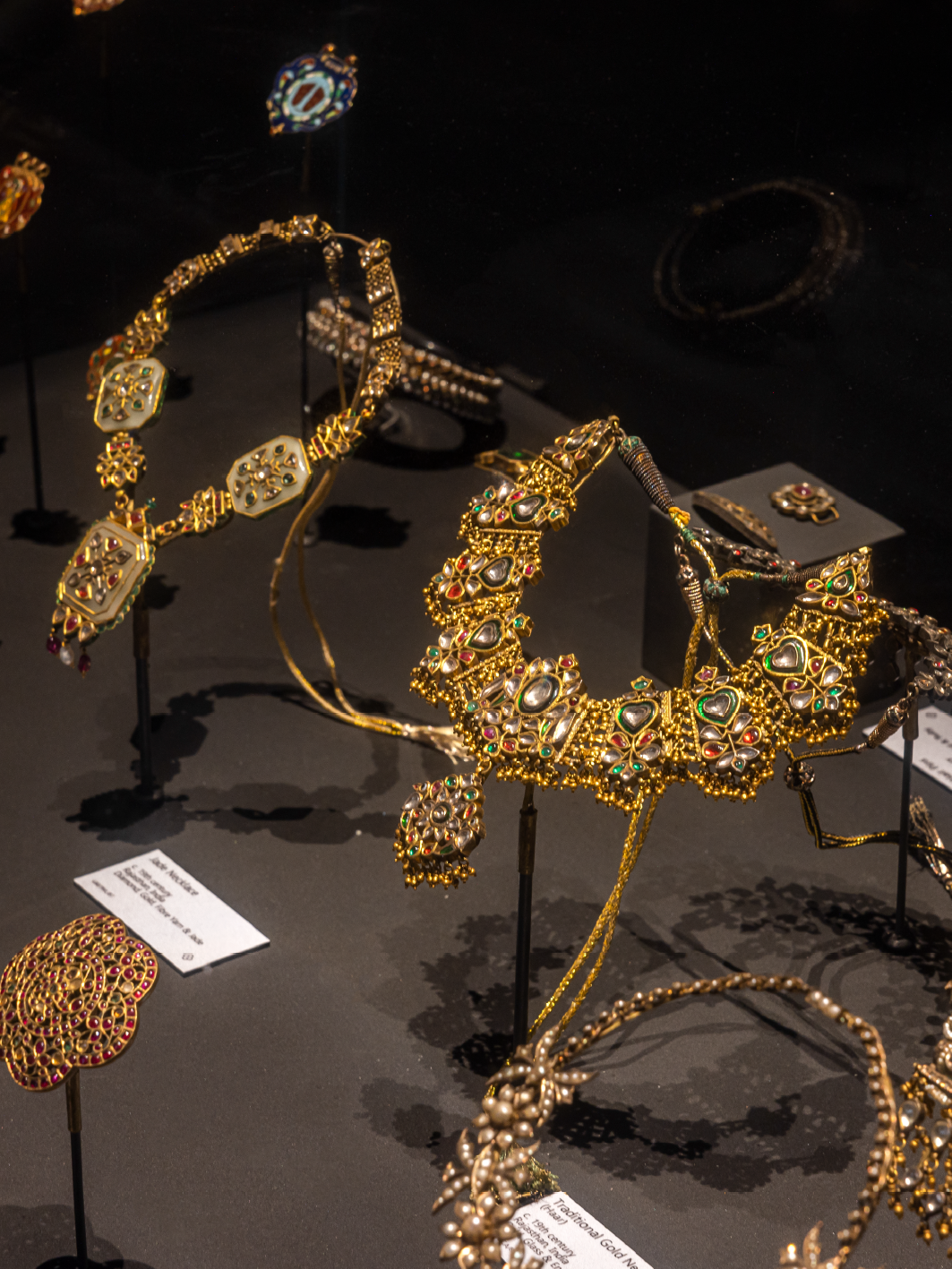
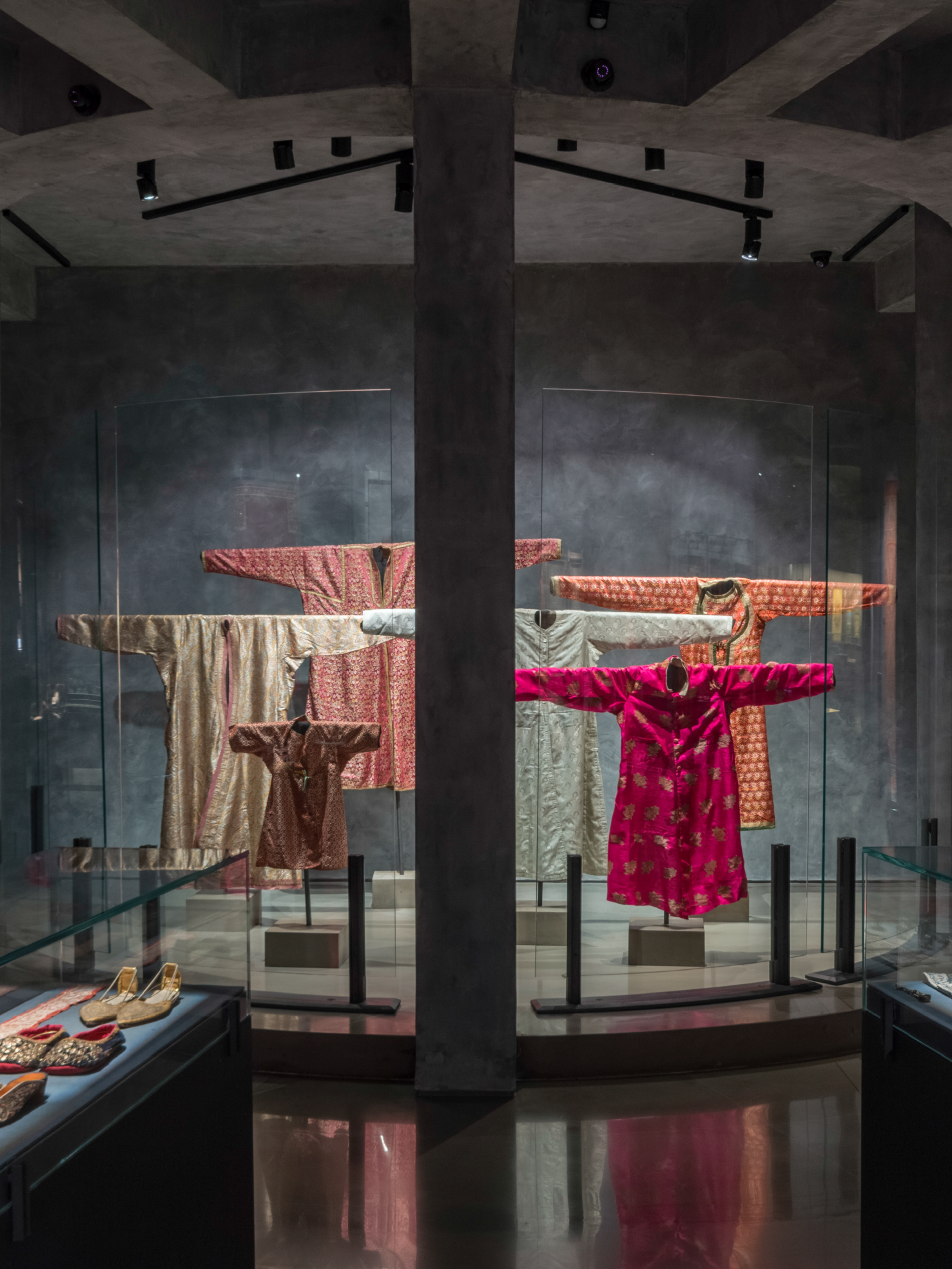
“My vision for GYAN Museum was to create an architectural language that feels global, minimal and centred on the objects,” says Paul. A collection spanning different cultures, periods and artistic traditions calls for a space that allows each piece its own presence while creating a sense of harmony across the whole. It is where 11th-14th century Hoysala Empire coins share space with a Jaipur miniature painting of Goddess Lakshmi circa 1790 donning minute natural Basra pearls, hand-crafted with gold relief in tin alloy paint. A 18th-19th-century gold, emerald, diamond, pearl, and enamel Sarpech, weighing 210 grams, set in kundan, invites hours of admiration. So do the 19th-century circular ganjifa card set, made of paper and pasteboard, and the Gujarati bodice embroidered in pakko bharat, with stitches dense enough to outlive its wearer.
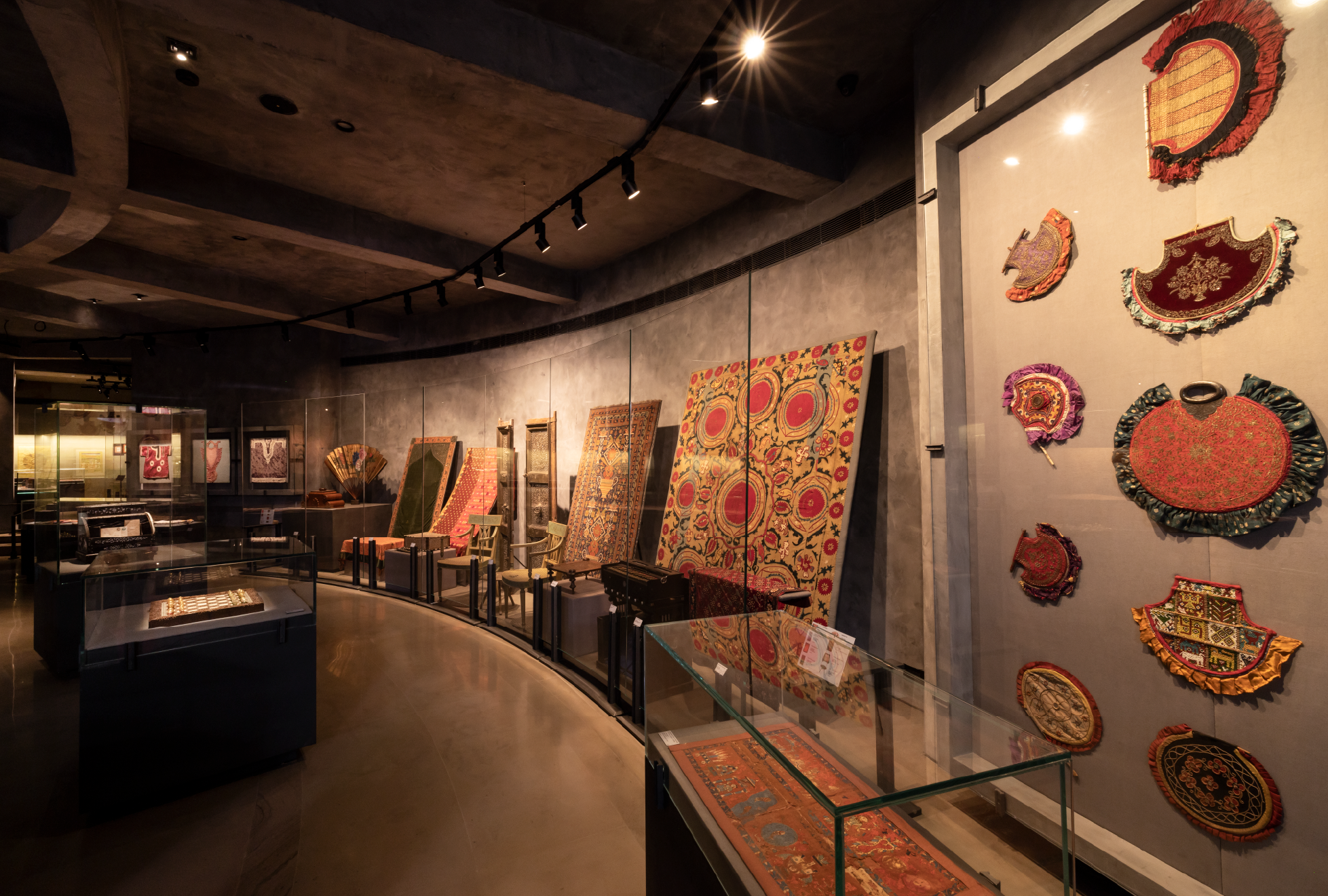
The architecture is conceived as a quiet framework for discovery. From the outside, the facade itself doesn’t give away much: grey stone, glass, and tall white vertical elements hold the exterior with material restraint. Champa trees and hand-chiselled stone steps rise to a door. Inside, a white marble hall, washed in natural light with a Ganesh sculpture carved from a single piece of jade, greets you. A climb through a white staircase takes you to a circular room with no particular beginning or end; that is where Gyan’s collection lives.
Some pieces are in storage, but the most extraordinary ones are on display. The custodians, Gyan’s three grandsons — Sakhil, Akhil and Nikhil — say that they keep rotating some of the items on display across the floors so more pieces can be put on view. Theirs is an art-inclined family, so apart from the main room, there’s also a gallery space and a basement area where the present family’s curatorial pieces are exhibited. There is no one way to experience this museum. Paul says its proportion, light and open space are meant to “draw the visitor closer to the craftsmanship, textures and stories within the collection.”
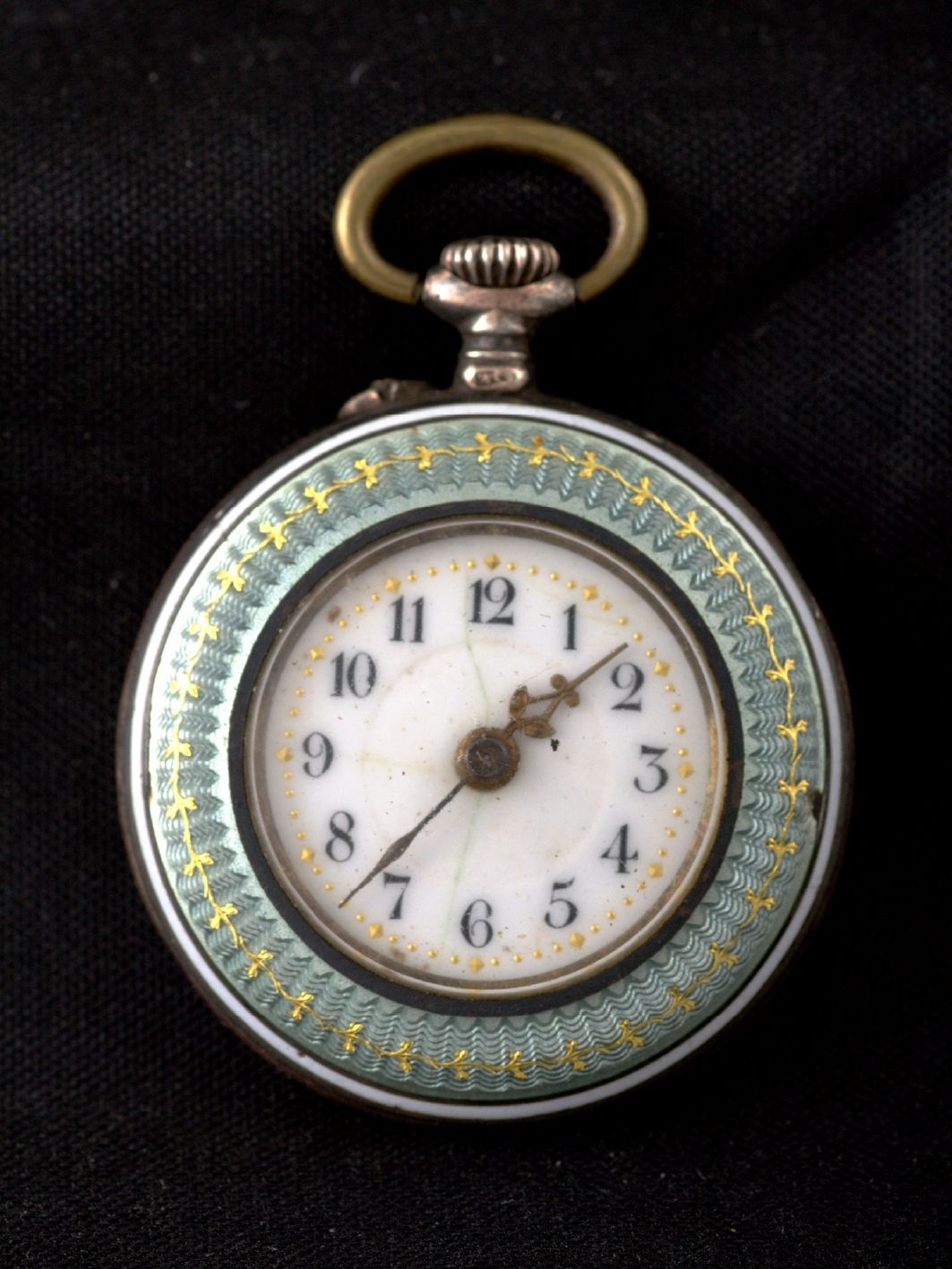
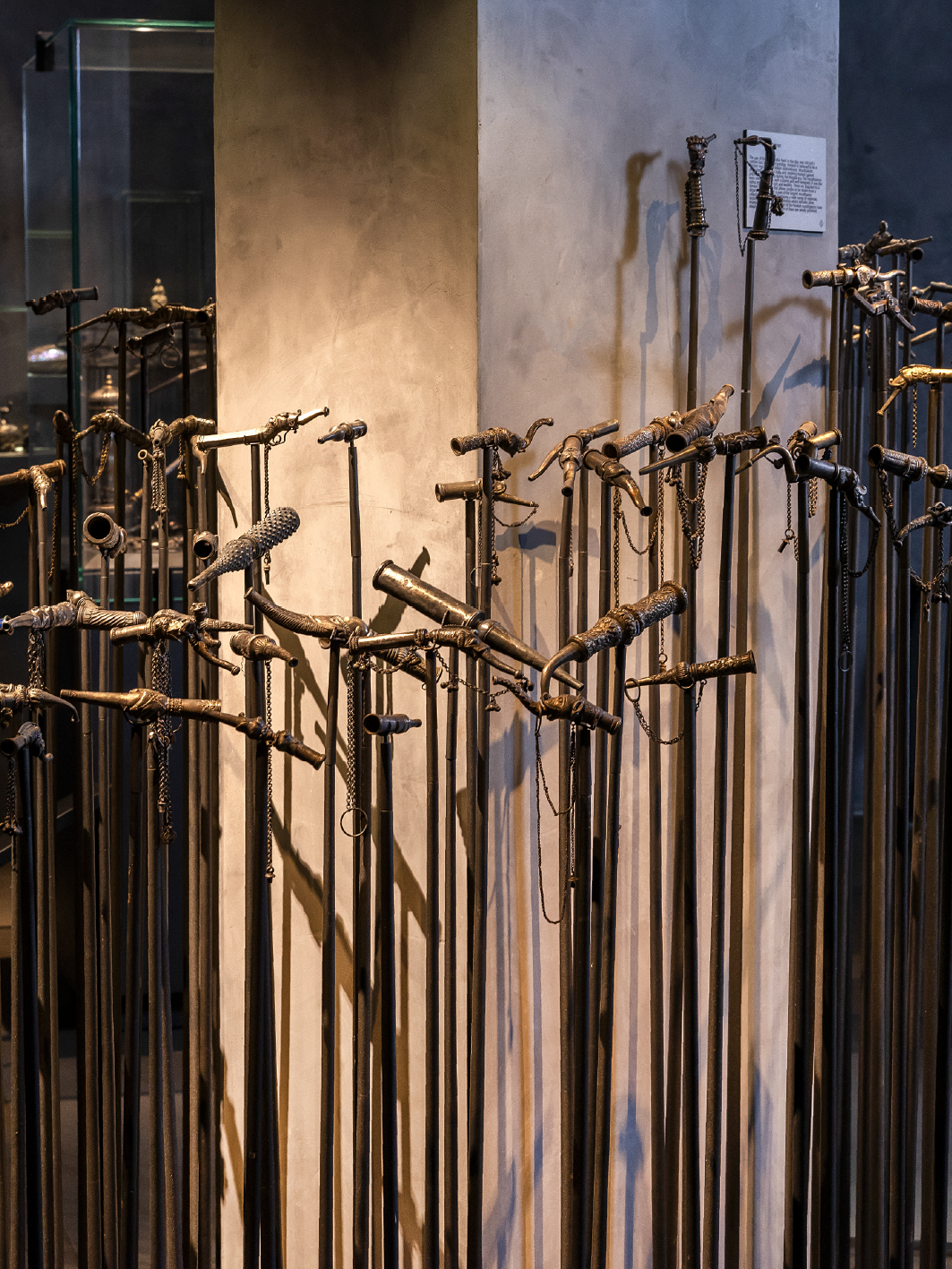
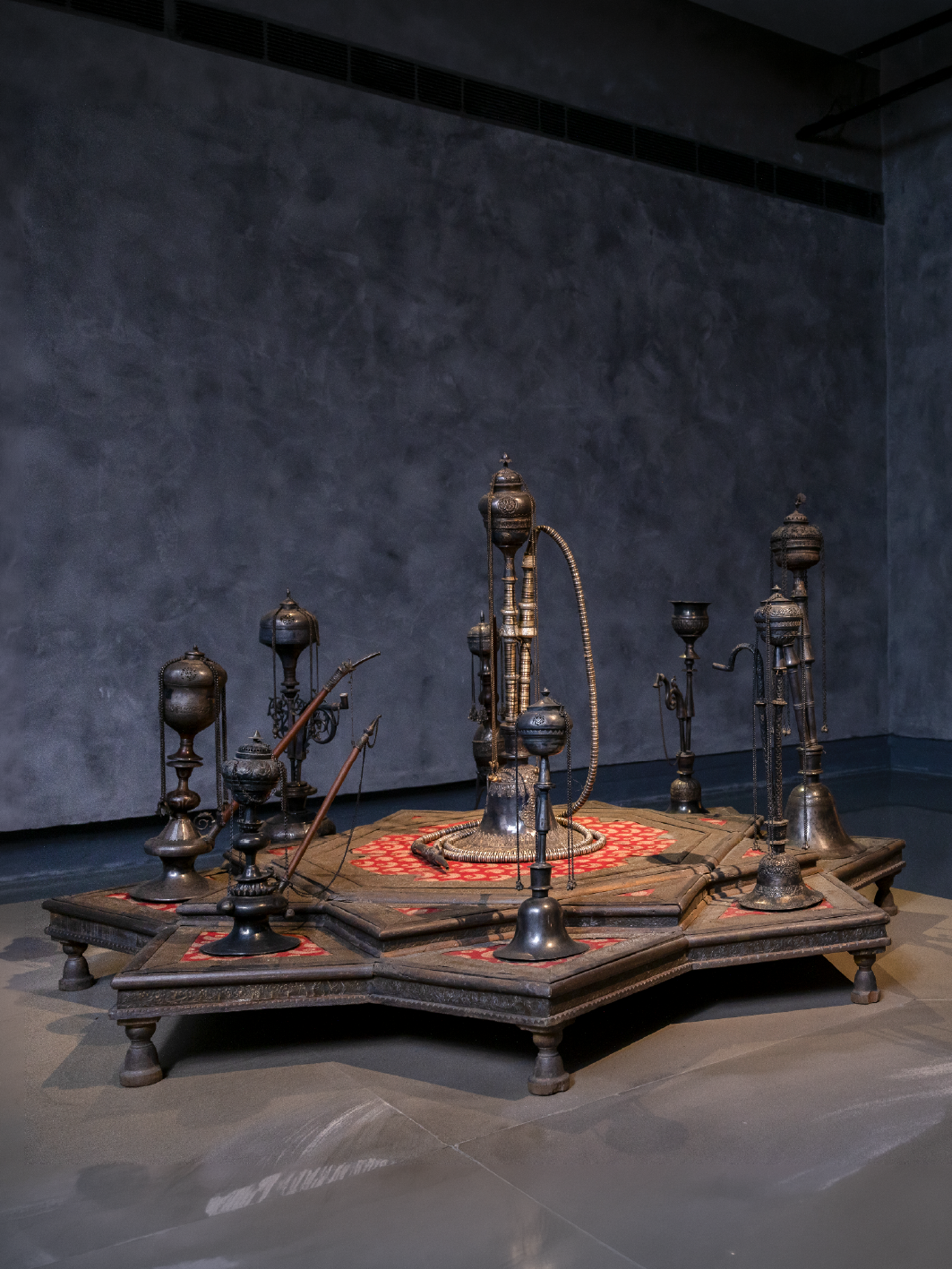
In fact, the circular layout allows freedom of exploration. The lighting adds to it. Miniatures float between thick glass panels; walls are adorned with objects best sorted by category that could be grouped; rows and rows of vitrines holding an eclectic range of items bear fascinating museum labels. Even Gyan’s personal items and watch collection, comprising Patek Philippe, Omega, Vacheron Constantin, and Tiffany & Co., are on view. The museum’s logo is inspired by the four-leaf clover pendant he used to wear. The silver hookah mouthpieces — including the two that started Gyan’s love for collecting — are arranged like a bouquet and are unofficially the largest in a private collection, the family states with pride.
Every textile, every objet d’art, every hookah piece, every portrait, every scripture, and every ornament invites a long look. At GYAN Museum, time slips away, and a single visit can swallow an entire afternoon, and it rewards that slowness.
The museum opened privately to friends and family in December 2014 and to the public the following year. While the Dhaddhas could have easily kept their private inheritance quiet, they asked themselves who a collection is for once its collector is gone and arrived at an answer: anyone willing to look. Tucked away in storage, the objects could teach no one. But when on display, the discerning eyes could borrow Gyan’s way of seeing them: with affection, admiration and a little awe.
Gyan Museum in Jaipur is open Monday to Saturday, 10am to 6pm, by private appointment for either a self-guided or a curated tour.