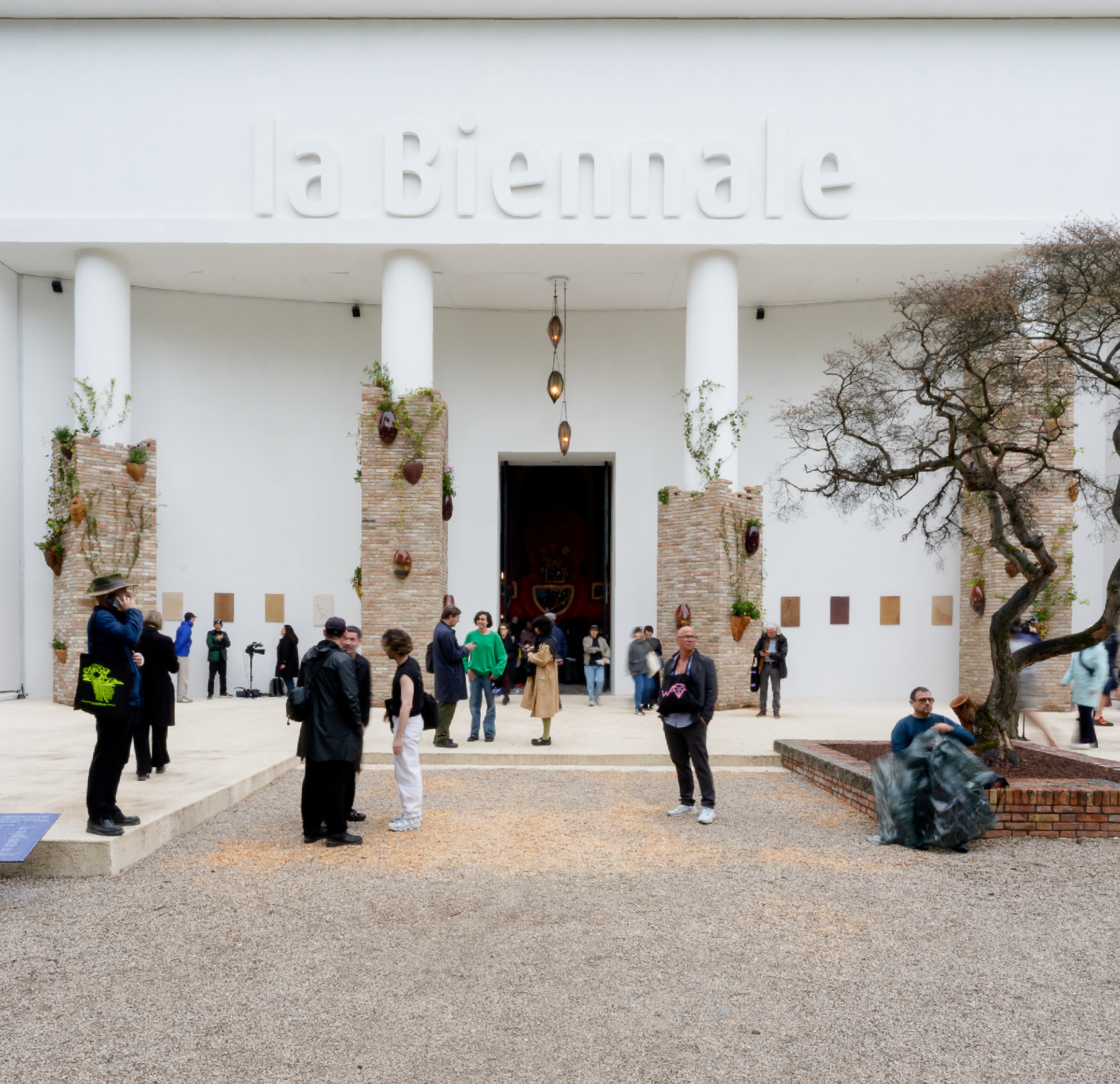
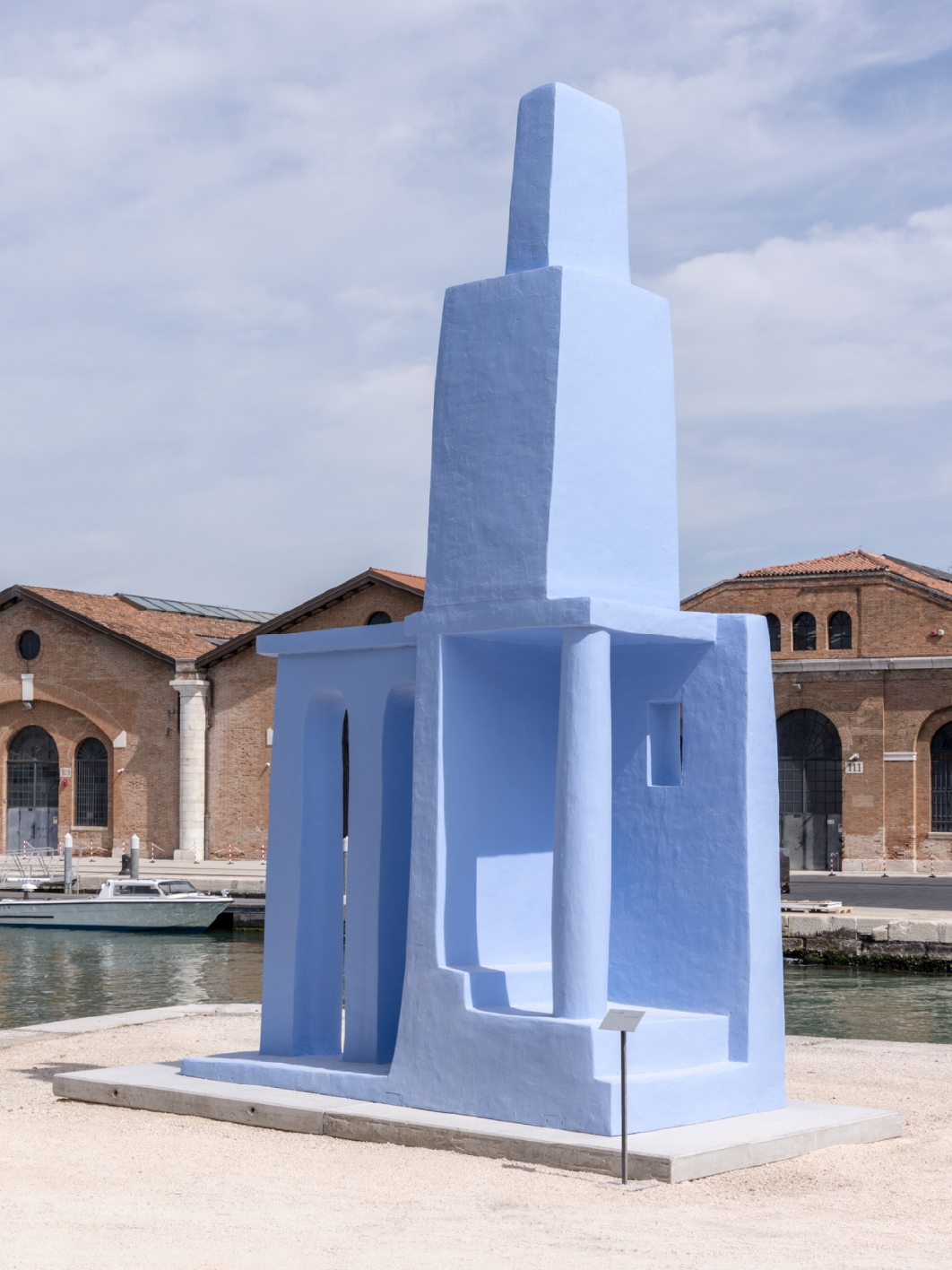
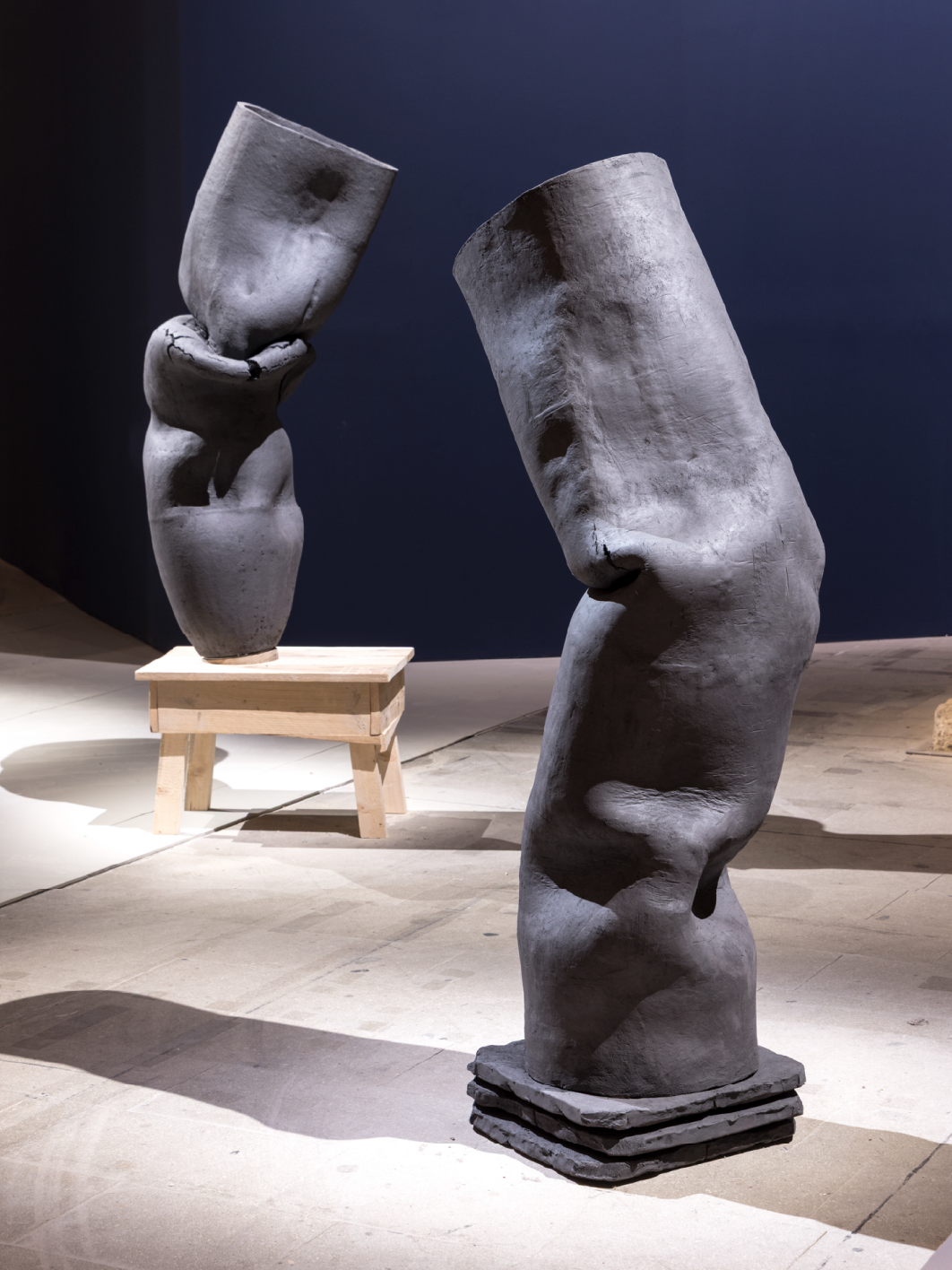
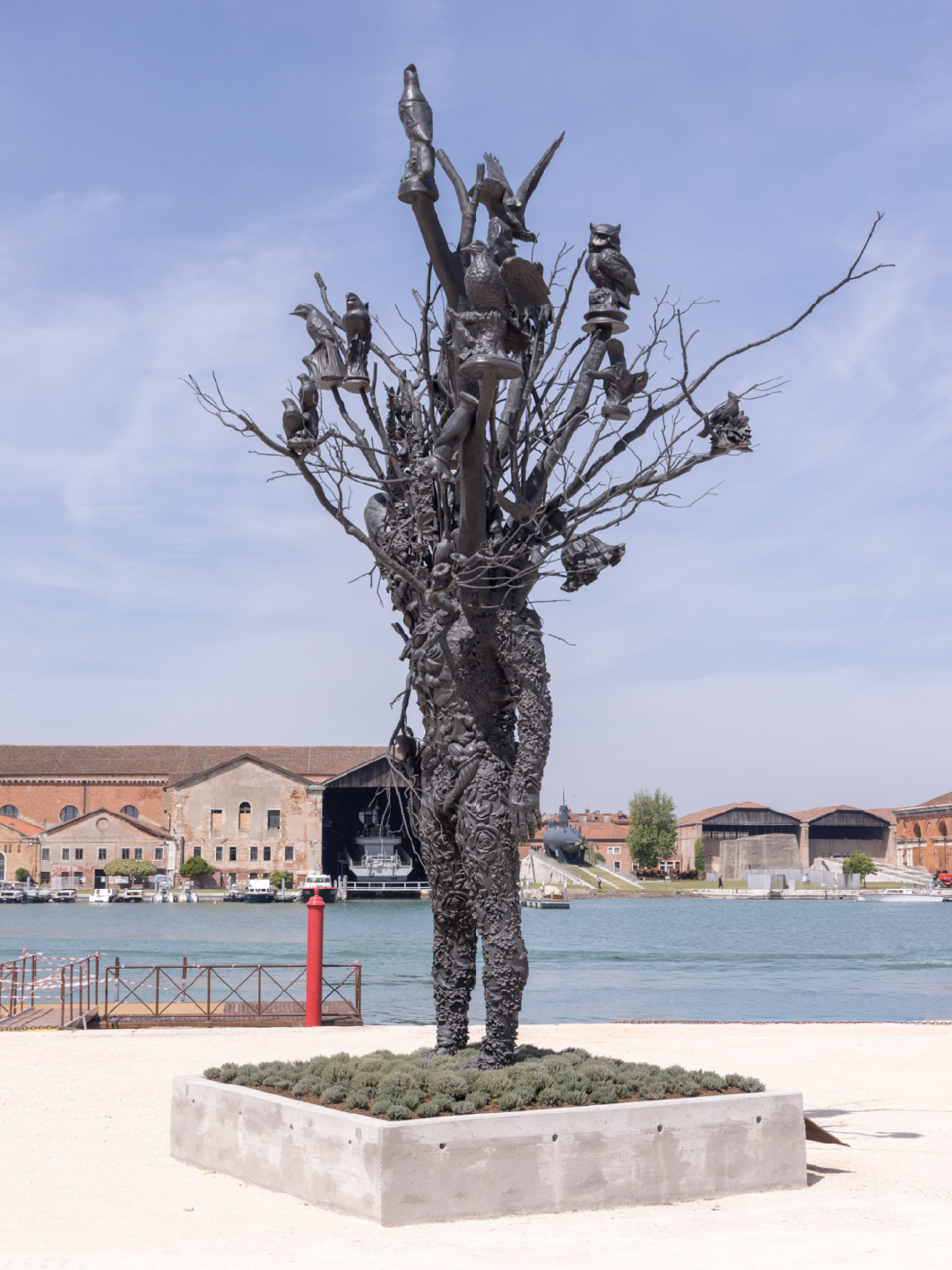
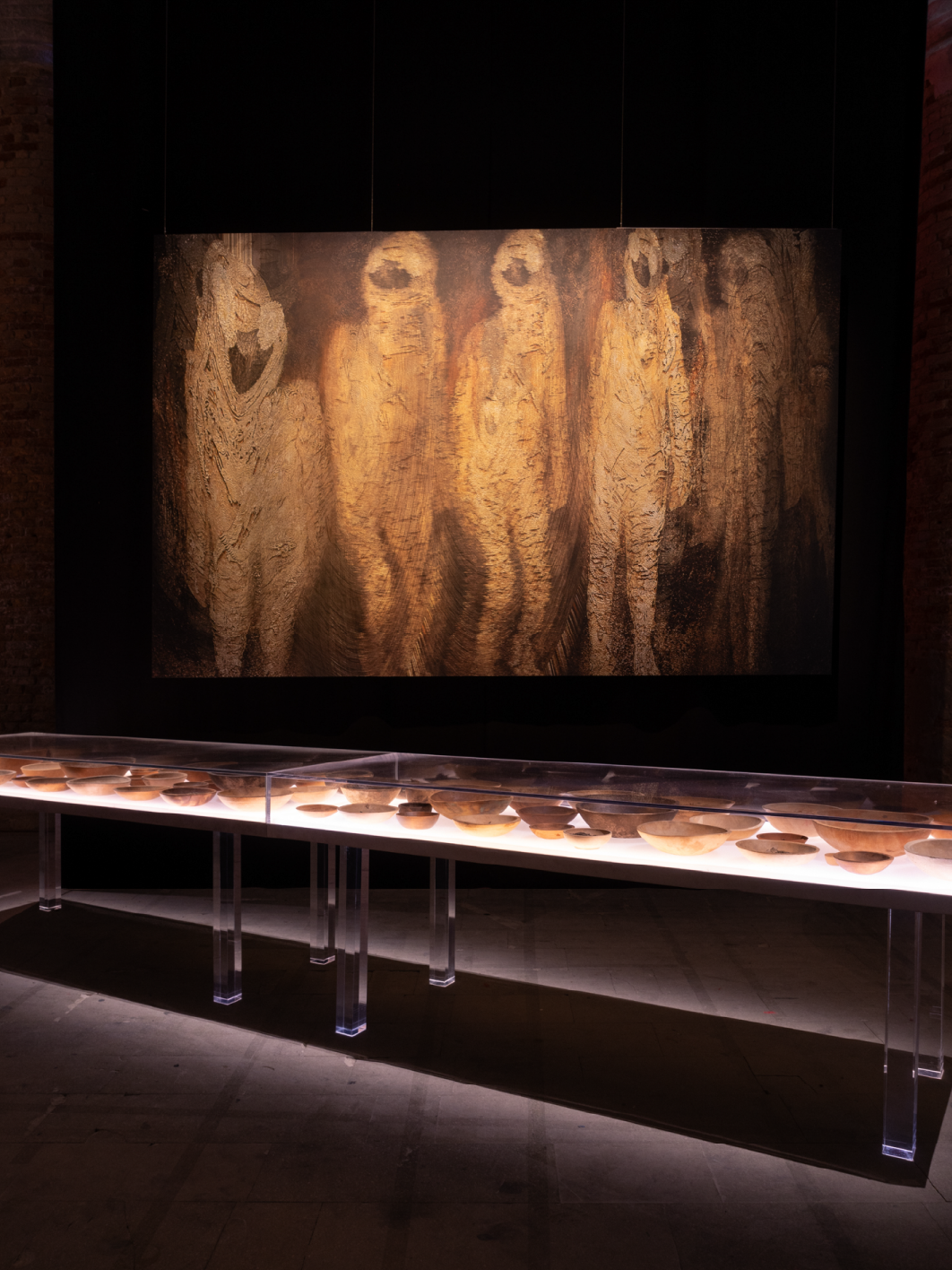
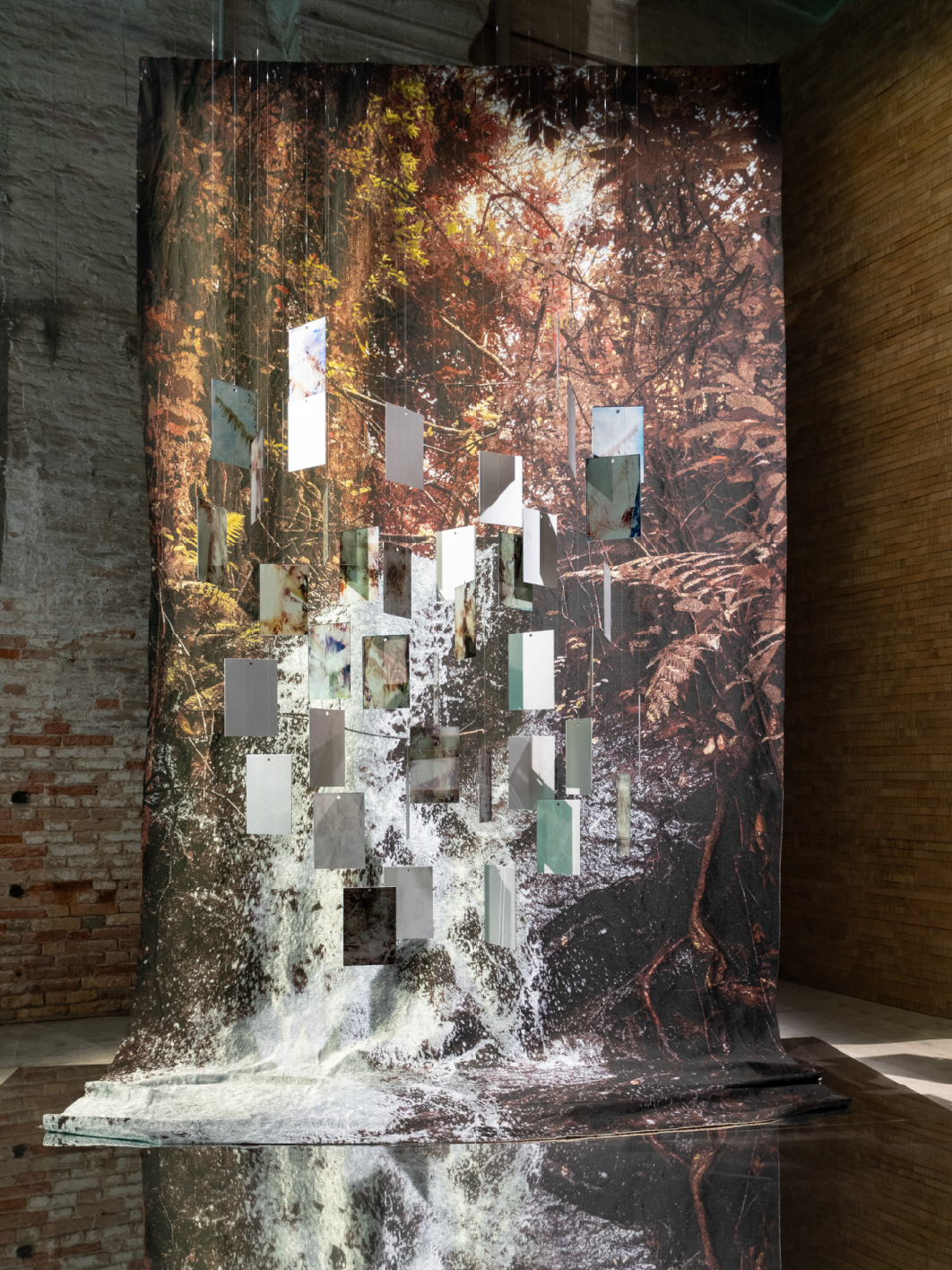
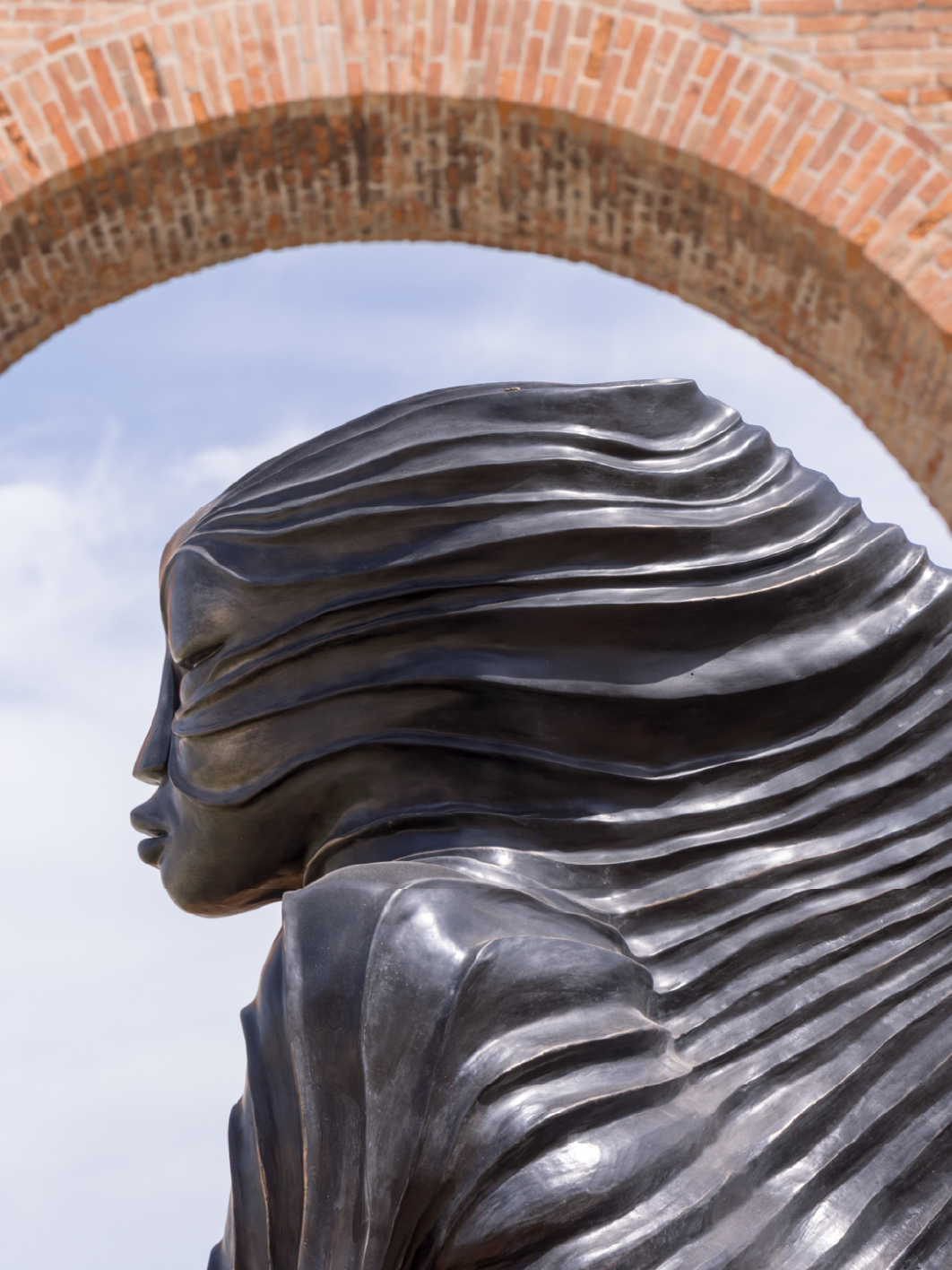
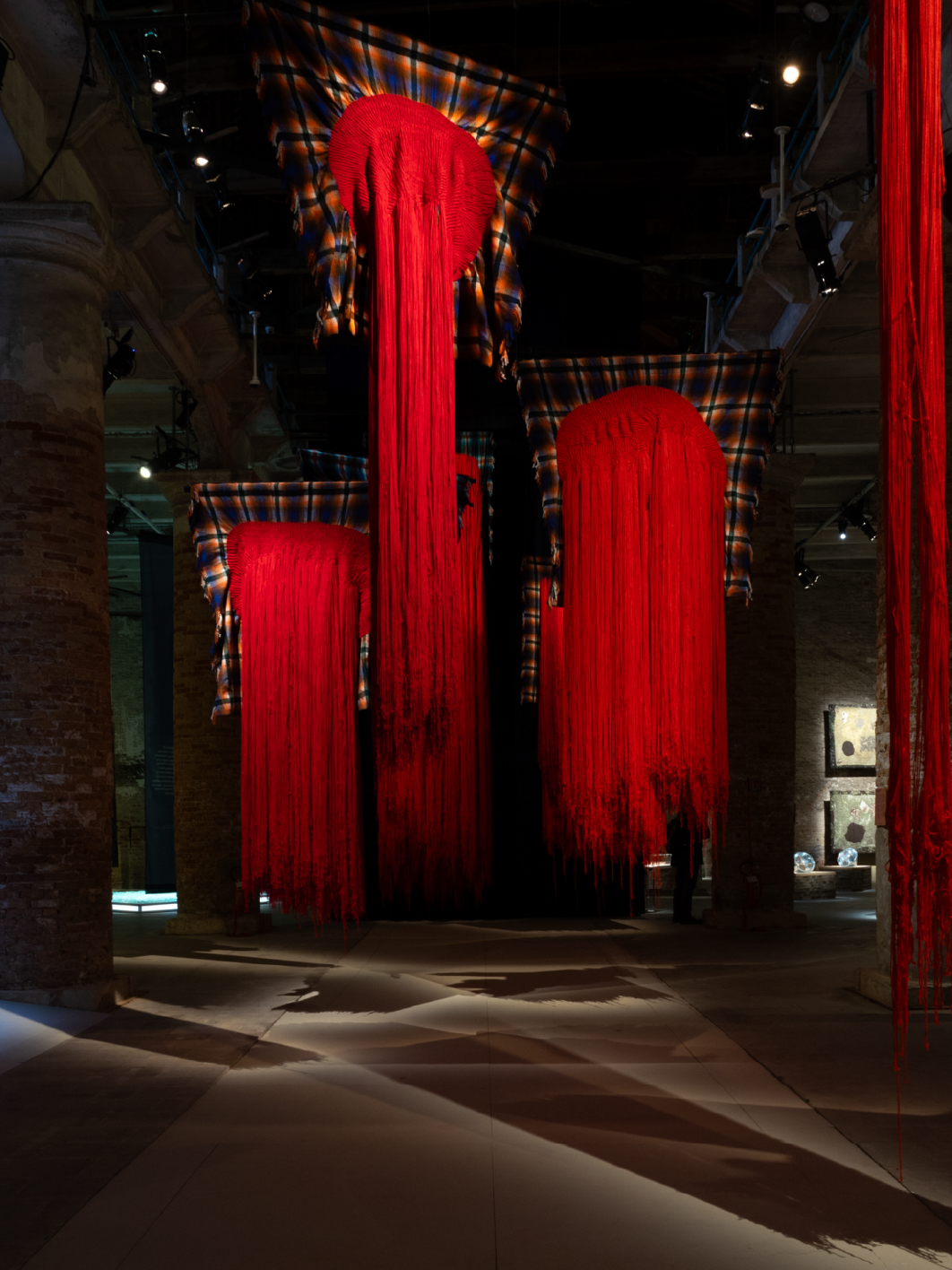
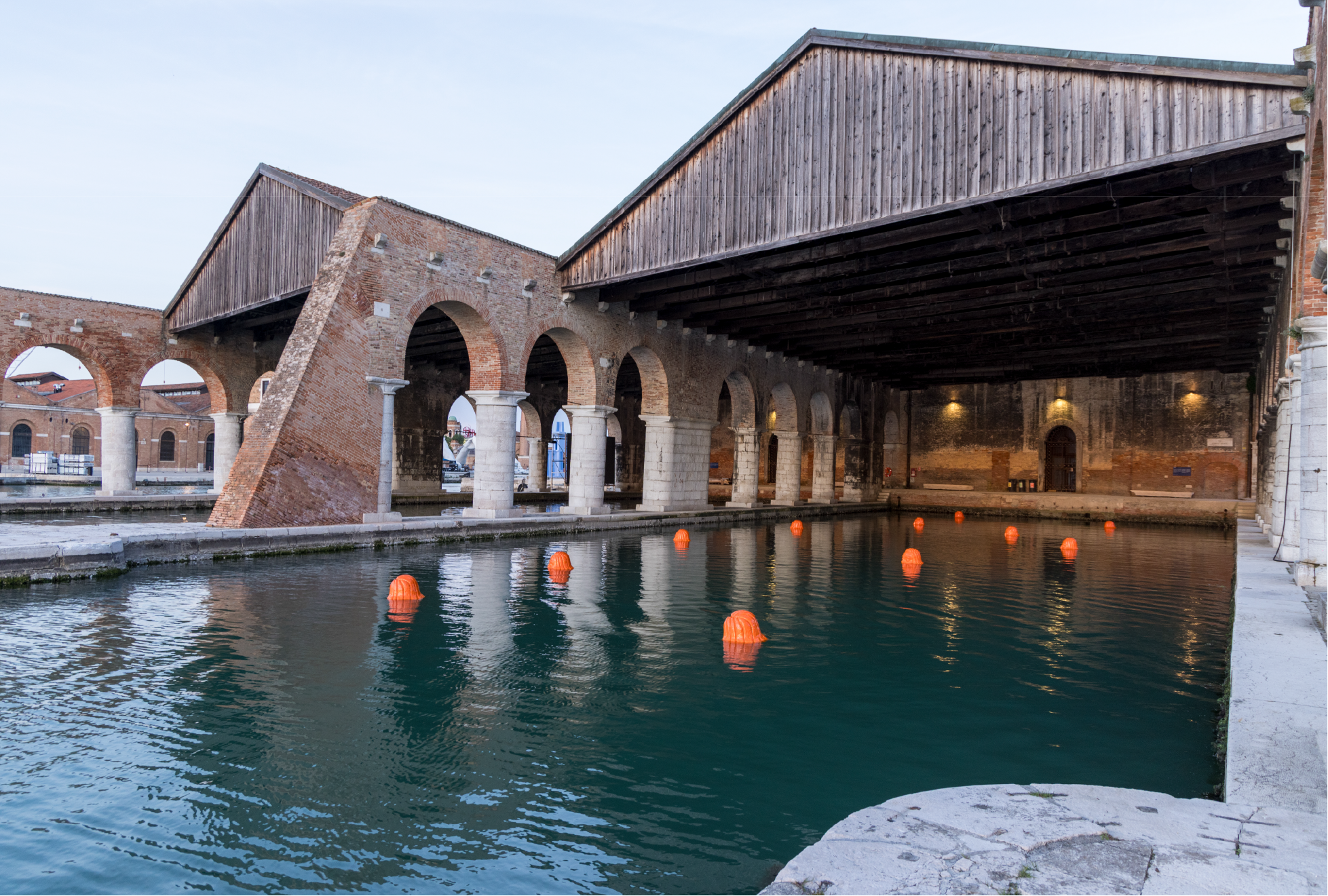
The Venice Biennale is never only about what is shown inside its pavilions. It is also the walk between them, the old brick of the Arsenale, the pauses by the water, the rooms one enters almost by accident, the way the city keeps interrupting the art and becoming part of it. For Biennale Arte 2026, this movement through Venice may be especially important. The 61st International Art Exhibition, titled In Minor Keys, asks visitors to pay attention to what is quieter, slower, and less immediately claimed.
Curated by the late Koyo Kouoh, In Minor Keys is being held from 9 May to 22 November 2026 across the Giardini, the Arsenale, and various locations around Venice. Kouoh, the Cameroonian-born curator and cultural producer who was Executive Director and Chief Curator of Zeitz MOCAA in Cape Town, passed away in May 2025. The exhibition is being realised by La Biennale di Venezia with the support of her family and the curatorial team she had chosen, after she had already developed its conceptual framework, selected the artists and artworks, and shaped its catalogue, graphic identity, and spatial direction.
The title comes from music, but Kouoh’s reading of the minor key opens onto a wider world of signs. In her curatorial note, it holds whispers, lower frequencies, small islands, gardens, courtyards, poetry, and forms of beauty made in difficult times. The exhibition is not arranged as a set of fixed sections. Instead, it moves through motifs such as shrines, processions, schools, rest, and oases. These ideas suggest a route that is less linear than associative, shaped by encounters, moments of pause, and practices that carry memory, community, and care.
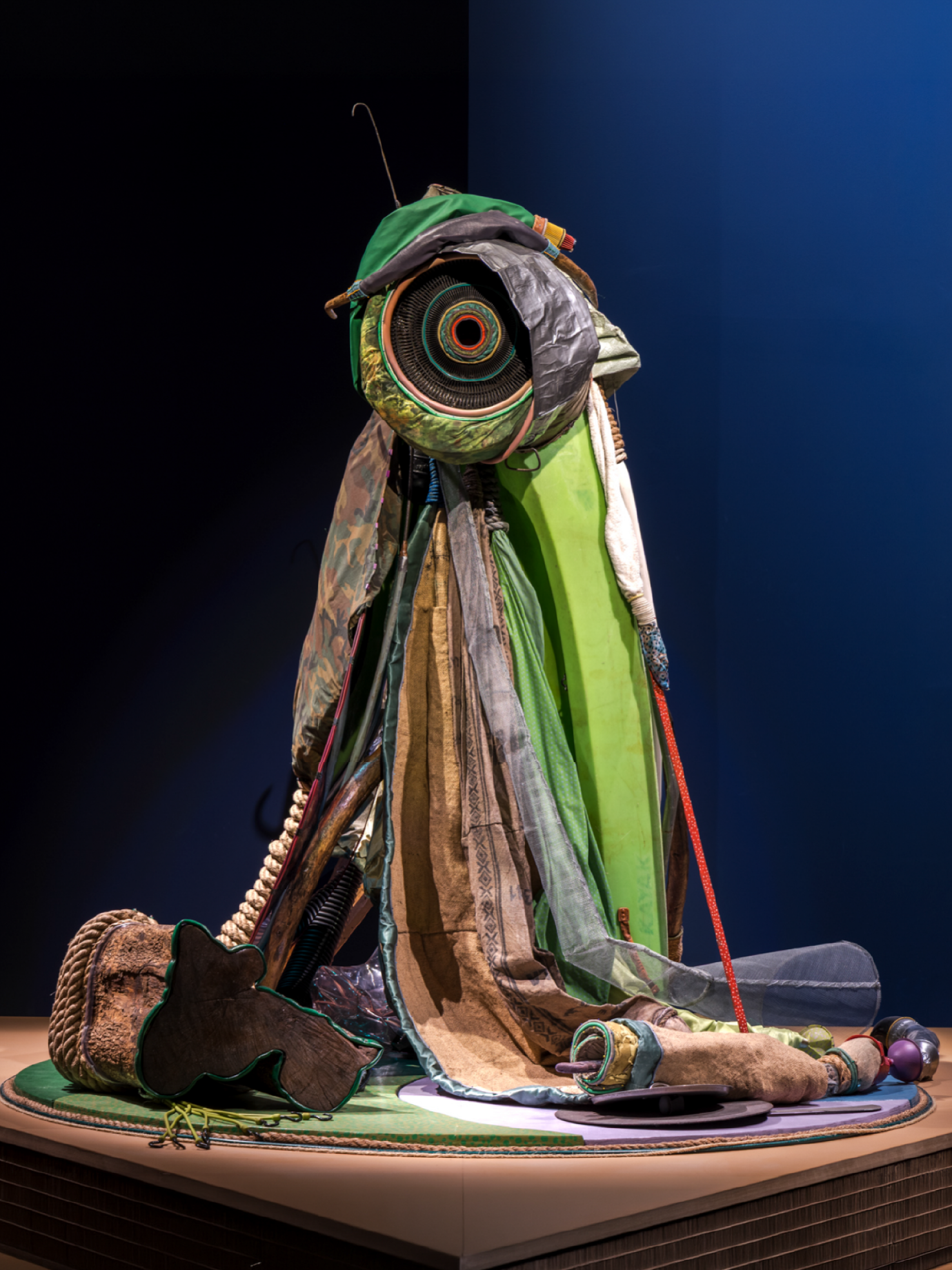
At the centre of the International Exhibition are 110 invited participants, including artists, duos, collectives, and artist-led organisations. The roll call includes Laurie Anderson, Kader Attia, Nick Cave, Wangechi Mutu, Otobong Nkanga, Walid Raad, Tsai Ming-liang, Sohrab Hura, and Tiona Nekkia McClodden. Two artists, Issa Samb and Beverly Buchanan, are given particular prominence through the idea of shrines. At the Applied Arts Pavilion, organised with the V&A, Gala Porras-Kim turns to museums, cultural artefacts, conservation, and the meanings objects gather once they are separated from their original contexts.
The wider Biennale extends through 100 National Participations across the Giardini, the Arsenale, and the city. Guinea, Equatorial Guinea, Nauru, Qatar, Sierra Leone, Somalia, and Vietnam participate for the first time, while El Salvador presents its own pavilion for the first time. India participates with Geographies of Distance: remembering home, curated by Amin Jaffer, with Alwar Balasubramaniam, Sumakshi Singh, Ranjani Shettar, Asim Waqif, and Skarma Sonam Tashi.
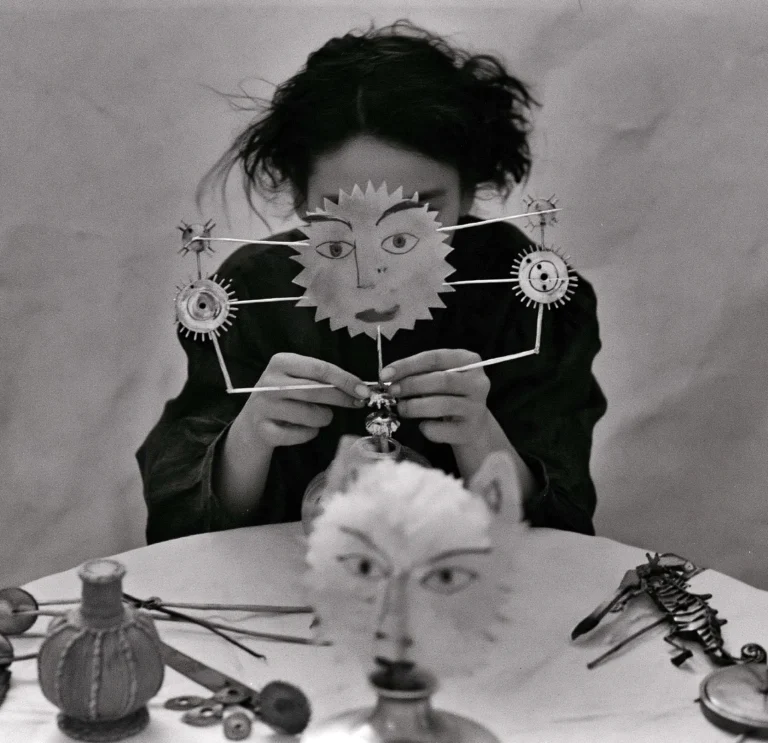
There is also a full constellation of collateral events and pavilion projects to follow. Kiran Nadar Museum of Art presents Nalini Malani’s Of Woman Born. The Italian Pavilion presents Chiara Camoni’s Con te con tutto, a sculptural landscape shaped by terracotta, recycled materials, domestic forms, and the flow of time. The Venice Pavilion, titled Persistent Notes, turns attention back to the city itself, listening to its submerged, domestic, mythological, and collective dimensions.
For all its scale, In Minor Keys does not seem to ask for a hurried viewing. It asks for another tempo. A garden, a courtyard, a sound, an object in a museum case, a procession of bodies through space. In this Biennale, these quieter registers are not incidental to the exhibition. They are the way in.